

Business
Risk-averse capital drives hybrid deals | The Express Tribune

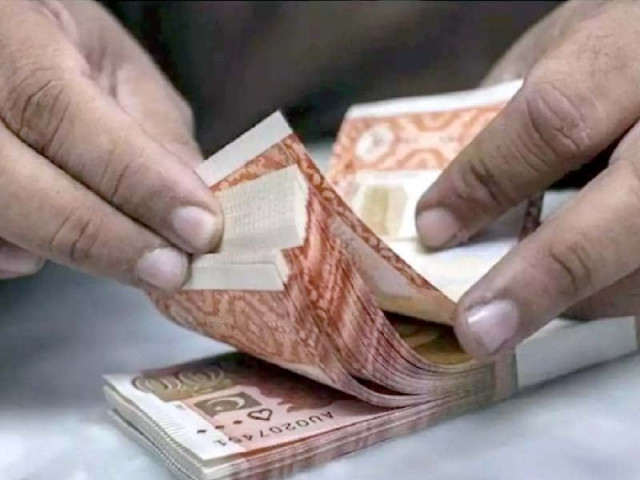
The central bank injected financing at a stable rate of 17.25% compared to previous injections made at 17.04% about a week ago. photo: Afp
KARACHI:
Pakistan’s startup ecosystem, once a headline-grabbing post-Covid-19 success story that attracted aggressive venture capital chasing growth and buzzworthy “disruption,” is now entering a more cautious and structurally different phase.
With investors increasingly prioritising risk-adjusted returns and shifting capital towards safer assets such as gold, the funding landscape is undergoing a transformation marked by a decisive move away from speculative equity rounds towards hybrid financing structures that now dominate capital flows.
The shift was highlighted during Invest2Innovate (i2i)’s “Ecosystem Signals 2026” event, where industry leaders discussed the findings of Pakistan’s Capital Landscape Brief 2024-2025 and outlined emerging investment trends shaping the ecosystem. Aleena Khan, Deputy Director Growth & Strategy at i2i, highlighted that total startup funding doubled to $74 million in 2025 from $34 million in 2024, while deal activity also increased from eight deals to 16 deals. However, the nature of capital changed significantly as hybrid financing, combining equity with debt, surged dramatically and accounted for nearly 89% of all capital raised in 2025, underscoring a structural shift in investor behaviour rather than a broad-based revival in venture capital.
During the period under review, hybrid financing surged from just $1 million in 2024 to $66 million in 2025, representing 89% of total capital. Misbah Naqvi, an early-stage investor, noted that Pakistan’s evolving funding environment reflects broader trends across emerging markets. “Pakistan’s landscape has changed, but many of these changes are not unique to Pakistan,” she said, adding that investors globally are adopting diversified financing mechanisms to manage risk exposure.
Naqvi highlighted that Pakistan already has venture debt criteria and instruments that founders can utilise, providing alternative financing channels beyond traditional equity rounds. However, she cautioned that the ecosystem remains incomplete without successful exits. “A full venture cycle has not yet been completed, as meaningful exits have not been seen within the startup ecosystem,” she said, emphasising that exits are critical for recycling capital and strengthening long-term investor confidence. The report noted that the funding recovery was not driven by a revival in traditional venture capital equity rounds, which remained subdued, but instead reflected founders’ growing reliance on diversified capital structures amid cautious investor sentiment and tighter risk appetite.
Analysts highlighted that hybrid structures offered investors downside protection while enabling startups to secure growth capital without heavy dilution, marking a structural evolution in Pakistan’s startup financing landscape. Despite the rebound, equity funding continued to contract, signalling that investor confidence in high-risk early-stage ventures remains fragile. The briefing suggested that whether equity markets recover or hybrid financing continues to dominate will be a key trend to watch in 2026.
Experts cautioned that while diversified funding channels improved capital access, long-term ecosystem sustainability will depend on restoring balanced capital flows across equity, debt and alternative financing instruments. Panellists also underscored a fundamental shift in venture capital philosophy heading into 2026. Kasra Zunnaiyyer, Co-Founder of logistics platform Trukkr, said investors have moved decisively away from funding speculative ideas and are now demanding capital efficiency, proven business models and measurable performance metrics.
There is a growing focus on service-based startups offering must-have solutions with strong financial sustainability, Zunnaiyyer said, noting that founders must demonstrate profitability pathways and robust unit economics before seeking additional capital. He added that AI-enabled service companies are becoming particularly attractive to investors because they can scale efficiently, automate operations and deliver personalised services with reduced labour intensity.
Omer Bin Ahsan, founder and CEO of fintech firm Haball, emphasised the broader macro-financial context influencing capital flows. He said capital naturally avoids environments perceived as unstable or high-risk, saying “capital is coward,” but pointed out that Pakistan currently has surplus liquidity within the private sector as government borrowing requirements have moderated compared to previous years. “This surplus provides an opportunity for the local banking system to lend to startups,” he said.




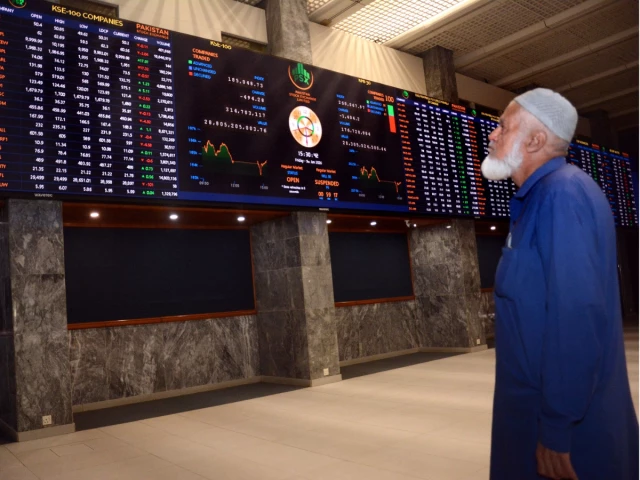



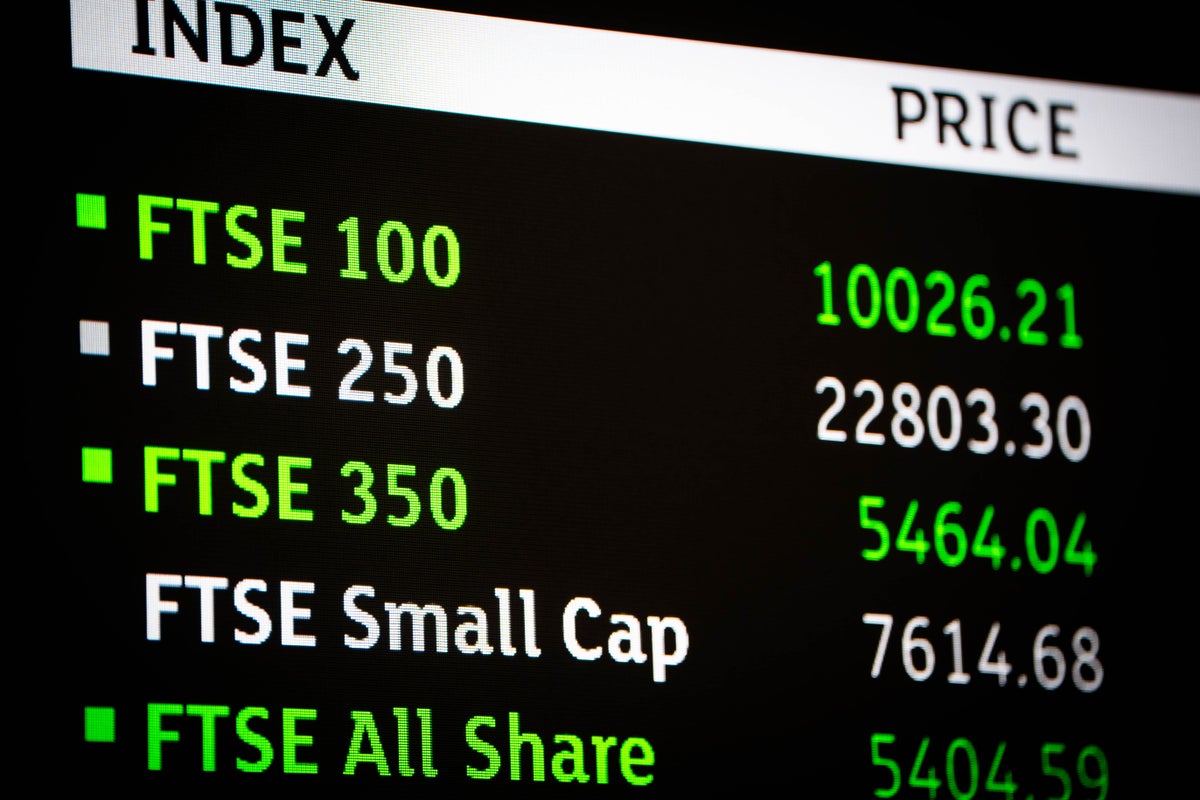
The FTSE 100 closed higher on Monday, recouping most of Friday’s hefty falls amid a calmer bond market and as Iran responded to the latest US peace proposal.
The FTSE 100 closed up 128.38 points, 1.3%, at 10,323.75. The FTSE 250 ended up 15.56 points, 0.1%, at 22,611.70, but the AIM All-Share fell 8.72 points, 1.1%, at 800.17.
Iran said it had responded to a new US proposal aimed at ending the war, adding that diplomatic exchanges continue despite Iranian media reports describing Washington’s demands as excessive, AFP reported.
Washington and Tehran have been swapping proposals in an effort to end the conflict, which the US and Israel launched on February 28, but they have held only a single round of talks despite a fragile ceasefire.
“As we announced yesterday, our concerns were conveyed to the American side,” foreign ministry spokesman Esmaeil Baqaei told a news briefing, adding that exchanges were “continuing through the Pakistani mediator”.
Mr Baqaei defended Iran’s demands, including the release of Iranian assets frozen abroad and the lifting of long-standing sanctions.
“The points raised are Iranian demands that have been firmly defended by the Iranian negotiating team in every round of negotiations,” he said.
But with no signs of clear progress, the oil price remained inflated and volatile.
Brent crude for July delivery was trading at 110.80 dollars a barrel on Monday, up compared to 108.83 at the time of the equities close in London on Friday.
After a frantic Friday, the bond markets calmed, while sterling also rebounded as investors weighed the latest political developments.
The yield on UK 10-year gilts traded at 5.14% compared to 5.17% at the same time on Friday.
The pound traded at 1.3397 dollars on Monday afternoon, up from 1.3319 on Friday. Against the euro, sterling firmed to 1.1506 euros from 1.1462 on Friday.
Prime Minister Sir Keir Starmer insisted he would not set out a timetable to leave No 10 as potential leadership challenger Andy Burnham vowed to “change Labour” if he is successful in his effort to return to Parliament.
The Prime Minister said he still wants to lead Labour into the next general election amid calls from within the party to set out a timetable for his exit.
Greater Manchester Mayor Mr Burnham hopes to be Labour’s candidate in the Makerfield by-election, which could provide him with a route back to the Commons to challenge for the party leadership and the keys to Downing Street.
Speaking to broadcasters in London, Sir Keir said he was not going to set out a timetable to stand down if Mr Burnham returns to Westminster.
He added: “I do want to fight the next election. Obviously, I recognise that after the local election results, the elections in Wales and Scotland as well, that the first task is obviously turning things around and making sure that my focus is in the right place.”
Meanwhile, the International Monetary Fund said growth in the UK economy will be stronger this year than previously thought.
The IMF updated its growth projections a month after warning of a sharp slowdown caused by the global energy shock from the US-Iran war.
The influential financial body said it was now predicting UK gross domestic product to rise by 1% in 2026, higher than the 0.8% growth it was forecasting last month.
Responding to the latest report, Chancellor Rachel Reeves said: “The IMF upgrading its growth forecasts and backing our fiscal strategy is yet more proof that this Government has the right economic plan.”
In Europe, equity markets on Monday, the Cac 40 in Paris ended up 0.4%, and the Dax 40 in Frankfurt advanced 1.5%.
In New York, the Dow Jones Industrial Average was down 0.1%, the S&P 500 fell 0.4%, and the Nasdaq Composite was 0.7% lower.
On the FTSE 100, Whitbread closed up 2.3% after Corvex Management urged the Premier Inn owner to put itself up for sale, slamming its recently announced new five-year strategic plan.
In a damning letter to Whitbread management, the New York-based activist hedge fund called the status quo “untenable” and said that the need to pursue “meaningful strategic and structural reform had become unignorable”.
As a result, Corvex, which holds a stake of around 7% in Whitbread, said the only “credible” path to unlocking value at Whitbread is a sale of the company.
Anglo America fell 1.4% as it struck a deal to sell its portfolio of steelmaking coal mines in Australia to Dhilmar for up to 3.88 billion dollars in cash.
The London-based mining house said Dhilmar will pay the FTSE 100-listing 2.3 billion dollars upfront, and the deal has a price-linked earnout of up to 1.58 billion dollars.
Anglo American chief executive officer Duncan Wanblad said: “This agreement represents another major step in the simplification of our portfolio ahead of completing our merger with Teck. Through this transaction, we will complete our exit from steelmaking coal.”
Susannah Streeter, chief investment strategist at Wealth Club, said: “This not only strengthens the balance sheet, ahead of its planned merger with Canada’s Teck Resources, but also keeps it exposed to future strength in coal prices.”
Capita shares rose 8.9% as the London-based outsourcing and business services company said adjusted revenue rose 2.9% on-year in the first four months of 2026, which it said was in line with expectations.
Looking ahead, Capita said it continues to expect a low to mid-single digit revenue climb in Capita Public Service and expects mid-teen revenue growth in its Pension Solutions business.
The biggest risers on the FTSE 100 were Centrica, up 7.70p at 196.95p, National Grid, up 43.50p at 1,231.50p, Pearson, up 37.00p at 1,136.50p, Relx, up 81.00p at 2,504.00p, and SSE, up 74.00p at 2,345.00p.
The biggest fallers on the FTSE 100 were 3i Group, down 128.00p at 2,082.00p, Airtel Africa, down 15.60p at 312.80p, Mondi, down 16.40p at 734.60p, Polar Capital Technology Trust, down 12.50p at 659.00p and Diploma, down 95.00p at 6,625.00p.
Tuesday’s global economic calendar has UK consumer and wholesale inflation figures, eurozone inflation data and the minutes of the last Federal Open Market Committee meeting.
Tuesday’s local corporate calendar has full-year results from business services group DCC, half-year numbers from supplier of specialised technical products and services, Doploma, and electricals retailer Currys.
The Reserve Bank of India (RBI) on Monday decided against activating the countercyclical capital buffer (CCyB), indicating that current financial and credit conditions do not warrant an additional capital requirement for banks, PTI reported.The central bank said the decision followed a review and empirical assessment of indicators used under the CCyB framework.“Based on review and empirical analysis of CCyB indicators, it has been decided that it is not necessary to activate CCyB at this point in time,” RBI said in a statement.Under the RBI (Commercial Banks – Prudential Norms on Capital Adequacy) Directions, 2025, the CCyB framework is activated when financial conditions indicate rising systemic risks linked to excessive credit growth.The framework primarily relies on the credit-to-GDP gap as a key indicator, along with supplementary metrics.According to the RBI, the CCyB mechanism is intended to serve two broad objectives.Firstly, it requires a bank to build up a buffer of capital in good times, which may be used to maintain the flow of credit to the real sector in difficult times.Secondly, it achieves the broader macro-prudential goal of restricting the banking sector from indiscriminate lending in the periods of excess credit growth that have often been associated with the building up of system-wide risk.The framework was introduced globally after the 2008 financial crisis as part of measures proposed by the Group of Central Bank Governors and Heads of Supervision (GHOS) under the Basel framework to strengthen financial system resilience.
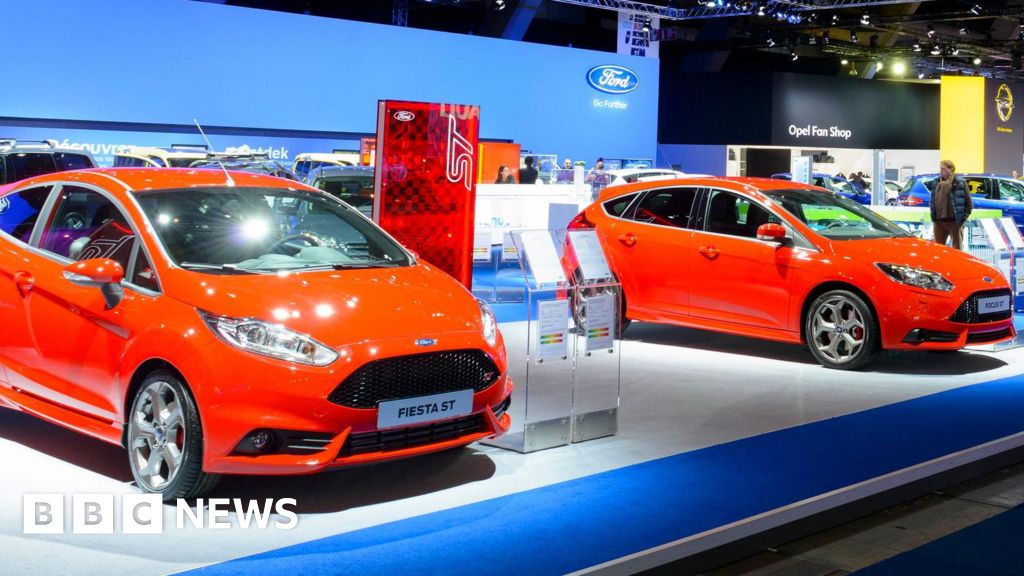
The company has announced plans to build seven new models in Europe including a small electric hatchback.
Source link


What to expect from "Survivor 50" finale
FTSE 100 up amid calmer bonds but oil rises again

Two Americans arrested at Japanese zoo

-

 Entertainment6 days ago
Conan O’Brien hat tricks as Oscar host
-

 Tech1 week ago
Could Contact-Tracing Apps Help With the Hantavirus? Not Really
-

 Fashion5 days ago
Italy’s Zegna Group’s Q1 growth boosted by strong organic performance
-

 Sports1 week ago
Bobby Cox, legendary Atlanta Braves manager who led 1995 World Series champions, dead at 84
-

 Entertainment1 week ago
Martin Short: Facing tragedy with joy
-

 Entertainment1 week ago
Tom Brady gets back at Kevin Hart during Netflix roast
-

 Sports1 week ago
Jacob Fatu unleashes vicious assault on Roman Reigns after World Heavyweight Championship loss at WWE Backlash
-

 Entertainment1 week ago
Martha Stewart: How to make an omelet