

Fashion
ICE cotton drops 1% on Middle East war, stronger US dollar

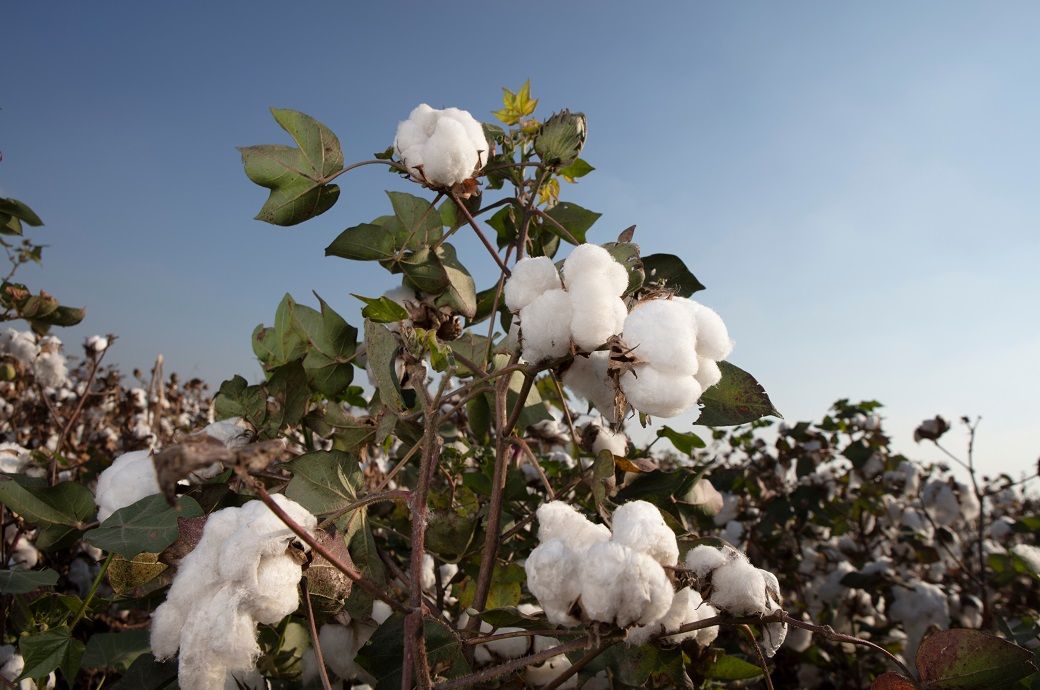
May 2026 cotton settled at 64.59 cents per pound, down 1.02 cents. This marked the lowest settlement price for May contract since February 20, effectively erasing all gains made over that period.
Cotton futures on Intercontinental Exchange (ICE) fell over 1 per cent, with May 2026 settling at 64.59 cents/lb, the lowest since Feb 20, amid Middle East tensions and a stronger US dollar.
Rising inventories and risk aversion pressured prices.
Speculators cut net shorts, while crude oil surged.
ICE cotton traded mixed in early Indian hours today.
Total trading volume for the session came in at 73,225 contracts. ICE-certified deliverable No. 2 cotton inventory rose to 126,178 bales as of February 26, up from 119,457 bales the previous trading day.
The US dollar climbed to its highest level in over a month, making dollar-denominated commodities like cotton more expensive for international buyers and reducing export demand.
Market analysts stated that the Middle East conflict is putting significant pressure on cotton and that a broader risk-aversion tone is affecting the market.
On March 2, Iran continued launching attacks on US military bases across multiple countries in the Middle East, with explosions reported in several locations. An advisor to the Iranian Islamic Revolutionary Guard Corps commander announced that the Strait of Hormuz had been closed, with Iran threatening to strike any vessels attempting to pass through it.
US President Trump indicated that military action against Iran could last four to five weeks, while also expressing readiness for operations to extend considerably longer.
Major Wall Street indices declined on Monday as the conflict raised fears of disrupted global trade routes and renewed inflationary pressures. Analysts warned that investors appear to be rebuilding short positions in cotton, suggesting continued downward price pressure in the near term. The earlier May contract low of 62.86 cents per pound as a key support level that could be tested again.
CFTC data released the prior Friday showed that speculators reduced their net short positions in ICE cotton futures and options by 26,508 contracts in the week ending February 24, bringing net shorts to 48,922 contracts.
International crude oil and natural gas prices surged sharply on Monday following US and Israeli strikes on Iran, with retaliatory actions forcing the closure of several energy facilities in the region.
This morning (Indian Standard Time), ICE cotton for May 2026 was traded at 64.75 cents per pound (up 0.16 cent), cash cotton at 62.59 cents (down 1.02 cent), the March 2026 contract at 62.59 cents ((down 1.02 cent)), the July 2026 contract at 66.75 cents (up 0.14 cent), the October 2026 contract at 68.18 cents (down 0.49 cent) and the December 2026 at 69.04 cents (up 0.12 cent). A few contracts remained at their previous closing levels, with no trading recorded so far today.
Fibre2Fashion News Desk (KUL)










China will step up building a higher-level China-Vietnam community with a shared future that carries strategic significance, Chinese President Xi Jinping said while holding talks with visiting Vietnamese President To Lam.
China and Vietnam are accelerating efforts to navigate bilateral trade towards a more balanced and sustainable course.
President Xi Jinping recently held talks with visiting Vietnamese President To Lam.
During the visit, Vietnamese Minister of Industry and Trade Le Manh Hung called for a restructuring of production, trade and supply chains alongside stronger investment cooperation.
Xi said both countries should work together in their modernisation drive, accelerate the alignment of development strategies and prioritise infrastructure connectivity.
While meeting Chinese Minister of Commerce Wang Wentao during the state visit, Vietnamese Minister of Industry and Trade Le Manh Hung called for a restructuring of production, trade and supply chains alongside stronger investment cooperation.
Wang said both sides should focus on implementing the high-level common perceptions, including raising bilateral trade turnover to $500 billion in future.
Hung urged China to expand imports of Vietnamese goods, broaden the list of products eligible for tariff preferences and further open its market. He also called for the mutual recognition of quarantine results for agro-forestry-fishery products, facilitation of Vietnamese exports via cross-border e-commerce, and expansion of Vietnam’s trade promotion offices across Chinese localities, according to a Vietnamese news agency.
China will continue to support Vietnam in setting up additional trade promotion offices, following those already established in Chongqing, Hangzhou and Haikou, Wang responded.
China also expressed readiness to support Vietnam’s stronger exports through cross-border e-commerce, encouraging greater visibility of the Vietnam National Pavilion on Chinese e-commerce platforms beyond JD.com to better promote Vietnamese products to Chinese consumers.
China has consistently been Vietnam’s largest trading partner and second-largest export market, while Vietnam continues to be China’s biggest trading partner in the Association of Southeast Asian Nations (ASEAN).
Fibre2Fashion News Desk (DS)
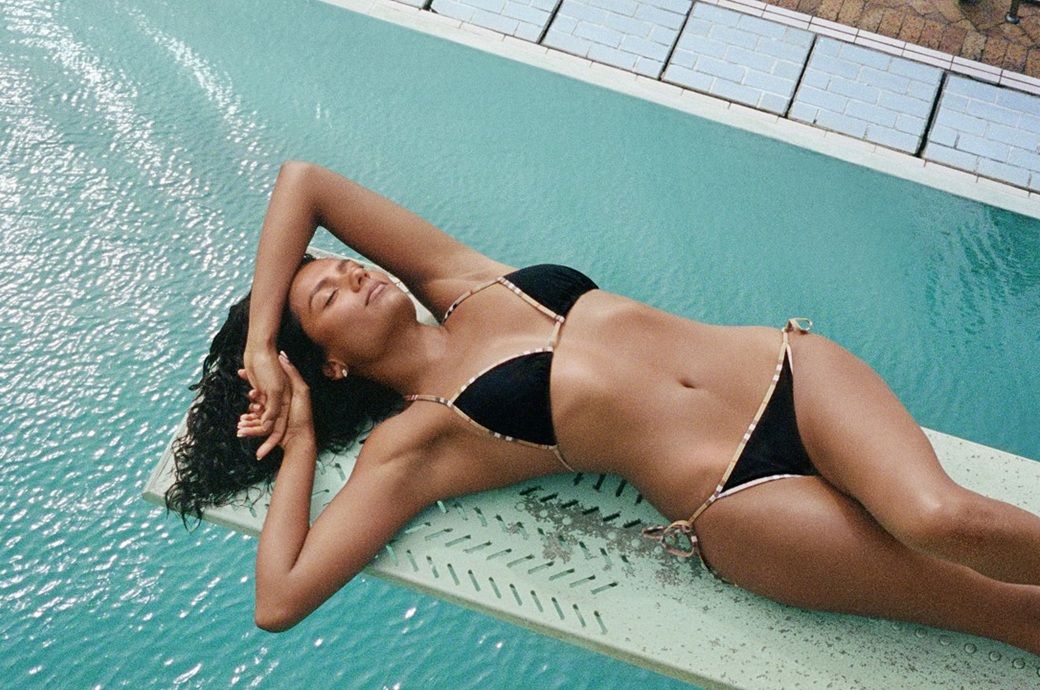
British actors Simone Ashley and Tom Blyth star alongside models Alva Claire, Babacar N’Doye and Sacha Quenby and a cast of synchronised swimmers and divers.
Burberry’s High Summer 2026 campaign captures Britain’s nostalgic lido culture through a sunlit film featuring Simone Ashley and Tom Blyth.
Blending heritage check with pastel tones, the collection spans swimwear, relaxed tailoring, raffia bags and lightweight layers, evoking effortless, poolside summer style.
Directed by Francis Plummer, the campaign reflects a warm, communal British summer mood.
The campaign film is directed by Francis Plummer and shot by photographer Ryan McGinley. The cameras move from loungers to diving boards, catching mid-air dives and friends stretched out in the hazy afternoon light. Before long, the best spots by the pool are claimed with a Burberry towel. Summer has begun. The film is underscored by the TONE remix of ‘Beating’ by Tirzah.
‘A lido holds a particular kind of nostalgia for the British. The moment the sun comes out, we make the most of the weather. We wanted to bring to life a warm summer’s day spent in and around the water’s edge with friends.’ said Daniel Lee Chief Creative Officer, Burberry.
Key styles
The High Summer 2026 collection features the Burberry Check in heritage-inspired sand beige and pastel shades of aubergine purple and cornflower blue.
The iconic Burberry Check bikini is the beach essential, alongside matching swimsuits and men’s swim shorts trimmed with check.
Poolside separates include tops, skirts and shirts cut from cotton voile, plus cover-up dresses woven with a tonal Burberry Check and deckchair-inspired stripes. Ruffled trims and ties at the neckline capture the floaty, effortless feel of the collection. Festival
tank tops in ribbed cotton jersey are trimmed with check straps, while looks are wrapped in lightweight wool silk scarves.
For men, collared shirts and shorts are tailored to relaxed lines and finished with fresh interpretations of the Burberry Check, from textural weaves to intricate embroidered designs. The co-ord set is crafted from lightweight cotton poplin printed with a playful seahorse pattern in honeysuckle pink.
The classic cotton piqué polo shirt comes in a spectrum of vivid and neutral colours. Burberry Check is subtly placed at the placket and trims the collar of T-shirts in soft cotton jersey.
Lightweight hooded jackets are ideal for cooler evenings and unexpected showers, the new-season designs woven in aubergine purple and cornflower blue check.
In shoes, the new Knight Runner sneakers offer a streamlined, low-profile shape for summer. Sandals are elevated in the form of the whipstitched leather Baez and check-trimmed suede Urchin styles, while Burberry Check slides and Pavilion sandals are made for the beach.
Lightweight Margate bags are handcrafted in Madagascar from locally sourced raffia palm leaves, dyed in signature sand beige Burberry Check. Accessories include crocheted bucket hats and wraparound sunglasses, designed to shield from the sun.
Note: The headline, insights, and image of this press release may have been refined by the Fibre2Fashion staff; the rest of the content remains unchanged.
Fibre2Fashion News Desk (JP)

Scams have grown more sophisticated, but people are fighting back

Netflix star targeted by imposters after suspicious social media activity

Everything to know about venue, guest list, dress, more

-

 Politics1 week ago
Indian airlines hit hardest after Dubai limits foreign flights until May 31
-

 Entertainment6 days ago
Palace left in shock as Prince William cancels grand ceremony
-

 Politics1 week ago
Chinese, Taiwanese will unite, Xi tells Taiwan opposition leader
-

 Sports6 days ago
The case for Man United’s Fernandes as Premier League’s best
-
 Business6 days ago
UK could adopt EU single market rules under new legislation
-
 Entertainment1 week ago
Dua Lipa hits major career high ahead of wedding with Callum Turner
-
 Business1 week ago
The FAA wants gamers to apply for air traffic control jobs
-
 Business1 week ago
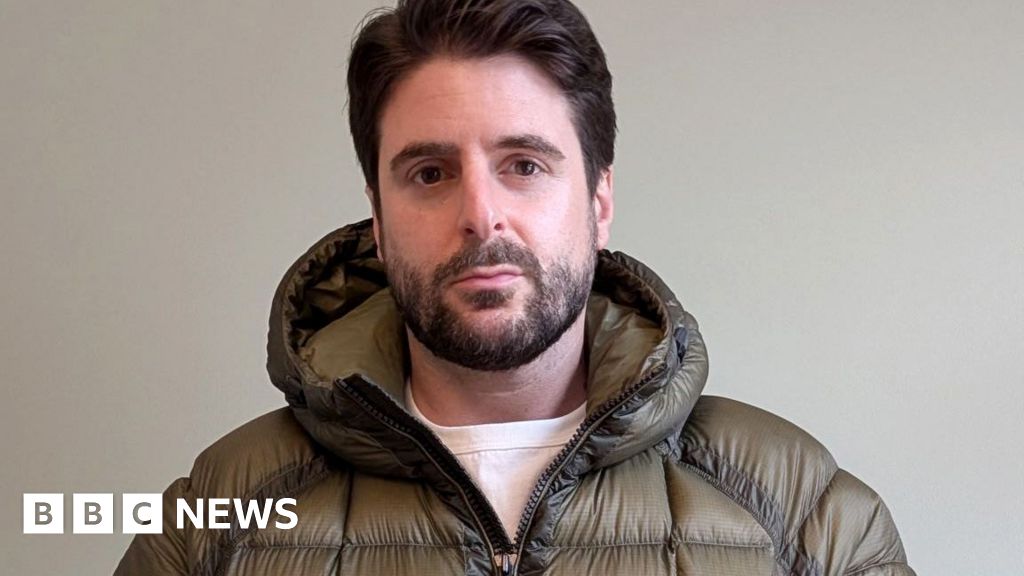
He paid $248 in illegal tariffs for this coat. Will he ever get it back?