

Business
Iran Conflict: Middle East tensions: Global insurers exit Iranian waters as conflict deepens – The Times of India

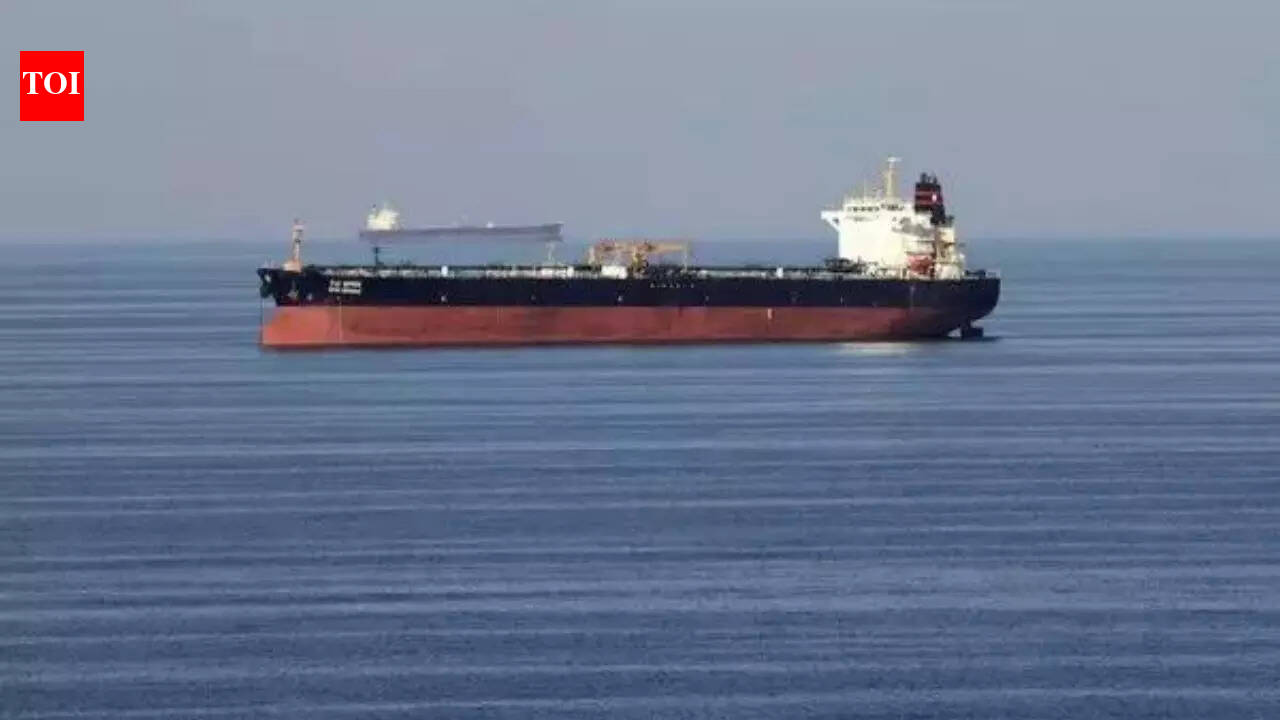
MUMBAI: India’s trade and energy supplies face fresh risks after reinsurers and Protection & Indemnity (P&I) clubs announced cancellation of war risk insurance for vessels transiting the Strait of Hormuz and Iranian waters, following an escalation in the Iran conflict. The cancellations, effective from this week, have left over 150 vessels stranded and disrupted a corridor that handles nearly one-fifth of global oil flows.P&I clubs are mutual, non-profit insurance associations owned by shipowners. They provide third-party liability cover through a pooled premium for risks such as cargo damage, pollution, crew injuries and collisions that are not covered under hull insurance. The clubs also provide legal support and dispute resolution across jurisdictions.“The industry is currently in a wait-and-watch mode, as much depends on how long the conflict persists. If it turns prolonged, insurers are likely to come together to create additional capacity for war-risk cover. Typically, there is an immediate surge in demand when hostilities break out, but that demand tends to ease quickly if the situation stabilises in a short span,” said Tapan Singhel, MD & CEO, Bajaj General Insurance.
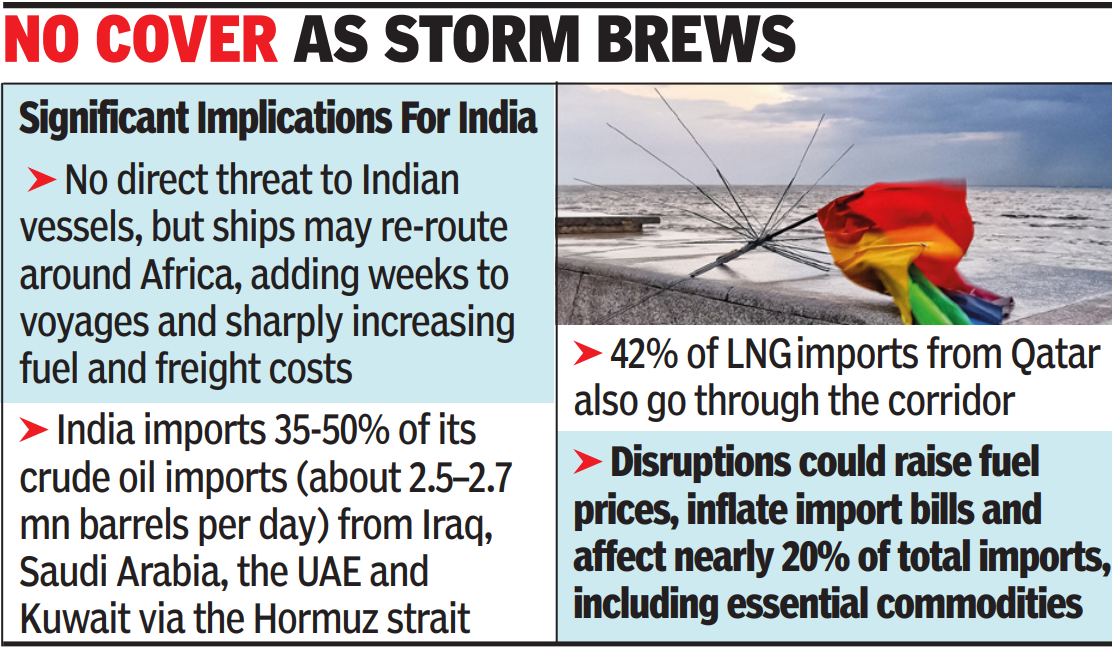
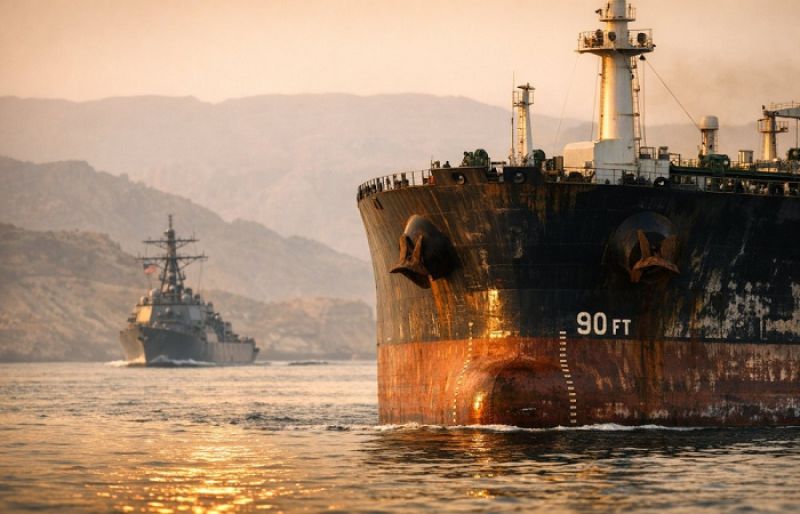
Brokers said that in the past when international reinsurers ceased to provide cover for some risks like terrorism the Indian market had provided the capacity by building an insurance pool where domestic companies come together and share the risks. However, this tie state-owned reinsurer GIC Re, which leads domestic marine pools, has itself issued cancellation notices for marine hull war risk covers effective March 3, 2026, mirroring global reinsurers and P&I clubs. The crisis has brought marine insurance centerstage, the share of this line of non-life had shrunk to around 2% of industry premium as risks ebbed due to containarisation and more safety in transport. The size of the premium also determines the capacity of the industry to provide large covers.Their role is central to global shipping. Without P&I cover, shipowners face potentially unlimited liabilities in the event of accidents, pollution or war-related damage. In high-risk zones, the absence of insurance effectively halts voyages, as operators are unwilling to expose vessels to uninsured losses. In previous crises in the Red Sea, war risk exclusions by insurers sharply curtailed traffic and drove up freight rates.In the current episode, major P&I clubs and reinsurers have issued notices cancelling war risk cover for Iranian waters, the Persian Gulf and the Strait of Hormuz, citing tanker damage, casualties and threats from Iranian forces. Reports of VHF warnings and GPS disruptions have added to concerns. Insurers have invoked standard cancellation clauses following US and Israeli strikes on Iran, with broader policy implications if the conflict further widens.Fresh war risk cover may be available, but at sharply higher premiums. Rates that were around 0.25% of vessel value have surged multiple times, rendering transits commercially unviable for many operators. Even where cover is available, shipowners remain wary of risks such as seizures or missile strikes.



Now one of the biggest sportswear firms, Anta’s rise follows a playbook adopted by many Chinese giants.
Source link
Business
Gold price prediction today: Will gold prices continue to be volatile? Key levels to watch out for April 27, 2026 week – The Times of India

Gold price prediction today: Gold prices will closely track movements on the rate decisions by several central banks, including the US Federal Reserve, this week, says Manav Modi, Senior Analyst, Commodity Research at Motilal Oswal Financial Services Ltd.Gold is currently consolidating after sharp swings in a broad range, indicating a pause rather than a reversal. Price action shows a higher-high structure intact, but the recent sideways movement suggests indecision near the upper supply zone around 158,000–160,000. The formation resembles a short-term flag/triangle continuation pattern, where a breakout on either side will define the next directional move. Volume has tapered slightly, reinforcing the consolidation narrative.Gold prices recently moved from the upper band toward the mid-band (20 DMA), and are now attempting to stabilize. The bands have started to contract, signaling a potential volatility expansion ahead. Sustaining above the mid-band (~150,500–151,000 zone) keeps bullish bias intact, while a breakdown below this could trigger a deeper mean reversion toward the lower band.For the week, immediate support for gold prices is placed at around Rs 150,500, which is followed by stronger support near Rs 148,500. On the upside, the resistance stands at around Rs 155,500, and after that the key supply zone is at Rs 158,000. A decisive close for gold above Rs 158,000 levels can then resume the broader uptrend. However, a break in gold prices below levels of Rs 148,500 may shift the momentum to bearish in the near term.The economic docket is filled with data points and events this week as the focus will be on FED, BOJ, ECB and ECB policy meetings. US consumer confidence, GDP, inflation and durable goods orders data will also be in radar.(Disclaimer: Recommendations and views on the stock market, other asset classes or personal finance management tips given by experts are their own. These opinions do not represent the views of The Times of India)

British families tell BBC Panorama how the Iran war is affecting their monthly budgets.
Source link


SBP raises policy rate by 100bps to 11.5% as inflation risks mount

Finalise Bangladesh’s textile-RMG circular economy strategy: Experts

Prince Harry faces unseen threat to Archie, Lilibet: Can’t escape

-

 Sports1 week ago
WWE WrestleMania 42 Night 2: Live match results and analysis
-

 Sports1 week ago
NCAA men’s gymnastics championship: All-time winners list
-

 Fashion1 week ago
UK’s Sosandar returns to profitability amid robust FY26 performance
-

 Politics6 days ago
UK’s Starmer seeks to deflect blame over Mandelson appointment
-
 Business7 days ago
How Trump’s psychedelics executive order could unlock stalled cannabis reform
-

 Entertainment7 days ago
Lee Anderson, Zarah Sultana kicked out of UK Parliament for calling PM ‘liar’
-
 Business1 week ago
No fuel shortage: Govt assures 100% domestic LPG, PNG, CNG supply amid Hormuz energy crunch – The Times of India
-
 Business6 days ago
Us-India Trade Talks: US–India trade deal: Where do talks stand & what to expect – explained – The Times of India