

Business
Spirit Airlines files for Chapter 11 bankruptcy protection for the second time in a year


A Spirit Airlines Airbus A320 taxis at Los Angeles International Airport after arriving from Boston on September 1, 2024 in Los Angeles, California.
Kevin Carter | Getty Images News | Getty Images
Spirit Airlines on Friday filed for bankruptcy protection for the second time in a year, just months after the country’s largest budget carrier failed find to sturdy financial footing when it came out of Chapter 11 protection in March.
Spirit debtholders agreed in the airline’s previous bankruptcy to exchange $795 million in debt for equity, but the carrier avoided bigger changes to cut costs, like getting rid of planes or more dramatically shrinking its footprint.
Spirit now says it will reduce its network and shrink its fleet, cuts that it said will reduce costs by “hundreds of millions of dollars” a year.
“Since emerging from our previous restructuring, which was targeted exclusively on reducing Spirit’s funded debt and raising equity capital, it has become clear that there is much more work to be done and many more tools are available to best position Spirit for the future,” Spirit CEO Dave Davis said in a news release on Friday.
The carrier sought to reassure customers that they can continue to book and fly on Spirit after its bankruptcy filing.
“Virtually every major U.S. airline has used these tools to improve their businesses and position them for long-term success,” Spirit posted on its Instagram account on Friday, written in white against a black background, uncharacteristic for the carrier that is usually featuring its bright-yellow planes and tropical beaches.
Dashed hopes
Spirit, known for its bright yellow planes, had expected to come out stronger from its previous bankruptcy, which it entered in November and emerged from in March. But the airline was dragged down by continued high costs and weaker U.S. domestic travel demand.
In a court filing in December, Spirit had forecast a net profit of $252 million this year. But earlier this month, it said it instead lost nearly $257 million since March 13, after it exited Chapter 11, through the end of June.
Spirit warned a few weeks ago that it might not be able to survive a year unless it significantly increased its cash. It also said its credit card processor was seeking additional collateral. It then borrowed the entire $275 million available under its revolving credit facility and said that the card processor could hold back up to $3 million a day from the airline.
Spirit’s shares are down 72% over the past month.
Labor cuts
Labor unions warned pilots and flight attendants earlier this month that more changes could be ahead. Hundreds of flight attendants are already on voluntary leave, and Spirit has planned to furlough hundreds of pilots this year to cut costs.
“This bankruptcy will be harder and look different than last year, but we will keep you closely informed and stick together as we move forward,” the Association of Flight Attendants-CWA told the carrier’s flight attendants on Friday after Spirit’s filing.
It said it expects more leaves will be offered. “As we communicated a few weeks ago, we urge you to take an honest look at your personal situation, examine all your options, and prepare for all possible scenarios,” the union said.
Rivals circle
Spirit had struggled for years as it dealt with a glut of U.S. flights, a Pratt & Whitney engine recall and a failed takeover by JetBlue Airways, a deal that was blocked in court.
Spirit’s aircraft lessors had reached out to rival airlines in recent weeks to gauge executives’ interest in some of the carrier’s planes, according to people familiar with the matter, who spoke on the condition of anonymity because the talks were private.
The carrier is the United States’ largest budget airline, followed closely by rival Frontier Airlines, which has tried and failed to merge with Spirit repeatedly since 2022.
Frontier on Tuesday announced 20 new routes that compete with Spirit to win over its struggling competitor’s customers.
Spirit has been an icon of budget travel and its bare-bones service — and fees for bags and everything else — became a favorite punchline for comedians.
Over the years, larger airlines like American and United rolled out their own basic fares for price-sensitive customers, but with more perks on board like snacks and big global networks where loyalty members could use their miles for more destinations.
Another challenge was that many travelers, especially post-pandemic, have sought out pricier and more spacious seats on board, as well as more international travel. Spirit has tried to rebrand to bundle fares and provide more premium seating options, though competitors have still said they have an advantage in part because they have bigger networks and more brand loyalty.


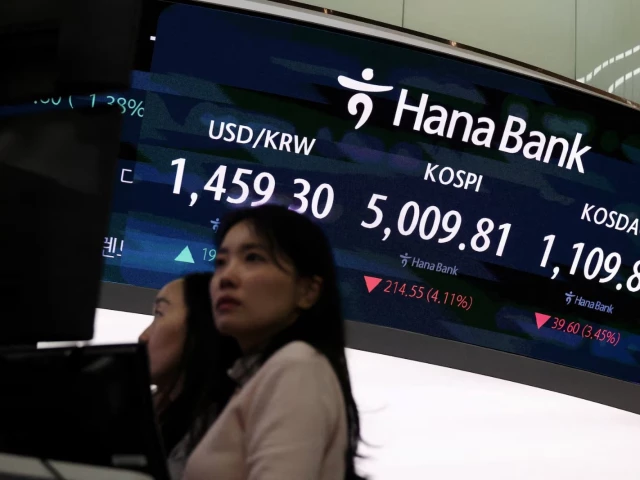
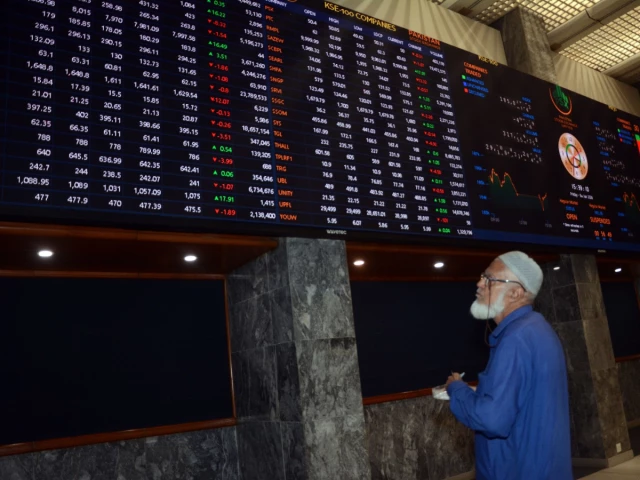
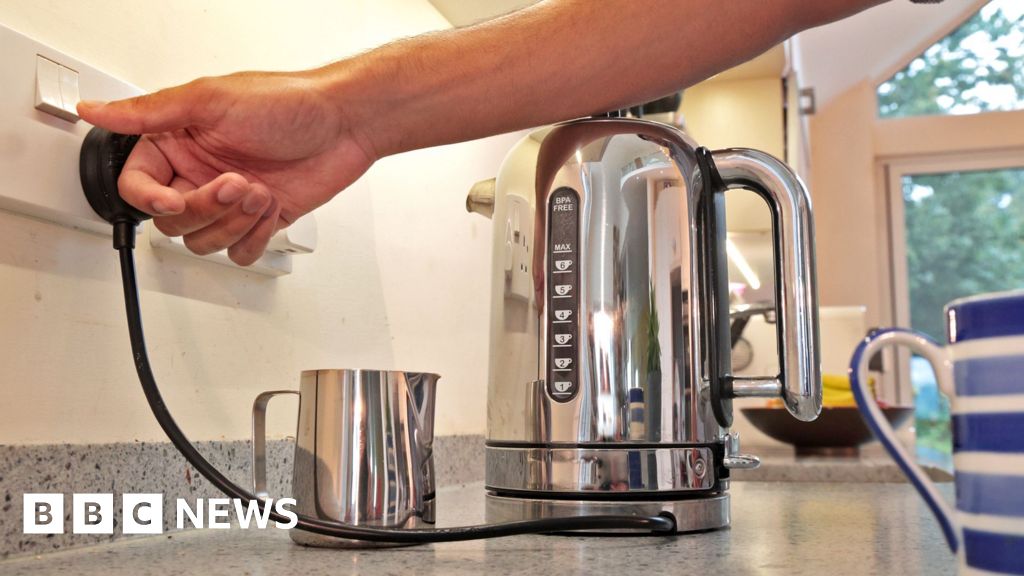
The war in the Middle East has brought renewed attention to Britain’s vulnerability to energy price shocks.
Source link
Business
Gadkari urges shift to 100% ethanol blending, flags energy security and import risks – The Times of India
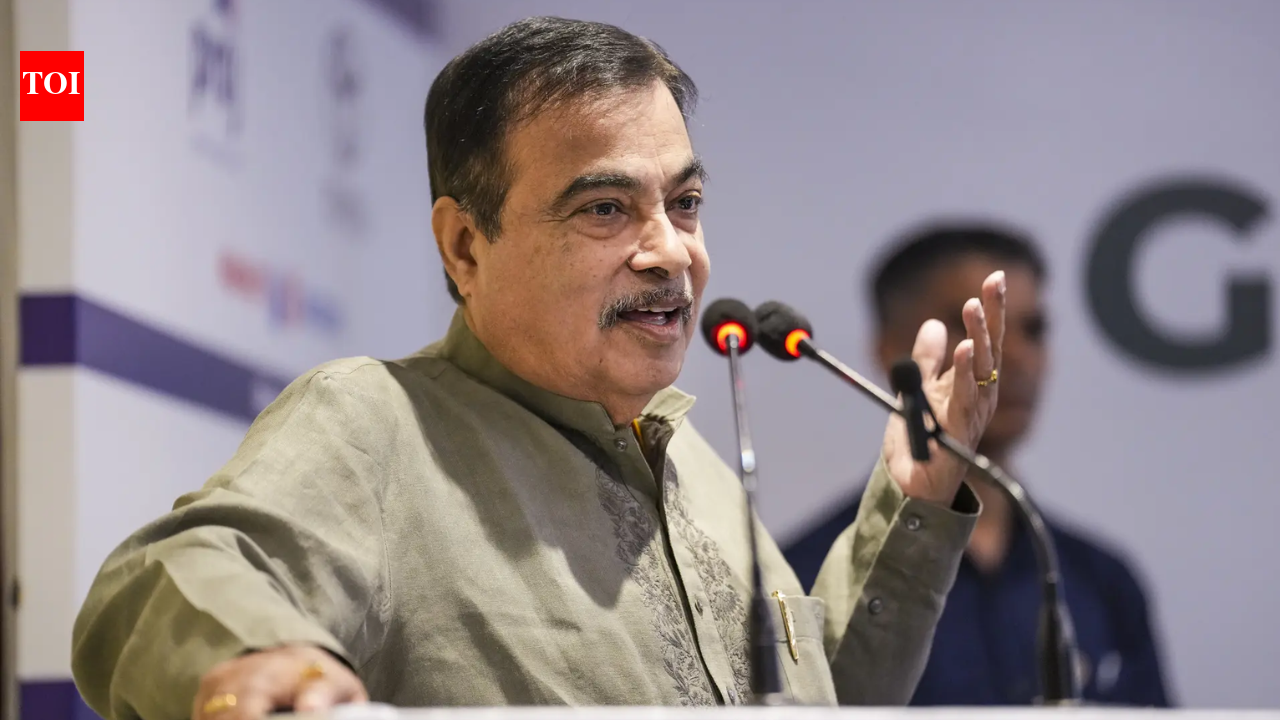
India should aim for 100 per cent ethanol blending in the near future to strengthen energy self-reliance, road transport and highways minister Nitin Gadkari said on Tuesday. He said that vulnerabilities in oil supplies due to the ongoing crisis in West Asia have made it essential for the country to reduce dependence on imports.Speaking at the Indian Federation of Green Energy’s Green Transport Conclave, Gadkari said, “In the near future, India should aspire to achieve 100 per cent ethanol blending… Today, we are facing an energy crisis due to the war in West Asia, so it is necessary for us to become self-reliant in the energy sector,” as quoted by PTI.India currently allows vehicles to run on E20 petrol, which contains 20 per cent ethanol, with minor engine modifications to avoid corrosion and related issues. In 2023, PM Modi launched petrol blended with 20 per cent ethanol. Countries such as Brazil have already achieved 100 per cent ethanol blending.Gadkari noted that India imports 87 per cent of its oil requirements, adding, “We import fossil fuels worth Rs 22 lakh crore, which is also causing pollution… so we need to work on increasing production of alternative fuel and bio-fuel.”On future energy solutions, he stressed the importance of green hydrogen but pointed out challenges in cost and transport. “Transport of hydrogen fuel is a problem. Also, we need to produce 1 kg of hydrogen at $1 dollar, to make India an exporter of energy,” he said, adding that hydrogen production from waste should be explored.The minister also emphasised the role of a circular economy in generating employment opportunities. While calling for reduced reliance on petrol and diesel vehicles, he clarified, “But we can not force people to stop buying petrol and diesel vehicles.”Addressing concerns about E20 fuel, Gadkari said the petroleum sector is lobbying against the move. He also urged automobile manufacturers to prioritise quality over cost to expand into new markets.Last year, Gadkari dismissed criticism against E20 (ethanol-blended petrol), saying a “paid” social media campaign is being run to “target me politically.” He said Society of Indian Automobile Manufacturers and Automotive Research Association of India have shared their findings on ethanol blending in petrol. He added that India’s ethanol programme has benefited farmers, noting that ethanol made from maize has helped them get better prices and led to gains of Rs 45,000 crore.

One petrol retailer says he is experiencing about five drive-offs a week at each forecourt, costing him thousands.
Source link


Matarazzo celebrates Real Sociedad Copa title: ‘Just the beginning’

Germany firms raise investment plans, uncertainty persists: ifo

Nearly 8,000 people died or disappeared trying to migrate in 2025

-

 Fashion5 days ago
France’s LVMH Q1 revenue falls 6%, shows resilience amid Iran war
-

 Sports1 week ago
The case for Man United’s Fernandes as Premier League’s best
-

 Entertainment1 week ago
Palace left in shock as Prince William cancels grand ceremony
-
 Business1 week ago
UK could adopt EU single market rules under new legislation
-

 Entertainment6 days ago
Is Claude down? Here’s why users are seeing errors
-

 Fashion1 week ago
Energy emerges as biggest cost driver in textile margins
-
 Business1 week ago
Delta Air Lines unveils first new Delta One suite in premium cabin arms race
-

 Fashion1 week ago
Asia claims largest share of markets on Kearney FDI Confidence Index