

Politics
Maduro case to test US narcoterrorism law with limited trial success

- Witness credibility looms large in the case.
- Two of three trial convictions have been overturned.
- Cocaine importation conspiracy among Maduro’s charges.
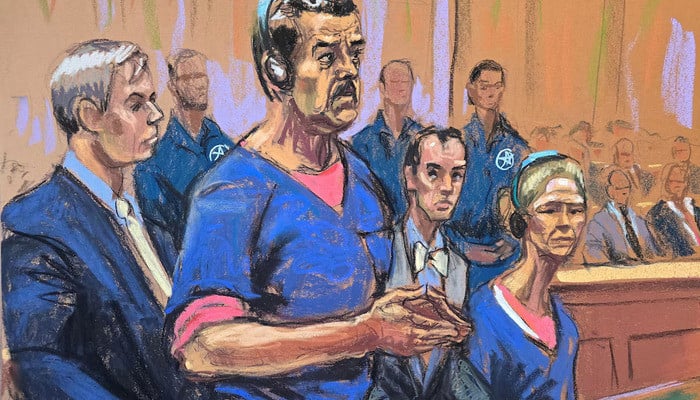
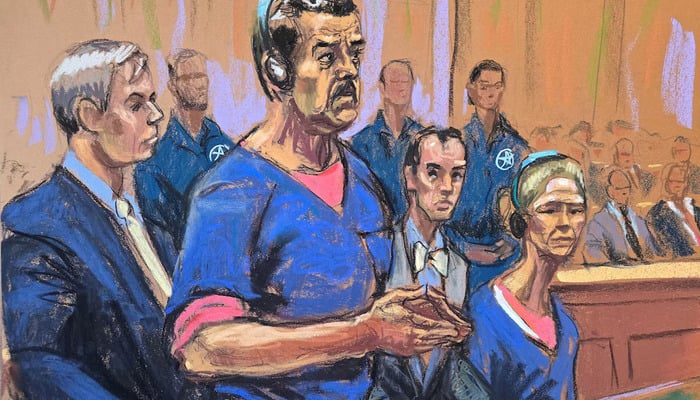
Ousted Venezuelan President Nicolás Maduro returns to a US court on Thursday on criminal charges including narcoterrorism, a statute that has rarely been tested at trial and has a limited record of success.
Maduro, 63, led Venezuela from 2013 through his capture in Caracas by US special forces on January 3. He pleaded not guilty on January 5 to all US charges against him.
The 2006 statute at issue, enacted to target drug trafficking tied to activities the United States considers terrorism, has produced just four trial convictions, a Reuters review of federal court records shows — and two were later overturned over issues stemming from witness credibility.
The mixed record highlights what could be a central challenge for prosecutors in the Maduro case: persuading jurors that evidence from cooperating insiders credibly establishes a knowing link between alleged drug crimes and terrorism.
“The lesson of these two cases is not that the narcoterrorism statute is unworkable,” said Alamdar Hamdani, a partner at law firm Bracewell and former US Attorney in Houston.
“It is that the statute’s most demanding element — proving the defendant’s knowledge of the terrorism nexus — requires a quality of evidence and a standard of prosecutorial diligence that leaves no room for institutional gaps, name-spelling errors, or uncritical acceptance of what your witnesses tell you,” he said.
Prosecutors have yet to disclose who will testify against Maduro. But one former Venezuelan general indicted alongside Maduro has told Reuters he is willing to cooperate.
Maduro accused of helping Colombian rebels
Congress created the narcoterrorism statute 20 years ago to target drug traffickers who finance activities the United States considers terrorism. Since then, 83 people, including Maduro, have been charged with violating it. Thirty-one pleaded guilty to narcoterrorism or lesser charges, eight are awaiting trial, and dozens are not in US custody, according to the review.
The conviction reversals do not affect Maduro’s case, and defendants in those cases faced additional charges that were not overturned. Maduro also faces three other counts, including cocaine importation conspiracy.
Maduro, a socialist, is accused of leading a conspiracy in which officials in his government helped move cocaine through Venezuela in collaboration with traffickers including the Revolutionary Armed Forces of Colombia (FARC), which the US labeled a terrorist organisation from 1997 to 2021. Maduro and his fellow indicted officials have always denied wrongdoing, saying the US charges are part of an imperialist conspiracy to harm Venezuela.
His lawyer, Barry Pollack, did not respond to requests for comment about the narcoterrorism law’s trial record or possible witnesses against Maduro.
A spokesman for the Manhattan US Attorney’s office declined to comment on the same subjects.
Law defines terrorism broadly
Narcoterrorism carries a 20-year mandatory minimum sentence, twice the minimum penalty for ordinary drug trafficking. Both can result in life imprisonment.
The narcoterrorism law defines terrorism as premeditated, politically motivated violence against non-combatants.
“If you take the legal definition of terrorism and terrorist activity, you can paint a pretty broad brush with the kind of activity we’re talking about,” said Shane Stansbury, a professor at Duke University School of Law and former federal prosecutor.
To convict Maduro, prosecutors must show that he knew the drug trafficking he allegedly facilitated resulted in a financial benefit for a group that engaged in activities the United States considered terrorism, even if he had other aims.
“It doesn’t have to be the motivation,” said Artie McConnell, a former federal prosecutor and current partner at law firm BakerHostetler.
In the first narcoterrorism trial in 2008, an Afghan man with alleged ties to the Taliban was convicted of helping a Drug Enforcement Administration informant buy opium and heroin. But in 2021, a judge threw out the narcoterrorism count after an appeals court ruled his lawyer failed to adequately challenge the only witness tying him to the Taliban.
In another case, a jury deadlocked in the 2011 trial of an accused Afghan trafficker. He was convicted at a second trial in 2012, but the narcoterrorism count was thrown out in 2015 after prosecutors acknowledged that a US government agency considered the cooperating witness who linked him to the Taliban a “fabricator.”
The 2015 narcoterrorism trial conviction of a Colombian man for trying to ship cocaine for the FARC and attempting to buy weapons for the group has been upheld.
A fourth narcoterrorism trial resulted in a guilty verdict earlier this week.
Case could rely on cooperating witnesses
Legal experts say the government’s case against Maduro could include testimony from two former Venezuelan generals indicted alongside him in 2020: Cliver Alcalá and Hugo Carvajal. Both have pleaded guilty to charges linked to their dealings with the FARC, but neither agreed to cooperate at the time of their pleas.
In a telephone interview from federal prison in Cumberland, Maryland, Alcalá said he was willing to cooperate. But he said prosecutors had previously insisted that he admit to involvement in drug trafficking, which he denies, as a condition for cooperation.
“I cannot, in order to reduce my sentence, declare myself to be a drug trafficker when I am not,” he said.
Alcalá retired from Venezuela’s military shortly after Maduro took office in 2013. He later became an outspoken critic of Maduro’s government.
Asked whether the charges against Maduro were true, Alcalá said he thought there was “some basis” and said he believed Maduro had ties to a drug trafficker jailed in Caracas. He did not offer specifics.
Alcalá, 64, is serving a nearly 22-year prison sentence after pleading guilty in 2023 to providing material support to the FARC. In court, he admitted supplying the group with weapons — which he says he did under orders from former Venezuelan President Hugo Chavez — but denied helping traffickers move cocaine.
Carvajal’s sentencing is scheduled for April 16. His lawyer declined to comment on whether he would cooperate with prosecutors.
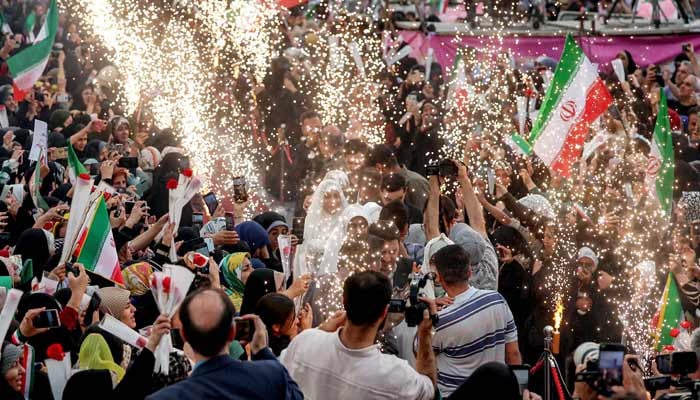
Iranian authorities held mass public weddings in Tehran for couples who signed up to a state-sponsored scheme declaring their readiness to sacrifice their lives in the war against the US and Israel.
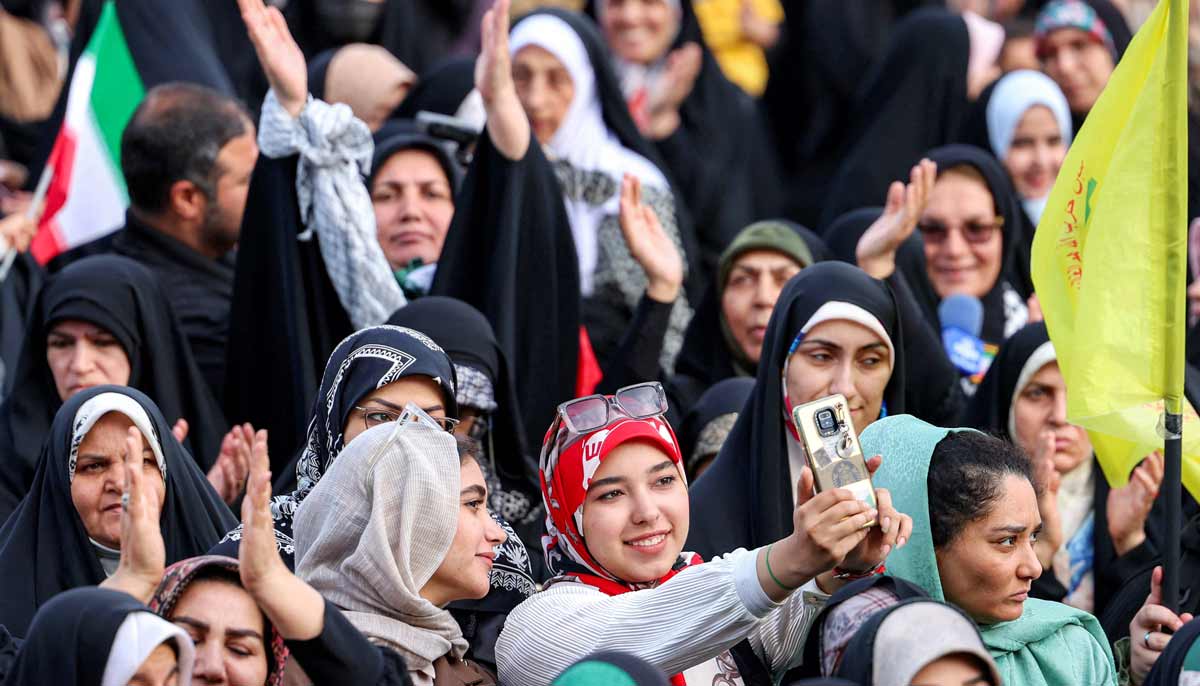
The ceremonies conducted late on Monday involved hundreds of couples in several major squares in the capital, including more than 100 in the vast Imam Hossein square in central Tehran, according to reports in Iranian media.
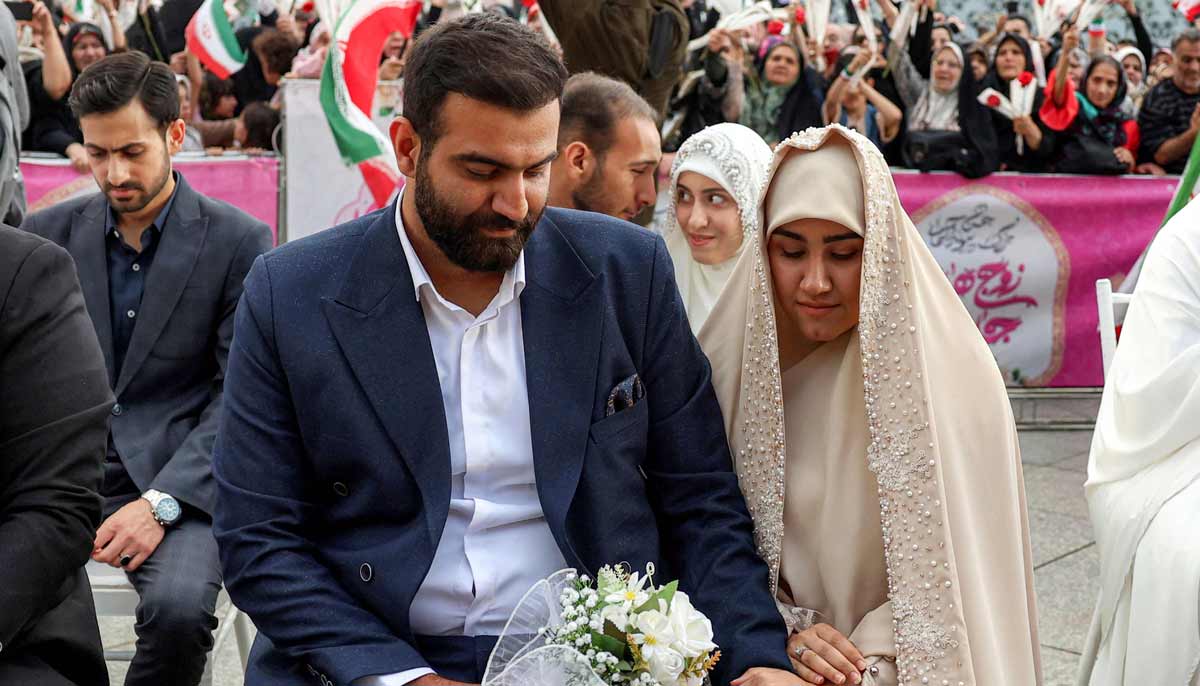
They were broadcast on state TV in a bid to boost wartime morale, with US President Donald Trump repeatedly threatening new military action against Iran amid a shaky ceasefire which halted the fighting that began on February 28.
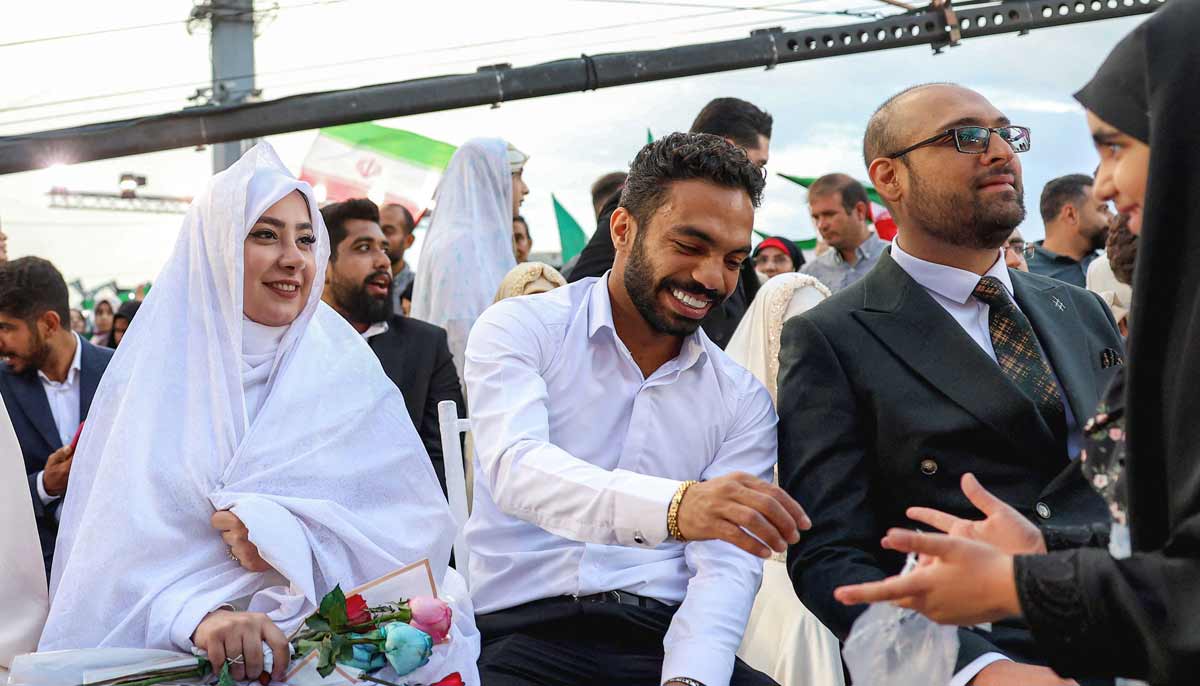
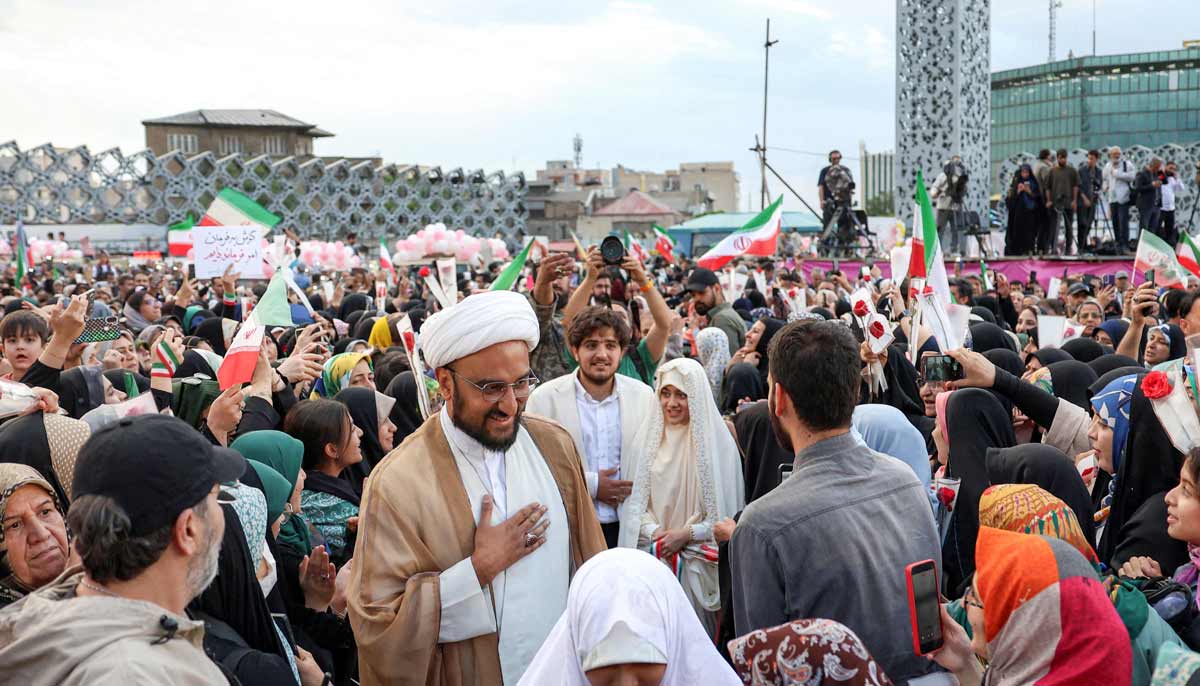
Those involved had signed up, according to Iranian media, for the “self-sacrifice” scheme (janfada in Persian) where people pledged to put their lives on the line in the war by, for example, forming human chains outside power stations.
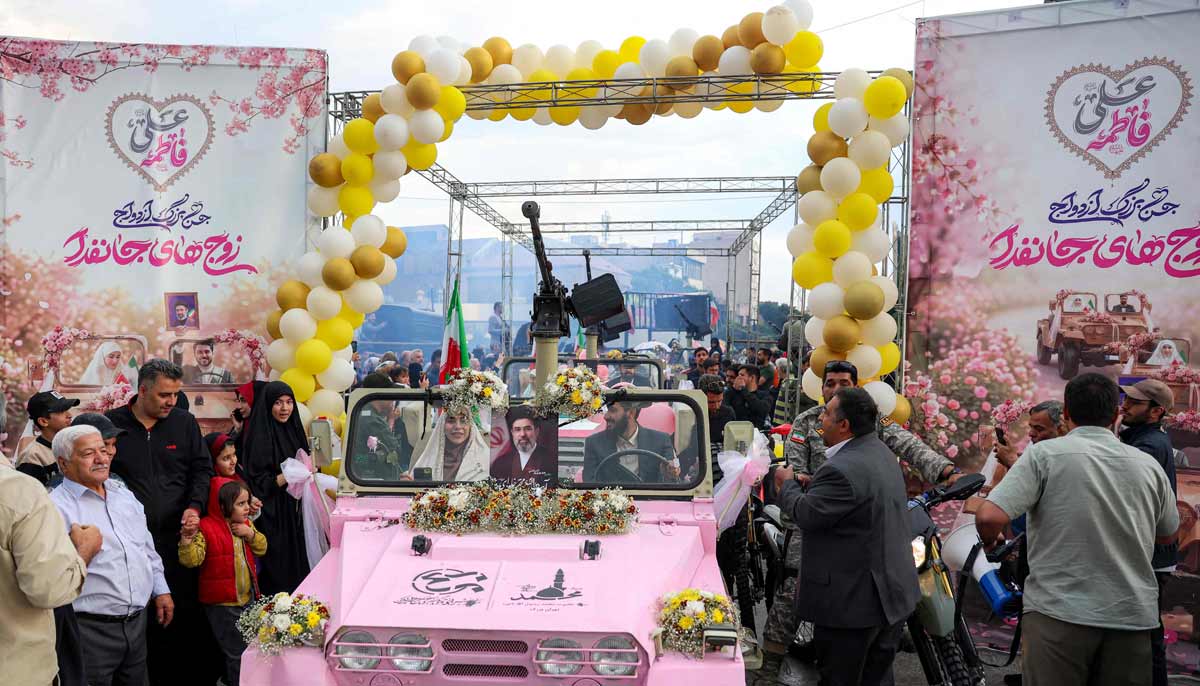
Iranian authorities say millions of people, including top figures such as speaker of parliament Mohammad Bagher Ghalibaf and President Masoud Pezeshkian, have put their names forward.
Couples arrived at the Imam Hossein square in military jeeps with mounted machine guns and were married on a stage in a ceremony presided over by a cleric, AFP images showed.
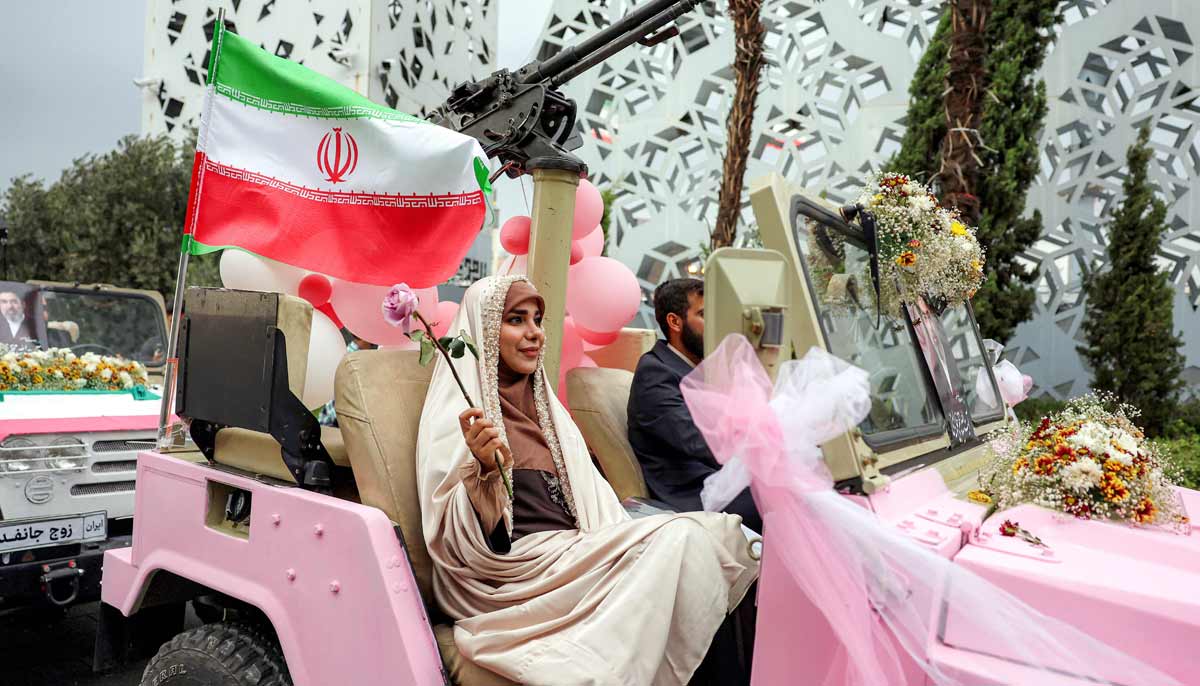
The stage was festooned with balloons and with a giant image of Supreme Leader Mojtaba Khamenei.
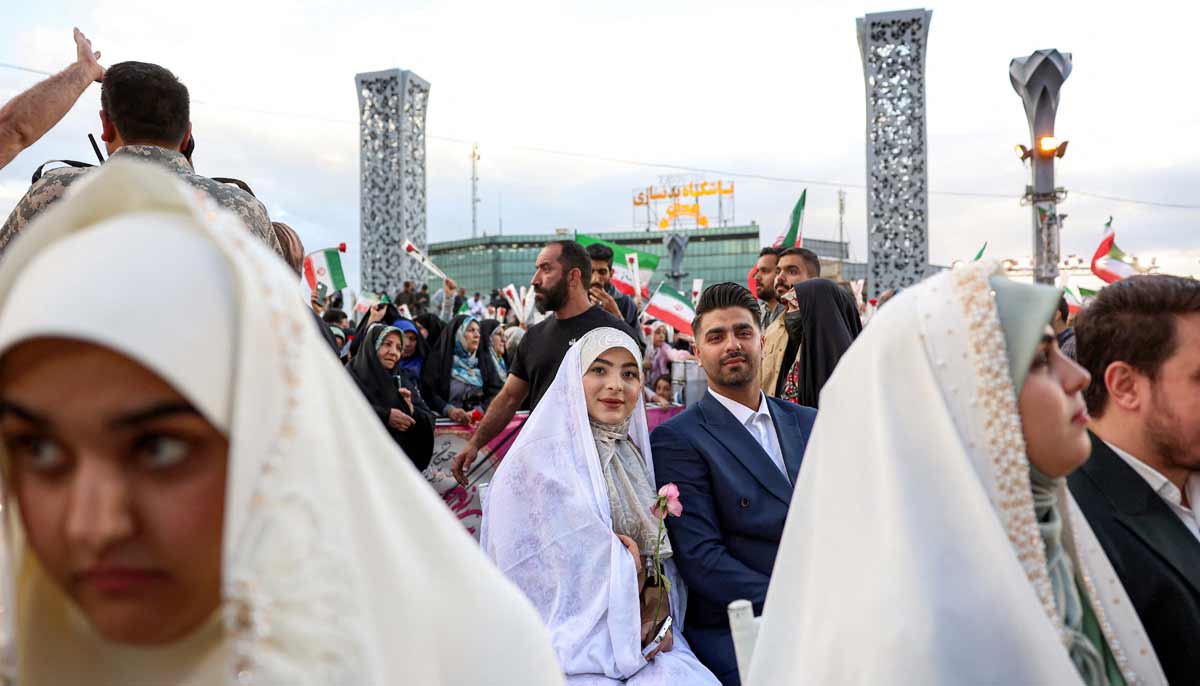
“Certainly, the country is at war, but young people also have the right to marry,” one young woman in a white Islamic bridal dress, who was not named, said beside her groom in footage published by the Mehr news agency.
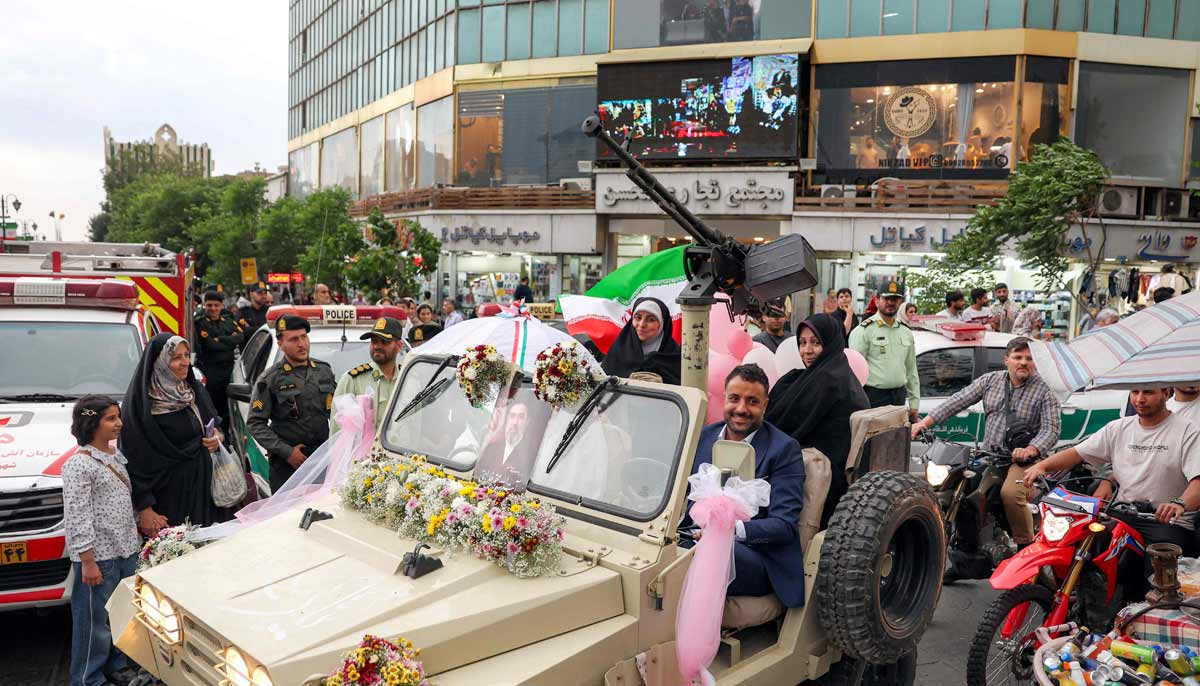
A man in a dark suit, beside his bride-to-be, said they were happy the occasion marked the anniversary of the marriage of Hazrat Ali (RA) to Hazrat Fatima, the daughter of the Prophet Muhammad (PBUH).
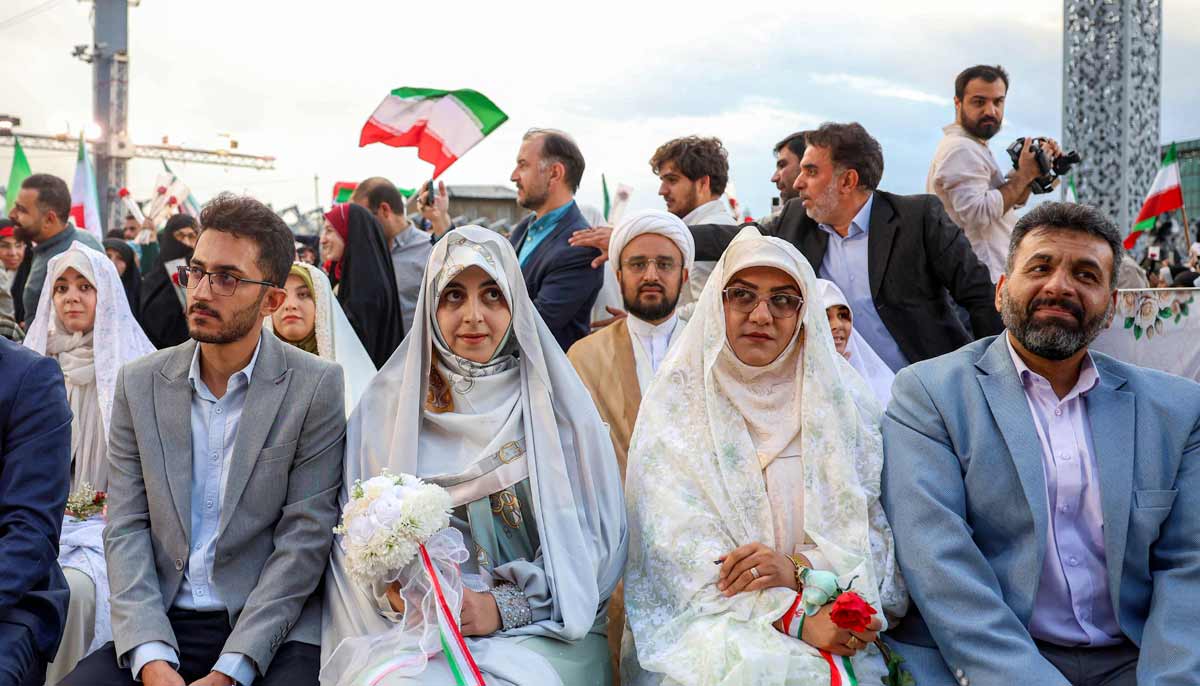
“We received their blessings. Furthermore, we came to offer our best wishes to the people in the streets,” he said.
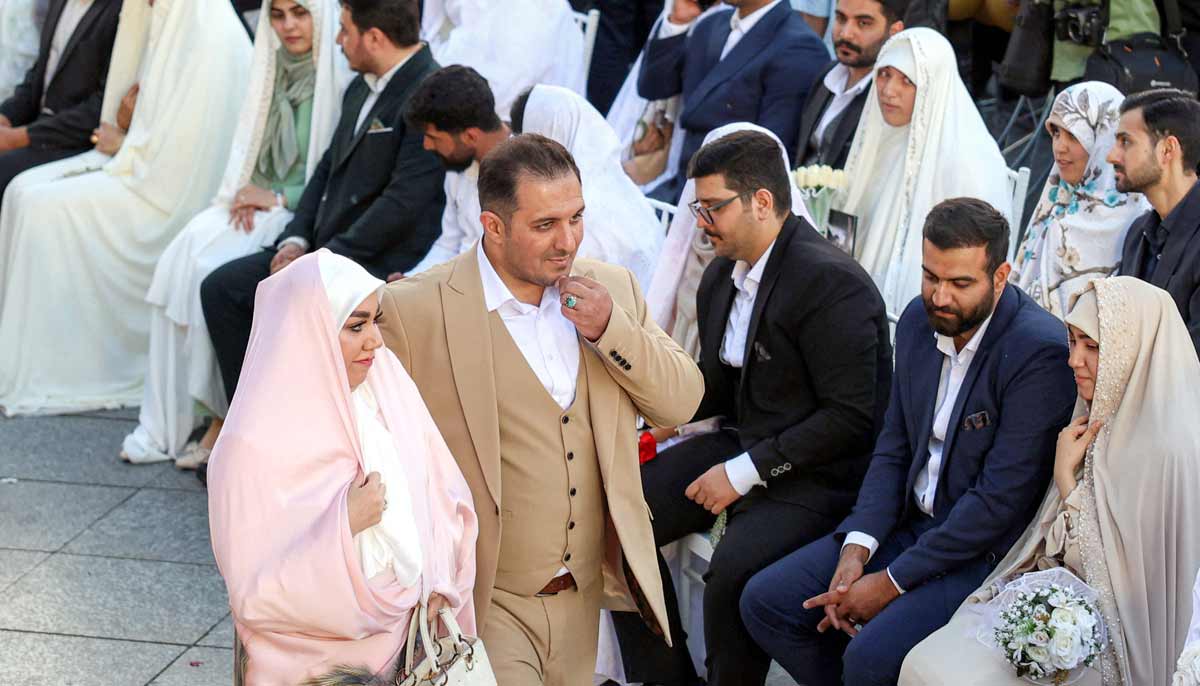
Mehr said 110 couples had taken part in the Imam Hossein square ceremony alone. The AFP images showed crowds of well-wishers clasping roses and watching on.
- Two-decade worship arrangement ended.
- Muslim side plans Supreme Court challenge.
- Critics warn of a grave threat.
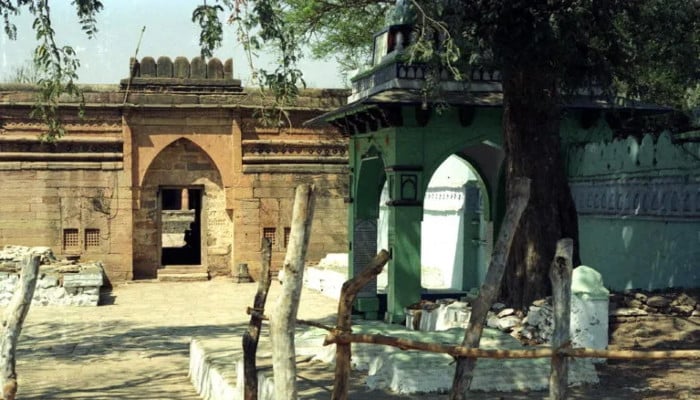
Muslims will no longer be able to offer Friday prayer at a disputed mosque-temple complex in India’s Madhya Pradesh after a court declared the site a Hindu temple and authorities allowed daily Hindu worship there.
An Indian court ruling has ended a two-decade worship arrangement at the Bhojshala-Kamal Maula mosque complex, with the Archaeological Survey of India (ASI) allowing daily Hindu prayers after the site was declared a temple.
The Indore bench of the Madhya Pradesh High Court ruled that the complex in Dhar district was a temple dedicated to goddess Vagdevi, also known as Saraswati, Indian media reported.
Following the ruling, the ASI issued a May 16 order allowing Hindu devotees unrestricted daily worship rights at the site. The order superseded previous directives, including a 2003 arrangement under which Hindus were allowed to worship on Tuesdays and Muslims were allowed to offer Friday prayer.
Advocate Vishnu Shankar Jain, who represented the Hindu petitioners, said Hindus could now visit and worship at the complex “without any restriction”.
The ASI said the site would remain a protected monument under the Ancient Monuments and Archaeological Sites and Remains Act, 1958, while worship timings would be determined by the superintending archaeologist in consultation with the district administration.
The court relied on a 2024 ASI report which said the Bhojshala-Kamal Maula mosque complex was constructed using remnants of earlier temples, with the mosque built centuries later, according to Indian media.
The court also said the Muslim side could approach the state government for land at an alternative site in Dhar district to build a mosque. Dhar city Qazi Waqar Sadiq indicated that the Muslim petitioners would approach the Supreme Court, adding that the Muslim community had no intention of accepting alternative land.
The protected monument has long been contested, with Hindu groups claiming it is a temple dedicated to Saraswati and Muslims maintaining that it is the Kamal Maula mosque.
According to Al Jazeera, the ruling has placed the mosque out of bounds for Muslims in Dhar, where it had been used for prayer for decades.
The decision has drawn criticism from Muslim-side lawyers, historians and politicians, who argue that it threatens protections for Muslim places of worship in India. Lawyer Ashhar Warsi, who argued from the Muslim side, called the verdict “an erroneous judgement” and “a clear violation of the established rule of law”.
Asaduddin Owaisi, a five-time member of parliament, told Al Jazeera that the ruling sent a message of “grave threat” to Muslim places of worship in India. He also said the Babri judgement had “opened the floodgates” for similar claims.
Al Jazeera also quoted historian Audrey Truschke as saying the current trend of targeting mosques in India was part of the “entrenched Islamophobia of Hindu nationalism”.
The dispute comes amid a wider Hindutva push targeting medieval mosques and Islamic-era monuments in India, with campaigners claiming that they were built over Hindu temples. Such claims have gained momentum since Prime Minister Narendra Modi came to power in 2014.
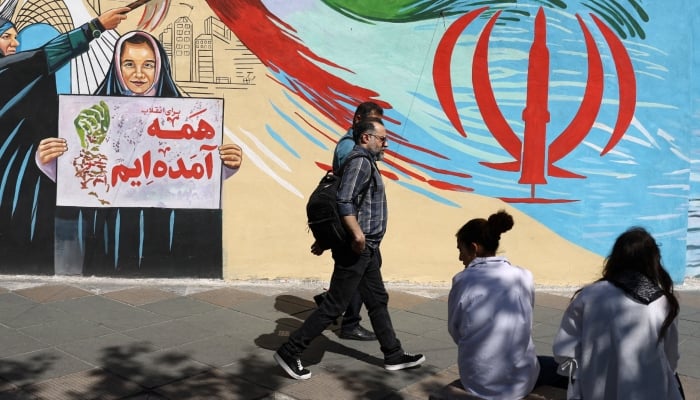
- US shows some flexibility on frozen funds, nuclear activity: sources.
- Adds Washington denies oil sanctions waiver for Iran.
- Fragile ceasefire holds after US-Israeli strikes against Iran.
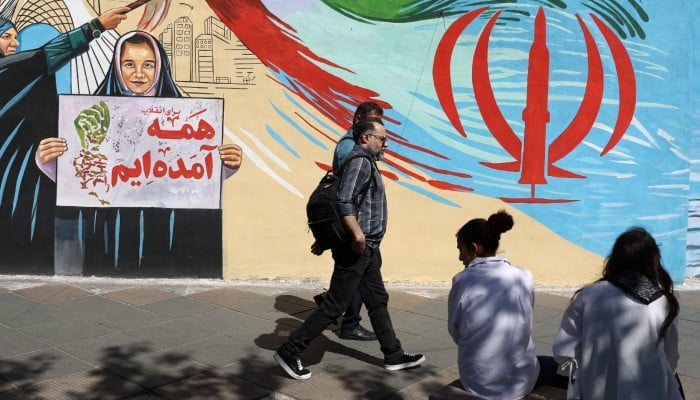
Tehran’s latest peace proposal to the United States involves ending hostilities on all fronts, including Lebanon, the exit of US forces from areas close to Iran, and reparations for destruction caused by the US-Israeli war, state media reported on Tuesday.
In Tehran’s first comments on the proposal, Deputy Foreign Minister Kazem Gharibabadi said Tehran also sought the lifting of sanctions, the release of frozen funds and an end to the US marine blockade on the country, according to IRNA news agency.
The terms as described in the Iranian reports appeared little changed from Iran’s previous offer, which US President Donald Trump rejected last week as “garbage”.
Trump said on Monday he had paused a planned resumption of attacks on Iran after Tehran sent a new peace proposal to Washington, and that there was now a “very good chance” of reaching a deal limiting Iran’s nuclear programme.
Reuters could not determine whether preparations had been made for strikes that would mark a renewal of the war Trump started in late February.
Under pressure to reach an accord that would reopen the Strait of Hormuz — a key supply route for global supplies of oil and other commodities — Trump has previously expressed hope that a deal was close on ending the conflict, and similarly threatened heavy strikes on Iran if Tehran did not reach a deal.
In a social media post, Trump said the leaders of Qatar, Saudi Arabia and the United Arab Emirates had requested that he hold off on the attack because “a Deal will be made, which will be very acceptable to the United States of America, as well as all Countries in the Middle East, and beyond.”
A Pakistani source confirmed that Islamabad, which has conveyed messages between the sides since hosting the only round of peace talks last month, had shared the Iranian proposal with Washington.
Although neither side has publicly disclosed any concessions in negotiations that have been stalled for a month, a senior Iranian official suggested on Monday that Washington may be softening some of its demands.
The source said the US had agreed to release a quarter of Iran’s frozen funds — totalling tens of billions of dollars — held in foreign banks. Iran wants all the assets released.
And the source said Washington had shown more flexibility in agreeing to let Iran continue some peaceful nuclear activity under the supervision of the International Atomic Energy Agency.


UK’s clothing exports dip 7.8% to $884 mn in January-March 2026

The Zuckerbergs Are Hiring a Lifeguard but Calling It a ‘Beach Water Person’

Bangladesh players sledge Rizwan during tense Sylhet Test chase

-

 Entertainment7 days ago
Conan O’Brien hat tricks as Oscar host
-

 Fashion6 days ago
Italy’s Zegna Group’s Q1 growth boosted by strong organic performance
-

 Entertainment1 week ago
Tom Brady gets back at Kevin Hart during Netflix roast
-
 Tech1 week ago
Papa Johns Is Getting Into Drone Delivery—but Not for Pizza
-

 Tech1 week ago
CUDA Proves Nvidia Is a Software Company
-

 Fashion1 week ago
EC clears €5-bn German state aid to back decarbonisation of industry
-
 Business1 week ago
Cyber-crime increasingly coming with threats of physical violence
-

 Tech1 week ago
Chevron Wants a School District Tax Break for a Data Center Power Plant in Texas