

Fashion
More risk from Iran war to Bangladesh, Pakistan, Sri Lanka: S&P Global

These countries are particularly vulnerable to rising oil prices and potential supply disruptions, it noted in a recent article.
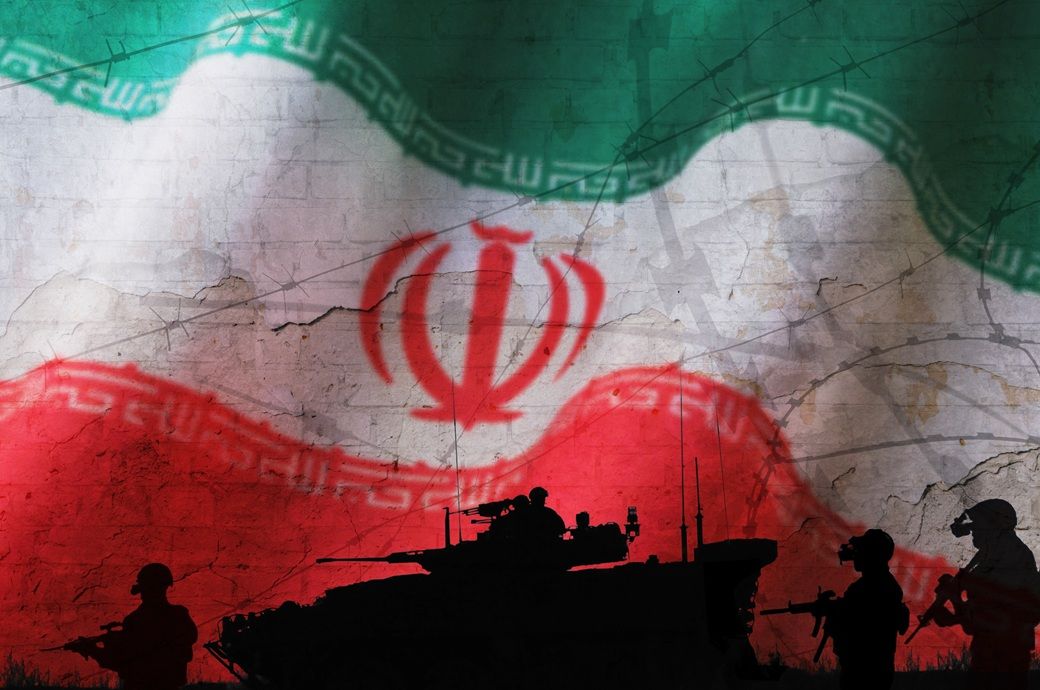
The Iran war poses a greater risk to Bangladesh, Pakistan and Sri Lanka, and to a lesser extent Laos, due to their high dependence on imported energy and limited reserves, S&P Global Ratings said.
These countries are particularly vulnerable to rising oil prices and potential supply disruptions.
All four governments are likely to see significant credit metric deteriorations, if the conflict is prolonged.
In our base case scenario, the war is unlikely to have a material impact on our sovereign ratings on these countries, but a more prolonged price and supply shock in global energy markets could cause more pronounced credit damage.
Pakistan, Sri Lanka, and Bangladesh are showing signs of economic recovery. The three countries have made progress, but sustained high energy prices and potential disruptions to trade and remittances could derail their fragile economies.
S&P Global Ratings believes the higher-income Asia-Pacific (APAC) economies are better placed to weather temporary disruptions to oil and gas supply from the Middle East.
Even where they are highly dependent on imported energy, they generally have more significant oil reserves to meet the shortfall in imports. They also have financial resources to acquire available supply in the spot oil and gas markets to secure needed energy, the rating agency noted.
Lower-income economies in the region do not enjoy such flexibility. The sovereign ratings on some may face pressure if the supply disruption persists longer than our assumptions. Bangladesh, Laos, Pakistan and Sri Lanka are among this group. These economies have one thing in common: a high dependence on imported energy products.
The Middle East war is likely to have a more severe impact on these economies, due to their fuel import bills, and generally weaker fiscal and external reserves to withstand supply shortages and high oil prices.
Among the four sovereigns, Laos is likely to fare better due to the dominance of hydropower in its energy mix.
Bangladesh, with government revenues at only around 9 per cent of gross domestic product, has fewer options to cap electricity and fuel prices through fiscal means.
All four governments are likely to see significant credit metric deteriorations, through inflation and currency channels, if the Middle East conflict is prolonged. However, the impact on the agency’s ratings on these sovereigns may be limited, as the generally low rating levels have already captured a significant share of the risks.
S&P Global Ratings’ base case for the Middle East war assumes that elevated hostilities will persist into early April, with the Strait of Hormuz facing material disruptions.
Fibre2Fashion News Desk (DS)








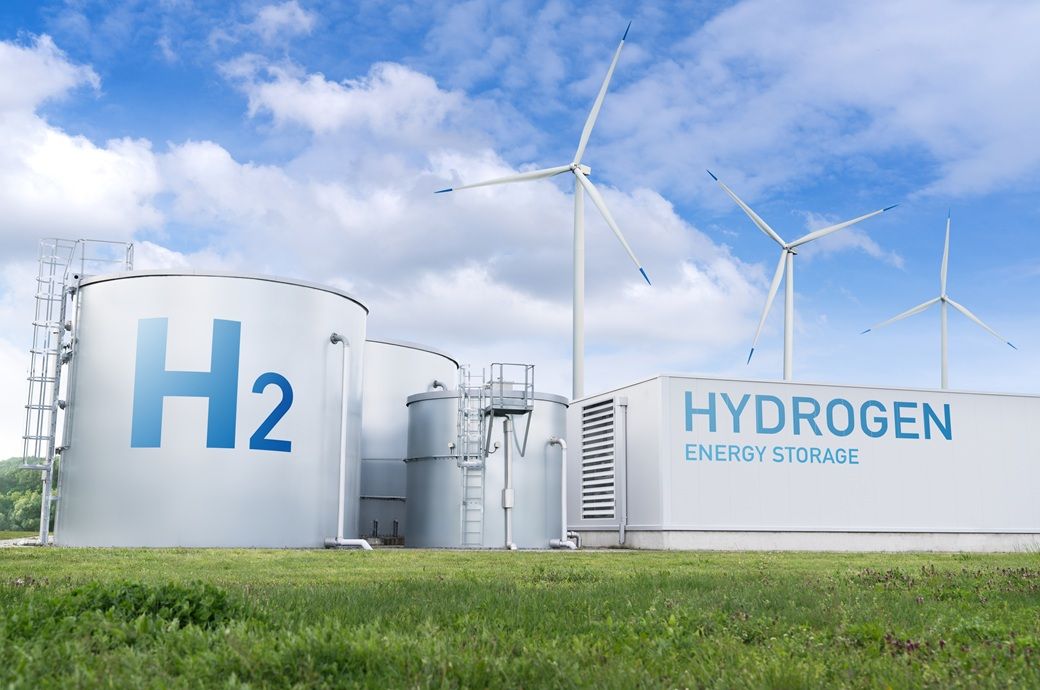
The scheme will contribute to the objectives of the Clean Industrial Deal to accelerate the decarbonisation of EU industry, the REPowerEU Plan to reduce dependence on Russian fossil fuels, as well as the EU Hydrogen Strategy, an official release said.
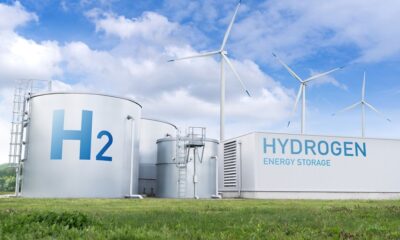
The European Commission has cleared a $1.5-billion German state aid scheme to produce renewable hydrogen through the European Hydrogen Bank’s ‘Auctions-as-a-Service’ tool for the auction that closed in 2026.
The scheme will contribute to the objectives of the Clean Industrial Deal, the REPowerEU Plan to reduce dependence on Russian fossil fuels, as well as the EU Hydrogen Strategy.
The approved scheme will support construction of up to 1,000 MW of installed electrolyser capacity, and the production of up to 10 million tonnes of renewable hydrogen. This is estimated to avoid up to 55 million tonnes of carbon dioxide.
The aid will be awarded through a competitive bidding process that will be supervised by the European Climate, Infrastructure, and Environment Executive Agency (CINEA).
The scheme will provide support to companies planning to construct new electrolysers feeding renewable hydrogen into the Danish Hydrogen Backbone 1 pipeline, which is a project of common interest, and deliver it to buyers connected to the German Hydrogen Core Network.
The aid will not only support the production of renewable hydrogen, but also cross-border infrastructure that connects renewable hydrogen sources in the North Sea to large-scale buyers.
Under the scheme, the aid will take the form of a direct grant per kilogram of renewable hydrogen produced. The aid will be granted for a maximum duration of ten years. Beneficiaries will have to prove compliance with EU criteria for the production of renewable fuels of non-biological origin (RFNBOs).
The European Hydrogen Bank is an initiative to facilitate EU production and imports of renewable hydrogen in and to Europe. Its objective is to close the investment gap and connect the future renewable hydrogen supply to consumers to meet the intended target of 20 million tonnes by 2030, contributing to the REPowerEU objectives and the transition to climate neutrality.
Run by the Innovation Fund, the hydrogen auctions implement the EU-domestic leg of the European Hydrogen Bank and are financed through the EU Emissions Trading System revenues.
Fibre2Fashion News Desk (DS)
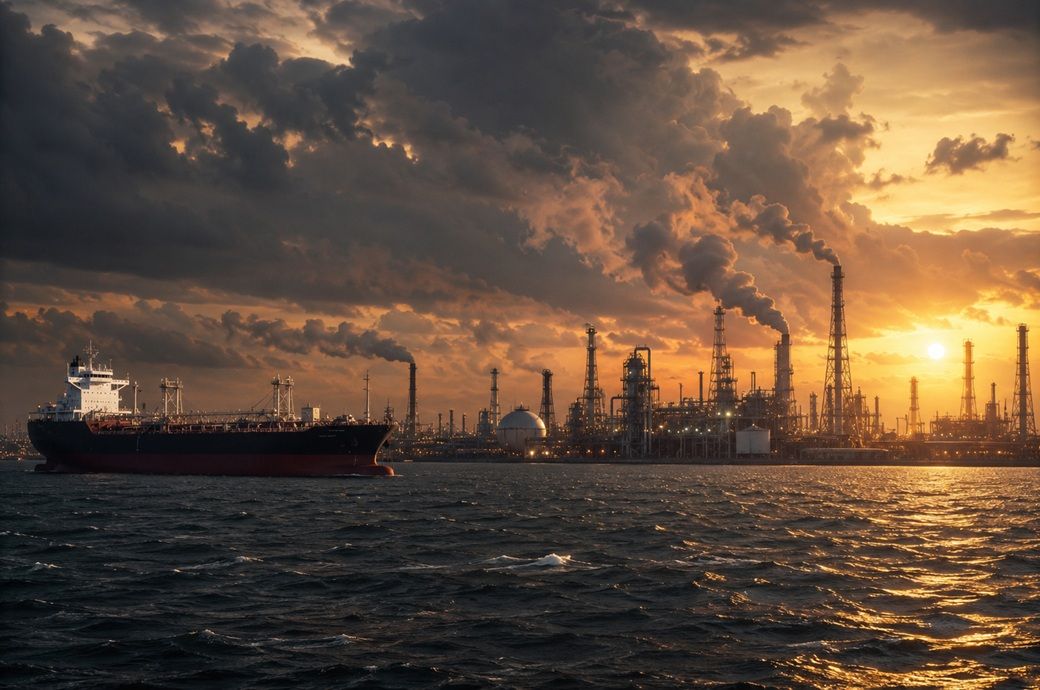
The US–Iran military conflict has sent shockwaves through global energy and chemical markets. Crude surged past $*** per barrel in late March and April ****, its highest level in years. Prices briefly touched $*** per barrel in late April before stabilising near $*** per barrel, following several news-driven fluctuations. Year-on-year, this represents a surge of over +** per cent vs. **** highs and remains +** per cent above compared to last year’s equivalent period.
Key petrochemical feedstocks that directly feed the textile chain — Naphtha, Paraxylene (PX), Purified Terephthalic Acid (PTA), Mono Ethylene Glycol (MEG), Ethylene, and Ethylene Oxide are all under severe cost pressure. Further escalation above $***–***/barrel would trigger a new wave of downstream price hikes across yarn, fabric, and finishing chemicals.
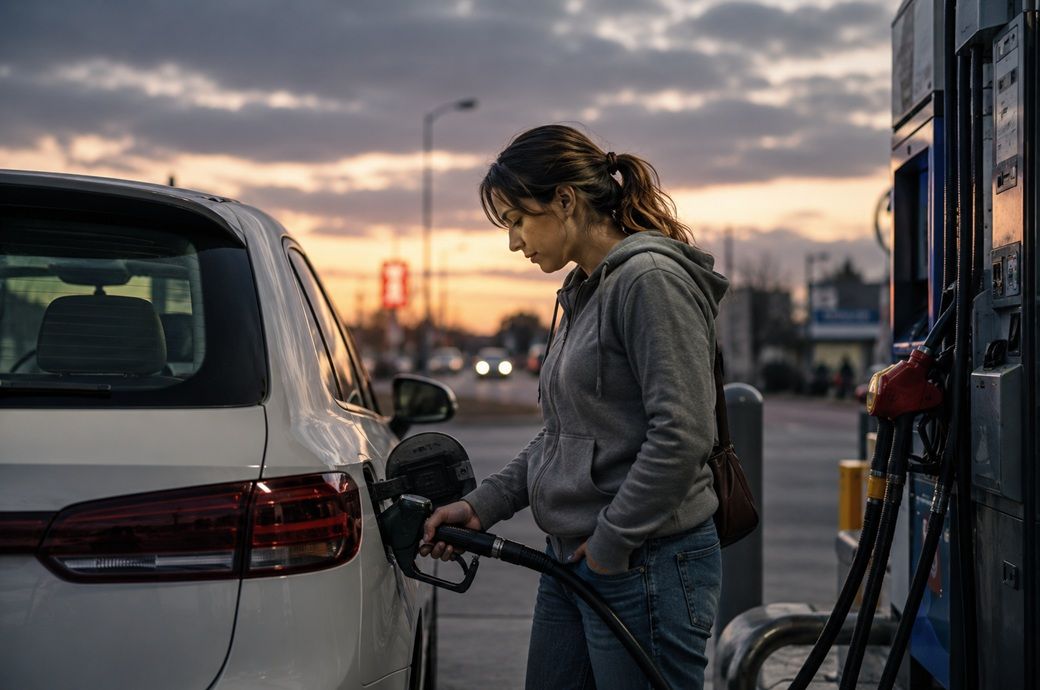
The US-Iran war has intensified cost pressures, with higher fuel and product prices sharply weakening consumer sentiment.
Lower- and middle-income households are bearing the steepest burden as gas takes a larger share of discretionary spending.
Higher-income consumers remain more resilient, keeping aggregate demand firm despite widening spending divergence.
Source link


EU Commission clears $1.5-bn German aid to produce renewable hydrogen
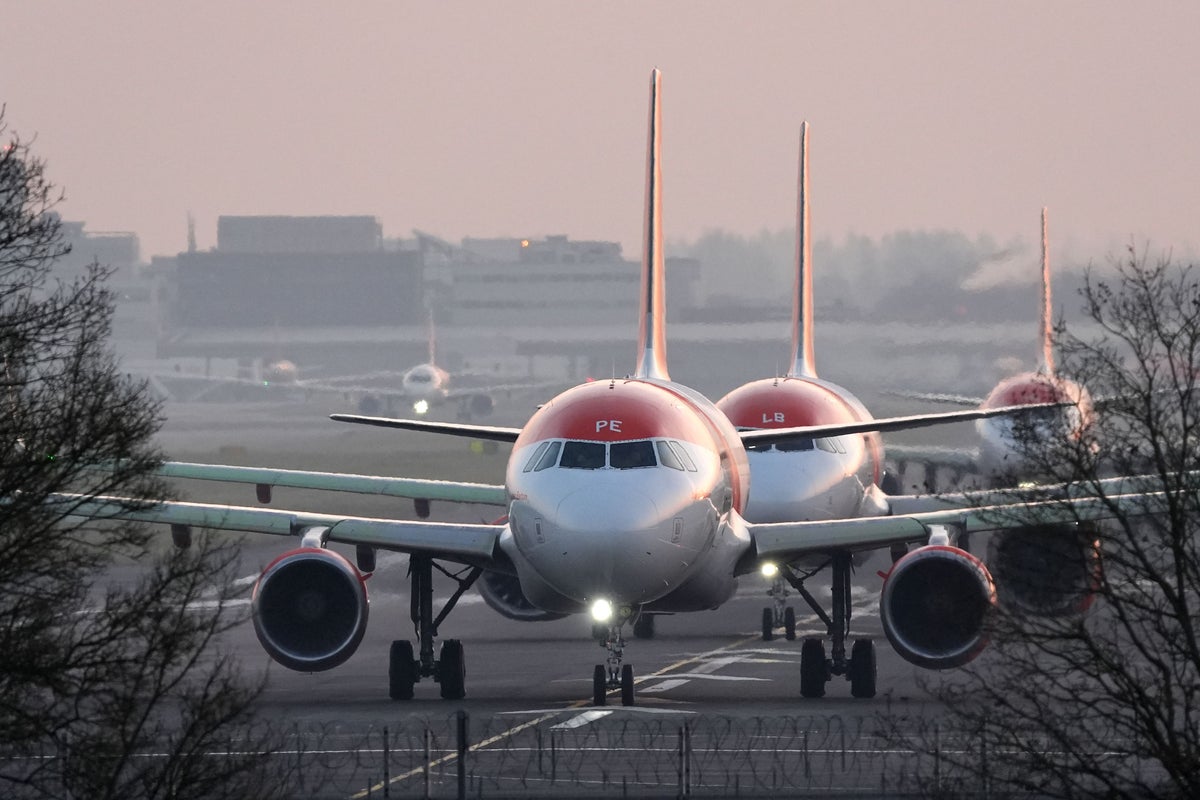
EasyJet boss says airline is ‘not seeing any disruption to fuel supply’

Oil-led inflation may trigger fresh polyester price hikes

-

 Entertainment1 week ago
Conan O’Brien hat tricks as Oscar host
-

 Fashion1 week ago
Italy’s Zegna Group’s Q1 growth boosted by strong organic performance
-
 Business1 week ago
Pound wobbles and bonds suffer as Starmer battles on
-
 Fashion1 week ago
US T&A exports decline 10% to $5 bn on softer regional demand
-

 Entertainment5 days ago
Where Pete Davidson, Elsie Hewitt stand after breakup: Details revealed
-

 Sports1 week ago
2025-26 NBA Title Odds: Thunder, Spurs Favored; Knicks Rising
-
 Business7 days ago
Jersey Election 2026: Cost of living concern in St Helier Central
-

 Sports1 week ago
Jacob Fatu chooses to acknowledge violence, AAA Mega Championship makes WWE history and more from Raw