

Business
Indian Stock Markets: Stock market holidays: Dalal Street heads for holiday-shortened week amid Mahavir Jayanti, Good Friday – The Times of India

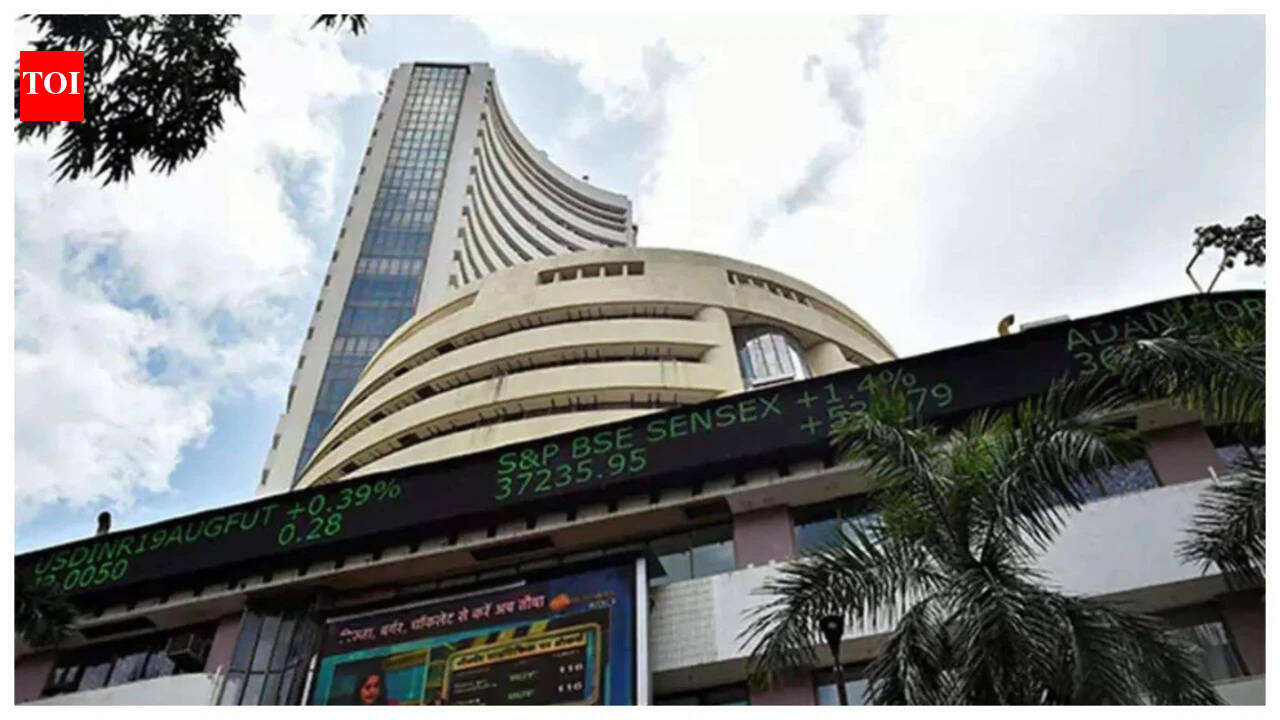
Indian stock markets will remain closed on Tuesday, March 31, for Mahavir Jayanti and again on Friday, April 3, for Good Friday, giving investors a holiday-shortened trading week.Trading on the NSE and BSE will be suspended on both days across segments, including equity, equity derivatives, currency derivatives, securities lending and borrowing (SLB) and other market-linked instruments. The week will therefore have only three full trading sessions on Dalal Street.
Two market holidays next week
The National Stock Exchange of India and BSE have both listed March 31 and April 3 as official trading holidays for Mahavir Jayanti and Good Friday, respectively.The timing is also notable because March 31 marks the end of the financial year 2025-26, which means the holiday will fall on the final day of the fiscal year.
MCX open only in evening on Mahavir Jayanti, fully shut on Good Friday
Commodity traders will see a slightly different schedule.The Multi Commodity Exchange of India (MCX) will remain closed during the morning session (9 am to 5 pm) on Mahavir Jayanti, but trading will resume in the evening session from 5 pm to 11:30 pm.On Good Friday, however, MCX will remain shut for both the morning and evening sessions, in line with several global markets that also close for the occasion.The National Commodity & Derivatives Exchange (NCDEX), meanwhile, will remain closed in both sessions on these holidays.There are 16 stock market holidays scheduled for 2026. With the two next week, several more closures are still lined up across the rest of the year.The next market holiday after Good Friday will be Dr Baba Saheb Ambedkar Jayanti on April 14, followed by Maharashtra Day on May 1 and Bakri Id on May 28, as per the report.

The trial had been set as a test case for 1200 other school districts making similar claims.
Source link
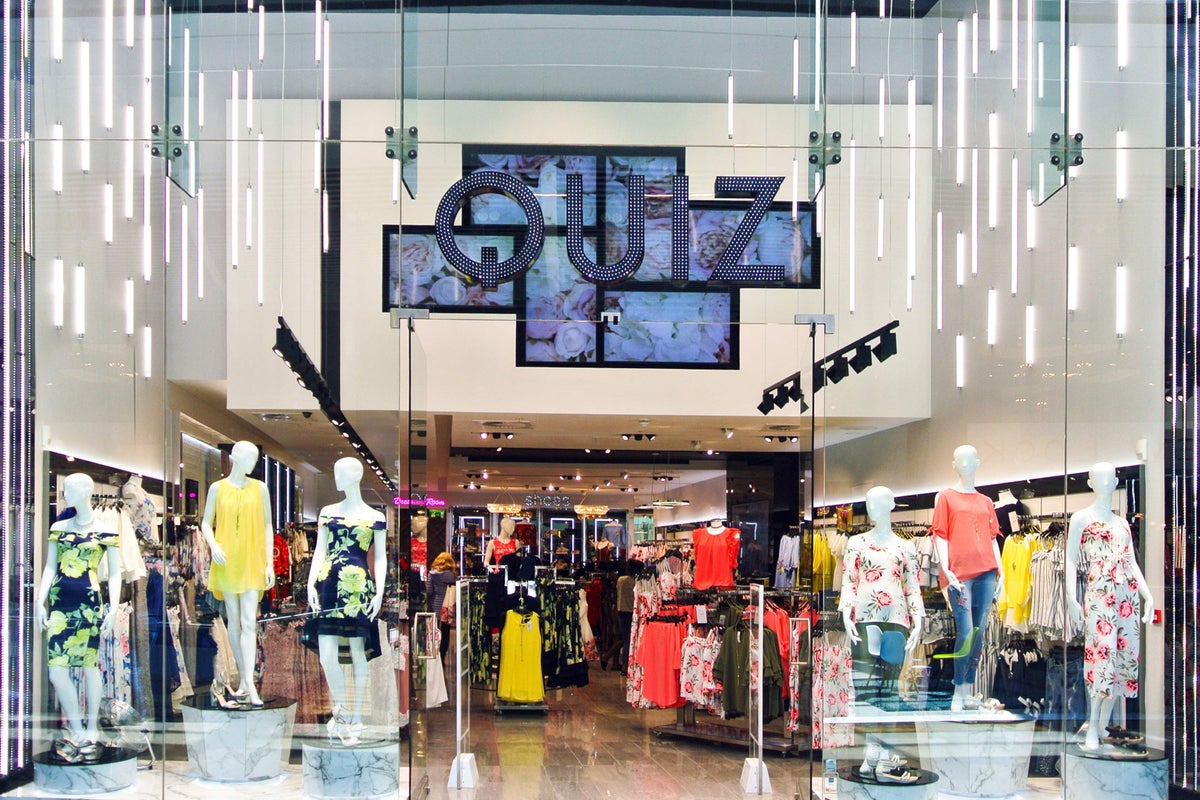
Fashion retailer Quiz is set to close its remaining 37 stores by the end of June, administrators have confirmed.
The high street chain appointed Interpath in February after a “tough start” to 2026.
Insolvency specialists announced on Thursday that a closure plan for its final outlets will be implemented over the coming weeks.
Three other stores, in Castlecourt, Belfast, Leeds, and Romford, recently shut permanently.
The precise timing for these remaining closures, and the number of staff affected, is yet to be confirmed.
Over 100 head office and warehouse jobs were put at risk when Quiz first entered administration.
It is the second time Quiz had fallen into administration in just over a year, having collapsed in February 2025 before immediately being bought in a so-called pre-pack deal by a subsidiary of the founding Ramzan family.
Quiz concessions in New Look and Matalan stores in the UK are not included in the administration and remain unaffected.
Remaining stock is being delivered to its stores, with heavy discounts of at least 60% as administrators seek to sell off as much as possible to help pay the collapsed firm’s outstanding debts.
Alistair McAlinden, head of Interpath in Scotland and joint administrator, said: “As we head into the May bank holiday weekend, we would encourage shoppers to visit their local store as we commence our final closing down sale.”
Geoff Jacobs, managing director at Interpath and fellow joint administrator, said: “We’d once again like to say a huge thank you to Quiz staff who have shown such dedication and professionalism under difficult circumstances.”
Here are the locations of the stores facing closure:
-Aberdeen, Scotland
-Basingstoke, Hampshire
-Bracknell, Berkshire
-Cardiff, Wales
-Carlisle, Cumbria
-Castleford, West Yorkshire
-Clydebank, Scotland
-Craigavon, Northern Ireland
-Derby, Derbyshire
-Dunfermline, Scotland
-Eastbourne, East Sussex
-Gateshead Metro, Tyne and Wear
-Glasgow Braehead, Scotland
-Glasgow Buchanan Galleries, Scotland
-Glasgow Fort, Scotland
-Glasgow St Enoch, Scotland
-Hanley, Staffordshire
-Hull, East Yorkshire
-Inverness, Scotland
-Irvine, Scotland
-Leicester, Leicestershire
-Livingston, Scotland
-Manchester Arndale, Greater Manchester
-Manchester Trafford Centre, Greater Manchester
-Mansfield, Nottinghamshire
-Merryhill, West Midlands
-Newry, Northern Ireland
-Newtownabbey, Northern Ireland
-Northampton, Northamptonshire
-Norwich, Norfolk
-Portsmouth, Hampshire
-Sheffield Meadowhall, South Yorkshire
-Stirling, Scotland
-Telford, Shropshire
-Thurrock Lakeside, Essex
-Warrington, Cheshire
-Watford, Hertfordshire
Business
Trump administration says new EPA rules will save you money at the supermarket. It’s not clear they will

U.S. President Donald Trump speaks during an announcement with U.S. Environmental Protection Agency (EPA) Administrator Lee Zeldin (not pictured) in the Oval Office at the White House, in Washington, D.C., U.S., May 21, 2026.
Kevin Lamarque | Reuters
President Donald Trump announced on Thursday a delay to two Biden-era EPA refrigerant rules, arguing the move will cut costs for companies and save consumers money at the grocery store.
The administration estimated that American families and businesses will save more than $2.4 billion under the new rules.
“Our actions allow businesses to choose the refrigeration systems that work best for them, saving them billions of dollars,” said EPA Administrator Lee Zeldin in a statement.
He added, “This will be felt directly by American families in lower grocery prices.”
But it was unclear Thursday whether or how companies like grocers would use those savings to make it more affordable for shoppers to fill their carts. The changes would not require grocers to take any steps to cut prices at a time when many households see their budgets stretched by soaring gas prices and years of elevated inflation.
The rules target hydrofluorocarbons, or HFCs, potent greenhouse gases commonly used in refrigeration and air conditioning systems that are widely accepted as contributors to global warming. Under the Biden administration, the EPA in 2023 finalized regulations aimed at cutting leaks and emissions from those systems, affecting industries ranging from grocery stores and food distribution to semiconductor manufacturing.
Now, the EPA is delaying compliance by revising the 2023 rule and another regulation from 2024.
The administration’s messaging appears aimed squarely at inflation-weary consumers, especially as food prices remain politically sensitive ahead of the midterm elections this fall. Grocery retailers rely heavily on refrigeration infrastructure, and compliance with the EPA rules would have required upgrades, leak detection systems and new refrigerants in some cases.
At the time the rules were put in place, the EPA argued they would ultimately save businesses and consumers $4.5 billion over time through energy efficiency and lower-cost refrigerants. Grocery and food industry groups warned the transition could cost the industry billions in upfront equipment and compliance expenses.
Large chains such as Walmart, Kroger, and Costco have already been investing in “natural refrigerant” systems for years, so the biggest operators were generally better positioned to absorb the transition. Smaller regional grocers and independent stores may feel the cost burden more acutely.
“An orderly transition of equipment reduces both capital costs and operating costs, and at the end of the day that’s good for consumers because we’re able to take that and put that into lowering prices,” said Kroger CEO Greg Foran at an event at the White House.
Still, it remains unclear how grocers would pass on cost savings to consumers. When asked at the signing, Foran said the company is “right in the middle” of passing savings on to the consumer and making sure they’re “paying the right price.”
Earlier Thursday before Trump’s policy announcement, Bloomberg News reported that Foran planned price cuts at Kroger to allow the grocer to better compete with Walmart and Costco.
Food inflation is driven by a wide range of factors, including labor, transportation, feed costs and commodity prices, and some of those expenses have risen in recent months due to the war in Iran. Refrigeration compliance costs represent a small slice of overall grocery operating expenses.


‘Emily in Paris’ to end with season 6: Lilly Collins reacts

Meta Is in Crisis, Google Search’s Makeover, and AI Gets Booed by Graduates

All 24 "Survivor 50" castaways reflect on eliminations, historic season

-

 Entertainment1 week ago
Conan O’Brien hat tricks as Oscar host
-

 Fashion1 week ago
Italy’s Zegna Group’s Q1 growth boosted by strong organic performance
-

 Entertainment5 days ago
Where Pete Davidson, Elsie Hewitt stand after breakup: Details revealed
-
 Business1 week ago
Jersey Election 2026: Cost of living concern in St Helier Central
-
 Business1 week ago
Tui issues update on summer jet fuel shortage fears
-

 Entertainment7 days ago
Emilia Clarke recalls near-death incident while filming ‘Game of Thrones’
-

 Fashion1 week ago
Global cotton production, stocks to fall; consumption to rise: WASDE
-

 Politics5 days ago
Rising diesel costs from Iran war strain US school budgets