

Fashion
ICE cotton sees mixed trend as rain forecasts weaken sentiment

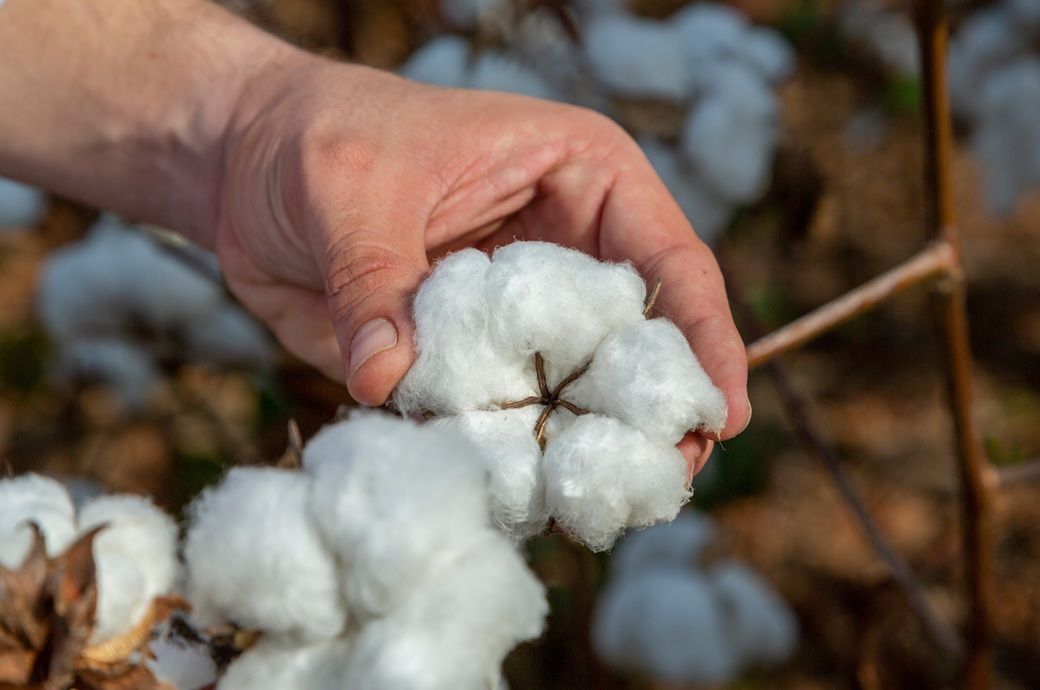
The most traded contract July 2026 settled at 81.60 cents down 0.73 cent or 0.89 per cent. The contract recorded fifth decline in the last 7 sessions, with cumulative losses of 617 points during the period. December 2026 contract posted 0.20 cent drop to settle at 82.96 cent per pound. December contract posted losses of 444 points in last five sessions out of 7 sessions. Other contracts finished mixed ranging from 31 points lower to 29 points higher.
ICE cotton futures remained under pressure as improving rainfall forecasts across major US cotton-growing regions eased crop concerns and weighed on market sentiment.
The July 2026 contract fell 0.89 per cent to 81.60 cents, marking its fifth decline in seven sessions.
Lower crude oil prices, subdued trading activity, and weak speculative participation also added bearish pressure on cotton prices.
Total daily trading volume was 52,977 contracts, marking the lowest volume in the last two and half weeks. Previous session cleared volume stood at 60,785 contracts.
Market sentiment remained weak mainly due to improving rainfall forecasts across major US cotton-growing regions. Drought-monitoring data showed cotton areas experienced historically severe dryness, during the last three months, but forecasts now suggest increased rainfall over the next 2–3 weeks. Weather forecasts specifically indicated better moisture chances across West Texas, the Southern Plains, and southeastern US cotton regions.
Market analysts said that expected rainfall in West Texas and southeastern areas continued to pressure cotton prices. Falling crude oil prices added additional downside pressure on cotton futures.
International crude oil prices dropped to their lowest level in nearly six weeks. Lower crude oil prices reduce polyester production costs, making synthetic fibres cheaper and weakening cotton demand competitiveness.
Traders also monitored geopolitical developments including Russia-Ukraine ceasefire discussions and ongoing Middle East tensions.
ICE certified cotton stocks as of May 19 were reported at 203,403 bales. Previous day ICE certified stocks were 203,491 bales, showing a slight daily decline.
Overall market tone remained cautious to mildly bearish due to improving weather outlook, weak crude oil markets, low speculative participation, and subdued trading activity.
This morning (Indian Standard Time), ICE cotton for July 2026 was traded at 80.91 cents per pound (down 0.69 cent), cash cotton at 78.60 cents (down 0.73 cent), the October 2026 contract at 82.58 cents (down 0.31 cent), the December 2026 at 82.15 cents (down 0.81 cent), the March 2027 contract at 83.01 cents (down 0.76 cent) and the May 2027 contract at 83.51 cents (down 0.71 cent). A few contracts remained at their previous closing levels, with no trading recorded so far today.
Fibre2Fashion News Desk (KUL)












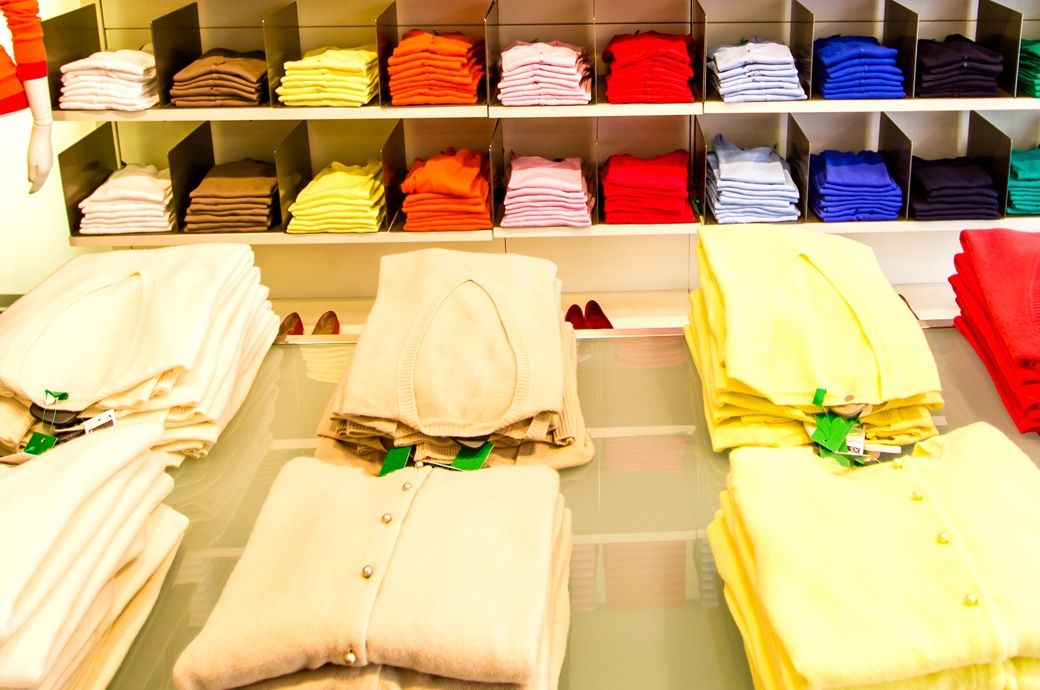
Exports of knitted apparel and clothing accessories under Chapter ** increased **.* per cent to $*.*** billion, compared with $*.*** billion in the same period of ****. Shipments of non-knitted apparel and accessories under Chapter ** rose *.* per cent to $*.*** billion from $*.*** billion a year earlier, indicating broad-based growth across key garment categories.
In April ****, Cambodia’s apparel exports grew sharply by **.** per cent year on year to $***.*** million, pointing to stronger monthly order momentum from major markets such as the US, the EU and Japan. Knitted apparel exports climbed **.* per cent to $***.*** million, while non-knitted apparel exports increased **.* per cent to $***.*** million.
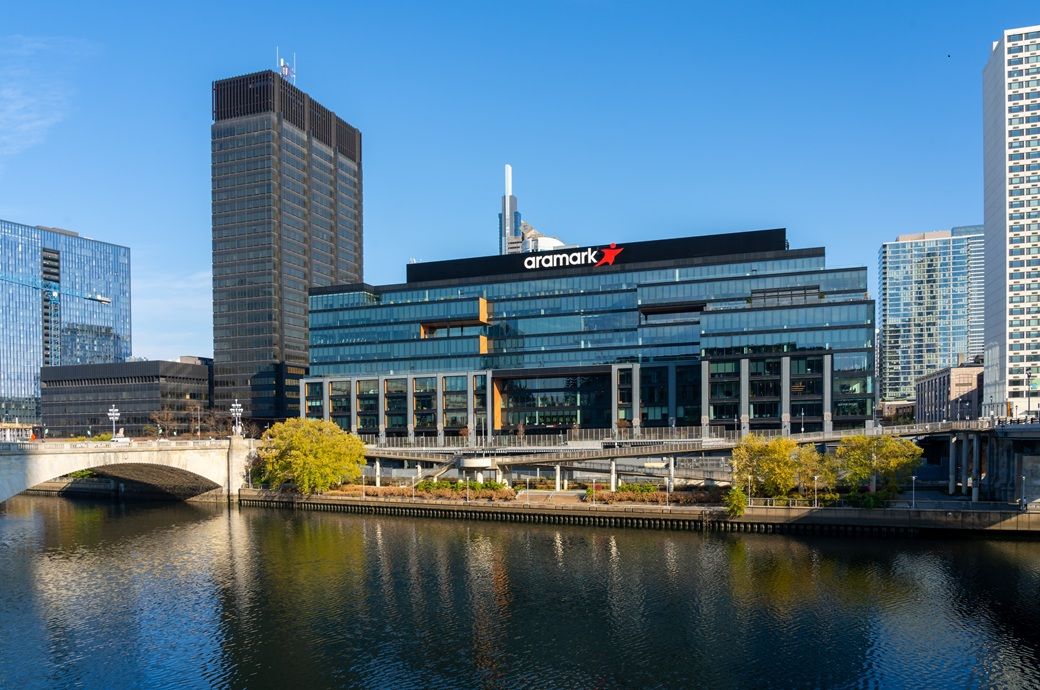
Organic revenue, excluding currency translation, increased 12 per cent compared with the same period last year. The company said the calendar shift from the 53rd week in the prior year added an estimated 3 per cent benefit to both revenue and organic revenue growth.
Aramark has reported revenue of $4.9 billion in Q2 FY26, up 15 per cent YoY, driven by new business wins and growth across US and international operations.
Operating income rose 26 per cent to $220 million, while adjusted EPS grew 40 per cent.
Cash flow strengthened, client retention exceeded 98 per cent, and the company raised its organic revenue outlook.
“Our financial results underscore the continued momentum at the Company driven by our unwavering focus on delivering hospitality excellence,” said John Zillmer, Aramark’s CEO.
The operating income increased 26 per cent YoY to $220 million, compared with $174 million in Q2 FY25. Adjusted operating income (AOI) grew 24 per cent to $258 million from $205 million. Profitability was supported by higher revenue, productivity gains in food and labour, supply chain efficiencies and effective above-unit cost management.
Aramark EPS rises on earnings growth
Aramark’s GAAP earnings per share (EPS) rose 65 per cent to $0.38, while adjusted EPS increased 40 per cent to $0.49. The calendar shift contributed an estimated 30 per cent benefit to GAAP EPS growth and 20 per cent to adjusted EPS growth.
The company also reported strong cash generation during the quarter. Net cash provided by operating activities increased 56 per cent to $400 million, while free cash flow rose 116 per cent to $305 million.
New business wins have reached a record $1 billion so far in the fiscal year, while client retention remained above 98 per cent across the company.
Aramark also recently entered the hyperscale AI data centre market with the launch of Aramark Nexus, a platform designed to deliver hospitality and workforce support services for hyperscale AI data centres and other large-scale, complex and remote operating environments. The company said a new multi-year agreement with a top global hyperscaler is already underway, with services expected to begin this fiscal year.
Aramark raises organic revenue outlook
For FY26, Aramark has updated its organic revenue outlook to the high end of its earlier 7-9 per cent growth range. It reaffirmed expectations for adjusted operating income growth of 12-17 per cent, adjusted EPS growth of 20-25 per cent and a leverage ratio below 3x.
“We enter the second half of the fiscal year with confidence in our growth trajectory and our ability to capitalise on the significant opportunities immediately ahead. Our teams continue to deliver outstanding performance, and we remain focused on building upon this momentum and driving the business to even greater levels of success,” added Zillmer.
Fibre2Fashion News Desk (SG)

In an interview with Fibre*Fashion, Robbie Sinclair, vice-president of fashion at Future Snoops said, “The five major colours this year for the spring summer season are tomato red, soured citrus, moody blue, lost lilac and jaded teal.”
Sinclair explained that these major anchor colours are decided after considering them across markets and all the segments, including men, women, kids, home and beauty.


Stellantis unveils $70 billion turnaround plan, targets positive cash flow by 2028

ICE cotton sees mixed trend as rain forecasts weaken sentiment

Britney Spears police report sheds new light on singer’s March DUI arrest

-

 Entertainment1 week ago
Conan O’Brien hat tricks as Oscar host
-

 Fashion1 week ago
Italy’s Zegna Group’s Q1 growth boosted by strong organic performance
-
 Business1 week ago
Pound wobbles and bonds suffer as Starmer battles on
-

 Entertainment5 days ago
Where Pete Davidson, Elsie Hewitt stand after breakup: Details revealed
-
 Business1 week ago
Tui issues update on summer jet fuel shortage fears
-

 Tech1 week ago
Microsoft releases rare zero-day free Patch Tuesday update | Computer Weekly
-
 Business1 week ago
Jersey Election 2026: Cost of living concern in St Helier Central
-

 Politics1 week ago
Who could replace Keir Starmer as Britain’s prime minister?