

Tech
Ilya Sutskever Stands by His Role in Sam Altman’s OpenAI Ouster: ‘I Didn’t Want It to Be Destroyed’

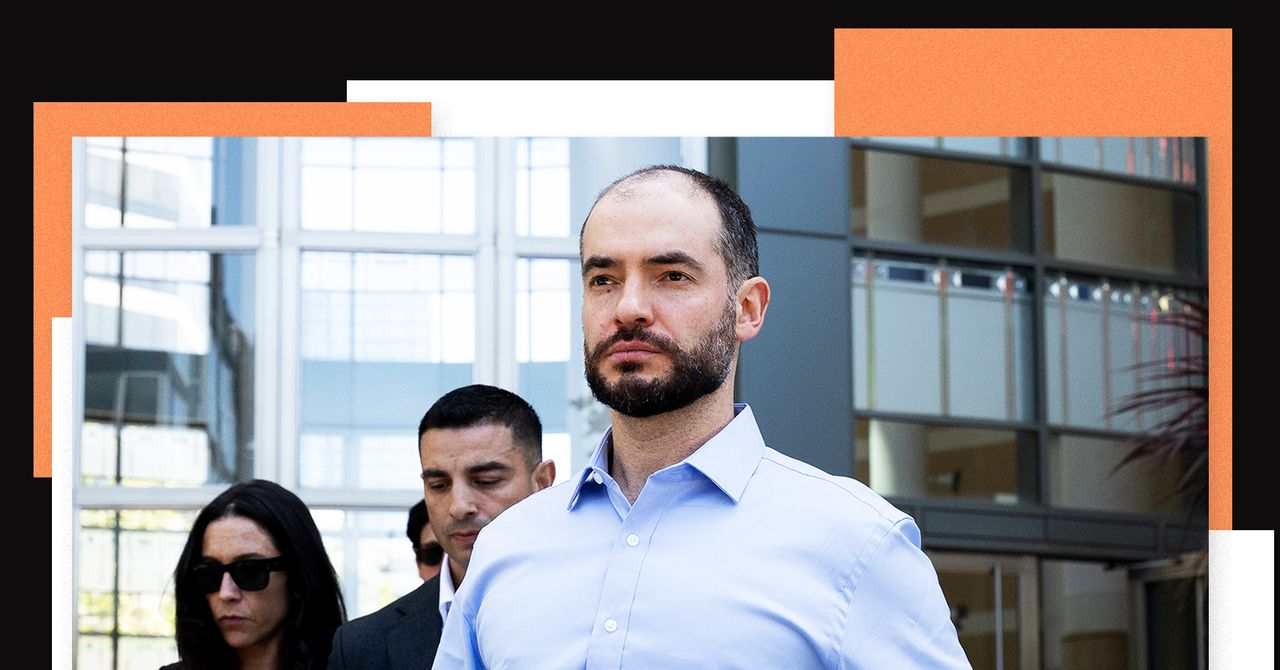
Elon Musk’s trial against OpenAI and Microsoft entered its final stretch on Monday, with testimony from Microsoft CEO Satya Nadella, former OpenAI chief scientist Ilya Sutskever, and current OpenAI chairman Bret Taylor.
Sutskever drew the spotlight, revealing an ownership stake in OpenAI’s $850-billion for-profit arm that is currently worth about $7 billion. That makes him one of the largest known individual shareholders of OpenAI. Earlier in the trial, OpenAI president Greg Brockman acknowledged for the first time that he has around $30 billion worth of OpenAI shares.
Brockman was one of the research lab’s original cofounders, and Sutskever joined shortly afterward, turning down a $6 million annual compensation offer from Google. Brockman said he and Sutskever were “joined at the hip,” until Sutskever helped lead Sam Altman’s brief removal as OpenAI CEO in 2023. Sutskever had helped collect evidence to show Altman’s alleged history of deception, and even assisted in drafting a memo to the board. Though they tried to repair the relationship, Sutskever has been estranged from Brockman and Altman ever since, a lawyer for OpenAI said on Monday.
Sutskever, who arrived in the courtroom wearing a dress shirt and slacks, the first male witness to testify without a suit jacket, appeared to be dejected about no longer being involved with OpenAI. (He left and formed a competing AI lab in 2024.) “I felt a great deal of ownership of OpenAI,” he said at one point Monday. “I felt like I put my life into it, and I simply cared for it, and I didn’t want it to be destroyed.”
Sutskever’s testimony bolstered Musk’s contention that Altman is not the right person to lead an AI lab that could create artificial general intelligence. In addition, Sutskever mentioned how the superalignment team he helped lead, which focused on the safety of future models, was doing the most important work at OpenAI “for the long term.” The team was disbanded in May 2024, shortly after Sutskever left the company.
But Sutskever also added to OpenAI’s defense that Musk never negotiated any special promises when funding the OpenAI nonprofit. Musk’s allegation that such commitments existed and that Altman and Brockman violated them by pursuing a lucrative for-profit arm are the core of his claims in the lawsuit. Sutskever said OpenAI needed “a lot of dollars” to build a computer as big as the human brain, and while seeking donations had some “reasonable success,” becoming a for-profit was the consensus way forward.
“I would describe it as the difference between an ant and a cat,” Sutskever said in response to a question from US district judge Yvonne Gonzalez Rogers about how more computing helped OpenAI level up. “If there’s no funding, there is no big computer.”
In the end, Sutskever, a prominent AI scientist who paints in his spare time, testified for about an hour, barely making eye contact with anyone during his time on the witness stand.
Musk’s legal team had unsuccessfully sought to treat Sutskever as a hostile witness because of his financial stake in OpenAI. But Gonzalez Rogers agreed to give attorneys for both Musk and OpenAI extra leeway in their questioning of Sutskever due to what she described as his “unique position” in the case.
The Blip
Much of Monday’s testimony centered around the well-covered events of Altman’s ouster and reinstatement as CEO in November 2023. Nadella described Sutskever and other board members firing Altman as “amateur city” and reiterated that he “never got clarity” about the lack of candor that led to their decision. Nadella also acknowledged during his testimony that he and colleagues discussed 14 potential board members who would join OpenAI if Altman returned, including at least two whom the Microsoft group vetoed and one who later joined. Nadella described Microsoft’s input as suggestions.
Sutskever said he supported firing Altman because an “environment where executives don’t have the correct information” is not “conducive to reach any grand goal.” But he criticized his board colleagues for rushing the process, lacking experience, and accepting “legal advice that wasn’t very good.”
Microsoft’s Bet
In his lawsuit, Musk accused Microsoft of helping to transform OpenAI into a moneymaking machine beyond what Musk intended. Nadella testified that Microsoft had first supported OpenAI with discounted cloud computing but it could no longer afford to do so “once the bill started going up.” A for-profit arm that Microsoft could invest in, in exchange for a potential financial return, was more palatable.
But as the years progressed and the bills kept rising, Microsoft wanted more out of the partnership. Microsoft “will lose 4 bil next year!!!” Nadella exclaimed in an email in 2022 to his lieutenants about the OpenAI partnership. He called for a new agreement ensuring Microsoft would also get AI “know-how” from the startup, which he kept spelling as “Open AI.”








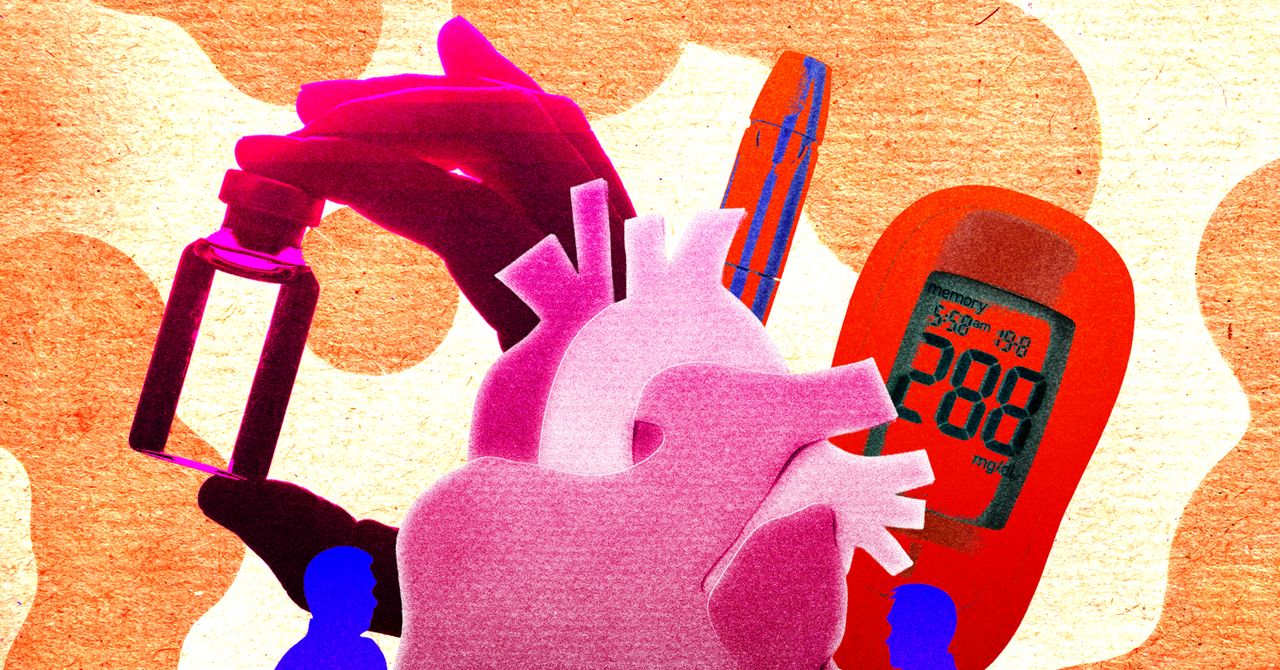
For decades, assessing cholesterol risk has been built around a simple idea: Lower “bad” cholesterol, lower your chance of a heart attack. The test at the center of that approach measures how much low-density lipoprotein, or LDL cholesterol, is circulating in part of the blood. It has shaped everything from clinical guidelines to the widespread use of statins, medications that reduce LDL.
It works. Lowering LDL cholesterol reduces heart attacks, strokes, and early death. But it doesn’t tell the whole story.
The LDL cholesterol test measures the amount of cholesterol inside the low-density lipoprotein particles circulating in the bloodstream. Those LDL particles containing the cholesterol can get trapped in artery walls, forming plaques that can eventually block blood flow. As the test measures the amount of cholesterol being carried, not the number of LDL particles themselves, two people can have the same LDL cholesterol level but very different numbers of particles, and therefore different levels of risk.
That gap has pushed researchers toward a different way of measuring risk. Apolipoprotein B, or apoB, reflects the total number of cholesterol-carrying particles in the blood rather than how much cholesterol they contain. A growing body of research suggests it’s a more accurate way of identifying who is at risk and who’s not.
In March 2026, the American Heart Association and American College of Cardiology recognized this. Their updated cholesterol guidelines acknowledged apoB as a potentially more precise marker, in line with earlier European recommendations. But they stopped short of recommending apoB as the primary method for testing.
“They review the evidence and rank apoB as superior, but the actual rules of the road continue to prioritize LDL,” says Allan Sniderman, a cardiologist at McGill University.
Sniderman was an author on a 2026 JAMA modeling study that analyzed lifetime outcomes for around 250,000 US adults eligible for statin treatment. Comparing LDL cholesterol, non-HDL cholesterol, and apoB, the study found that using apoB to guide treatment decisions would prevent more heart attacks and strokes than current approaches, while remaining cost-effective.
ApoB testing can be done through standard blood tests. So why has it not filtered into routine care? Not even in Europe, where the guidelines have reflected its usefulness for years.
Part of the answer is inertia. For decades, LDL cholesterol has been both a scientific breakthrough and a public health success story. It is simple, widely understood, and directly linked to treatments that work.
“For 50 years, LDL cholesterol was an amazing discovery,” Sniderman says. “It’s not that it isn’t a good marker. It is a good marker.”
Børge Nordestgaard, president of the European Atherosclerosis Society, agrees that LDL cholesterol remains central for a reason. “The evidence is immense; it’s beyond discussion,” he says. “Statins reduce heart attacks, strokes, and early death through LDL cholesterol lowering.”
That success helped shape a powerful narrative: LDL is “bad cholesterol,” and lowering it saves lives. But that simplicity has also limited how risk is understood.
“The result is patients and physicians know little or nothing about apoB,” Sniderman says.
More recent research suggests that the cholesterol picture is more complex, especially in people already taking statins. Previous studies led by Nordestgaard have shown that in treated patients, high levels of apolipoprotein B and non-HDL cholesterol remain associated with increased risk of heart attacks and mortality, while LDL cholesterol does not. ApoB, in particular, emerged as the most accurate marker.
For Kausik Ray, a cardiologist at Imperial College London, the challenge is not choosing one marker over another, but understanding what each one captures, and what it misses.
“We’re not interested in cholesterol for its own sake,” Ray says. “We’re trying to prevent heart attacks and strokes.”

As the much-vaunted Cyber Security and Resilience Bill looks set to continue its progress through parliament following the King’s Speech on Wednesday 13 May, the UK government has urged businesses to sign up to its Cyber Resilience Pledge
First trailed last month by security minister Dan Jarvis at the National Cyber Security Centre’s (NCSC’s) annual CyberUK conference, the pledge will launch later this year and sets out three concrete actions that organisations should be taking: making cyber security a board-level responsibility; signing up to the NCSC’s Early Warning Service; and requiring Cyber Essentials certification across their supply chains.
“Cyber security is now fundamental to economic growth, job creation and the resilience of the services people rely on every day,” said cyber security minister Baroness Lloyd.
“The UK has a world‑class cyber sector that is creating skilled jobs and protecting our economy – and government is doing more by investing in its own defences, legislating to require more of essential services and setting clear national standards,” she said.
“As threats evolve, businesses of all sizes need to step up and take practical action now. The Cyber Resilience Pledge is a clear call for companies to strengthen their defences, protect their customers and play their part in keeping the UK secure and competitive,” added Lloyd.
Cyber growth
The pledge forms part of a wider series of actions to shore up Britain’s cyber defences in light of fast-evolving, artificial intelligence (AI) enabled threats, and boost the nation’s cyber sector.
According to newly-released figures, the cyber security industry contributed £14.7bn to the economy in 2025, up 11%, with the number of British security firms growing by 20% to 2,063, and the number of people employed in the sector up by 2,300.
The government urged business leaders to harness the expertise and innovation of this new wave of startups to drive adoption of more secure technology – such as the use of memory safe programming languages such as Java or Rust, which can help protect against illicit memory access by bad actors. Westminster highlighted research undertaken by the AI Security Institute (AISI) and warned that traditional cyber protections alone are no longer enough.
It also highlighted the growing number of AI-centric security products and services, the availability of which grew by 68% in 2025, reinforcing the UK’s status as an innovation leader, and an early-responder to new security threats, and added that the AISI’s advanced capabilities demonstrated that the country is not standing still in response to the problem.
The government’s latest announcement on the topic comes as the International Monetary Fund (IMF) warns that AI-powered cyber attacks may precipitate a global financial crisis if left unchecked.
The organisation said that the debut of frontier models such as Mythos highlighted significant governance challenges and warned that inconsistent oversight from country to country could weaken the interconnected financial system – a risk it deemed particularly acute for emerging and developing economies.
The IMF called for more international coordination, information-sharing, and expanded capacity if global financial stability is to be preserved.
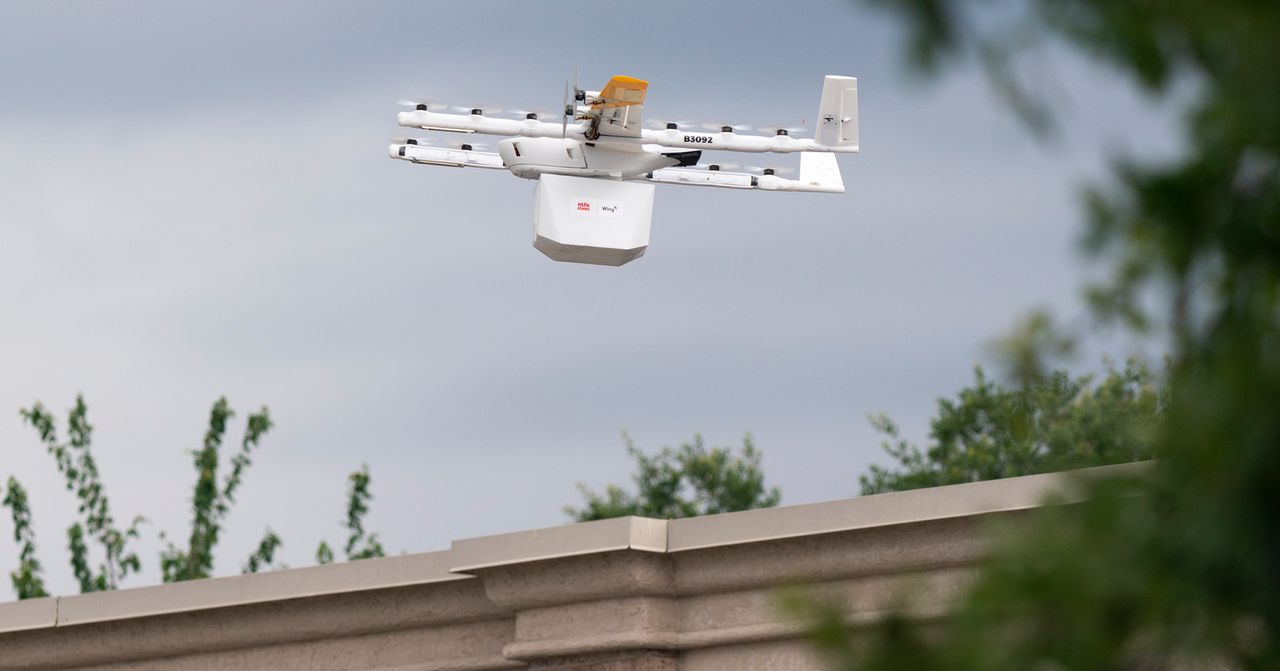
Starting today, eager customers of the US pizza restaurant chain Papa Johns living in one corner of southern North Carolina will have the opportunity to receive their food from the sky, thanks to a new collaboration with Alphabet’s drone company, Wing. But Papa Johns’ signature pizzas won’t be on offer. Instead, drone-loving North Carolinians will have to choose between three kinds of sandwiches, a newer product for the fast-food chain: Philly cheesesteak, chicken bacon ranch, or steak and mushroom varieties.
Drone deliveries are popping up in more communities across the US and the world. Questions about the long-term economics and regulatory picture around unmanned aerial vehicles persist, but Wing boasts partnerships with Walmart, Panera, and DoorDash and is delivering through the sky to customers in four metro areas: Atlanta, Charlotte, Dallas-Fort Worth, and Houston. (In 2019, Wing received the US Federal Aviation Administration’s first certificate allowing a drone delivery company to operate in the country.) Competing drone companies, including Zipline, Amazon Prime Air, and Flytrex, fly packages, medical supplies, and Chipotle burritos in select communities across countries like Ghana, Japan, and the US.
But until very recently, drone operators have struggled to fly full-size pizzas. For companies hoping to break into the food delivery space, this is unfortunate: 11 percent of the US population eats a slice on any given day, according to the US Department of Agriculture. In a fast-diversifying restaurant industry, getting them to customers is still big business. But the realities of physics, engineering, and the restaurant business conspire to make pizzas a challenge for drones.
Flying Pizzas
Traditionally, pizza is the experimental tech delivery of choice. The familiar and cheap cheese-sauce-bread combo has been loaded onto self-driving cars and autonomous sidewalk delivery vehicles and has been assembled by robots. It’s a fast and satisfying option, especially for busy families tight on time. And theoretically, a great fit for automated drones, among one of the faster delivery options—people love fresh, piping-hot pizza.
But transporting one by drone requires some extra work, says Wing CEO Adam Woodworth. “Pizza comes in a very different box, with a big, flat surface area,” he says. They’re not naturally aerodynamic. Also, “you don’t want a pizza tilted.”
Wing’s relatively lightweight drones are engineered to carry three specific package sizes; right now, pizza boxes aren’t one of them. Woodworth says a new design is on the horizon. “I want to see pizzas coming at me from the sky,” he says.
Flytrex, an Israel-based drone delivery company, announced late last month that it had finally solved the problem. In collaboration with rival pizza chain Little Caesars, the company began delivering via drone up to two large pizzas (16 inches each), plus sodas and bread, in Wylie, Texas, a suburb of Dallas. The leap comes courtesy of a much bigger new drone, capable of carrying up to 8.8 pounds for four miles.
Courtesy of Flytrex


Craig Morton, quarterback who led the Broncos to their first Super Bowl appearance, dead at 83

Ilya Sutskever Stands by His Role in Sam Altman’s OpenAI Ouster: ‘I Didn’t Want It to Be Destroyed’

Pete Davidson takes jab at Lizzo over weight loss

-

 Politics1 week ago
Iran weighs US reply delivered via Pakistan as Trump signals opposition to deal terms
-

 Fashion1 week ago
US cotton export sales show strong recovery, Upland rise 36%
-

 Tech1 week ago
DHS Demanded Google Surrender Data on Canadian’s Activity, Location Over Anti-ICE Posts
-
 Business1 week ago
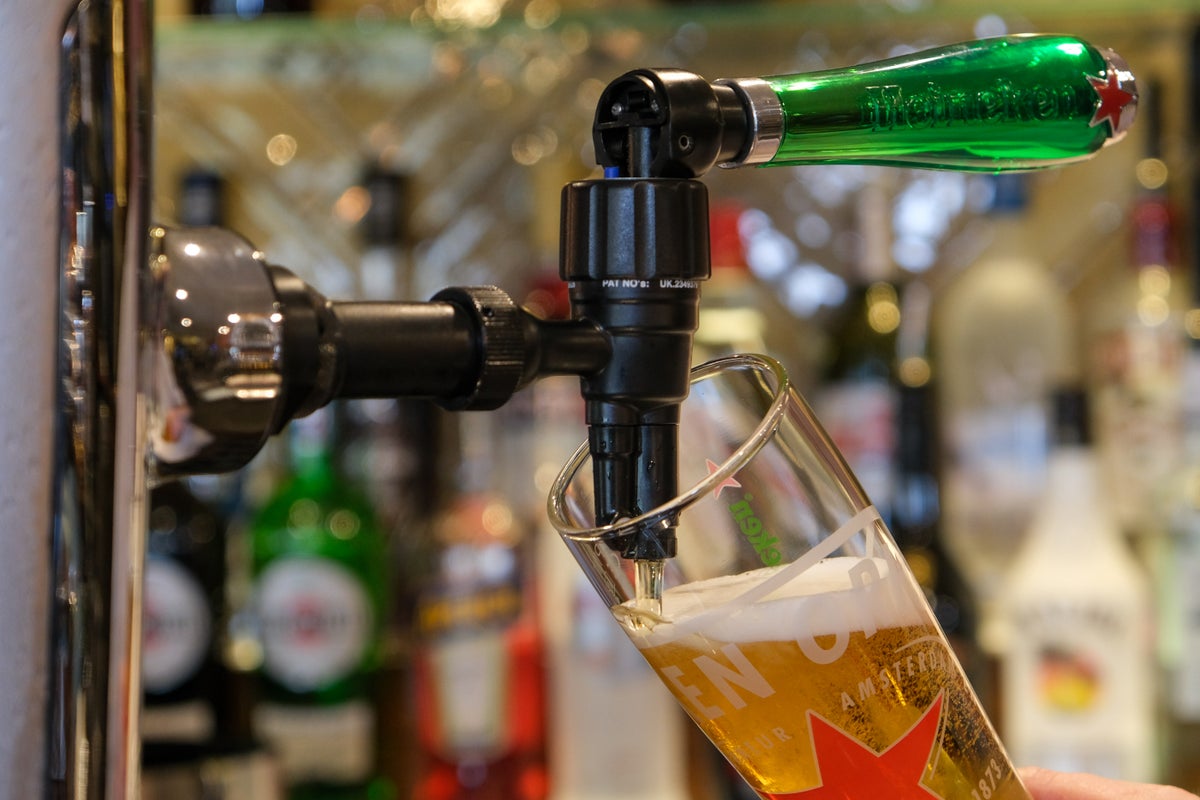
Heineken to invest £44.5m in hundreds of pubs creating 850 jobs
-

 Fashion1 week ago
Middle East conflict clouds India’s FY27 GDP forecast of 7-7.4%: Govt
-

 Politics1 week ago
Two women die on migrant boat seeking to reach UK
-

 Entertainment1 week ago
Jelly Roll reacts to daughter Bailee Ann’s major life milestone
-
 Business1 week ago
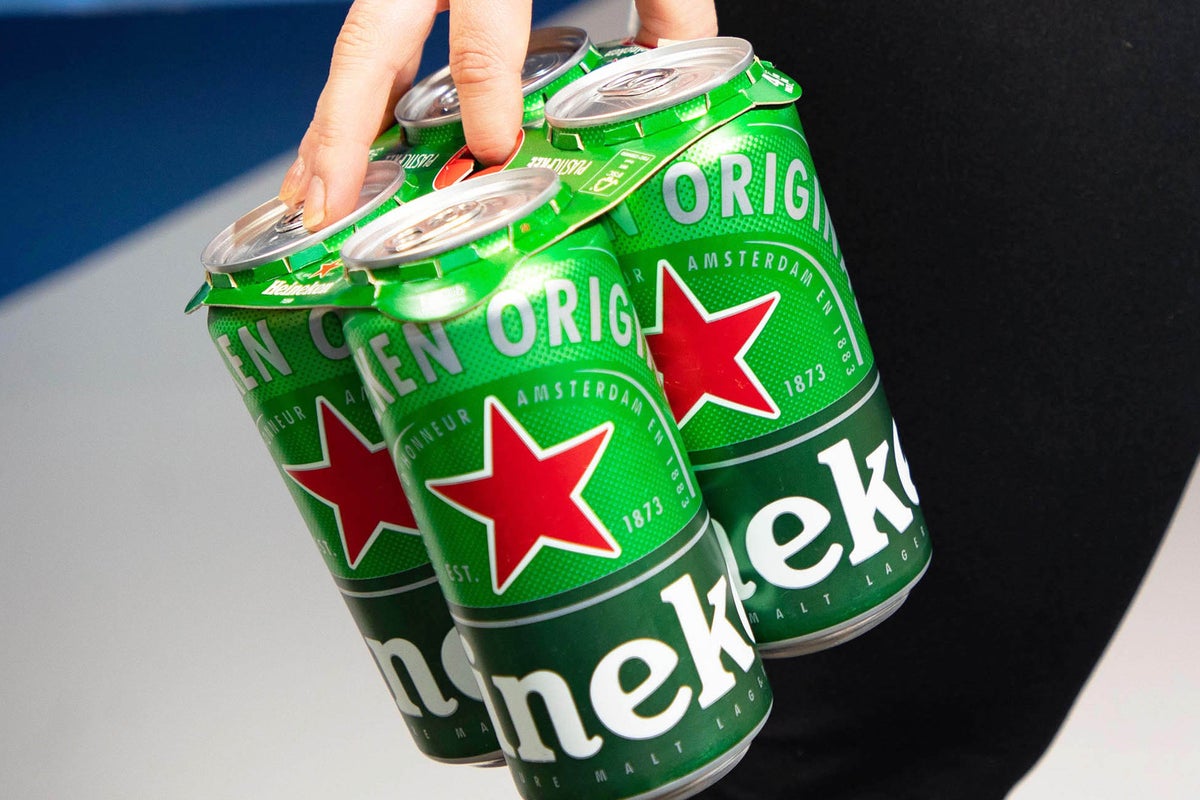
Heineken plans huge investment in hundreds of UK pubs ahead of World Cup