

Tech
An Engineer’s Post Protesting Laptop Surveillance Is Going Viral Inside Meta

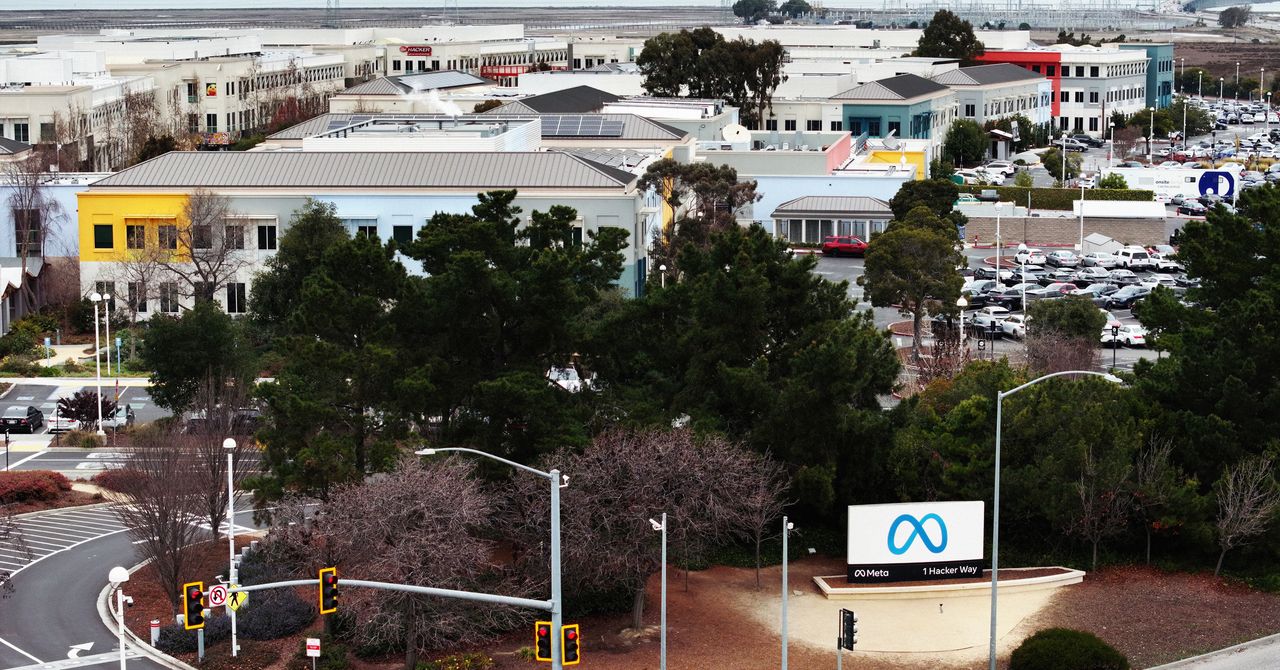
Meta’s decision to track employee keystrokes and mouse data is causing an uproar within the company. “Selfishly, I don’t want my screen scraped because it feels like an invasion of my privacy,” wrote an engineer in an internal post seen by nearly 20,000 coworkers this week. “But zooming out, I don’t want to live in a world where humans—employees or otherwise—are exploited for their training data.”
The message aimed to rally support for a petition circulating inside the company since last Thursday that demands an end to what Meta calls the Model Capability Initiative. It’s a piece of mandatory software that Meta began installing on the laptops of US employees last month. The tool records employees’ screens when using certain apps with the goal of collecting “real examples of how people actually use” computers, including “mouse movements, clicking buttons, and navigating dropdown menus,” according to Reuters. Meta has yet to say whether the initial data is paying off.
“I’m mixed on Al. On one hand, I really enjoy using it to write software. On the other hand, I’m really nervous about its impact on the world,” the engineer wrote in an internal forum for coders. “And what kind of norms are we establishing about how the technology is used, and how people are going to be treated?”
The petition, also seen by WIRED, states that “it should not be the norm that companies of any size are permitted to exploit their employees by nonconsensually extracting their data for the purposes of Al training.”
In the US, employers generally have wide latitude to monitor workers’ devices for security, training, evaluation, and safety purposes. But using these tools to build datasets that instruct AI systems on navigating computers without human supervision appears to be a new tactic—and one that doesn’t sit right with many Meta workers. Over the past few years, several companies have jumped into the race to develop agentic AI models. But when gathering data, they have typically tapped volunteers, sometimes paid, who are willing to have their computer activity recorded.
Meta’s decision to move forward with its tracking tool despite weeks of protest from employees has become one of the leading reasons for what 16 current and former employees recently described to WIRED as record-low morale. It’s also the leading driver of an employee unionization effort at Meta’s UK offices.
“The workplace surveillance and training AI models is the number one thing,” says Eleanor Payne, a representative of United Tech and Allied Workers, which is helping organize Meta employees. She declined to specify the number of employees seeking to form a labor union but called it “significant” and unprecedented.
While only US employees are currently subjected to tracking, UK employees are concerned for their colleagues and the potential for expansion of the program. “I think of it pretty much as a breakdown of trust,” Payne says. New laws that eased unionization in the UK have encouraged employees about the chances of success, she adds.
In Meta offices in California and New York, workers have been posting flyers in cafeterias and other communal areas pointing colleagues to the petition. Two employees, speaking on the condition of anonymity because they were not authorized to speak to the media, say the company has removed some posters, with those on bathroom walls seemingly staying up longer.












The US Centers for Disease Control and Prevention is monitoring 41 people in the US for the Andes hantavirus after a cruise ship was hit with a rare outbreak, but the risk to the public remains low, according to health officials.
This includes a group of 18 passengers from the cruise ship who are now in quarantine facilities in Nebraska and Georgia. The agency is also monitoring passengers who returned home before the outbreak was identified and others who were exposed during travel, specifically on flights where a symptomatic case was present.
“Most people under monitoring are considered high-risk exposures, and CDC recommends that everyone under monitoring stay at home and avoid being around people during their 42-day monitoring period,” David Fitter, incident manager for the CDC’s hantavirus response, told reporters during a media briefing on Thursday. “We emphasize not to travel across all these groups.”
The Andes virus is a strain of hantavirus found in South America that can be transmitted from person to person. Typically, hantavirus is passed to humans when they come into contact with rodent droppings or urine. A respiratory virus, the disease can cause difficulty breathing and carries a fatality rate of around 35 percent. As of Thursday, the World Health Organization has confirmed 11 cases of the Andes virus among passengers of the MV Hondius cruise ship, including three deaths.
A Department of Health and Human Services official confirmed to WIRED that all Americans who were on board the Hondius at any point during its journey are now back in the US.
The CDC has legal authority to issue federal quarantine and isolation orders to prevent the spread of certain communicable diseases into or within the US. Fitter said on Thursday that the CDC is not using that authority to manage all 41 of the individuals who were potentially exposed to the hantavirus.
“Our approach is based on risk and evidence,” he said. “We are working closely with passengers and public health partners to ensure monitoring and rapid access to care if symptoms develop. Our goal is to work with them and alongside them, building plans based on their specific situations to protect the health and safety of passengers and American communities.”
Individuals will be monitored for 42 days, which is the amount of time it can take for hantavirus symptoms to appear after exposure. Symptoms begin as flu-like, with fever, muscle aches, and fatigue, then rapidly progress to severe respiratory distress.
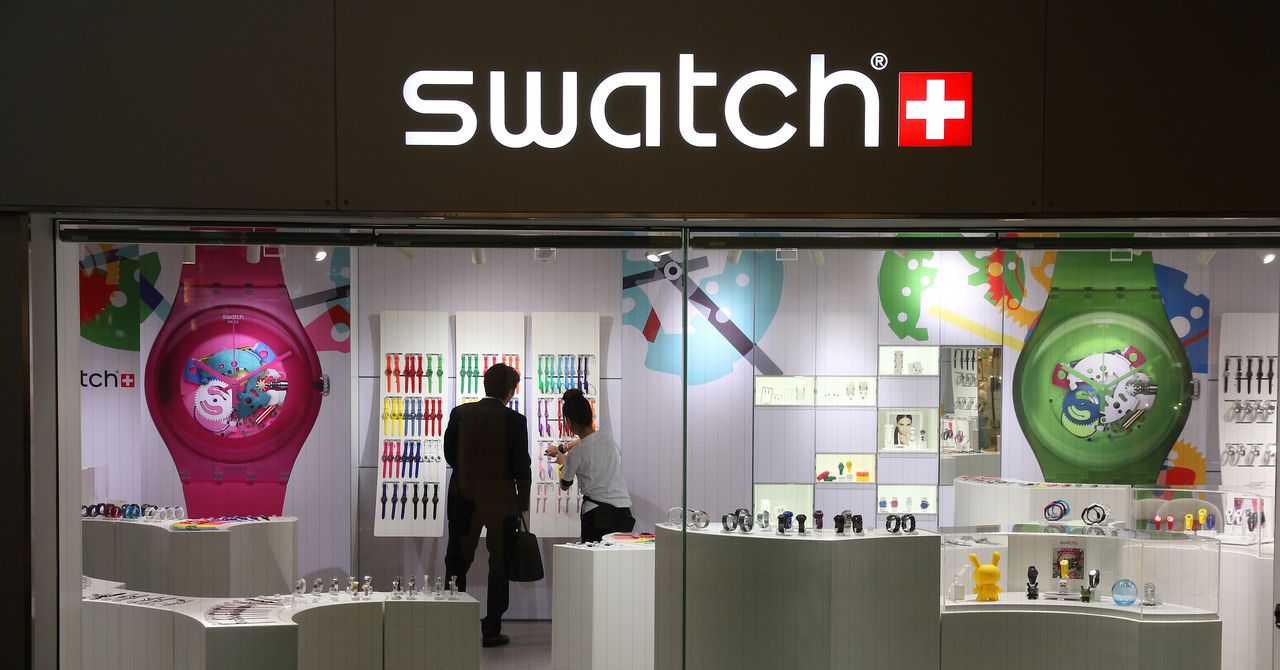
Laden with iconic Royal Oak design cues, most notably the octagonal case, eight-screw bezel, and Petite Tapisserie-patterned dial, the strapless design heavily references 1979’s Royal Oak Pocket Watch reference 5691. Inside is an entirely new hand-wound version of Swatch’s Sistem51 caliber, a movement that is completely machine assembled. Swatch has 15 active patents on this new iteration and has also squeezed in an impressive 90-hour power reserve. There’s even an antimagnetic Nivachron balance spring that was, incidentally, codeveloped with Audemars Piguet.
Swatch’s 1986 POP line, whose watch heads could be physically ejected from their frames and clipped elsewhere, has been plundered here to create a design that allows the Royal Pops to ping out of their bioceramic holder clips, too.
Why There’s No Wristwatch
The simple logic of the pocket watch design authorized by Audemars Piguet, which, unlike Omega, is not part of the Swatch Group, is that it doesn’t upset its existing high-net-worth customer base. Royal Oak owners will no doubt be breathing sighs of relief now that it’s confirmed a version of their coveted pieces won’t be coming to market for a mere few hundred bucks.
However, this doesn’t mean that AP would have been financially hit had it delivered what the public so clearly wanted. Omega, which was also concerned for its sales when shown the original MoonSwatch internal prototypes, enjoyed a sizable 50 percent bump in sales following the release of its budget cousin.
The Royal Pop pocket watch, cleverly, is a sidestep designed to generate as much hype as possible yet be as safe as can be for AP’s brand. The Royal Oak design language is unmistakable, but the wrist is off-limits. With Swatch, Audemars built something real for its aspirational fans; it just didn’t build them what they wanted.
What does Swatch get out of this? Valuable PR as well, but far more importantly, the potential of a much-needed sales hit. In 2025, the group posted a 6.75 percent drop in sales and a staggering 55.6 percent decline in operating profit, primarily attributed to a sharp drop in demand for its watches in China, Hong Kong, and Macau. Swatch Group shareholders are not happy.
How China Will Come to the Rescue
Here is where the story gets interesting for reasons neither Swatch nor AP planned. As Swatch resurrected its POP design, allowing the Royal Pop to be removed from its housing, within hours of the Royal Pop announcement, third-party strap brands seized on this prospect, looking to quickly fashion adaptations that convert the timepiece from pocket to wristwatch. As Royal Pops were designed to snap in and out of lanyards and desk stands, they should just as easily clip into bracelets and straps made specifically to receive them.
The market recognized in real time that the pocket watch from Swatch and AP tantalizingly contained all that was structurally needed to deliver the very wristwatch that the AI concepts had promised. All that was required now was something to connect the case to a wrist.

The Competition and Markets Authority (CMA) has formally launched its investigation into Microsoft’s business software to look at whether the provider of office productivity and database software should be categorised with strategic market status (SMS).
The CMA will be looking at whether Microsoft is making it difficult to integrate its products with that of other providers, which limits the ability of UK customers to gain access to the best products at the most competitive prices. The investigation will also consider Microsoft product bundling, a practice which can lead to Microsoft’s own products working more seamlessly together than if certain products are replaced by best-in-class third-party alternatives to solve specific business challenges.
The Windows software ecosystem is what has made Microsoft the dominate company that it is today and, as it builds out more and more artificial intelligence (AI) capabilities, there is a very real risk that new entrants and alternative AI engines may be unable to compete.
This is another aspect of the CMA investigation, where the regulator will assess how AI competitors are able to integrate with Microsoft’s business software, giving customers access to AI software across suppliers to best suit their needs. Another area of investigation is default settings in software, which can prevent customers from switching to alternative business software providers.
The CMA’s investigation will examine whether Microsoft has SMS in business software and consider whether it can use that position to limit customer choice. An SMS designation would enable it to consider whether to intervene on a key concern from its cloud market investigation – particularly Microsoft’s use of software licensing, which was found to be reducing competition in cloud services.
The CMA has been investigating concerns that Microsoft uses its dominant position in software (such as Windows Server and SQL Server) to limit competition in the cloud market by making it more expensive or difficult to host these products on rival platforms such as AWS or Google Cloud.
In March, the CMA announced that following engagement with Amazon Web Services (AWS) and Microsoft, the two companies agreed to make changes to cloud egress fees and product interoperability. Microsoft and AWS had been the subject of the CMA’s “cloud services market investigation”, which concluded last July and could have seen both companies designated with SMS.
With the Microsoft business software investigation, the CMA said it wants UK customers to be able to access the best tools in the market, and mix and match software and AI services from a broad range of competing suppliers. It said the investigation will examine Microsoft’s provision of a range of business software products used by UK organisations, including productivity software, personal computer and server operating systems, database management systems and security software.
Last month, Microsoft 365 Commercial cloud reported a quarterly revenue increase of 19%, and its Productivity and Business Processes business posted revenue of $35bn, an increase of 17% over the same period last year. Although there are commercial and open source alternatives to the Microsoft office productivity suite, it remains the de facto standard thanks, in part, to the dominance of the Windows operating system on business PCs.
Sarah Cardell, chief executive at the CMA, said: “Business software is a cornerstone of how the UK economy functions, from small businesses to major public services and infrastructure. Our aim is to understand how these markets are developing, Microsoft’s position within them and to consider what, if any, targeted action may be needed to ensure UK organisations can benefit from choice, innovation and competitive prices.”
The CMA’s nine-month investigation will include responses from customers, rivals and challenger technology, along with evidence submitted by Microsoft. It aims to reach a decision by February 2027.
Cardell has previously stated that an SMS designation would enable the CMA to address issues concerning Microsoft’s licensing practices in the cloud and ensure a level playing field as AI becomes embedded into business software. The CMA hopes the investigation will encourage a competitive and resilient business software market for UK businesses and the public sector.


Sugar exports banned till Sept 30 to check prices

We Now Know How Many People the CDC Is Monitoring for Hantavirus

Transformers in real life? China unveils 500kg robot that can break through concrete walls

-

 Tech7 days ago
A new frontier: Identity stack evolves for agentic systems | Computer Weekly
-

 Tech6 days ago
‘Orbs,’ ‘Saucers,’ and ‘Flashes’ on the Moon: Pentagon Drops New UFO Files
-

 Fashion6 days ago
New orders in German manufacturing up 5% MoM in Mar 2026: Destatis
-

 Tech6 days ago
Nick Bostrom Has a Plan for Humanity’s ‘Big Retirement’
-

 Sports6 days ago
Shaheen Afridi achieves landmark feat during opening Test against Bangladesh
-

 Fashion6 days ago
US’ Carter’s taps retail veteran Sharon Price John as new CEO
-

 Entertainment6 days ago
Rihanna embraces new tattoo given by children
-

 Tech7 days ago
The Canvas Hack Is a New Kind of Ransomware Debacle