

Fashion
Australian wool prices slip as fine merino demand weakens

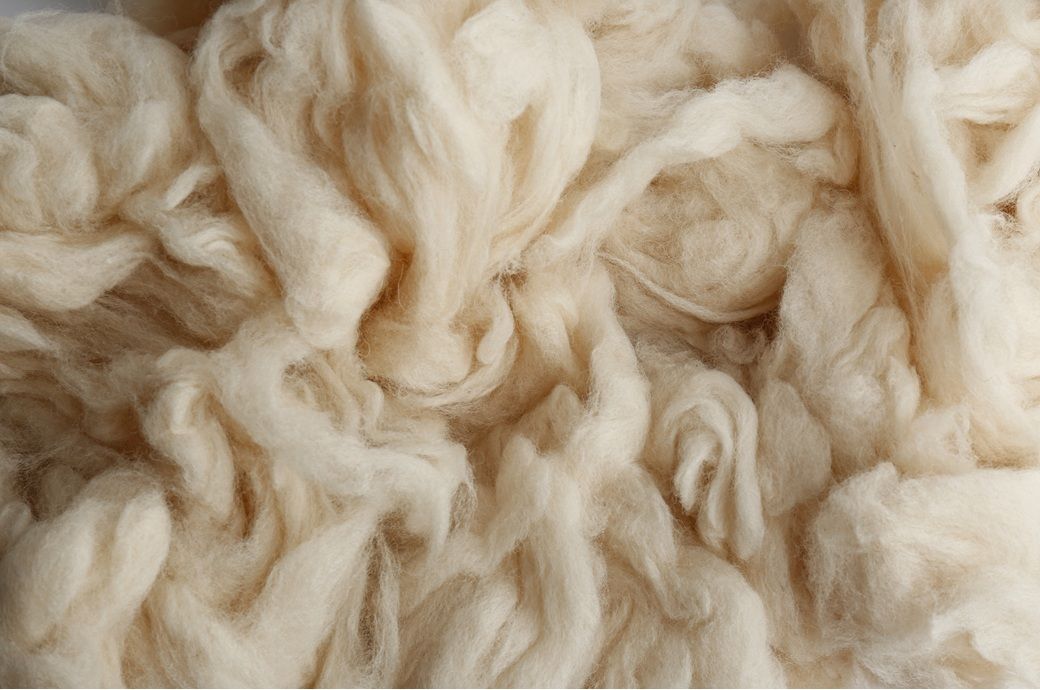
The Eastern Market Indicator (EMI) fell by 10 Australian cents to 1,876 ac/kg clean during the week. The US dollar-denominated EMI also declined by 10 US cents to 1,358 USc/kg clean. The Western Market Indicator (WMI) recorded the sharpest regional correction, dropping 22 ac/kg and 19 USc/kg.
Across the offering, Merino fleece wool softened, particularly in the medium Merino segment where buyer resistance became more evident. Fine Merino wool in the 16.5–19.0-micron range generally declined by 15–20 cents, while broader medium Merino categories between 19.5 and 21.0 microns fell by 25–30 cents across most selling centres. Despite the softer tone, trading remained selective rather than broadly weak.
Australia’s wool market eased in Week 46 of May 2026, with the Eastern Market Indicator falling 10 cents to 1,876 ac/kg clean as fine and medium Merino fleece prices weakened.
However, gains in crossbred wool and carding indicators helped limit overall losses.
Buyers remained selective, favouring lower-cost fibre blends amid manufacturing margin pressure and a stronger Australian dollar.
In contrast, crossbred wool ranging from 25–32 microns extended recent gains, rising by 20–25 cents in several categories. Southern 25-micron wool increased by as much as 50 cents during the week. Carding indicators also strengthened between 5 and 18 cents depending on the region, reflecting continued demand for lower-cost processing and blending wool.
Market analysts noted that buyers were not retreating from wool overall but were becoming increasingly selective at current fine wool price levels. Mills were seen shifting towards cheaper fibre blend categories such as crossbreds and cardings while resisting expensive fine Merino purchases, amid ongoing manufacturing margin pressure and efforts to manage input costs.
The stronger Australian dollar also added pressure on exporters and offshore buyers, contributing to cautious purchasing activity during the week.
Next week’s auction roster is expected to offer 31,334 bales, with Fremantle scheduled to sell on Tuesday only, while Sydney and Melbourne will conduct sales across Tuesday and Wednesday.
Fibre2Fashion News Desk (CG)









Rural consumption remains strong, driven by positive signals from farm and non-farm activity. Supported by fiscal stimulus, urban consumption shows a consistent uptick since the last festive season, the newsletter noted.
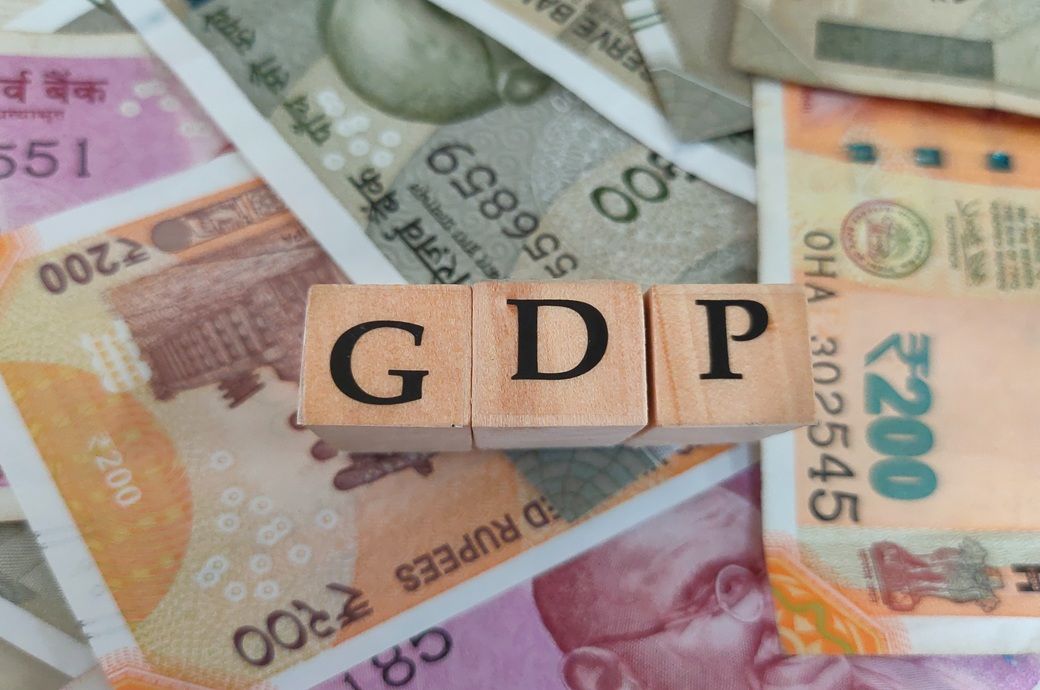
Overall, it expects Q4 FY26 real gross domestic product (GDP) growth of closer to 7.2 per cent and nowcasts full year FY27 GDP growth rate of 6.6 per cent. FY26 GDP growth is likely to be at 7.5 per cent.
Despite global headwinds, India has maintained strong growth momentum, an SBI newsletter said.
Rural consumption remains strong and urban consumption shows a consistent uptick since the last festive season.
It expects Q4 FY26 real GDP growth of closer to 7.2 per cent and nowcasts FY27 GDP growth rate of 6.6 per cent.
FY26 GDP growth is likely to be at 7.5 per cent.
It is high time for the country to rededicate towards artificial intelligence-led productivity gains, competitiveness and global value chain integration, the newsletter mentioned.
With a consumption boost by the government through goods and services tax, credit continued to grow in the second half (H2) of FY26. The same trend is continuing now, and credit grew by 16 per cent as of April 30, 2026.
However, the credit growth is expected to remain robust during the H1 FY27 and will decline in H2 with high base effect. The full year, credit growth is expected at 13-14 per cent, as per the newsletter.
Domestic consumption is expected to hold GDP growth upwards, despite external crisis, especially the Middle East crisis.
Fibre2Fashion News Desk (DS)

The initiative aims to help Bangladesh’s garment exporters comply with the European Union’s mandatory DPP regulation, which will come into force in 2027. The agreement was signed in Dhaka by BGMEA Vice President Vidiya Amrit Khan and AWARE Founder and Managing Director Feico van der Veen.
Bangladesh’s readymade garment (RMG) sector is set to adopt blockchain-based transparency and Digital Product Passport (DPP) systems ahead of the European Union’s 2027 regulations.
BGMEA and Dutch traceability platform AWARE signed an MoU to enable end-to-end traceability of fibres, yarns, and garments through blockchain-backed digital records, helping exporters strengthen compliance.
Under the partnership, BGMEA member factories will be able to generate blockchain-anchored digital records tracing garments from fibre origin to finished products. The system will provide verified information on raw material sourcing, production processes, and environmental footprint through QR-code-enabled Digital Product Passports.
The move is significant for Bangladesh’s garment industry, which depends heavily on imported fibres and yarns from countries such as China and India. Through blockchain-backed data tokens created at the fibre and yarn production stage, traceable information will move across borders along with physical shipments, enabling end-to-end supply chain visibility.
According to BGMEA, the adoption of blockchain-based traceability will help garment manufacturers improve transparency, strengthen compliance, and position Bangladesh as a reliable sourcing destination for European brands facing stricter sustainability and traceability requirements under the EU’s Ecodesign for Sustainable Products Regulation (ESPR).
The agreement also ensures that factories retain ownership and control over all production data generated through the platform. Pilot projects involving selected spinners and garment manufacturers are expected to begin immediately to develop cross-border fibre-to-garment DPP supply chains connecting Bangladesh with European buyers.
Fibre2Fashion News Desk (CG)
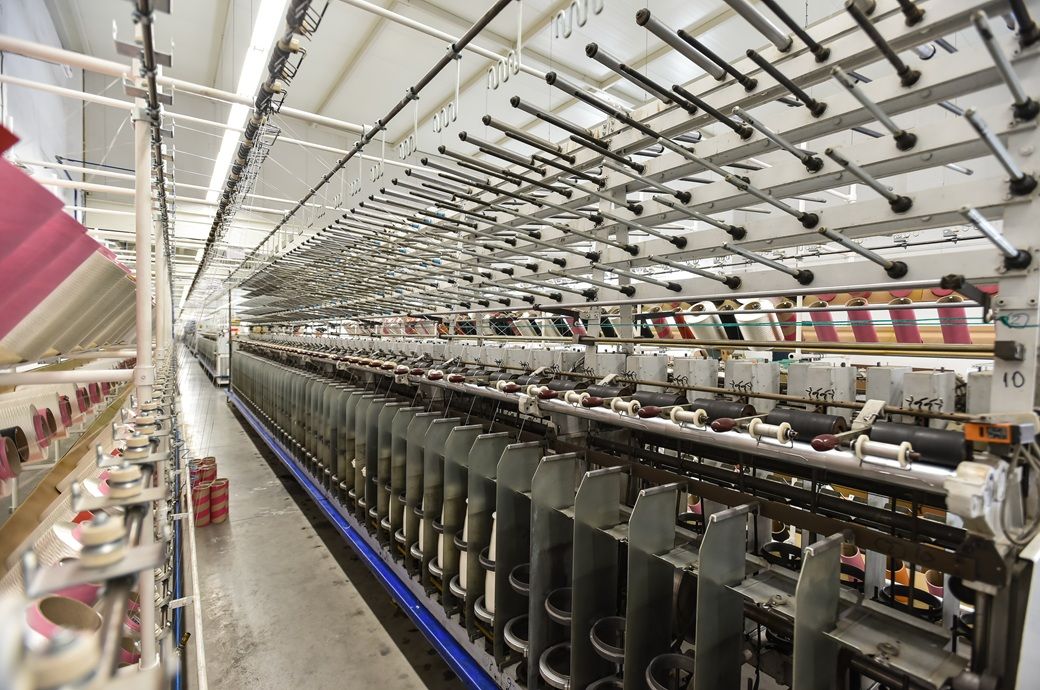
He said the four new codes consolidated 29 labour laws into a simplified and contemporary framework.
Now that India has operationalised four new pro-worker and business friendly labour codes, the Ministry of Labour and Employment plans to come up with a comprehensive employment policy that will serve as a blueprint for employment generation, minister handling the portfolio Mansukh Mandaviya said.
“Labour and industry should complement each other and adapt to change for effective coordination,” he said.
“Labour and industry should complement each other and adapt to change for effective coordination,” he recently told the Confederation of Indian Industry (CII) Summit.
The government published the final rules across the four codes earlier this month, making them fully operational.
The four codes are the Code on Wages, 2019; the Industrial Relations Code, 2020; the Code on Social Security, 2020; and the Occupational Safety, Health and Working Conditions Code, 2020. These came into effect on November 21, 2025.
Fibre2Fashion News Desk (DS)


India’s FY26 GDP growth estimated at 7.5%: SBI

The US Is Using AI to Hunt Down Insider Trading on Polymarket

Trump leaves Beijing with few wins, many warm words for Xi

-

 Tech1 week ago
A new frontier: Identity stack evolves for agentic systems | Computer Weekly
-

 Tech7 days ago
‘Orbs,’ ‘Saucers,’ and ‘Flashes’ on the Moon: Pentagon Drops New UFO Files
-
 Fashion7 days ago
New orders in German manufacturing up 5% MoM in Mar 2026: Destatis
-

 Tech7 days ago
Nick Bostrom Has a Plan for Humanity’s ‘Big Retirement’
-

 Tech1 week ago
What Microsoft Executives Really Thought About OpenAI in 2018
-

 Sports7 days ago
Shaheen Afridi achieves landmark feat during opening Test against Bangladesh
-

 Fashion7 days ago
US’ Carter’s taps retail veteran Sharon Price John as new CEO
-

 Entertainment7 days ago
Rihanna embraces new tattoo given by children