

Business
Oil price gains and Westminster worry sink stocks


The FTSE 100 slumped on Friday as talks between the US and China failed to deliver hoped for progress on the Middle East, adding to jitters caused by domestic political uncertainty.
“There’s a downbeat feel around at the end of the week as big problems crowd in, without resolutions in sight,” said Susannah Streeter, chief investment strategist at Wealth Club.
The FTSE 100 closed down 177.56 points, 1.7%, at 10,195.37.
The FTSE 250 ended down 231.93 points, 1.0%, at 22,596.14, and the AIM All-Share fell 8.23 points, 1.0%, at 808.89.
For the week, the FTSE 100 fell 0.4%, the FTSE 250 lost 1.1% and the AIM All-Share shed 0.6%.
Investors were left disappointed as highly anticipated talks between US President Donald Trump and Chinese leader Xi Jinping failed to deliver major breakthroughs on the Middle East war or trade relations.
“The meeting… was big on warm words and symbolism but not outcomes,” said Ms Streeter.
“With diplomatic efforts aimed at resolving the Middle East conflict in limbo, fresh uncertainty has flooded in,” she added.
The White House said the leaders had “agreed that the Strait of Hormuz must remain open to support the free flow of energy”.
But investors had hoped for more progress towards reopening the crucial strait, where oil tanker traffic has ground to a near standstill since the outbreak of the war, sending energy prices soaring.
The lack of progress pushed oil prices higher once more.
Brent crude for July delivery was trading at 108.83 dollars a barrel on Friday, up compared with 104.92 dollars at the time of the equities close in London on Thursday.
In Europe on Friday, the CAC 40 in Paris ended down 1.6%, and the DAX 40 in Frankfurt slid 2.1%.
In New York, the Dow Jones Industrial Average was down 0.9%, the S&P 500 fell 1.0%, and the Nasdaq Composite was 1.2% lower.
In London, sentiment was further knocked by another wave of worry about political instability as Mayor of Greater Manchester Andy Burnham pledged to fight for a return to Westminster, where he is likely to launch a leadership challenge to Prime Minister Sir Keir Starmer.
“Burnham’s big hurdle of course is winning the by-election and so this leadership race looks set to be long and cumbersome. Another bout of political infighting, with yet another Prime Ministerial shuffle under way is hardly a good look for a country which needs to portray stability to attract investment,” said Ms Streeter.
The double whammy of Middle East and Westminster uncertainty saw UK government borrowing costs soar and the pound sink.
The yield on 10-year gilts traded at 5.17% compared with 5.00% at the same time the day before.
ING said the biggest risk here is that investors begin to question the UK’s longer-term fiscal discipline.
“Gilt markets rely on foreign investors and any signs that fiscal dynamics risk turning unsustainable could quickly turn sentiment,” ING explained.
“Until we get a better understanding around the fiscal path forward, political risk premium is likely to keep rising. A rise towards 5.30% is quite possible in the near term,” ING added.
The pound fell against the dollar to 1.3319 dollars on Friday afternoon from 1.3480 dollars on Thursday. Against the euro, sterling ebbed to 1.1462 euros from 1.1549 euros on Thursday.
The euro traded lower against the greenback, at 1.1622 dollars on Friday, from 1.1677 dollars on Thursday. Against the yen, the dollar was trading at 158.68 yen, higher than 158.14 yen.
The yield on the US 10-year Treasury widened to 4.58% on Friday from 4.46% on Thursday. The yield on the US 30-year Treasury stretched to 5.12% from 5.01%.
On a quiet day for company news, reports of possible bids drove price moves for Hiscox and Magnum Ice Cream.
Bermuda-based insurance provider Hiscox topped the FTSE 100 leaderboard, up 12%, as Insurance Post reported Canada’s Intact Financial Corp was exploring a potential bid.
Citing multiple sources, Insurance Post said Intact is exploring a potential bid for Hiscox as it tries to build out its commercial lines business.
Meanwhile, Magnum Ice Cream jumped 9.4% as Reuters named Blackstone and Clayton, Dubilier & Rice as among several private equity firms in the early stages of exploring bids for the owner of Cornetto and Ben & Jerry’s which was spun out of Unilever less than six months ago.
But analysts at JPMorgan think a deal will not be straightforward and say tax considerations may limit the potential for a Magnum takeover in the near term.
In a research note, published after the Reuters report, JPM explained that since the separation of Magnum was a tax-free de-merger, the company has agreed to refrain from actions that could create a tax liability – including for two years being restricted from engaging in “certain acquisition, merger, liquidation, sale, and stock redemption transactions”.
In addition, Magnum has agreed to indemnify Unilever for any taxes or losses if the de-merger fails to qualify as tax-free.
Thus, JPM said it sees the likelihood of a takeover as “remote” given these constraints.
Among the blue chip losers, miners sank amid falling metals prices. Fresnillo fell 10%, Antofagasta dropped 11% and Anglo American fell 5.7%.
Gold traded at 4,544.53 dollars an ounce on Friday, down from 4,688.75 dollars on Thursday. The price of silver was 8.5% lower from the day before and copper around 5.0% lower.
Political uncertainty and rising gilt yields weighed on utilities, with Severn Trent down 8.0%, SSE down 7.7% and United Utilities down 7.5%.
The biggest risers on the FTSE 100 were Hiscox, up 202p at 1,841p, 3i Group, up 98p at 2,210p, JD Sports Fashion, up 1.76p at 72.02p, Relx, up 58p at 2,423p and BP, up 11.5p at 552.2p.
The biggest fallers on the FTSE 100 were Airtel Africa, down 39.8p at 328.4p, Antofagasta, down 457p at 3,810p, Fresnillo, down 372p at 3,335p, Severn Trent, down 252p at 2,882p and National Grid, down 102.5p at 1,188p.
Monday’s global economic calendar has China industrial production, retail sales and unemployment data before GDP data in Switzerland.
Monday’s local corporate calendar has full-year results from airline Ryanair and self-storage operator Big Yellow.
Contributed by Alliance News
Business
PM Modi’s UAE visit: How India will benefit from agreements on strategic petroleum reserves, LPG – explained
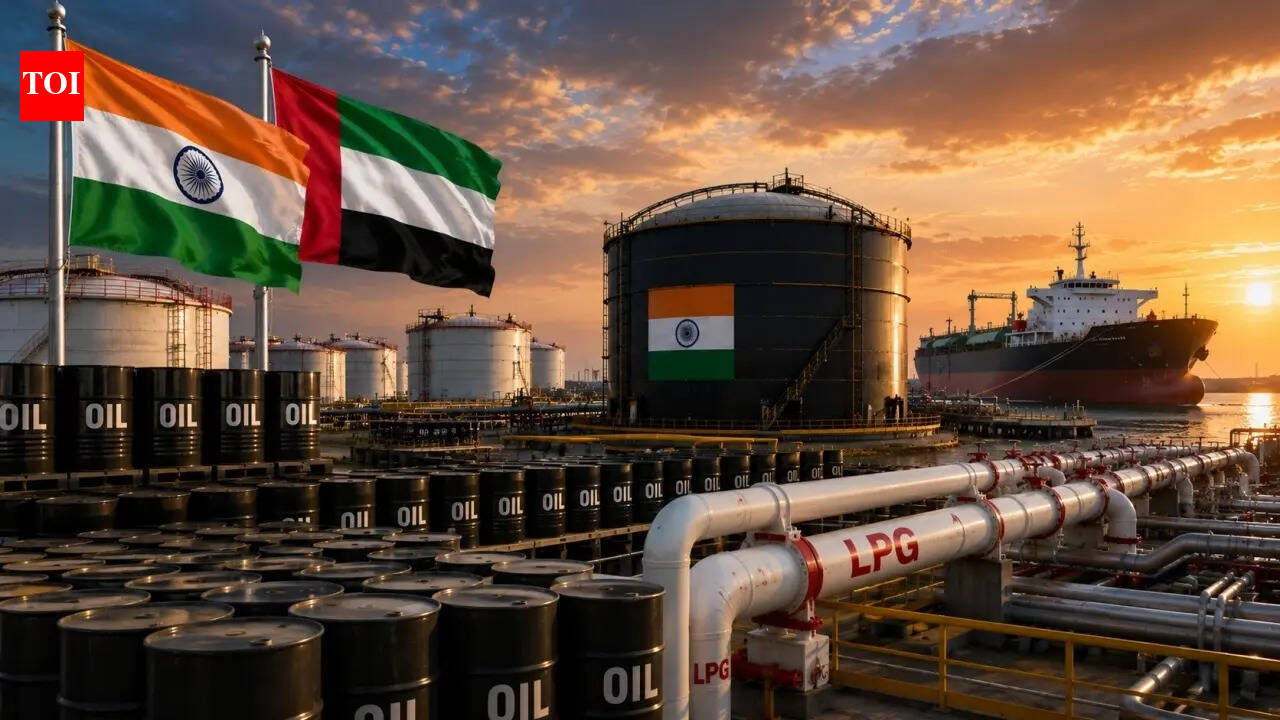
India’s energy security received a major boost on Friday when two important Memorandum of Understanding (MOUs) were signed during PM Narendra Modi’s visit to the UAE on Friday. India imports close to 90% of its crude requirements, making the country vulnerable to geopolitical disruptions, shipping bottlenecks, sanctions, and price volatility. This vulnerability has been exposed during the ongoing US-Iran conflict, with the disruption of supplies via Strait of Hormuz dealing a blow.The two agreements pertain to building strategic petroleum reserves for India, and ensuring long-term LPG and LNG supply. “This UAE visit also saw the conclusion of key agreements across vital areas such as energy, defence, infrastructure, shipping and advanced technology, giving fresh impetus to the India-UAE Comprehensive Strategic Partnership,” PM Modi said on social media.“In another important development, UAE announced investments worth $5 billion in India. This will further deepen economic ties,” he said.UAE is one of India’s top five crude oil suppliers and its geographical proximity to India makes supply available at a short notice. Hence having UAE store oil for India, and also help build oil reserves in India acts as a booster. UAE’s recent move from OPEC and OPEC+ will also work to India’s benefit since it allows the Middle East country to step up oil production, believe experts.
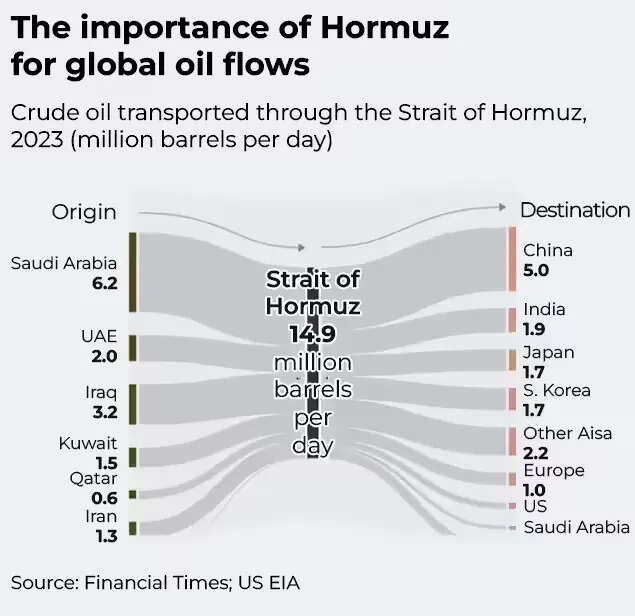
In fact, according to Kpler data recent crude trade flows show that India’s imports from the UAE during late April and May have already recovered to levels broadly comparable to what it was importing prior to the conflict escalation. This highlights how closely both countries have coordinated despite the challenging market environment.What do the new agreements between UAE and India entail? How will India’s energy security plans get a boost?
Energy Security MOUs with UAE: Top Facts
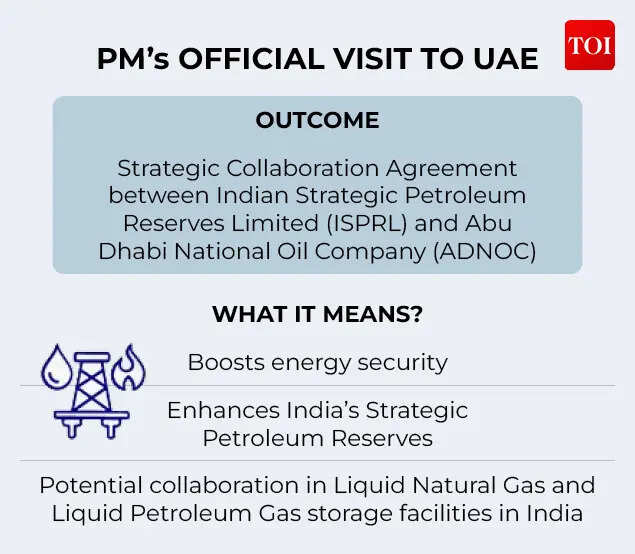
According to press release from the Prime Minister’s Office, the two energy security related agreements signed today will have the following scope:MoU on Strategic Collaboration between Indian Strategic Petroleum Reserves Limited (ISPRL) and Abu Dhabi National Oil Company (ADNOC)
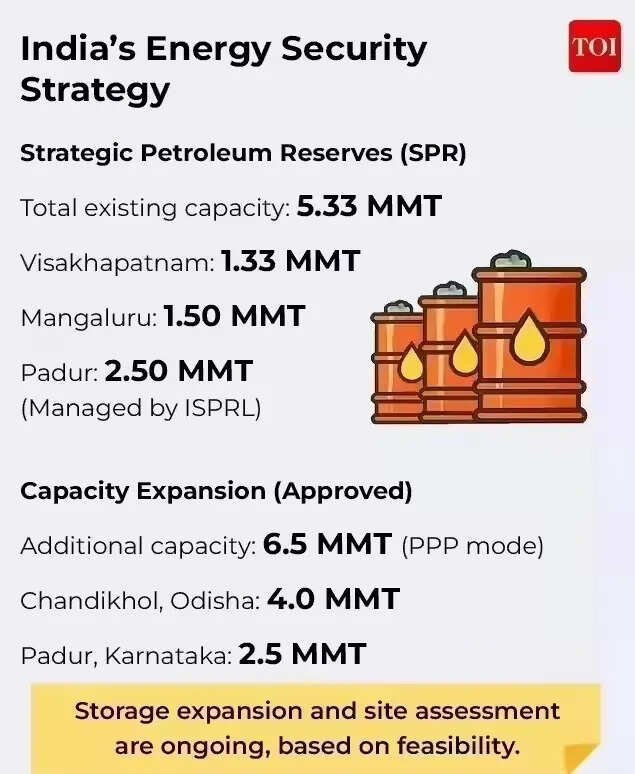
- There will be potential ADNOC crude oil storage in India’s Strategic Petroleum Reserves up to 30 million barrels. This includes its participation in facilities in Vishakhapatnam, Andhra Pradesh; and the development of reserve facilities in Chandikol, Odisha.
- Potential storage of crude oil in Fujairah, UAE, to form part of the Indian strategic petroleum reserve;
- Potential collaboration in Liquid Natural Gas (LNG) and Liquid Petroleum Gas (LPG) storage facilities in India.
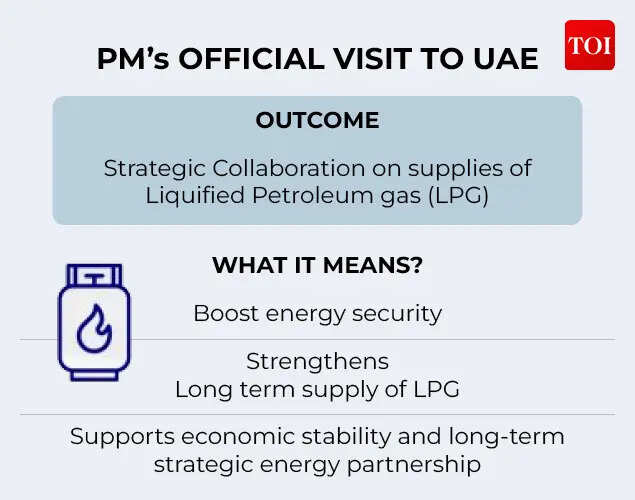
Strategic Collaboration Agreement between Indian Oil Limited (IOCL) and ADNOC on supplies of LPG
- Under this, the agreement is to explore potential opportunities in the sale and purchase of LPG. This includes long-term supply of LPG, and entry into a long-term LPG sale and purchase agreement between ADNOC Gas Limited and IOCL.
India has strategic petroleum reserves at Visakhapatnam, Mangaluru, and Padur. Capacity expansion is approved with reserves at Chandikol, and Padur. The MOU with the UAE aims to help enhance these reserves in India, while also storing oil in Fujairah for India. Storage of oil at Fujairah will also help reduce India’s dependence on the Strait of Hormuz for transit of oil.
How the energy security agreements with UAE benefit India
Experts have hailed the MOUs, calling them game-changing for India’s energy security in the long-term. The importance of having strategic petroleum reserves has been brought to light with stark clarity due to the US-Iran war, exposing gaps in energy security of major economies. India, the world’s sixth largest economy, has faced shock like never before in recent times.Gaurav Moda, Partner & Leader, Energy sector, EY-Parthenon India says, “India and UAE have a long shared history and diaspora, increasingly closer in recent times. Given the global uncertainties, such bilateral engagement is timely and mutually beneficial to both countries in a major way. It may further pave the way for multiple new avenues in energy cooperation at G2G level as well as across energy majors from both countries.”First, let’s understand why strategic petroleum reserves are important – in times of geopolitical instability or any maritime freight disruptions that may be caused around key chokepoints such as the Strait of Hormuz (as is the case with the US-Iran conflict), it is a country’s strategic reserves that act as an effective buffer against supply shocks. They can help stabilize the domestic supply and also reduce any panic buying that may ensue in the market.
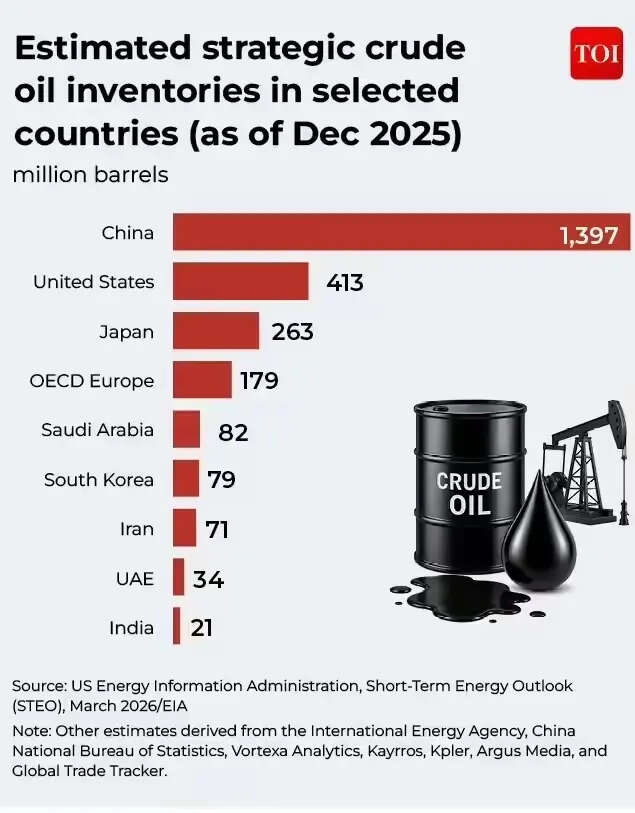
Compared to other major economies in the world like the US, Japan, and China, India’s strategic oil reserves fall way short, and the agreements are a step in the right direction to ramp up capacity.For Sourav Mitra, Partner – Oil & Gas, Grant Thornton Bharat, the announcement on strategic petroleum reserves has ‘monumental implications for India’.The main challenge here is not just securing access to energy but also managing uncertainty arising from geopolitical tensions. The value of strategic reserves lies in creating room for thinking. “Larger and more collaborative reserve arrangements can reduce exposure to short-term volatility, and provide policymakers with more space to respond during crises. It also enables a shift in thinking from immediate procurement to long-term risk management, where energy security is built through buffers and resilience,” Mitra tells TOI.
“The significance of such partnerships is increasing because the global energy landscape is becoming more uncertain. Disruptions today can emerge from geopolitical events, with little warning. In that context, strategic reserves are no longer just emergency storage assets but strategic instruments that strengthen national energy resilience and support more stable long-term planning,” he adds.Hence, the biggest takeaway is clear: The agreements could have significant implications for India’s energy security and supply diversification strategy.According to Sumit Ritolia, Manager Modelling and Refining at Kpler, the MoUs represent an important step in strengthening the long-term energy partnership between India and the UAE, particularly at a time when global energy markets remain highly sensitive to geopolitical disruptions, freight risks, and supply security concerns. “The agreement around Strategic Petroleum Reserves is especially important for India given its heavy dependence on imported crude oil. Enhanced cooperation with the UAE on reserves could help India strengthen its emergency crude storage capabilities, improve access to strategic barrels during supply disruptions, and provide greater flexibility in crude procurement and inventory management,” Sumit Ritolia tells TOI.“Closer cooperation with ADNOC and UAE entities could also support commercial storage arrangements, optimized crude stocking strategies, and potentially quicker access to Middle Eastern crude during emergencies,” he adds.What about LPG? More than crude oil, the US-Iran war dealt a blow to India’s LPG supply. Similar to crude oil, India is heavily dependent on imports for its LPG needs. But unlike crude which has several suppliers across the globe for India, the LPG requirement is majorly met through the Middle East – hence exposing the vulnerability.Sumit Ritolia of Kpler says that the long-term LPG supply agreement is equally significant as India’s LPG demand continues to rise steadily due to residential consumption growth, urbanization, and government-led clean cooking fuel initiatives. “India remains structurally dependent on LPG imports despite increasing domestic refinery and gas processing output. Securing long-term LPG supply arrangements with the UAE can help India reduce reliance on volatile spot cargo markets, improve supply visibility, and enhance affordability and availability for domestic consumers,” he says.Stable long-term contracts can also help India better manage seasonal demand spikes and reduce exposure to sharp price swings in international LPG benchmarks. Given the importance of LPG in India’s household energy mix, ensuring reliable imports remains a strategic priority, he adds.
Broader Energy Cooperation
As the Kpler expert notes: beyond crude and LPG, the broader energy cooperation framework further deepens the India-UAE strategic relationship across the hydrocarbon value chain. This may include collaboration in upstream investments, refining, petrochemicals, storage infrastructure, energy trading, logistics, and potentially cleaner energy transitions over the longer term. “For India, stronger integration with a reliable Gulf supplier such as the UAE improves diversification, strengthens supply chain resilience, and supports long-term energy planning. From the UAE’s perspective, India remains one of the world’s fastest-growing energy demand centers and an important long-term market for crude oil, LPG, and petrochemical products,” he says.Which is not to say that India’s immediate energy supply crunch will disappear. The agreements will yield long-term benefits, but short-term supply constraints remain as the Strait of Hormuz is still closed.“The immediate short-term impact (of the MOUs) may remain somewhat limited as trade flows through the Strait of Hormuz continue to face restrictions and elevated geopolitical risks. However, the strengthening of India-UAE energy ties clearly improves India’s positioning in terms of supply preference, bilateral coordination, and long-term import security,” Ritolia opines.“Overall, the agreements reinforce India’s broader strategy of securing diversified and reliable energy partnerships while improving preparedness against future market disruptions. At a time when energy security has become increasingly intertwined with geopolitics, logistics, and trade flows, these MoUs could provide India with greater supply stability, strategic flexibility, and stronger coordination with one of its key Middle Eastern energy partners,” he concludes.

HALIFAX, NOVA SCOTIA — Michael MacGillivray sees the arrival of Chinese electric vehicles in Canada as a potential game changer.
“I think it is going to a be a huge eye opener,” said MacGillivray, who oversees 10 dealerships in Nova Scotia and New Brunswick, Canada.
As the CEO of Century Auto Group and SIGMA Auto Group, MacGillivray is working to become one of the dealers in the country who will sell imported Chinese EVs. In April, he went to the Beijing Auto Show with other dealers from Canada to establish relationships with Chinese automakers and get a feel for the cars and SUVs they could eventually export to his country.
“When I was in China, I was very impressed by the Chinese vehicles,” he said. “They have materials that are second to none. Their styling is impressive. The ride is very impressive.”
Not everyone likes the idea of Canada allowing the sale of EVs imported from China.
The Canadian Vehicle Manufacturers’ Association said the decision to allow the sale of Chinese-made EVs was deeply concerning.
President Donald Trump is even more harsh, calling the move “a disaster.” U.S. Transportation Secretary Sean Duffy posted on X, “Canada will live to regret the day they let the Chinese Communist Party flood North America with their EVs.”
Officially, Canada is allowing just 49,000 Chinese-made EVs to be imported for retail sales annually at a tariff rate of 6.1%, a fraction of the 100% tariff that is in place for all other vehicles China would export to Canada.
That lower tariff for EVs has convinced Chinese automakers it’s time to set up dealerships.
“We received nearly 400 inquiries from different dealers across Canada who are very interested and excited to represent any of these Chinese brands,” said Farid Ahmad, CEO of DSMA, an auto dealership broker in suburban Toronto.
Ahmad is connecting dealers with Chinese automakers like BYD, Geely and Chery.
“I think from their perspective it gives them a foothold in the North American market,” he said.
General Motors, Ford, Toyota and Hyundai sell the most vehicles in Canada, according to S&P Global. Last year, industry sales topped 1.9 million vehicles, slightly more than all of the vehicles sold in California in 2025.
Limiting the number of China EV sales with a low tariff to just 49,000 vehicles is one way for Canadian leaders to put guardrails on allowing the Chinese to enter Canada’s auto market.
“They’re being careful in terms of how much volume is being allowed in,” said Michael Robinet, vice president of forecast strategy for S&P Global Mobility, an automotive industry consulting firm. “Anywhere between 3% to 5% of the market is sizable but, nonetheless, not something that will change the competitive dynamic significantly.”
On the streets of Nova Scotia, Canadians told CNBC they are curious and eager to have the chance to buy electric models from China.
“I think they will destroy the market in a good way,” said Canadian Patrick Hunt.
“So, definitely more chances, more options for people to choose different vehicles,” Canadian Daniel Haim said, “With what’s going on with gas prices, I think that it’s going to work out well for any Chinese manufacturer coming here, especially with electric vehicles.”
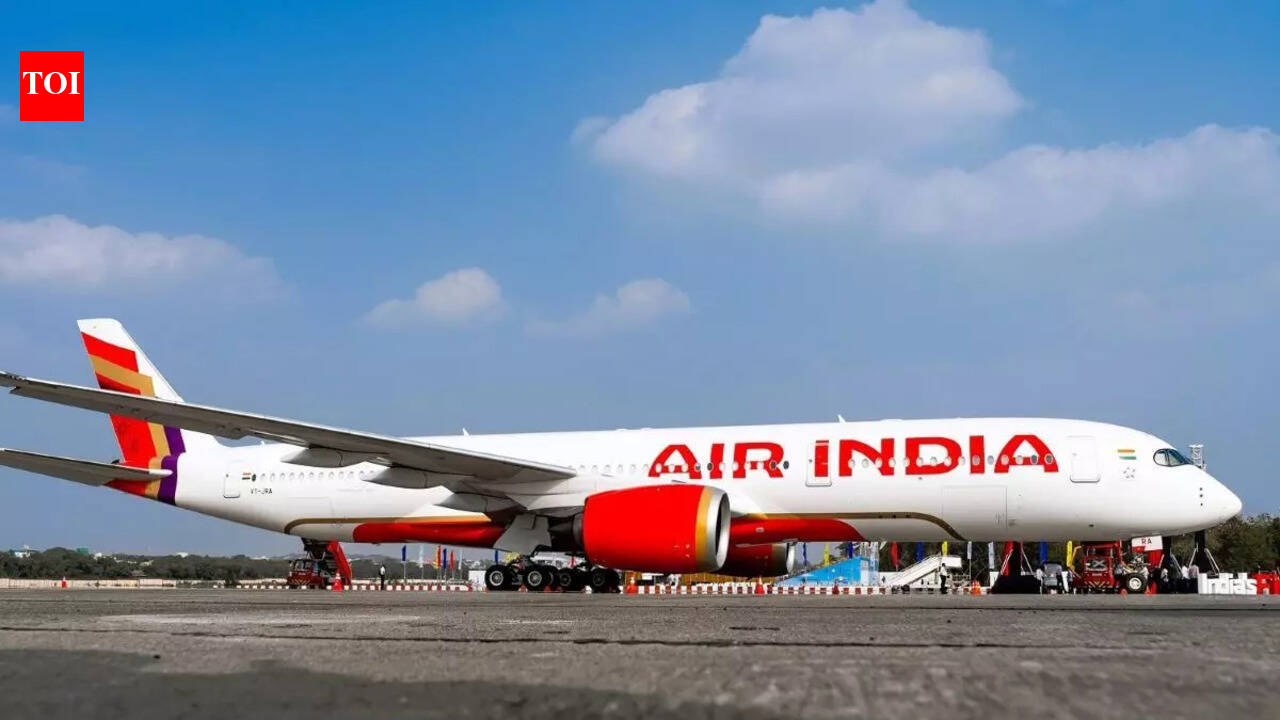
New Delhi: Strengthening its International feed from Punjab, Air India has started a twice-daily service between Delhi and Ludhiana (Halwara) from Friday. The airline expects a very strong connecting traffic from this flight at its Delhi hub to feed its widebodies operating to rest of the world from IGIA. Ditto on the way back. Meanwhile, AI also got its second line fit Boeing 787-9 that boasts of passenger friendly amenities.“Air India (Friday) commenced operations to Ludhiana (Halwara), becoming the first airline to operate commercial services to the newly operational airport, connecting Ludhiana to Delhi and beyond to destinations around the world…. The new flights to and from Ludhiana are timed to offer seamless onward connectivity via Delhi to Air India’s international network, including to destinations such as London, Paris, Milan, Rome, and Birmingham, enabling guests to travel seamlessly using a single ticket and unified baggage allowance, with through check-in of baggage. Air India guests will also enjoy the convenience of same-terminal transfers at Delhi airport to connect between their domestic and international flights,” AI said in a statement.


Greg Brockman Officially Takes Control of OpenAI’s Products in Latest Shakeup

Five takeaways from Trump and Xi’s superpower summit
Oil price gains and Westminster worry sink stocks

-

 Tech1 week ago
A new frontier: Identity stack evolves for agentic systems | Computer Weekly
-

 Tech1 week ago
‘Orbs,’ ‘Saucers,’ and ‘Flashes’ on the Moon: Pentagon Drops New UFO Files
-

 Fashion1 week ago
New orders in German manufacturing up 5% MoM in Mar 2026: Destatis
-

 Tech1 week ago
Nick Bostrom Has a Plan for Humanity’s ‘Big Retirement’
-

 Tech1 week ago
What Microsoft Executives Really Thought About OpenAI in 2018
-

 Sports1 week ago
Shaheen Afridi achieves landmark feat during opening Test against Bangladesh
-

 Fashion1 week ago
US’ Carter’s taps retail veteran Sharon Price John as new CEO
-

 Entertainment7 days ago
Rihanna embraces new tattoo given by children