

Business
A new high on Wall Street! Dow and S&P 500 set new records; Nasdaq dragged down by Oracle results – The Times of India

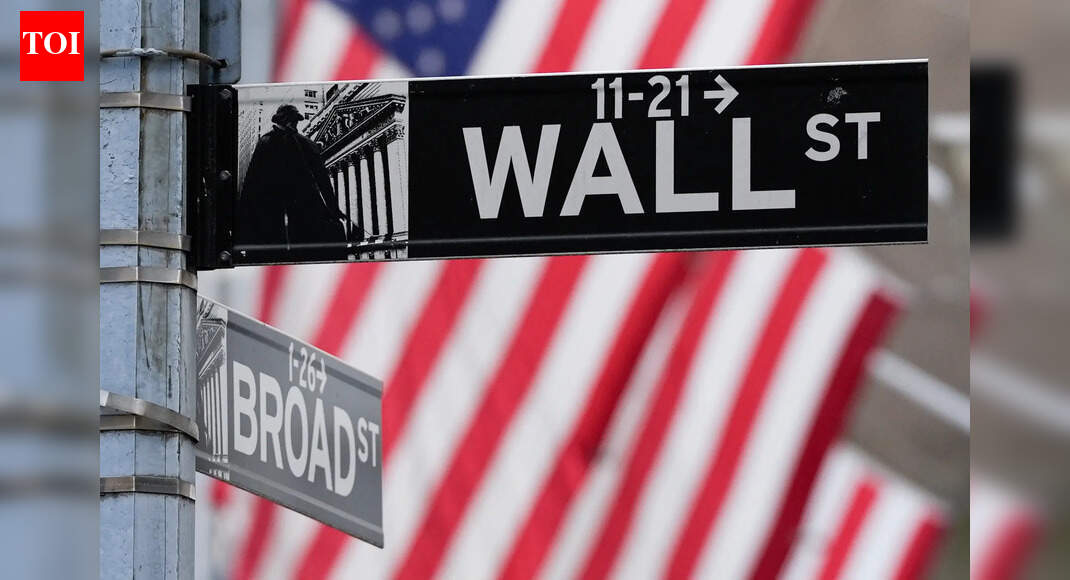
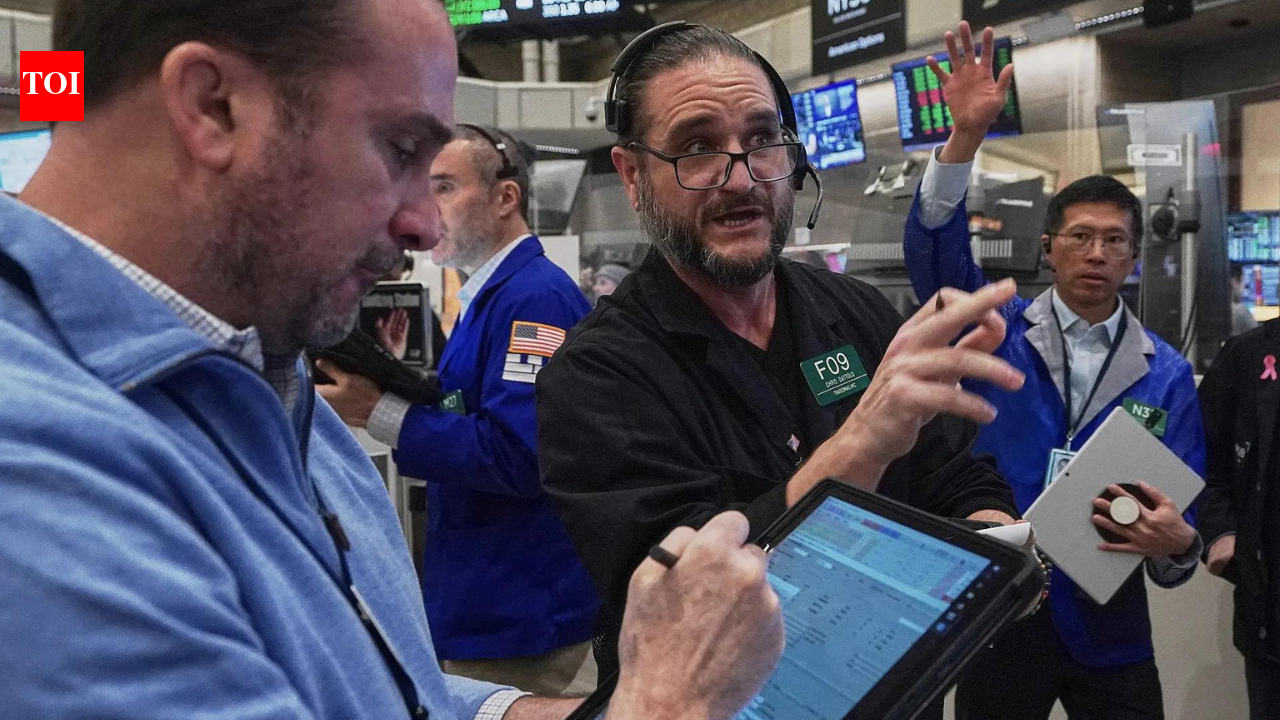
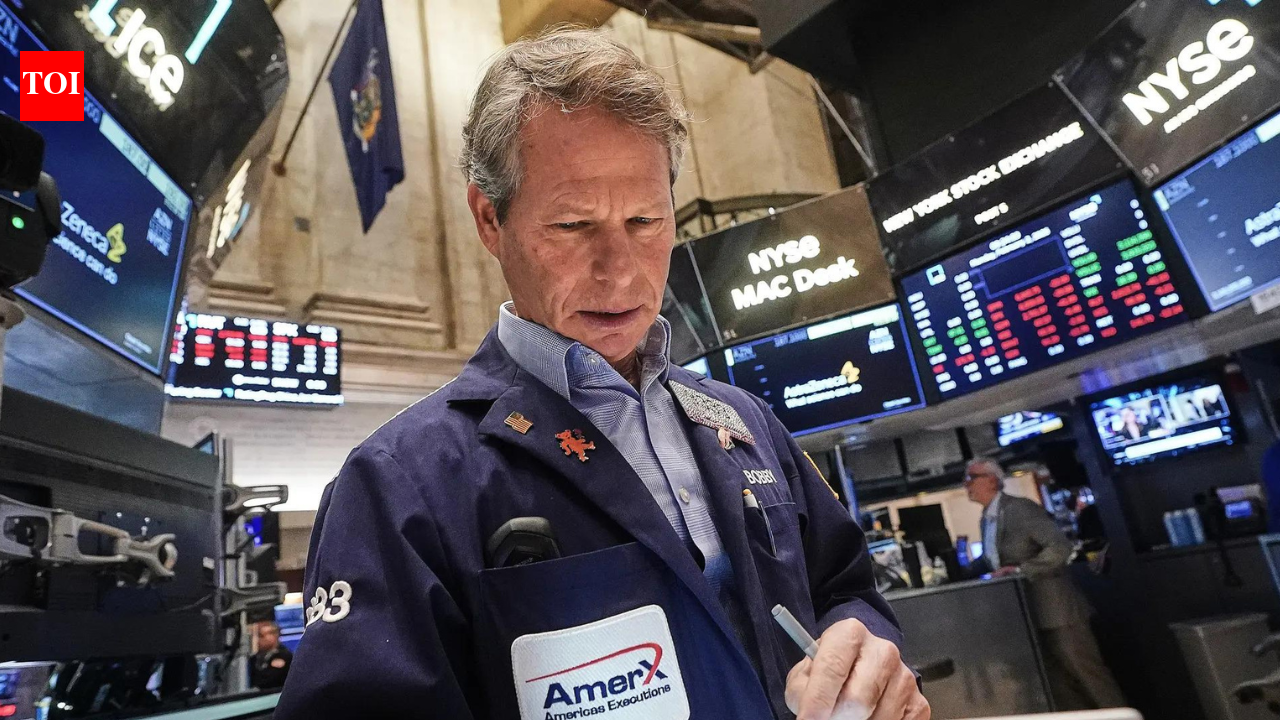
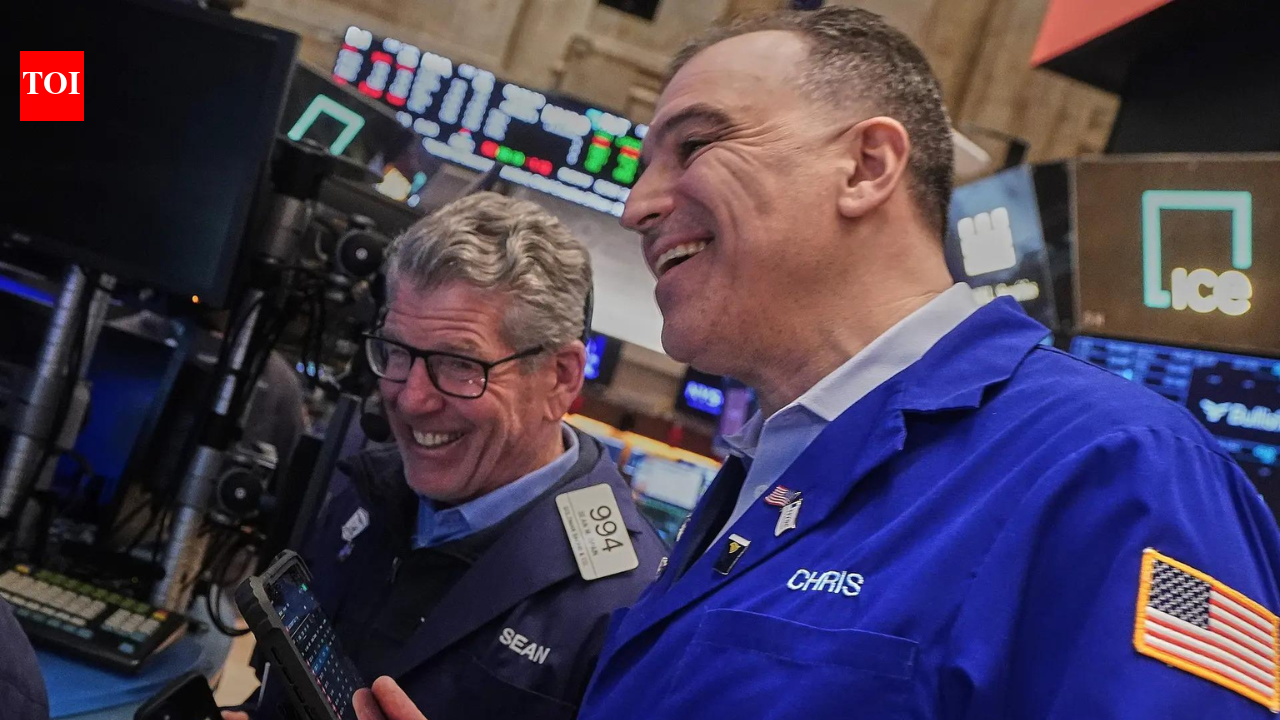
Wall Street closed on a split note on Thursday as the Dow Jones Industrial Average and S&P 500 seized spotlight with their new record highs while Nasdaq traded in red. The Dow Jones Industrial Average and the S&P 500 climbed to fresh milestones on Thursday, lifted by investors still riding the momentum set off by the Federal Reserve’s latest rate cut. The Dow rose 1.3%, driven by strong gains in banks and industrial stocks, while the S&P 500 also pushed into record territory, ending at 0.21% gain. The rally followed an upbeat session in Europe and a mixed day in Asia, with global markets continuing to respond positively to the Fed’s less hawkish tone on Wednesday (local time). But the Nasdaq’s 0.3% dip highlighed the market’s lingering nerves around AI-linked valuations. The Nasdaq, however, was weighed down by a sharp slump in Oracle shares that reignited long-standing worries about the soaring cost of artificial intelligence bets.“Even as investors were reassured by the Fed’s latest rate cut, familiar concerns about AI are still very much top of mind right now,” Deutsche Bank managing director Jim Reid told AFP.The concerns resurfaced after Oracle revealed late on Wednesday that its quarterly revenue had fallen short of expectations and that it had ramped up spending on data centres to expand AI capacity. The stock sank 10.8% by the close, having earlier fallen even further.Dave Grecsek of Aspiriant Wealth Management said the reaction highlighted the market’s discomfort with the scale of AI-related investments.“There’s still a lot of apprehension about how sustainable some of these capital spending plans are, what the return on those investments are, and especially now that they’re financed with debt,” he said, as cited by AFP.Last month, global markets briefly faltered as investors were cautious by the AI bubble concept, questioning whether the massive sums flowing into artificial intelligence risked inflating a bubble that could eventually burst.The Fed’s rate cut, its third in a row, was anticipated, but an unusually high number of dissenting votes has clouded expectations over where borrowing costs are headed next.“Investors have shrugged off the Fed’s latest reduction in US borrowing costs as it is becoming harder to guess where rates might go next,” said AJ Bell investment director Russ Mould.Fed officials remain split on the outlook for 2026, including whether more cuts will be needed and how many. Still, eToro US analyst Bret Kenwell noted that Fed Chair Jerome Powell pointed out that none of the policymakers foresee rate hikes in 2026 in their baseline scenario.“The lack of an outright hawkish tone from the Fed combined with its third consecutive rate cut could pave the way for a potential year-end rally in equities, provided that next week’s macroeconomic data doesn’t derail the recent bullish momentum,” Kenwell said.The reduction brings interest rates to their lowest level in three years as policymakers attempt to shore up a labour market that has shown signs of strain throughout 2025.The dollar weakened while oil prices slipped following the decision.Among corporate movers, Disney added 2.4% after unveiling a three-year licensing agreement with OpenAI, giving users the ability to create short AI-generated videos featuring popular Disney characters.



Motorists are facing higher fuel prices ahead of Easter break due to the conflict in the Middle East, the RAC says.
Source link
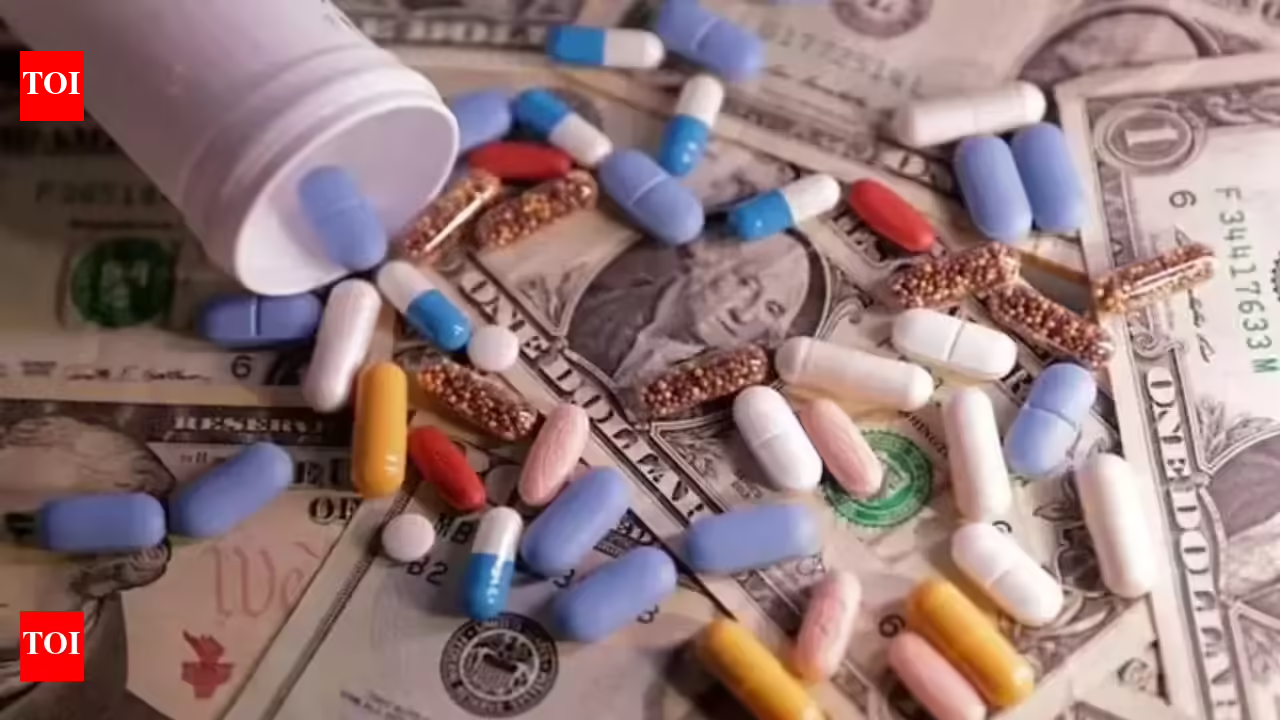
Hyderabad: Pharma player Hetero on Friday said it has rolled out exports of its generic semaglutide injection portfolio as part of a multi-year plan to widen access to treatments for type 2 diabetes and obesity in more than 75 countries.The Hyderabad-based pharmaceutical company said initial rollouts are under way in Africa, Asia and the Middle East, with additional launches planned in other markets subject to regulatory approvals.The injectable therapies will be sold under the brand names Truglyx, Rolmodl and Moto G. Semaglutide belongs to the GLP-1 class of medicines, which are used in diabetes care and weight management.Hetero said the export launch is part of its broader strategy to improve access to advanced cardio-metabolic therapies, particularly in emerging markets.The company said the products will be offered in multi-dose disposable pen devices designed in line with innovator formats and will be available in several strengths, including 0.25 mg, 0.5 mg, 1 mg, 2 mg, 1.7 mg and 2.4 mg, allowing dosing flexibility for both diabetes and obesity treatment.Hetero said it is also awaiting approval from India’s Central Drugs Standard Control Organisation (CDSCO) after completing clinical trials in type 2 diabetes and obesity and plans an India launch after regulatory clearance.Hetero managing director Dr Vamsi Krishna Bandi said the company aims to provide high-quality, affordable generic semaglutide through a single global product platform backed by its manufacturing and development capabilities.He said Hetero would use its commercial networks across Asia, the Middle East, Africa and Latin America to support supply and access. The Hyderabad-headquartered Hetero operates in more than 145 countries and employs over 30,000 people.
Business
India-US trade deal update: Piyush Goyal meets USTR Jamieson Greer, discusses next steps in BTA talks – The Times of India
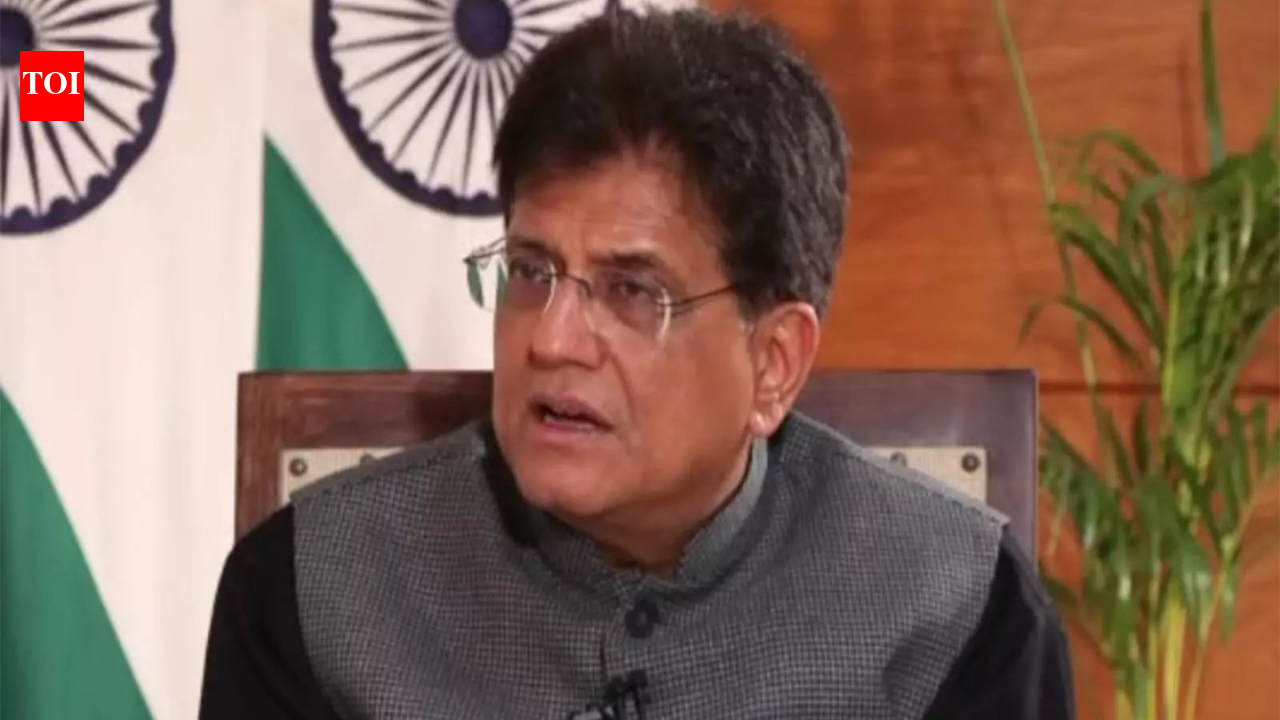
Commerce and industry minister Piyush Goyal on Friday met US Trade Representative Jamieson Greer and reviewed the next steps in negotiations for the proposed India-US bilateral trade agreement (BTA).The meeting took place on the sidelines of the 14th ministerial conference (MC14) of the World Trade Organisation in Yaounde, Cameroon, where both sides also exchanged views on issues related to the WTO agenda.“Had a very productive discussion with @USTradeRep Jamieson Greer on the sidelines of the WTO Ministerial Conference. Exchanged views on the #WTOMC14 agenda, next steps in the India-US BTA negotiations and explored ways to further deepen our economic cooperation and bilateral trade ties,” Goyal said in a social media post.The development comes amid ongoing efforts by both countries to finalise an interim trade pact. Last month, India and the US announced that they had finalised a framework for the first phase of the agreement, though it is yet to be signed.The two sides had earlier announced a trade deal on February 2, followed by a joint statement on February 7 outlining the contours of the agreement.As part of the framework, the US had agreed to reduce tariffs on Indian goods to 18%. However, the tariff structure has since undergone changes after the US Supreme Court struck down sweeping tariffs imposed under earlier measures.Following the ruling, US President Donald Trump introduced a 10% tariff on all countries for a period of 150 days starting February 24.In view of these developments, a planned meeting between chief negotiators of India and the US — aimed at finalising the legal text of the agreement — has been postponed. The pact was earlier expected to be signed this month.An official had earlier said that the interim trade agreement would be signed once the new global tariff framework of the US is fully in place.

Asda boss rejects profiteering claims as petrol price tops 150p

Britney Spears turns a new page after recent legal trauma

This Premium Sennheiser Soundbar Is $1,000 Off

-

 Entertainment1 week ago
Val Kilmer revived 1 year after death through AI
-

 Fashion7 days ago
China’s textile & apparel exports surge 17% to $50 bn in Jan-Feb 2026
-
 Business7 days ago
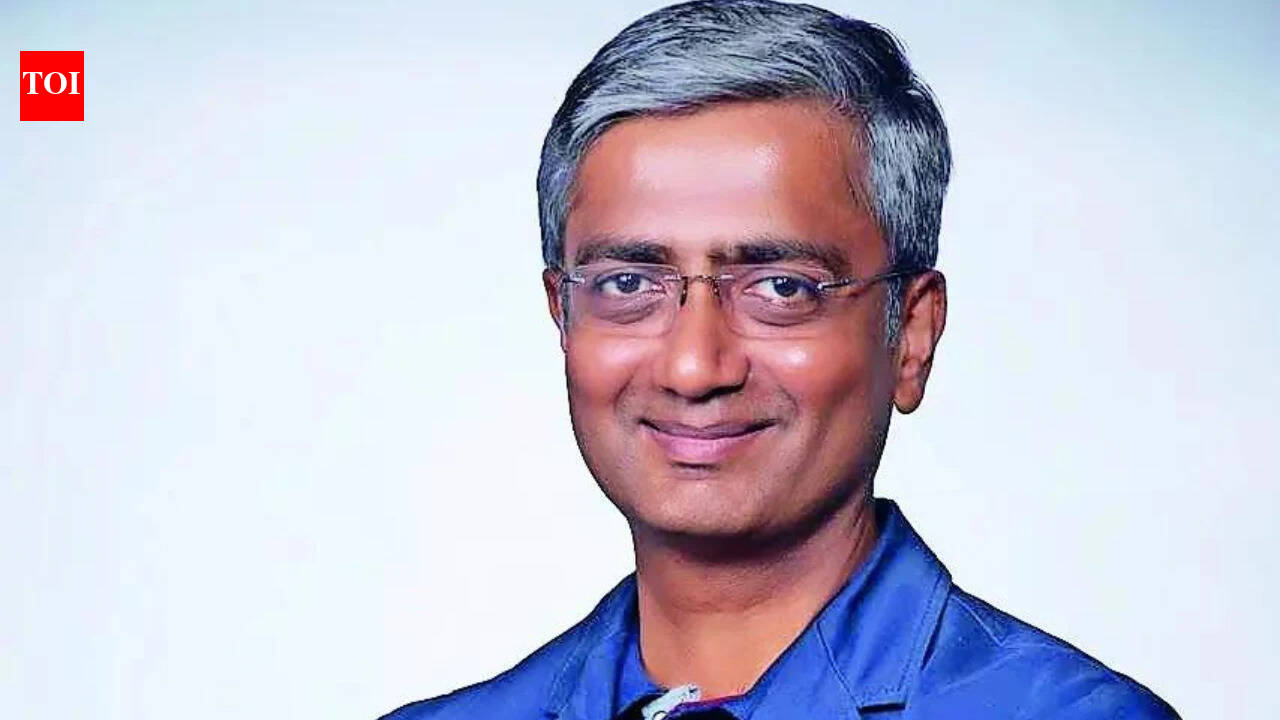
Flipkart group CFO to leave co amid IPO plans – The Times of India
-

 Sports7 days ago
Rating Adidas’ 2026 World Cup away shirts: Argentina, Spain, Mexico and more
-
 Business1 week ago
Video: The Effects of High Oil Prices
-

 Sports7 days ago
American Conference Commissioner Tim Pernetti thanks Trump for Army-Navy game executive order
-
Tech1 week ago
The Corsair 4000D RS PC Case Keeps Your System Cool
-

 Tech1 week ago
‘Uncanny Valley’: Nvidia’s ‘Super Bowl of AI,’ Tesla Disappoints, and Meta’s VR Metaverse ‘Shutdown’