

Business
Aadhaar future roadmap: UIDAI sets up expert panel to craft Vision 2032; explores AI, blockchain and quantum tech – The Times of India


The Unique Identification Authority of India (UIDAI) has set up a high-level expert committee to make Aadhaar technology future-ready, with focus on scalability, data security, and resilience against emerging cybersecurity threats, according to an official statement issued on Friday.The committee, chaired by UIDAI Chairperson Neelkanth Mishra, includes UIDAI CEO Bhuvnesh Kumar, Nutanix founder Dheeraj Pandey, MOSIP head of engineering Sasikumar Ganesan, Trilegal partner Rahul Matthan, Amrita University Professor Prabaharan Poornachandran, Michigan State University Professor Anil Jain, UIDAI Deputy Director General Abhishek Kumar Singh, Sarvam AI co-founder Vivek Raghavan, and IIT Jodhpur Professor Mayank Vatsa.“Recognising the rapidly changing technological and regulatory landscape, the UIDAI has embarked on a comprehensive strategic and technological review to shape the next decade of Aadhaar’s evolution through a new ‘Aadhaar Vision 2032’ framework,” the statement said.The Vision 2032 roadmap will not only sustain Aadhaar’s technological leadership but also reinforce its role as a secure, inclusive, and people-centric digital identity, the statement added.The expert panel will draft the Aadhaar Vision 2032 document, outlining a framework for next-generation Aadhaar architecture aligned with India’s Digital Personal Data Protection (DPDP) Act and global privacy and cybersecurity standards.According to the UIDAI, the Vision 2032 framework will leverage advanced technologies such as Artificial Intelligence, Blockchain, Quantum Computing, Advanced Encryption, and next-generation data security systems to ensure that Aadhaar remains secure, scalable, and adaptable to the evolving digital landscape.










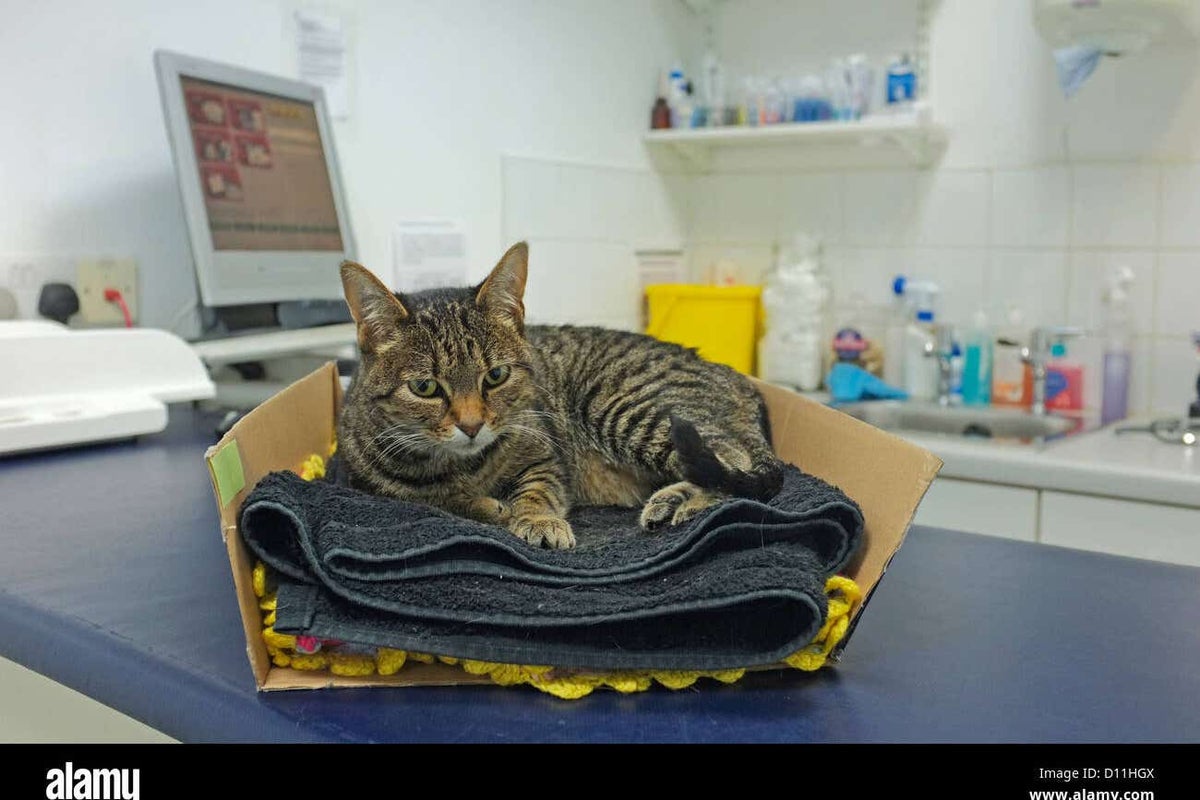
Vets will be legally bound to prescription fee caps and publishing price lists among new measures which will start coming into force later this year, the competition watchdog has announced.
The Competition and Markets Authority (CMA) said its final reforms for the sector will help pet owners better navigate the vet services market.
Other legally binding measures will include a price comparison website and mandatory branding by the large groups to boost competition and drive down prices.
The CMA said pet owners using a vet practice that is part of a larger chain can expect to see changes before Christmas, including standard price lists.
The measures follow the CMA finding that fees have risen at almost twice the rate of inflation, with pet owners not being given enough information about their vet and the prices of treatments.
Martin Coleman, chairman of the independent Inquiry Group, said: “This is the most extensive review of veterinary services in a generation, and today’s reforms will make a real difference to the millions of pet owners who want the best for their pets but struggle to find the practice, treatment and price that meets their needs.
“Too often, people are left in the dark about who owns their practice, treatment options and prices – even when facing bills running into thousands of pounds.
“Our measures mean it will be made clear to pet owners which practices are part of large groups, which are charging higher prices, and for the first time, vet businesses will be held to account by an independent regulator.
“Our changes put pet owners at the centre but also help vets by enhancing trust in the profession and protecting clinical judgment from undue commercial pressure – and that is important to ensure our pets continue to get the best care.”
The CMA said practices must publish a comprehensive price list for standard services, including consultations, common procedures, diagnostics, written prescriptions and cremation options under its new rules.
Prescriptions – for which “many” practices charge £30 or more for each – are to be capped at £21 for the first medicine and £12.50 for any additional medicines.
Practices must also provide a written estimate in advance for any treatment expected to cost £500 or more, including aftercare costs, as well as an itemised bill.
Emergency care will be the only exception for written estimates.
Prices and information about who owns the surgery are to be made available to pet owners through the Royal College of Veterinary Surgeons (RCVS) ‘Find a Vet’ service, which will share the data with third-party comparison sites.
Vet businesses must make it clear whether they are part of a group or an independent business, with details of group ownership to be displayed on signs at the surgery and online.
British Veterinary Association president Rob Williams said: “The majority of the CMA’s measures focus on increasing transparency and information, which will help pet owners make more informed choices and support competition, which is a really positive step.”
He added: “Delivering highly skilled veterinary medicine is costly and whilst we recognise prices have risen sharply in recent years this is due to a number of factors, including the higher costs all businesses are experiencing – and vet practices are not immune.
“Plus, thanks to advances in diagnostics and medical technology over the last 20 years, vets can now do much more to manage disease and injury in animals, whereas in the past the only option available may have been to euthanase.
“Owners today also have a greater expectation of their vet, with many expecting human quality healthcare for their pets and whilst this is possible to deliver, it comes at a cost.”
Business
Gold price prediction today: Pressure on gold prices to continue on March 24, 2026 amid US-Iran war? Check outlook – The Times of India

Gold price prediction today: Gold prices are likely to remain range-bound in the near future, says Praveen Singh, Head Currencies and Commodities, Mirae Asset ShareKhan
Source link

An Estée Lauder pop-up store is seen inside a Daimaru store on Nanjing Road in Shanghai, China, Aug. 6, 2021.
Costfoto | Future Publishing | Getty Images
Estée Lauder Companies said Monday that it is in talks with Spanish beauty group Puig to potentially merge the two companies.
“No final decision has been made, and no agreement has been reached,” Estée Lauder said in a statement.
Shares of the U.S. beauty company were down nearly 8% following the news, which was first reported by the Financial Times. Puig’s stock rose roughly 3%.
Puig owns major beauty brands including Charlotte Tilbury, Jean Paul Gaultier and Rabanne. The companies did not disclose any financial details of the potential deal.
Estée Lauder has been struggling amid ongoing headwinds from tariffs and its restructuring as it enacts its “Beauty Reimagined” turnaround plan to revitalize the business. In its second-quarter earnings report last month, the beauty retailer said it’s expecting a $100 million hit to its full-year profitability due to tariff impacts.
Estée Lauder’s stock has dropped roughly 25% this year.


How Jaxon Smith-Njigba’s contract extension impacts Seahawks

China sees rise in new FDI firms despite lower inflows
Vets to be legally required to publish price lists and cap prescription fees

-

 Sports1 week ago
Japan suffers shocking collapse to Venezuela in World Baseball Classic
-

 Entertainment1 week ago
Strategic oil stocks to be released ‘immediately’ in Asia and Oceania: IEA
-

 Sports1 week ago
Transfer rumors, news: Real Madrid open to Camavinga exit, as Premier League clubs circle
-
 Business1 week ago
New Income Tax Act 2025 To Take Effect From April 1: 10 Key Changes That Will Affect Your Money
-

 Sports1 week ago
PCB files complaint over allowing Bangladesh to take review on penultimate ball – SUCH TV
-
 Business7 days ago
Stocks and pound rise as US rate call approaches
-

 Tech6 days ago
Justice Department Says Anthropic Can’t Be Trusted With Warfighting Systems
-

 Sports6 days ago
March Madness 2026 – How to watch in SA, start time, schedule, TV channel for NCAA championship basketball tournament