

Tech
Activists Are Using ‘Fortnite’ to Fight Back Against ICE


SteveTheGamer55 is live on YouTube. He’s streaming a session to his 4.6 million subscribers of GTA 5 RP, a Grand Theft Auto 5 mod that allows people to role-play with other players. “Really wanna show you guys some real-life scenarios,” he says, offering a little background on his character, a man headed to his job while on a work visa.
His character doesn’t get far before an SUV swings onto the sidewalk in front of him; masked ICE agents spill out of the vehicle. “Stop right there,” one of the uniformed players says. It isn’t long before SteveTheGamer55 is surrounded by agents. He hands over his ID while bystander players yell at the agents and demand his release. “Why are you harassing people?” one says, before the worker is finally let go. Later in SteveTheGamer55’s play session, he stands in front of a large iron gate reminiscent of those in ICE detention centers seen in cities like Chicago. More in-game ICE agents have gathered. He records from his phone. Just in front of him, a player in a red suit demands to see a warrant for his client.
The “special event” held on November 20, where players took on different roles that reflect real-life ICE raids, was the first initiative by New Save Collective, a baker’s dozen of gamers with backgrounds in activism and organizing, whose goal is to educate gamers and teach people about their rights when dealing with ICE in real-world situations. On November 21, at 7:30 pm ET, gamers will gather in Epic’s massively popular battle royale, Fortnite, to hold a closed scavenger hunt that will serve as a more casual educational opportunity. The group is working with several immigration advocacy groups, as well as collaborating with content creators, to spread their message online.
Online gaming spaces have long appealed to the right as a place to push conservative or even extremist ideologies. The US military has been open about its attempts to use games as a recruitment tool, and immigration authorities are no different. In October, the Department of Homeland Security posted an image aping marketing for the Halo series. “Finishing this fight,” the agency’s official account tweeted—a reference to Halo 3’s tagline—alongside an image with the text “Destroy the Flood” slapped over a blurry depiction of the game’s supersoldiers; the Flood are Halo’s alien antagonists. DHS has also riffed off of Pokémon’s “gotta catch ’em all” tagline, going as far as to post a video of ICE agents destroying property and arresting people, interspersed with the show’s opening.
A spokesperson previously told The Hill that the DHS “will reach people where they are with content they can relate to and understand, whether that be Halo, Pokémon, The Lord of The Rings, or any other medium.” But where movements like Gamergate peddled in harassment, hatred, and exclusion, New Save Collective’s goal is to foster a community that is kind, authentic, and oriented towards doing good.
“Most of us are immigrants, or children of immigrants, or children of refugees,” says one organizer who goes by PitaBreadFace online. (The organizer requested WIRED not use his name out of safety concerns.) “We’re here at this stage in the political climate to cultivate some belonging, but also move people towards a shared purpose that everyone seems pretty hungry for.”








Honorable Mentions
During the winter, a whole WIRED crew tests ski clothes almost constantly. Here are a few other items that we like.
Courtesy of REI
Hestra Fall Line 3-Finger Gloves for $190: I’ve long admired Hestra gloves from across the lift line, impressed by the Swedish company’s elegant stitchwork and thoughtful design touches. This was the year I finally got to try a pair for myself, and the Fall Line are exactly what they look like. There are six sizes available so you can get the perfect fit in this glove. The cowhide is buttery smooth and has already broken in a bit with five days’ use. The wrist strap means you never have to fret about dropping your glove from the lift when checking your phone, and they’re very warm without making me sweat. If you do sweat, the lining is removable so you can wash it without damaging the leather. —Martin Cizmar

Courtesy of Crab Grab
Crab Grab Snuggler Mitts for $89: These mini sleeping bags for your fingers are packed full of Primaloft insulation and benefitting from a sherpa fleece lining, they are toasty warm, and with a 15K membrane, impressively waterproof too. All-season mittens with durable construction for under $100? Yes Please!

Courtesy of Mons Royale
Mons Royale Yotei Merino Classic Long Sleeve for $98: As I type this, I’m nowhere near a mountain, but I’m still wearing the Mons Royale Yotei long sleeve top. It is ridiculously comfortable, made from 190-gsm-weight, 100 percent merino wool, and has a mercifully relaxed cut, so I remain warm, but don’t feel like a sausage. On the mountain however, the merino wool works its magic, wicking away sweat—especially on a hike up to some fresh powder—and keeping me comfortable. Paired with a shell and the Patagonia R1 Thermal Hoodie, I’m warm enough during a bitter arctic blast.

Seniq Powder Puff Down Jacket for $498 and Bib for $398: Seniq is another all-women’s outdoor brand that launched in 2024. It’s styled a little more Gen Z, leaning into fun color blocking over the monochromatic look. The Seniq Powder Puff Down Jacket has a dry-touch finish. It’s meant for drier days on the mountain, but a PFC-free DWR coating and YKK AquaGuard zippers do provide water resistance. The asymmetric front zipper helps you avoid chin rub when you have the jacket fully zipped. It also features cool asymmetrical quilting lines, side pockets-in-pockets that provide access to your bib (their bibs have a pocket on the front, so you can get in there without unzipping your jacket), an oversized removable hood, a forearm pass pocket, soft and stretchy wrist gaiters, and a large internal pocket that can absolutely handle a sandwich. This jacket was warm, pillowy, and comforting, like a super-soft hug.
The silky shell bibs are slightly barrel cut, which gives them a flattering shape without being fitted. The adjustable racer back-style straps and low back (with a stretchy waist) also provide a nice shape and breathability. There are two pockets on the front chest, pockets on either leg, two-way zip thigh vents, and a butt zipper for bathroom breaks. These fit easily over my boots, and the instep guards were a nice touch. With a durable three-layer membrane and a 20,000-mm waterproof rating, these will hold up against any and all weather the mountain throws at you. When I wore them on a wet snowy day, they beaded and sloughed off moisture well. —Kristin Canning
-Reviewer-Photo-SOURCE-Kristin-Canning.jpg)
Mammut Sender In Hooded Jacket for $259: This puffy hoodie is a great mid-layer for under a shell jacket. The insulation is made from recycled rope scraps, and the outer is coated in wind-resistant PFC-free DWR coating. The hem falls at the hips, and the high collar and tight hood keep most of the face covered. I like wearing this piece under shells for snowboarding, but I know it’ll pull double duty as a comfy hiking and camping jacket, too, so it’s a solid multipurpose investment. It’s exceptionally lightweight and warm, though from a volume standpoint, it is on the bulkier side for a mid-layer and isn’t the most packable piece. —Kristin Canning
Helly Hansen Evolved Air Half Zip for $112: This fleece pullover has a waffle-like texture that traps heat and wicks moisture. With a high zippered collar and cinchable hem, you can adjust the fit to make it more air-tight or breathable. This mid-layer felt wonderfully lightweight while still keeping my toasty. It’s not bulky at all, only a little thicker than a base layer, laid comfortably under my jackets, and moved with me on the mountain. —Kristin Canning
Helly Hansen Lifa Base Layer Long-Sleeve Crew for $115 and Pants for $115: These base layers hit the weight sweet spot; they’re not too thick or thin, but just right. They’re slightly looser than other options on this list, so if you prefer something that isn’t so fitted, these are a great pick (but note that they run long too). These combine merino wool with Helly Hansen’s LIFA fibers, which add more moisture-wicking capabilities. They’re soft, lightweight, warm, and don’t hold onto smells. I love the cute designs and how well they regulate my temperature under insulated jackets and pants. The waist digs in a bit but doesn’t roll, and they stay in place and move well. —Kristin Canning
We have a full guide on how to layer, but here are your essentials.
Base layer: A good set of thermals is essential in the fight against cold, especially when you’re working hard. The best fabrics wick away sweat as you heat up, which helps regulate your temperature. Merino wool is the best at this, but also the most expensive. Synthetic fabrics are getting better, though, and please avoid cotton at all costs, as it gets wet and stays that way, making you cold and uncomfortable.
Mid layer: Whether you choose a hooded fleece or puffer-style jacket, this layer does the bulk of the work in cold conditions. Combined with the base layer, it traps warm air in, while also allowing moisture to be expelled. Synthetic insulation such as Primaloft Gold is brilliant and doesn’t lose its properties if it gets wet. Down jackets offer the best warmth-to-weight ratio, but they don’t pack down as small, and should never get wet. A fleece with an insulated vest is a great option if you really feel the cold.
Jacket: While ski jackets with insulation offer bonus warmth in Arctic-like conditions, for most people a waterproof shell will be enough, as it offers protection from both the snow and the wind. A cold wind will chill you to your bones faster than a bit of wet snow. Ideally choose a jacket with a waterproof membrane such as Gore-Tex (make sure it is free from PFAS, or forever chemicals), but also check for taped seams for added waterproofing, plus plenty of pockets for snacks and lift passes, and wrist cuffs and ski skirts to help keep out the snow.
Socks: As with your base layer, socks keep you warm and maintain your temperature when you’re building up a sweat. Natural fabrics work well, but a blend of merino wool with synthetic stretchy fibers is the way to go, as they stay up better and can be used for more than a day. Avoid cotton again, and never wear two pairs, as you’ll almost certainly get colder feet.
Gloves: You’ll be surprised by how wet ski gloves get when it’s snowing, even if you don’t fall very often. As a result, waterproof options work best in most cases, although well-made leather designs can be almost as waterproof as a pair with Gore-Tex. Mittens are generally warmer than gloves, but what you gain in toasty fingers you lose in dexterity. Check out our Best Ski Gloves and Mittens guide for more information.
Waterproofing and breathability ratings: Waterproofing is measured with a hydrostatic head rating, or HH. That means if you put a 1-inch, endlessly long square tube on top of the fabric, you could pour 20,000 millimeters of water before it would seep through. Breathability is rated in how many grams of vapor per square meter can can pass through the fabric in 24 hours.
I’ve been reviewing winter sports gear for more than 15 years. In that time, I have worn an untold number of jackets, pants, mid-layers, thermals, gloves, and mittens. I called on industry experts and professional skiers, and solicited opinions from fellow winter sport enthusiasts on the WIRED team. While a basic fit check can be done in the office, nothing replaces on-mountain testing in variable conditions. We put in the time on various trips to the French Alps, as well as in resorts in Vermont, Colorado, Arizona, and Oregon.
Power up with unlimited access to WIRED. Get best-in-class reporting and exclusive subscriber content that’s too important to ignore. Subscribe Today.
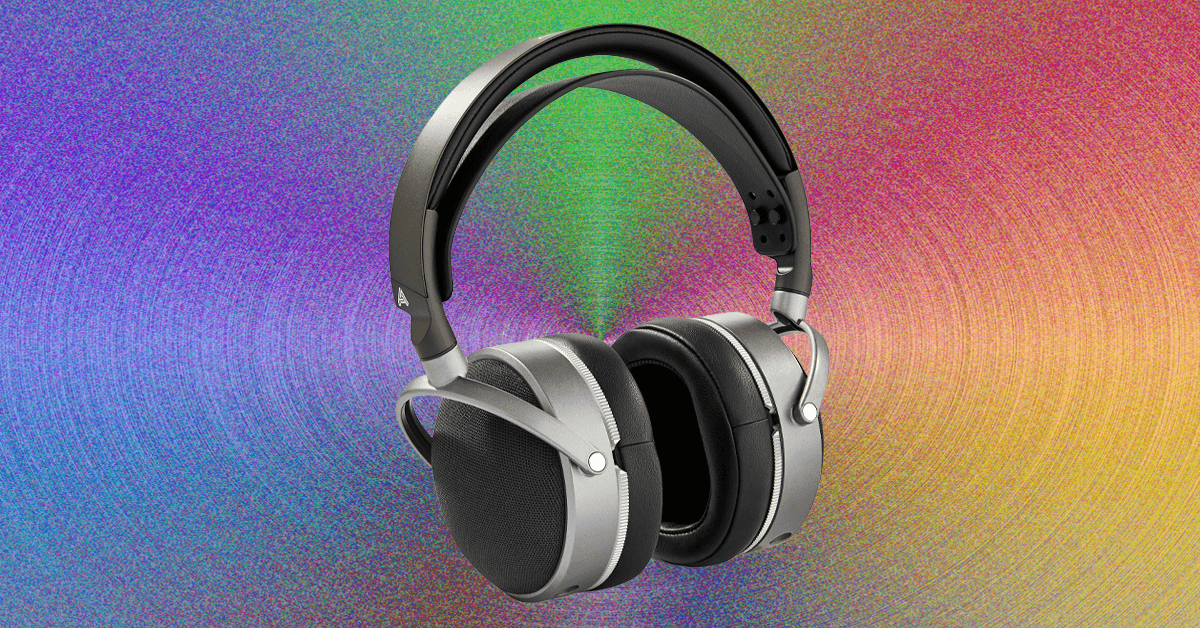
You might think you’ve got enough headphones. Most of us have accrued at least two or three pairs over the years, and might have a few more half-working pairs stuck in a drawer somewhere. But I’m here to tell you, if you haven’t fully explored the fabulous world of specialized headphones that has exploded in the past decade, from open earbuds to sports and travel cans, you’re not maximizing your sonic potential. The best headphones are now so varied that they often depend entirely on what you intend to use them for. That means the best headphones for you probably come in many shapes and sizes, and you might actually want more than one pair.
Balling out on lots of headphones for every one of life’s situations doesn’t necessarily mean spending a lot of money. Unless you’re successfully riding the “boomcession,” there’s a fair chance spare cash is tight right now. Luckily, there’s a veritable explosion of impressive budget brands making great stuff, alongside household brands pitching to the cheap seats.
As an audio reviewer for well over a decade, I’ve tried hundreds of models across every color in the headphone rainbow. Here’s how to shop right so you can get the most out of any and all of them, as well as the best headphones I can think of in every category right now.
Noise-Canceling Earbuds: The 2026 Baseline
-
-
Review: Apple AirPods Pro 3
-
Review: Apple AirPods Pro 3


Let’s start with the modern one-and-done choice: Noise-canceling earbuds are the ultimate jack-of-all-trades. If you only want to own one pair, this is it. The best noise-canceling earbuds sound great, fit neatly in your pocket, and are equally adept at letting in or blocking out environmental sounds to adapt to any situation.
It’s probably no surprise that the wildly popular AirPods Pro are the best headphones for iPhone owners, thanks to impressive performance, loads of features, and seamless integration with all things Apple. They’re a massive step up from the standard AirPods, which offer similar Apple-friendly features and a touch of noise canceling, but don’t perform nearly as well as even most budget earbuds.

For more phone-agnostic options, Bose’s QuietComfort Ultra 2 are the ultimate noise killers, while Sony’s new WF-1000XM6 offer great sound and utterly natural transparency mode. Technics’ EAH AZ100 are among my favorites for sound quality.
If those are too pricey, fear not! Budget earbud options are varied and plentiful, from Android-optimized midrangers like the Google Pixel Buds 2a to the stylish Nothing Ear (a) or highly affordable Soundcore Space A40. If you’re keeping to one pair, I’d put in all your chips for better performance, but there’s no shortage of great affordable options, and new pairs at all prices keep rolling in.
Noise-Canceling Over-Ears: Comfort Meets Performance

Anyone who’s taken a long flight can probably relate to the fact that sticking something in your ears for five hours-plus isn’t an exercise in comfort. Enter travel headphones like the best noise-canceling over-ears, which have adapted from early models like Bose’s stalwart QC 25 to become among the most advanced and downright luxurious audio products for your money. They’re great for other tasks too, from working in a busy office to commuting or simply chilling at home in tranquil reverie.

The latest and greatest, like Sony’s WH-1000XM6 and Bose’s QuietComfort Ultra, apply uncompromising noise cancellation, plush comfort for long listening, and a pile of advanced features like pausing when you speak or automatic sleeping and waking. The Ultra are my favorite for sheer comfort, but there are plenty of rivals like Sonos’ equally comfy Ace, the iconic (and heavy) AirPods Max, or the utterly immersive B&W Px7 S3. Cheaper options abound, but some of my favorites include Sony’s high-punching WH-CH720, the crazy-affordable Soundcore Life Q30, or its newer cousin, the Space One. These won’t bring the same level of performance or tranquility, but they still work great for long flights and beyond.
Open Earbuds: For Keeping Alert

Soundcore by Anker
Aeroclip
Here’s where things get really fun: Open earbuds have exploded faster than any other audio segment in recent memory, with a kaleidoscope of options from virtually every audio brand. Designed to keep your ears open while delivering satisfying sound, the best open earbuds aren’t ideal for everything you do, but they’re fantastic for specialized activities like ebike riding, where wind resistance renders artificial transparency modes useless. Over time, I’ve found tons of other cool use cases, from walking the dog to sneaking in some Olympics at the bar.
Open Earbuds come in various design types, from wacky bone-conductors to wraparound models and—my personal favorite—clip-ons. Their light and ergonomic housings aim to essentially disappear on your ears for all-day listening, and it works better than you might think.
You could spend a lot on pairs like Bose’s excellent Open Ultra, but you really don’t have to, since even the best models are limited in performance. Soundcore’s Aeroclip are my favorite value-to-performance pair, but plenty of cheaper options get the job done, like Acefast’s nearly free Acefit Air or Soundpeat’s Pearclip Pro. Open earbuds are easily my favorite new audio trend.
Workout Headphones: Keep Moving
-Reviewer-Photo-SOURCE-Ryan-Waniata.jpg)
There’s an obvious Venn diagram overlap between open earbuds and workout headphones, but if you don’t like the idea of keeping your ears open, traditional sports models are a great alternative. My favorite is the revamped Beats Powerbeats Pro 2, which offer tons of features in a wraparound design that’s nearly unshakeable. I like that they’re optimized for Apple devices, but still work well for Android, and they come with great noise canceling and transparency mode, but also a high price.

Like open earbuds, there are plenty of cheap options, including the similarly unshakeable (but much more basic) Jlab Go Air Sport, which run a mere $30 or less on sale. If you’re not into the minimalist thing, WIRED editor Adrienne So swears by the BlueAnt Pump X over-ear headphones for weightlifting, in large part due to their cooling-gel earpads that go in the fridge overnight to keep sweat at bay. They’ve also got noise canceling and plenty of battery life at over 50 hours per charge. For jogging or cycling, open earbuds are likely a better fit, while some folks simply use the AirPods Pro, but it can be nice to just have a dedicated pair in your gym bag.
Wired Headphones: Plug It In

The youth delight in resurrecting old tech that the more seasoned among us have long left for dead (cassette tapes?!). In the case of wired headphones, there’s good reason to plug in, starting with improved performance for your dollars. If you’re a content creator, musician, or simply a cash-savvy sound connoisseur, you can get an impressive return from wired options that avoid the sound degradation of many wireless options.
Some of our favorite affordable options include affordable and classic-looking earbuds like Shure’s iconic SE-112 and Sennheiser’s impressive IE200, and studio-friendly over-ears like Audio-Technica’s ATH-M20x, If you’re willing to spend a bit more, the fantastic Sennheiser HD6XX offer the best sound for the money I’ve heard in any headphone segment. Based on the much pricier HD 650, these are open-back headphones that let in exterior sounds, but the performance is incredible. If you want even better sound and design, there are tons of options, but they’ll cost you.
Fancy Headphones: The Audiophile Angle
If you really want to optimize the wired connection, there’s a whole segment of audiophile headphones made with high-quality materials, innovative speaker technologies, elevated designs, and accordingly elevated pricing. There are a whole bunch of varieties, but for the sake of levity I’ll break them down into two categories: in-ear monitors (IEMs), the fancy version of in-ear headphones, and over-ears.
IEMs generally use dynamic drivers, the traditional driver type in most headphones and speakers, balanced armatures, much smaller and more accurate speakers, or a mix of both. My favorite pairs come from Ultimate Ears, like the UE 18+ Pro, which are customized for your ears using 3D printing and other techniques. (You’ve likely seen these on TV for musicians and broadcasters.) Other IEMs we like include Sennheiser’s IE 900 and models from Campfire Audio.

For over-ear headphones, Audeze’s planar magnetic headphones are among my favorites, starting as low as $500 (yeah, I know) in the excellent LCD-S20 closed-back headphones. Another incredible pair I recently tested are Meze’s Poet, which are not only the most gorgeous-looking pair I’ve reviewed, but also offer among the clearest and most articulate sound I’ve laid ears on. There are dozens more to try, as audiophilia is its own journey, but this is a good starting point. We recently reviewed the Grado Signature S750, which have an effortlessly expansive sound that feels like it can’t possibly be coming from mere centimeters away from your eardrums.
Other Headphone Types and Upcoming Features


SteelSeries
Arctis Nova 3P Wireless
As I’m sure some of you have already noted, there are still more types of specialty headphones, including Gaming Headsets, which are another animal altogether, and even TV Headphones, which quickly transition from the screen’s internal speakers to let you listen in silence without latency. I’m currently testing a new TV headphones bundle from Sennheiser, the RS 275, which includes a dedicated pair of headphones in the HDR 275 and Sennheiser’s new BTA1 Auracast transmitter (verdict to come).
Speaking of Auracast, it’s an increasingly cool new type of Bluetooth protocol that allows connection of an infinite number of devices at up to 100 meters, like an FM radio signal. Its implementation is still in its early stages, but it’s a good feature to look for in new headphones. Other features to consider include an app with an EQ and presets (which the majority of my recommendations include), multipoint pairing to connect to two or more devices at once (again, pretty ubiquitous), and spatial audio features for video formats like Dolby Atmos.

I should probably add the disclaimer that I like to cook, was a professional chef for many years, and my family of five rarely eats anything other than home cooked meals. But I get it. Many people are looking for a way to eat healthier in the midst of busy schedules, and maybe have never learned how to cook, or want to follow some specific diet like keto that requires a lot of research, planning, and effort.
In those situations I can see the appeal of a solution like Factor. Dial in what you want, it shows up, you microwave it, eat, and you’re on your way without caving and ordering pizza for the third time this week.
While Factor’s meals are generally enjoyable and reasonably tasty—for whatever reason, the dishes tending toward Mexican food seemed to be better than the rest—there’s just no denying that eating food out of segmented plastic tray is, um, uninspiring. At the very least, put your heated results on a real plate. It’ll taste better that way. Trust me, there’s a reason your plate is carefully arranged when it reaches your table at the fancy restaurant. Aesthetics matter.
Photograph: Scott Gilbertson
Factor’s proteins, especially the meats, were the highlight of most of the meals. Options I tried included a meatball and pasta dish with green beans, a bunless burger, shrimp pasta with some zucchini, a faux grits meal (cauliflower grits), and a chicken taco bowl. In every case, the protein was quite tasty, the sauces were a mixed bag, while the vegetables fared less well in the whole, cook it, pack it, ship it, reheat it process. Green beans were especially what I could call “grim”, rather than the “vibrant and fresh” that I suspect Factor was going for.
But you need to step back from the aesthetic experience and remember the context in which these meals exist. This is not fine dining or even a home cooked meal, but a healthy alternative to frozen microwavable meals high in artificial ingredients and often with unnecessary added sugars. When you remember that, Factor start to look not only better, but downright appealing.


Australia’s $2 bn home textile imports in 2025 reflect steady demand

Stay Warm in the Lodge or Half-Pipe with the Best Ski Clothes

Who has the advantage at WWE Elimination Chamber? Notes, stats and history to consider

-

 Entertainment1 week ago
Queen Camilla reveals her sister’s connection to Princess Diana
-

 Politics1 week ago
Ramadan moon sighted in Saudi Arabia, other Gulf countries
-

 Entertainment1 week ago
Robert Duvall, known for his roles in "The Godfather" and "Apocalypse Now," dies at 95
-

 Fashion1 week ago
Philippines expands logistics network to address supply chain issues
-
 Business1 week ago
Air India and Lufthansa Group sign MoU to expand India-Europe flight network
-

 Fashion1 week ago
France’s Kering’s FY25 sales fall; eyes growth & margin recovery
-

 Fashion1 week ago
HSBC Egypt backs Hong Kong textile business mission in Cairo
-

 Sports1 week ago
Nepal wrap up T20 World Cup campaign with Scotland triumph