

Business
Ads for ‘misleading’ prostate supplements and home testing kits banned

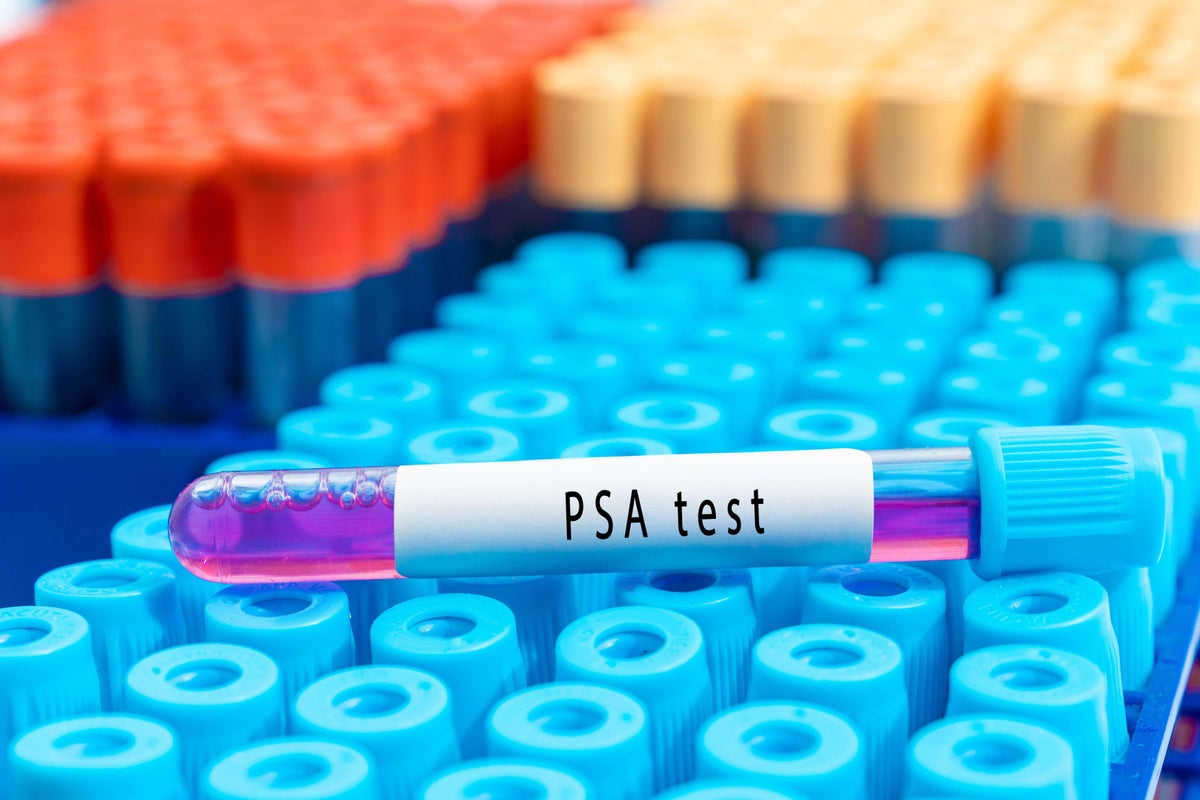
Ads for prostate supplements and home testing kits have been banned over concerns they could mislead vulnerable people or steer them away from appropriate medical advice.
The Advertising Standards Authority (ASA) banned ads for four supplement brands – Nutrisslim, Nutreance, Muxue Trade and Impact Herbs – for making claims that their products could treat medical issues such as enlarged prostate, urinary flow problems or prostate inflammation.
None of the products were authorised medicines and advertising rules state that food products, including supplements, cannot make medicinal claims.
Nutreance, trading as Top 5 Supplements, said its ads did not state or imply that its product treated, cured or prevented any disease or medical symptoms, and the ads made no references to diseases, diagnoses, pathological conditions or clinical outcomes.
Nutrisslim, trading as Nature’s Finest by Nutrisslim, said the claims used in its ads related to botanical ingredients, which it understood could be used in advertising.
It said “visual materials” featuring a doctor and any related references had been removed from its website, including a reference to the product being “doctor-formulated”.
Impact Herbs, trading as Impact Supps, and Muxue did not respond to the ASA.
The ASA also banned ads from two home testing kit companies – Self Check and Lifelab Testing – for claiming that Prostate-Specific Antigen (PSA) tests could diagnose or rule out prostate cancer.
Self Check said its products were CE certified for self testing in line with UK legislation.
It further said that every product page contained a disclaimer that informed consumers that because the tests were not 100% at diagnosing a specific medical condition, they may wish to speak to their NHS GP first, who could arrange a test if needed.
It also said that it had removed the word “cancer” in the headings and descriptions of the Google ads for the product.
Lifelab also said it held the correct CE markings for an in-vitro diagnostic device, and that the product was suitable for sale in the UK.
It also said the ads had been removed and would not be used again.
A PSA test alone cannot do either, and in both cases the ads failed to make clear that these tests had limitations.
The ASA came across the ads during a sweep of healthcare claims using its AI-powered Active Ad Monitoring system.
The ASA said many of the claims it had seen in the latest investigations were “unacceptable”, and had not only broken a number of its rules but risked misleading vulnerable people, or steering those who needed it away from appropriate medical advice.
It said this was “especially worrying when it comes to men’s health”, adding that prostate symptoms could be worrying and, for some, difficult to talk about, meaning that ads promising quick fixes or simple answers “can seem even more appealing”.
However, misleading claims could give false reassurance or make it harder for people to know when to speak to a doctor, “which is why it’s so important that information about prostate health is accurate and responsible”, the ASA said.
Jess Tye, regulatory projects manager at the ASA, said: “When it comes to health, people deserve honesty.
“Misleading ads about prostate supplements or tests can cause real harm, and today’s rulings hold advertisers to account.
“We’re continuing to monitor this sector closely, using our AI tools to spot problem ads early on. And if someone does have a concern about an ad they’ve seen, we’d encourage them to get in touch.”
Joseph Burt, head of diagnostics and general medical devices at the Medicines and Healthcare products Regulatory Agency (MHRA), said: “The MHRA welcomes the ASA’s action to tackle misleading claims about PSA home-testing kits.
“At-home or over-the-counter PSA tests help members of the public monitor their prostate health, but are not a definitive test for prostate cancer. These tests must not claim to detect prostate cancer, and consumers should carefully check the labelling and read the instructions for use.
“The MHRA has recognised the expansion of over-the-counter tests, including PSA tests.
“As part of our surveillance of medical devices, we continue to monitor the safety of these devices. Manufacturers of these tests have an important role in ensuring information about direct-to-consumer tests are put into context for the general public who use these tests as well as monitoring the use of the tests.”
Amy Rylance, assistant director of health improvement at Prostate Cancer UK, said: “We are very pleased to see the ASA getting proactive in identifying and banning these dangerous and misleading adverts.
“There is no evidence that supplements can treat, cure or prevent prostate problems, and they should not be used in place of speaking to a doctor about your risk of prostate cancer, or more general concerns about your prostate health.
“While there are a range of at-home PSA self-test kits on the market currently, the accuracy and safety of these tests is not proven, and so we only recommend getting a PSA blood test from a healthcare professional.
“It’s important to remember that prostate cancer often has no symptoms in its earlier, more treatable stages, so it’s crucial for a man to understand his own risk and not to wait for potential signs or symptoms. Any men worried about their risk of prostate cancer or looking to find out more about testing can take Prostate Cancer UK’s 30-second online Risk Checker.”
Consumers can check the registration status of PSA tests via the MHRA’s Public Access Registrations Database.
Anyone concerned about the quality or safety of a PSA test should report it to the MHRA via the Yellow Card scheme.

BENGALURU: Walmart-owned e-commerce firm Flipkart on Thursday said its group chief financial officer Sriram Venkataraman is quitting the firm as the company prepares for its next phase of growth and a potential public listing.Venkataraman will remain with the company for a period to ensure continuity and a smooth handover, Flipkart said. During this transition, Ravi Iyer will oversee the broader finance organisation.The move comes as Flipkart tightens its leadership structure ahead of a potential IPO, sharpening focus on profitability and scale. Flipkart group CEO Kalyan Krishnamurthy said Venkataraman played a key role in building and strengthening the finance function.

How could a company that charged as much as £65 for a day’s parking fail to turn a profit?
Source link

NEW DELHI: India’s weekly LPG imports fell to 265,000 tonnes in the week to March 19, from 322,000 tonnes on March 5. West Asia inflows declined to just 89,000 tonnes in the week to March 19, the lowest share since Jan 2026, according to S&P Commodities At Sea (CAS).The report, however, added that alternative regional supplies increased to 176,000 tonnes, largely from the US, in the week to March 19, up from zero the previous week when West Asia accounted for 100% of imports.The report said Indian oil marketing companies are likely to import 2.2 million tonnes of LPG from the US in 2026. CAS data added that US LPG loadings destined for India are increasing, with volumes now surpassing those from traditional Gulf suppliers. Petroleum ministry officials confirmed that some cargoes from the US had already arrived, but did not specify the number.With officials calling the availability of LPG “worrisome”, India is trying to secure the cooking gas from diversified sources, including Russia and Japan.Officials said some cargoes had already arrived from the US, while oil refineries were deliberating with suppliers across other geographies to bridge the gap created by disruptions in supplies through the Strait of Hormuz. While LPG supplies from West Asia take 7-8 days to reach India, officials said cargoes from the US take about 45 days, while those from Russia and Japan may take 35-40 days.India imports nearly 60% of its LPG requirement and about 90% of it comes from West Asia.


Why Barry Keoghan is stepping back from the spotlight?

Iran conflict heightens risks to developed markets’ growth: Fitch

Transgender golfer sues LPGA over policy that protects women’s competitions

-

 Fashion1 week ago
Chinese firm to invest $15.34 million in garment factory at BEPZA
-
 Business1 week ago
US issues 30-day waiver for Russian oil shipments stranded at sea | The Express Tribune
-

 Fashion1 week ago
US unemployment rate 4.4% in Feb 2026, LFPR 62%: BLS
-

 Sports1 week ago
Bilas’ All-America teams: My top 20 men’s college basketball players of 2025-26
-
 Business1 week ago
Oil holds above $100 as tensions escalates between Iran, US and Israel – SUCH TV
-

 Tech7 days ago
Tips and Advice for Buying Used or Refurbished Electronics
-

 Entertainment5 days ago
Strategic oil stocks to be released ‘immediately’ in Asia and Oceania: IEA
-

 Sports6 days ago
Japan suffers shocking collapse to Venezuela in World Baseball Classic