

Fashion
Alainpaul and its costumes take to the stage with Drift Wood at the Paris Opera

Published
December 11, 2025
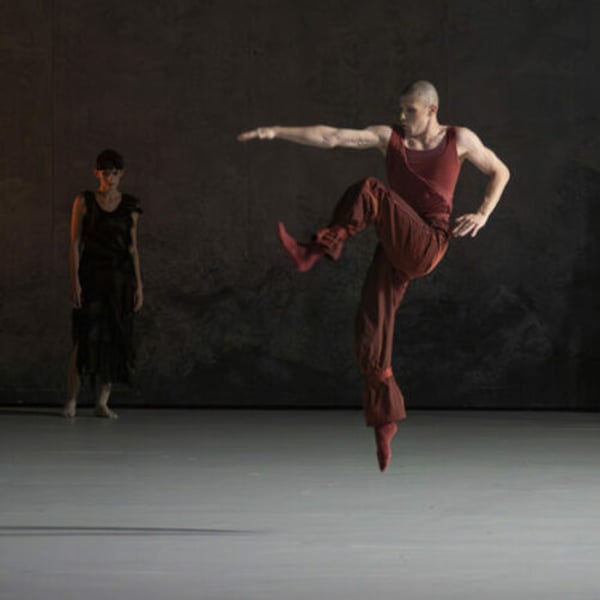
On the occasion of the Contrastes programme, presented from December 1 to 31, 2025 at the Opéra national de Paris, Alainpaul unveils its first collaboration with choreographers Imre and Marne van Opstal. Their new piece, Drift Wood, offers an ideal canvas for exploring the relationship between body, material, and narrative, a space where costumes become integral to movement.
Inspired by the image of driftwood, shaped by time and carried by the currents, Alainpaul’s costumes give physical form to the tension at the heart of the piece: that which both opposes and binds conscious humanity to instinctive nature. Poised between fragility and resistance, the silhouettes move like a second skin, moulding to the dancers’ movements. This focus on texture and construction renders, in visual terms, the contradictions that course through Drift Wood, where bodies oscillate between self-control and impulse.
“A moment of fulfilment”
Conceived as a poetic diorama, the piece unfolds within a landscape shaped by the elements: sound, image, and movement interweave to explore vulnerability, connection, and ambiguity. In this floating world, the costumes play a central role. Rooted in Alainpaul’s signature sculptural clarity and fluidity, they amplify the emotional language imagined by the Van Opstal duo. For the house, this collaboration marks a powerful return to the stage, where clothing reconnects with its primary origin: gesture.

“Collaborating with Imre and Marne, as well as with the Opéra national de Paris’s exceptional atelier, was an immense honour,” said Alain Paul, the house’s founder. “These are the first Alainpaul costumes created for a contemporary ballet, and we are deeply grateful for the trust placed in us for Drift Wood. We have forged a genuine dialogue between movement and the construction of the costumes. Having grown up in the world of dance, this project represents a moment of fulfilment and a profound way of uniting my two worlds.”
Alainpaul, a brand inspired by choreography
This creation forms part of Contrastes, a programme that brings together three choreographic worlds: two major works by Trisha Brown, the entry into the repertoire of David Dawson’s Anima Animus, and Drift Wood, the Van Opstals’ first piece for the Paris Opera. Together, these works explore the tensions and oppositions running through dance today, from minimalist radicalism to sculptural power.

Founded on a choreographic approach to clothing, the house Alainpaul has, from the outset, drawn on the vocabulary of choreographers such as Pina Bausch and Merce Cunningham. Its pieces, with their experimental lines and sculptural silhouettes, reinterpret the dancer’s wardrobe within a timeless, urban aesthetic. With Drift Wood, this ambition takes on a new dimension: that of a garment fully animated by movement.
This article is an automatic translation.
Click here to read the original article.
Copyright © 2025 FashionNetwork.com All rights reserved.









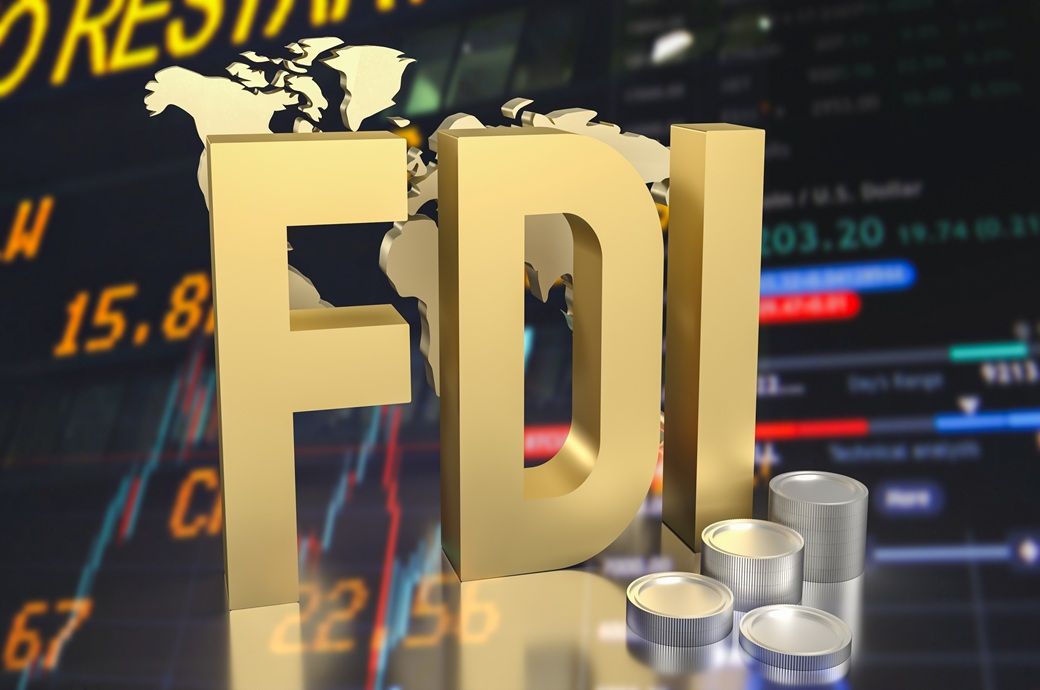
The increase was driven primarily by higher reinvested earnings and intra-company loans, indicating continued engagement by existing investors with Bangladesh.
Reinvested earnings rose by 318.25 per cent, from $103.79 million in 2024 to $434.10 million in 2025, while intra-company loans increased by 25.68 per cent, from $621.96 million to $781.68 million.
Bangladesh’s net FDI inflows increased by 39.36 per cent last year to $1,770.42 million compared with $1,270.39 million in 2024, the Bangladesh Bank said.
The increase was driven primarily by higher reinvested earnings and intra-company loans.
Reinvested earnings rose by 318.25 per cent, from $103.79 million in 2024 to $434.10 million in 2025, while intra-company loans rose by 25.68 per cent.
Equity capital remained broadly stable, rising by 1.84 per cent, from $544.64 million to $554.64 million in 2025, a release from Bangladesh Investment Development Authority said.
Greenfield project announcements declined by 16 per cent in 2025.
Fibre2Fashion News Desk (DS)
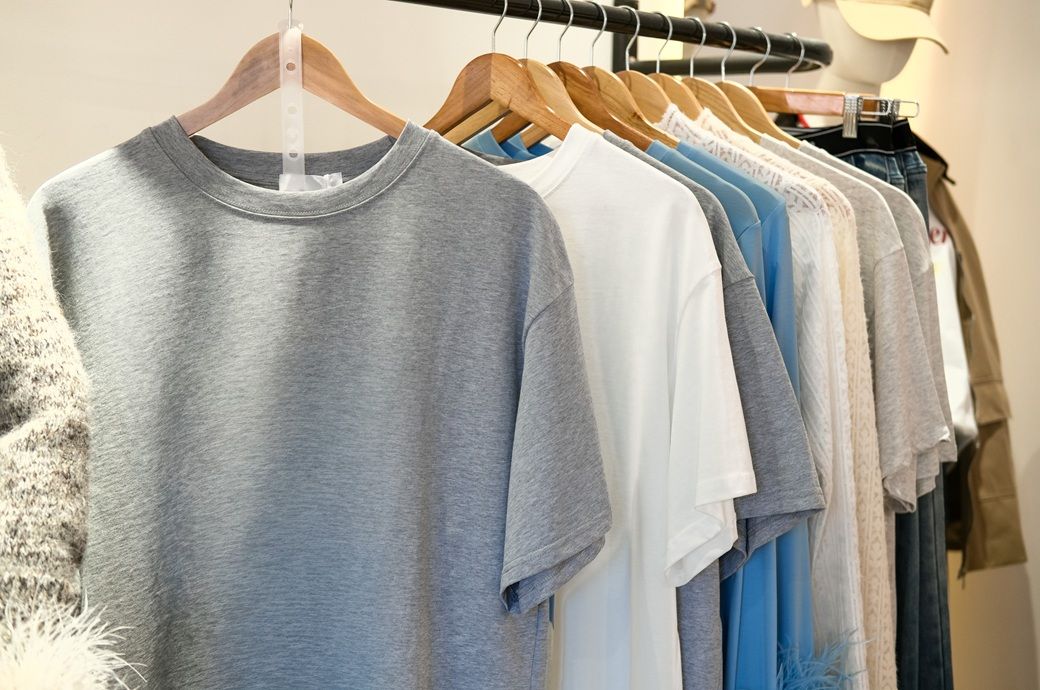
The company’s adjusted EBITDA, excluding Employee Stock Option Plan (ESOP) expenses, rose around 14 per cent YoY to ₹468 crore, while EBITDA margin improved by 20 basis points to around 9.3 per cent. Excluding the reciprocal tariff impact of around ₹36 crore and incremental losses of around ₹13 crore in Bihar and Guatemala, adjusted EBITDA margin stood at around 10.3 per cent.
Pallab Banerjee, managing director, Pearl Global Industries, said: “FY26 marked the company’s second consecutive year of double-digit growth and improved profitability. This performance further solidifies the position of Pearl Global’s diversified operating model and disciplined execution across geographies.”
Pearl Global Industries has reported its highest-ever FY26 revenue of ₹5,025 crore (~$523.93 million), up 11.5 per cent YoY, driven by volume growth and value-added products.
PAT rose 17 per cent to ₹270 crore (~$28.15 million), while Q4 revenue hit ₹1,314 crore (~$137 million).
The company shipped 78.1 million pieces.
Its net worth stands at ₹1,438 crore (~$149.93 million).
He said that geopolitical shifts and Gulf conflicts could lead to energy cost escalation, affecting raw material and logistics costs. However, the company remains prepared to manage these headwinds, supported by its diversified manufacturing base, strong order book, and broad market presence.
The profit after tax (PAT) increased 17 per cent YoY to ₹270 crore (~$28.15 million), the company said in a press release.
On a standalone basis, FY26 revenue stood at ₹1,081 crore, while adjusted EBITDA was ₹67 crore, with EBITDA margin improving by 60 basis points to 6.2 per cent, mainly due to cost restructuring. Standalone PAT rose to ₹69 crore from ₹55 crore in the previous year.
The company’s net worth stood at ₹1,438 crore (~$149.93 million) as of March 31, 2026, compared with ₹1,146 crore a year earlier.
“In FY26, Group delivered another year of resilient performance against a complex geopolitical backdrop. Group achieved, among others, two major milestones this year: revenue crossed INR 5,000 crore mark and installed capacity surpassed 100 million pieces per annum,” said Pulkit Seth, vice-chairman and non-executive director, PGIL.
Seth added that the global apparel industry faced tariff-related disruptions during FY26, with the company’s India operations impacted by tariffs and penal duties imposed by the US. However, he added that Pearl Global leveraged its diversified, multi-country manufacturing presence to mitigate these challenges and deliver double-digit growth.
For the fourth quarter (Q4) of FY26, PGIL posted its highest-ever quarterly revenue of ₹1,314 crore (~$137 million), up 6.9 per cent YoY. Adjusted EBITDA rose 13.7 per cent to ₹135 crore, with margin at 10.3 per cent, the highest EBITDA margin recorded by the company in any quarter. PAT for the quarter stood at ₹81 crore, up 24.6 per cent YoY, PGIL said in a press release.
Standalone revenue during the quarter stood at ₹304 crore, adjusted EBITDA at ₹24 crore, and PAT at ₹14 crore.
PGIL shipped its highest-ever volumes in Q4 FY26 and FY26, at 22 million pieces and 78.1 million pieces respectively. Its annual installed capacity crossed 100 million pieces, reaching around 101 million pieces.
The ongoing capex in Bangladesh is expected to be completed by the first half of FY27 and will add around 6-7 million pieces of capacity during the year.
Fibre2Fashion News Desk (SG)
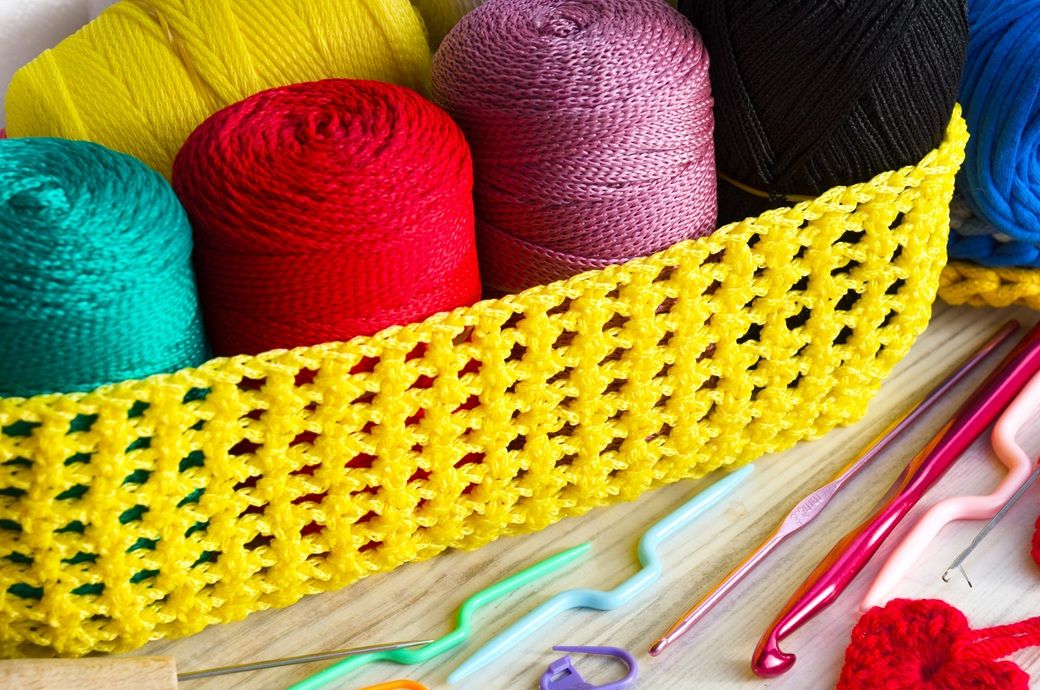
PTA prices recorded notable declines across key Asian benchmarks, tracking crude oil weakness rooted in evolving geopolitical signals. The correction was broad-based, spanning China, Southeast Asia, and South Korea, while India**;s CIF price held steady reflecting the lag in import contract structures and limited spot availability in the domestic market on the day.
The *** per cent Polyester Yarn market witnessed a slightly negative trend during the assessed period, with mild price corrections observed across both yarn grades in the Asia Free on Board (FOB) China market. Prices for **s (*** per cent polyester yarn) declined from around $*.***/kg to nearly $*.***/kg, registering a decrease of approximately *.** per cent.


Gartner: How AI will transform managed network services | Computer Weekly

Trump issues dire warning to Iran to accept peace deal

Oil prices rise after Trump warns Iran over stalled peace talks

-

 Entertainment5 days ago
Conan O’Brien hat tricks as Oscar host
-

 Tech1 week ago
Could Contact-Tracing Apps Help With the Hantavirus? Not Really
-

 Tech1 week ago
I Tried the Best Captioning Smart Glasses, and Only One Leads the Pack
-

 Fashion5 days ago
Italy’s Zegna Group’s Q1 growth boosted by strong organic performance
-

 Sports1 week ago
Bobby Cox, legendary Atlanta Braves manager who led 1995 World Series champions, dead at 84
-

 Entertainment1 week ago
Martin Short: Facing tragedy with joy
-

 Entertainment1 week ago
Tom Brady gets back at Kevin Hart during Netflix roast
-

 Entertainment1 week ago
Martha Stewart: How to make an omelet