

Fashion
Alaska calculus: What the Trump–Putin meeting means for India?

In the early stages of the trade escalation, there was a general consensus in India that Washington’s aim was to secure greater concessions, with many believing that Trump’s additional tariff threat was a strategic move to bring India back to the negotiating table. However, those hopes have been dampened in recent days.
Trump has signalled that further trade talks with India are unlikely unless a separate, sensitive issue is resolved—India’s ongoing oil imports from Russia, which he argues is “fuelling the war machine” in the Ukraine. When asked by journalists if the tariff decision would result in a renewed push towards finalising a bilateral trade agreement (BTA), Trump’s response was reportedly in the negative, which is seen in reference to his demand that India halt its oil purchases from Russia first.
The 25 per cent additional tariff imposed by Donald Trump on Indian goods is set to take effect from August 27.
According to some estimates, owing to increased tariffs, certain knitted garments could face duties as high as 64 per cent and woven apparels around 60.3 per cent.
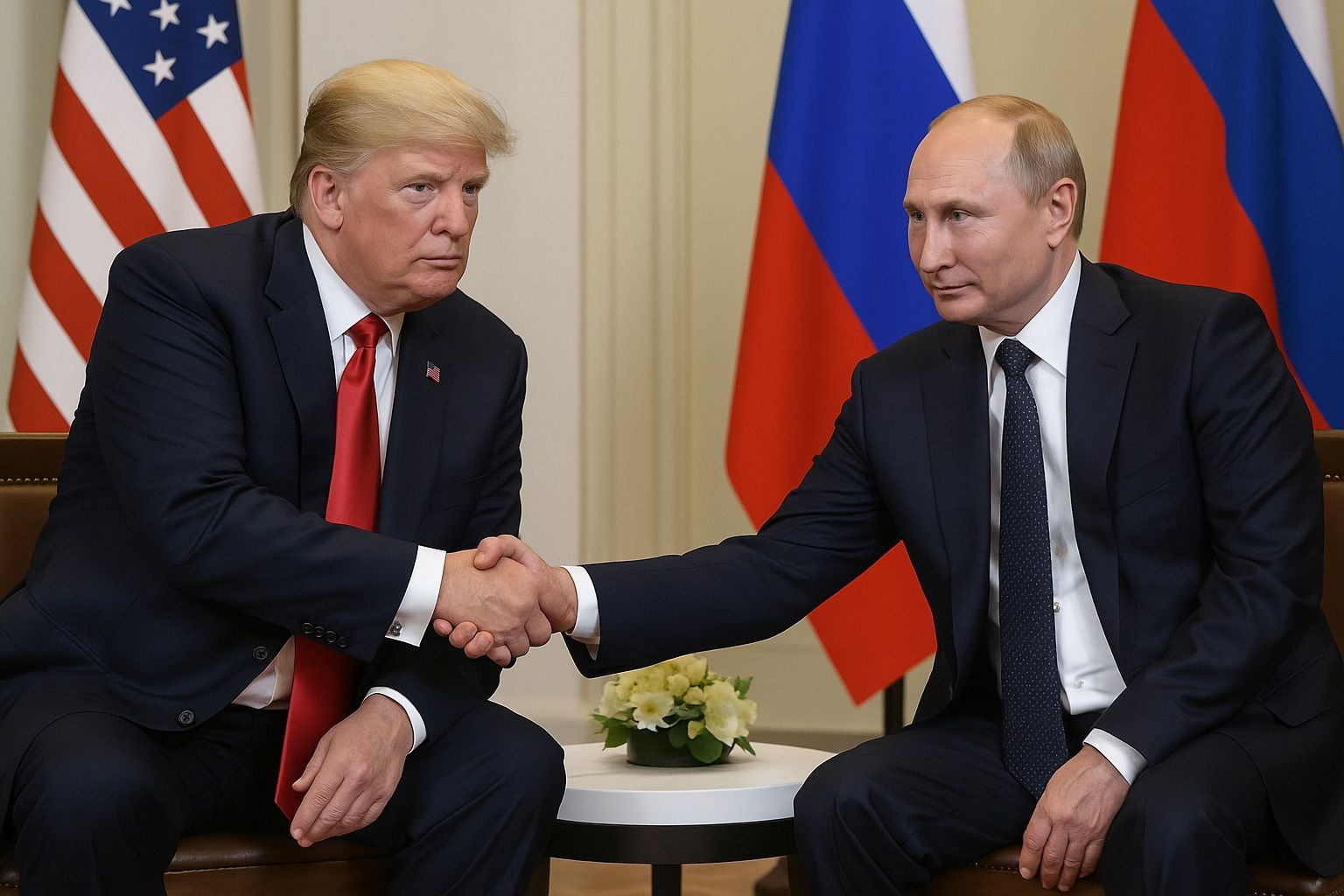
The Trump-Putin meeting on August 15 in Alaska might influence the course of India-US trade ties.
This linkage of trade negotiations to India’s energy diplomacy has now thrown bilateral discussions into uncertainty. Experts and analysts suggest that as long as the Russia-Ukraine conflict continues and India maintains its current oil strategy, progress on trade talks with the US could remain frozen.
Meanwhile, according to reports, US Treasury Secretary Scott Bessent emphasised in a recent interview that the US has imposed secondary tariffs on India for purchasing Russian oil and reportedly warned that further measures could follow if the situation does not improve.
From an economic standpoint, the imposition of the new tariffs poses a serious though not devastating challenge for India. Many analysts are of the opinion that it is not going to cripple an economy of India’s size.
However, the consequences for specific export-driven sectors—particularly textiles and apparel—could be much more severe. India’s labour-intensive textile industry, which heavily relies on US demand, is bracing for a potential loss of up to $5 billion in business, according to some industry estimates.
Owing to increased tariffs, certain knitted garments could face duties as high as 64 per cent, while woven apparel could be hit with tariffs of around 60.3 per cent, claim industry insiders. These elevated rates place India at a serious competitive disadvantage, especially when compared to rivals like Bangladesh, Vietnam, Pakistan, and Cambodia.
Meanwhile, industry voices from textile hubs like Tiruppur, Coimbatore, and Karur have already sounded the alarm. As per media reports, manufacturers in these regions claimed some existing orders from US buyers have been paused, and there is growing concern that future contracts could be diverted to countries with lower tariffs.
This shifting trade landscape is unfolding at a time when broader diplomatic developments are also in flux. All eyes are now on the upcoming meeting between Donald Trump and Russian President Vladimir Putin, scheduled for Friday, August 15, in Alaska.
The primary focus of this meeting is going to be the ongoing war in Ukraine.
For India, this high-stakes diplomatic engagement could carry significant implications. If the talks result in any meaningful progress towards de-escalating the Russia-Ukraine conflict, India’s continued oil imports from Russia could become less contentious—possibly removing one of the major obstacles to renewed US–India trade discussions.
A breakthrough at the Alaska meeting could thus provide the diplomatic cover needed for both sides to resume stalled trade talks, feel some experts.
Though still speculative, the summit’s outcome will be closely watched by Indian industry leaders and policymakers for sure. That it falls on India’s Independence Day only adds a symbolic twist—depending on how the talk plays out, it could pave the way for easing the tariff pressure. But if things go south, a further strain in trade relations remains a distinct possibility.
Fibre2Fashion News Desk (DR)










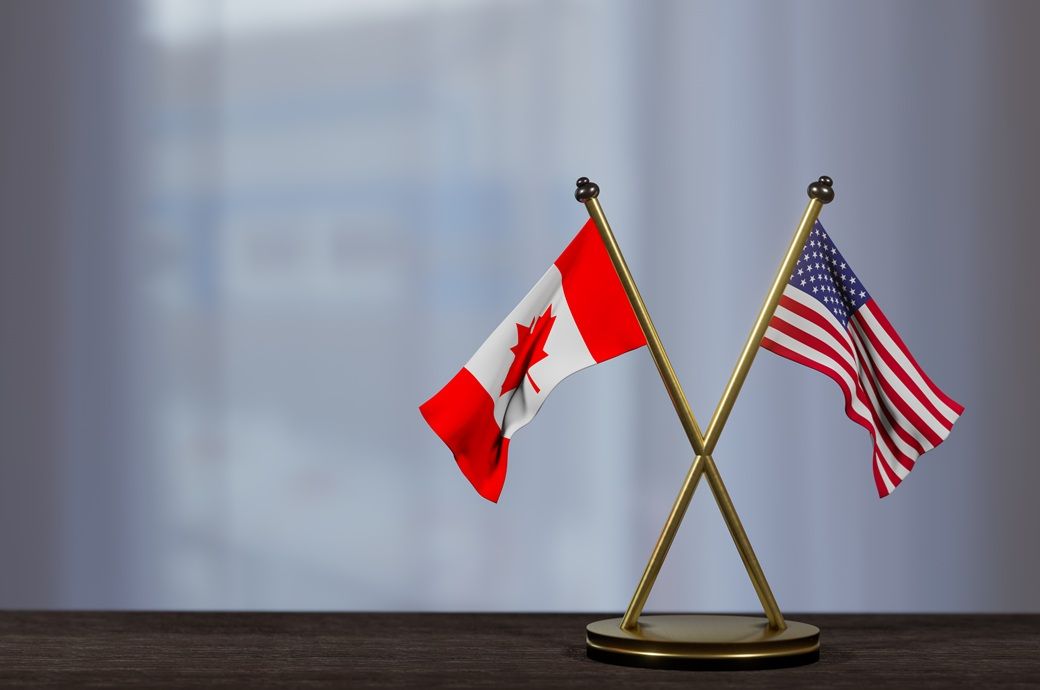
The committee will serve as a forum for expert advice on trade, investment, labour and economic strategy, and will be chaired by Dominic LeBlanc, minister responsible for Canada-US Trade, Intergovernmental Affairs, Internal Trade and One Canadian Economy. It includes leaders from across key sectors of the Canadian economy and will hold its first meeting on April 27, 2026.
Canada has formed a new advisory committee to guide its economic strategy with the United States ahead of the Canada-United States-Mexico Agreement (CUSMA) review.
With 85 per cent of trade remaining tariff-free, the move aims to deepen collaboration, safeguard market access and better position Canada for upcoming negotiations and evolving trade dynamics.
Carney announced members including Jean Simard, Candace Laing, Darryl White, Lisa Raitt, Tracy Robinson, Flavio Volpe, Ron Bedard, Ken Seitz, Dennis Darby, Lana Payne, Francois Poirier, Emile Cordeau, Luc Theriault, Magali Picard, Jonathan Price, Susan Yurkovich, Michael Harvey, Tabatha Bull, Cameron Bailey, Valerie Beaudoin, Erin O’Toole, Jean Charest, P.J. Akeeagok and Ralph Goodale.
The initiative replaces the former Council on Canada-US relations and aims to strengthen engagement with business and labour stakeholders while positioning Canada for future negotiations.
“Canada is approaching its economic relationship with the US with focus, discipline and unity. This new Advisory Committee ensures that government is drawing on the best advice and the broadest perspectives to advance Canada’s economic interests. Our goal is a strong economic partnership with the US that creates greater certainty, security and prosperity for all,” Carney said.
“Canada is strongest when governments, workers, businesses and industry leaders pull in the same direction. This Advisory Committee will help us stay closely connected to key sector perspectives, support effective outreach and strengthen Canada’s position as we establish a new economic and security relationship with the US,” LeBlanc added.
Canada-US trade remains a cornerstone of North America’s economy. In 2024, both countries exchanged nearly $3.6 billion in goods and services daily. Together with Mexico, the three countries represent a market of 517 million consumers with a combined GDP of $48.8 trillion. Since CUSMA came into force on July 1, 2020, bilateral trade has increased by more than 27 per cent, or $196 billion.
CUSMA, which is in force until 2036, will undergo a mandatory joint review on July 1, 2026. Member countries will decide by consensus on potential updates or an extension for another 16 years. If no agreement is reached, annual reviews will continue until consensus is achieved or the agreement expires.
Fibre2Fashion News Desk (CG)

Such industrial units can transfer gas load allocated under the captive power category to the industrial category within the same premises and ownership. But gas load from the industrial power category cannot be transferred to captive use.
Bangladesh’s power, energy and mineral resources division has simplified the industrial gas distribution system, allowing factories within the same premises and ownership to transfer unused gas load with approval from the relevant gas company.
The aim is to improve service amid rising demand.
Industrial units can rearrange or replace gas equipment keeping the approved hourly load unchanged.
Industrial units can rearrange or replace gas equipment keeping the approved hourly load unchanged, according to a circular by the division.
Commissioning work must be carried out by contractors enlisted with the relevant gas company, while no permission from the gas distribution company will be required, the circular noted.
The aim is to improve service amid rising demand.
Textile mills lauded the move, saying the reforms would enhance productivity, reduce cost and streamline operations, particularly for energy-intensive textile and garment sectors, according to domestic media reports.
Fibre2Fashion News Desk (DS)
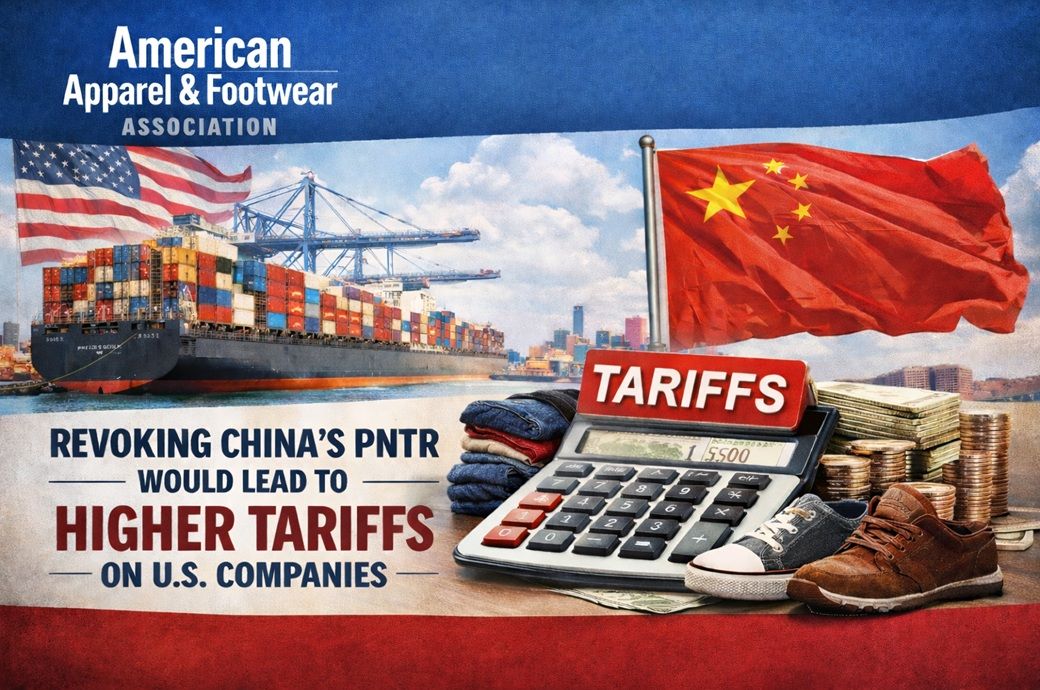
“These significant tariff increases cannot be absorbed by US brands and retailers, as margins are already tight and leave little room to offset such dramatic cost increases. As a result, these added costs would be passed on to consumers, hurting the affordability of clothes and shoes for American families,” Beth Hughes, AAFA vice president for trade and customs policy, wrote in a letter to the ITC.
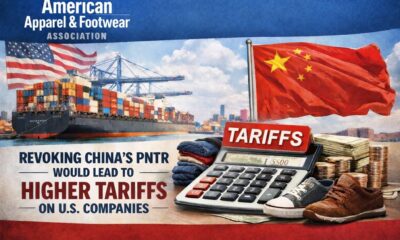
US trade body AAFA has urged the International Trade Commission not to revoke the permanent normal trade relations (PNTR) status granted to China as that would result in higher tariffs borne by US companies.
Higher tariffs on Chinese imports would constrain US firms’ ability to invest in innovation, expand operations and support US job growth, and would risk closing off commercial opportunities in China.
“At the same time, higher tariffs on Chinese imports would constrain US companies’ ability to invest in innovation, expand operations and support American job growth,’ he noted.
AAFA in its letter said that US manufacturers rely on Chinese raw materials and inputs to produce finished goods under ‘Made in USA’ initiatives. Certain textiles are only available from China at the scale required, with no viable alternatives available now.
China remains the largest supplier for the US apparel, footwear and travel goods industry, accounting for 27.26 per cent of apparel imports, 47.83 per cent of footwear imports and 36.62 per cent of travel goods imports in 2025.
“Revoking China PNTR would result in higher tariffs borne by US companies significantly raising costs, reducing Americans’ ability to purchase affordable clothing, footwear and travel goods, while straining limited US and global manufacturing capacity that cannot readily replace these imports and provoking potential retaliatory measures that could further harm US companies,” the letter read.
Many small businesses and employers may not be in a position to absorb those costs, it observed.
While these additionally costs might ultimately be manageable—by being passed along over time or addressed through other mitigation measures, including alternative sourcing—those measures take time and also involve costs, it said.
An entire class of companies would be eliminated by the existential nature of such high tariff costs.
China’s pattern of retaliation suggests that any US move to revoke PNTR would likely be met with swift and proportional countermeasures, the letter noted.
As China a major market for American goods, the loss of PNTR would not only raise prices and disrupt supply chains, but also risk closing off commercial opportunities in China, it added.
Fibre2Fashion News Desk (DS)


Canada forms new advisory committee to strengthen US trade relations

High street drug dealer sells cannabis to undercover reporter

Clearing Hormuz Strait mines could take six months: report

-

 Fashion1 week ago
France’s LVMH Q1 revenue falls 6%, shows resilience amid Iran war
-

 Entertainment1 week ago
Is Claude down? Here’s why users are seeing errors
-

 Tech1 week ago
The Deepfake Nudes Crisis in Schools Is Much Worse Than You Thought
-

 Sports1 week ago
PSL 11: Peshawar Zalmi win toss, opt to field first against Quetta Gladiators
-

 Tech1 week ago
Human-machine teaming dives underwater
-
 Business1 week ago
Standard Life buys rival in £2b deal to create savings giant
-
 Business1 week ago
BP sees ‘exceptional’ oil trading result as Iran war sends crude costs soaring
-

 Fashion1 week ago
What no one is saying about the 2026 apparel slowdown