

Business
American Eagle stock soars 20% as retailer says Sydney Sweeney campaign is ‘best’ to date, beats earnings


American Eagle said Wednesday its partnership with Sydney Sweeney has been its “best” advertising campaign to date as it announced fiscal second-quarter earnings that beat expectations.
The company’s splashy, yet controversial, campaign with the “Euphoria” star led to some criticism and blowback but the launch, coupled with a recent partnership with Taylor Swift’s new fiancé Travis Kelce, has led to new customer acquisition and positive traffic across channels.
American Eagle stock soared more than 20% in after-hours trading Wednesday.
“The fall season is off to a positive start. Fueled by stronger product offerings and the success of recent marketing campaigns with Sydney Sweeney and Travis Kelce, we have seen an uptick in customer awareness, engagement and comparable sales,” CEO Jay Schottenstein said in a news release. “We look forward to building on our progress and the continued strength of our iconic brands to drive higher profitability, long-term growth and shareholder value.”
The company also re-issued its full-year guidance after withdrawing it earlier this year. It now expects comparable sales to be approximately flat, better than the 0.2% decline analysts had anticipated, according to StreetAccount.
It still expects gross margin to be down for the duration of the year, but it made key changes to its outlook for operating income, which is bearing the brunt of the tariff impact. The company is now expecting its full-year operating income to be between $255 million and $265 million, down from a previous range of between $360 million and $375 million.
Here’s how American Eagle performed during the quarter compared with what Wall Street was anticipating, based on a survey of analysts by LSEG:
- Earnings per share: 45 cents vs. 21 cents expected
- Revenue: $1.28 billion vs. $1.24 billion expected
The company’s reported net income for the three-month period that ended Aug. 2 was $77.6 million, or 45 cents per share, compared with $77.3 million, or 39 cents per share, a year earlier.
Sales fell to $1.28 billion, down slightly from $1.29 billion a year earlier.
For the current quarter, American Eagle is expecting comparable sales to be up in the low single digit range, better than the 0.9% uptick analysts had expected, according to StreetAccount. It’s expecting the same trend during the fourth quarter.
So far this year, American Eagle’s performance has been marred by merchandising missteps, tariffs and an uncertain consumer that’s being more selective when spending money on products like clothes and shoes.
To turn things around, American Eagle launched its campaign with Sweeney ahead of the crucial back-to-school shopping season, but in some ways, that also backfired when it incited outrage from some customers.
The slogan American Eagle chose for the campaign — “Sydney Sweeney has great jeans” — led some far-left critics to say the remark was a double entendre and a nod to eugenics. Meanwhile, those on the right celebrated the campaign, leading President Donald Trump to weigh in and call it the “hottest” ad around.
More widely, the campaign also faced pushback from some who said the ads were overly sexualized and out of touch, leading them to wonder what type of consumer the company was targeting.
The campaign launched on July 23 at the tail end of American Eagle’s fiscal second quarter, but the company said it’s so far been a success, despite the pushback it received. The Sweeney campaign, along with the partnership it launched with Kelce, has led to “meaningful improvement in the business” with comps so far this quarter up in the mid-single digits. American Eagle said it’s gained 700,000 new customers and that traffic across channels has been “consistently positive” throughout August, despite some news reports indicating the contrary.
The Sweeney campaign has led to denim sellouts, double-digit traffic growth and increased awareness and engagement, the company said. The Sydney Jacket sold out in one day and The Sydney Jean, a custom style that donated 100% of proceeds to the Crisis Text Line, which provides mental health support, sold out in one day.
Meanwhile, American Eagle’s launch with Kelce, the Kansas City Chiefs tight end, the day after he announced his engagement to the pop star, drove three times more sales in one day than past collaborations did in a week, the company said. Many of the items, specifically ones worn by Kelce and his fellow athletes, sold out.
American Eagle’s partnerships with Sweeney and Kelce highlight the work the retailer is doing to stay relevant with consumers and cut through the noise as spending remains soft.
It’s also facing stiff competition from peers like Abercrombie & Fitch, Gap and Levi’s. Recently, Gap launched its “Better in Denim” campaign featuring Katseye and Kelis’s 2003 hit “Milkshake.” Meanwhile, Levi’s has had an ongoing campaign featuring Beyoncé while Abercrombie has taken a sports focus and partnered with the NFL.
Compounding American Eagle’s challenges is the uncertain tariff environment. American Eagle has been working to reduce its reliance on China to under 10% this year but it also has a heavy manufacturing presence in Vietnam and India, which have been the subject of reciprocal tariffs.





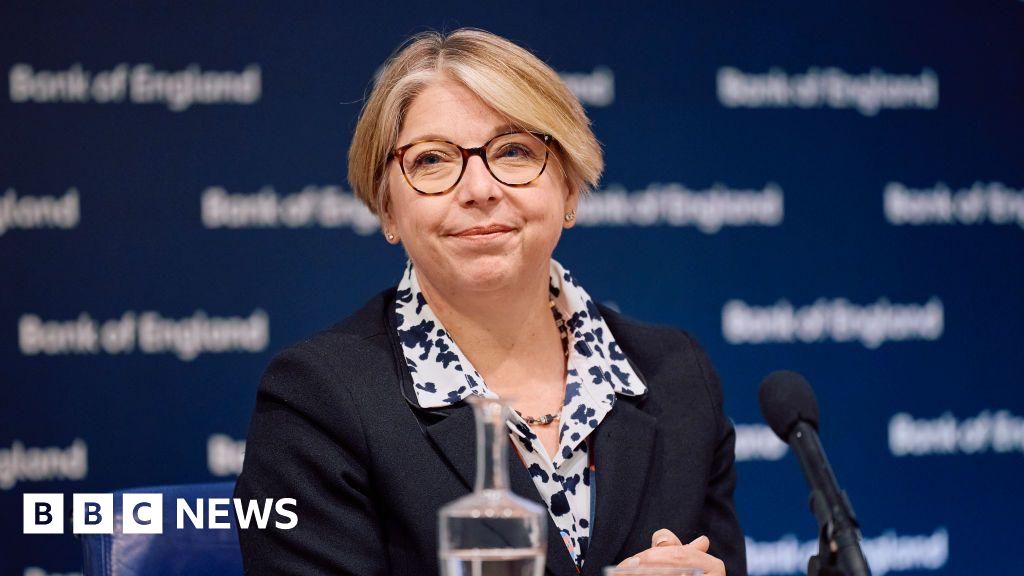
It is unusual for a senior figure at the Bank to be so forthright on market movements.
Source link

People walk past a Nike store in New York City, on April 2, 2025.
Kylie Cooper | Reuters
Nike announced a new round of layoffs Thursday affecting approximately 1,400 employees across the organization, mostly concentrated in its technology department.
In a note from COO Venkatesh Alagirisamy, the company said the layoffs were part of Nike’s broader “Win Now” turnaround strategy aiming to reshape its technology team, modernize its Air manufacturing, move some of its Converse Footwear operations and integrate its materials supply chain work into its footwear and apparel supply chain teams.
“Collectively, these changes will result in a reduction of approximately 1,400 roles in global operations, with the majority in technology,” Alagirisamy wrote. “These reductions are very hard for the teammates directly affected and for the teams around them, too.”
A Nike spokesperson said the layoffs are about better positioning the organization for the current pace of sports and accelerating its growth. The layoffs affect employees across North America, Asia and Europe and represent less than 2% of the company’s total global head count.
“This is not a new direction,” Alagirisamy wrote. “It is the next phase of the work already underway.”
Affected employees will be notified beginning Thursday, Nike added.
CEO Elliott Hill has been working to turn Nike around after years of slumping sales. While Hill has made some initial progress, it’s come with some bumps in the road.
Nike announced 775 job cuts in January, primarily at its U.S.-based distribution centers, due to the company’s work in accelerating its use of automation. At the time, the company said the cuts are part of Nike’s goal to return to “long-term, profitable growth.”
Those layoffs came on top of a round of cuts last summer that affected less than 1% of Nike’s corporate staff as part of the company’s efforts to realign the business.
In its third fiscal quarter earnings report last month, the retailer warned that sales will continue to fall for the rest of the year, primarily led by an anticipated 20% decline in China during the current quarter.
— CNBC’s Jessica Golden contributed to this report.
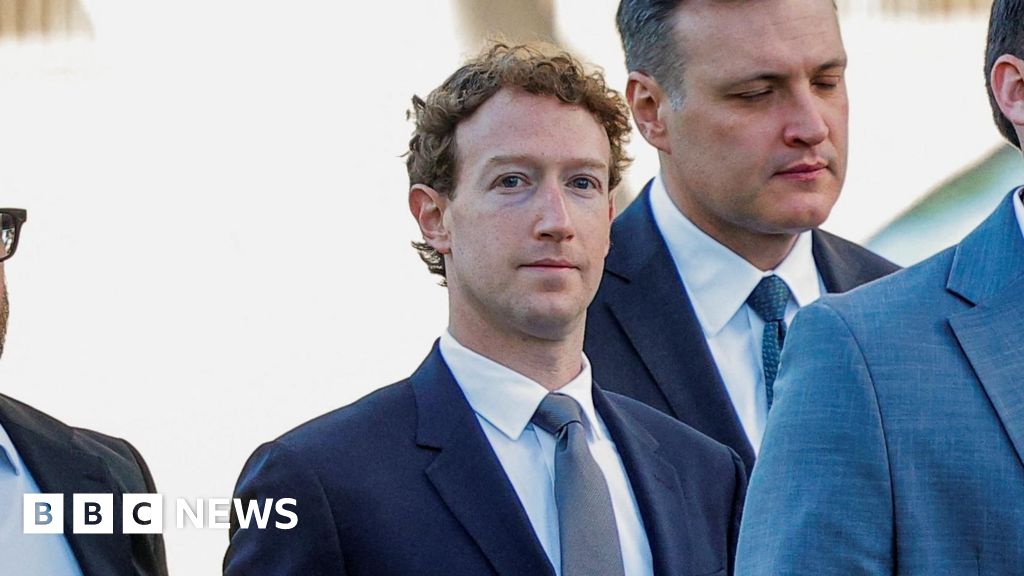
A key reason for the layoffs is Meta’s increased spending in other areas of the company, including AI, for which it will this year spend $135bn (£100bn). This is roughly equal to the amount it has spent on AI in the previous three years combined, according to a person who viewed the memo.


US Special Forces Soldier Arrested for Polymarket Bets on Maduro Raid
Global stock markets are too high and set to fall, says Bank of England deputy

Newly Deciphered Sabotage Malware May Have Targeted Iran’s Nuclear Program—and Predates Stuxnet

-

 Fashion1 week ago
France’s LVMH Q1 revenue falls 6%, shows resilience amid Iran war
-

 Entertainment1 week ago
Is Claude down? Here’s why users are seeing errors
-

 Sports1 week ago
PSL 11: Peshawar Zalmi win toss, opt to field first against Quetta Gladiators
-

 Tech1 week ago
The Deepfake Nudes Crisis in Schools Is Much Worse Than You Thought
-
 Business1 week ago
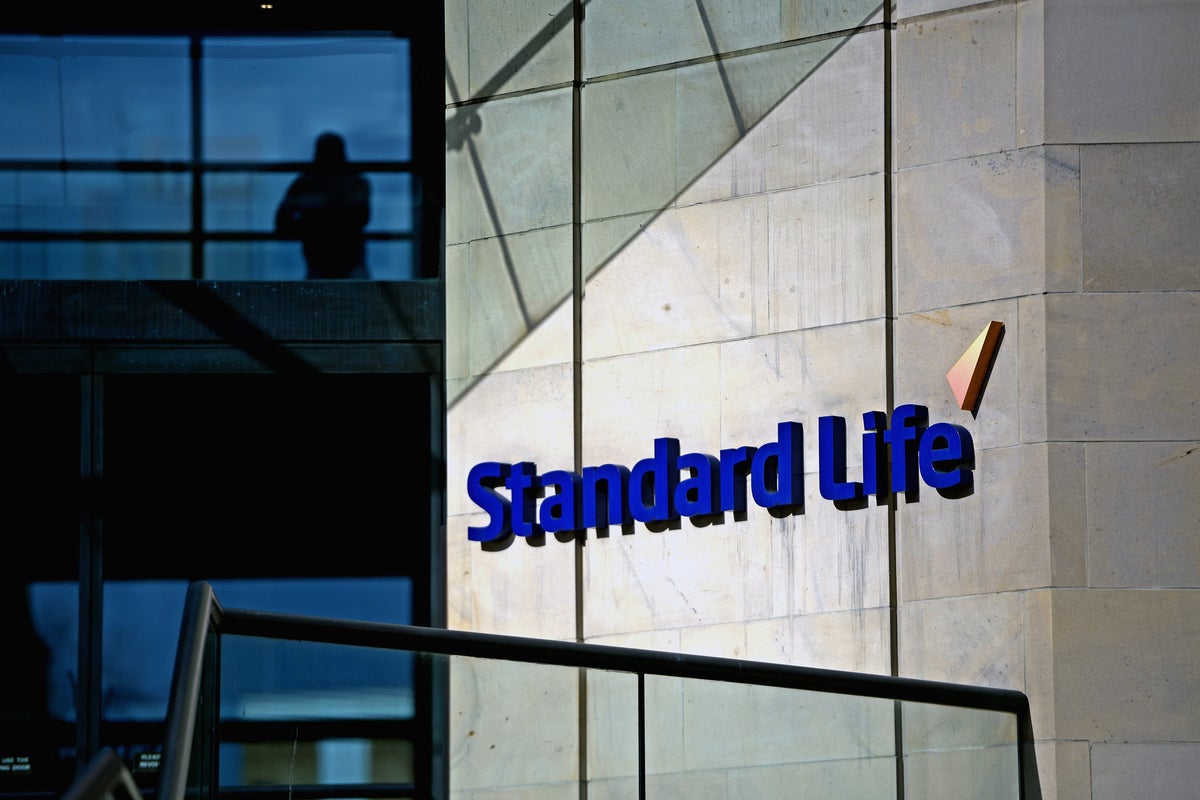
Standard Life buys rival in £2b deal to create savings giant
-

 Tech1 week ago
CYBERUK ’26: UK lagging on legal protections for cyber pros | Computer Weekly
-

 Fashion1 week ago
Raymond unveils luxury Chairman’s Collection Store in Mumbai
-
 Business1 week ago
PepsiCo earnings beat estimates as North American food business improves