

Politics
Ayatollah Khamenei martyred — how succession works in Iran?

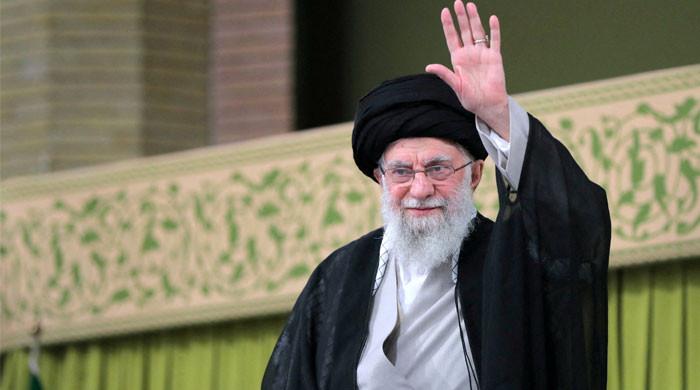
Following the martyrdom of Ayatollah Ali Khamenei, Iran’s constitution sets out a clear succession mechanism to ensure continuity of leadership, IRNA news agency reported.
Khamenei has been martyred in Israeli and US strikes, Iranian state media confirmed. The Fars agency has reported that the Iranian government has declared 40 days of public mourning in the wake of Khamenei’s martyrdom. It also announced seven days of public holidays.
According to Article 111 of the Constitution of the Islamic Republic of Iran, in the event of the death, resignation or dismissal of the supreme leader, the Assembly of Experts is obliged to act “within the shortest possible time” to appoint and introduce a new leader.
Until a successor is selected, a temporary council takes over the duties of the supreme leader. This council is to be composed of three senior figures: the president, the head of the judiciary, and a jurist from the Guardian Council chosen by the Expediency Discernment Council, according to constitutional provisions.
Meanwhile, President Masoud Pezeshkian, judiciary chief Gholamhossein Mohseni Ejei and another official from the country’s legal council will be part of the trio overseeing the transition, according to state television, which cited Mohammad Mokhber, one of Khamenei’s advisors.
This interim body assumes the leadership responsibilities until the Assembly of Experts finalises and formally appoints a new supreme leader.
Under the constitutional process, if any member of the temporary council is unable to perform their duties, another person may be appointed in their place by the Assembly of Experts, provided the majority of jurists are maintained.
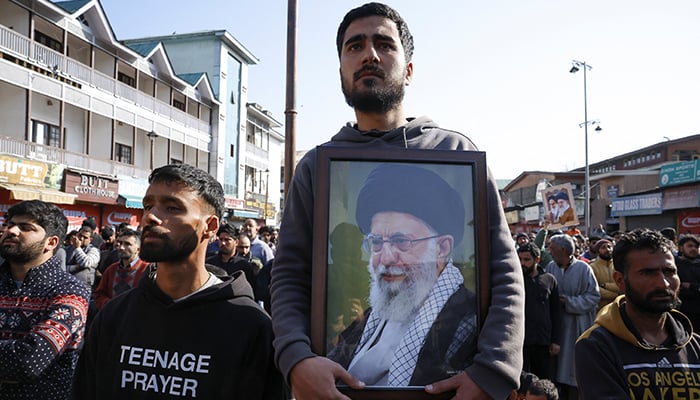
Meanwhile, the Iranian Revolutionary Guard Corps (IRGC) has announced the start of “the most devastating offensive operation in the history of the Islamic Republic of Iran”, Al Jazeera reported, citing Fars news agency.
The IRGC said that the offensive will commence in “just moments and will target the “occupied territories and American bases” in the region.
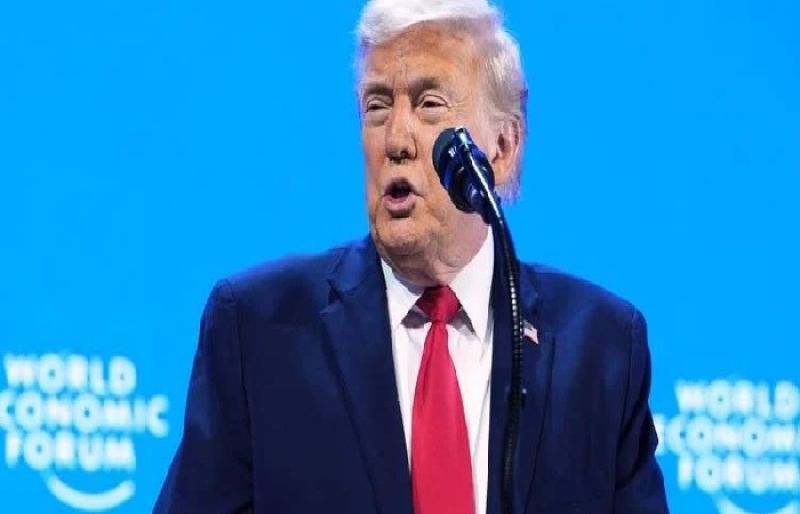
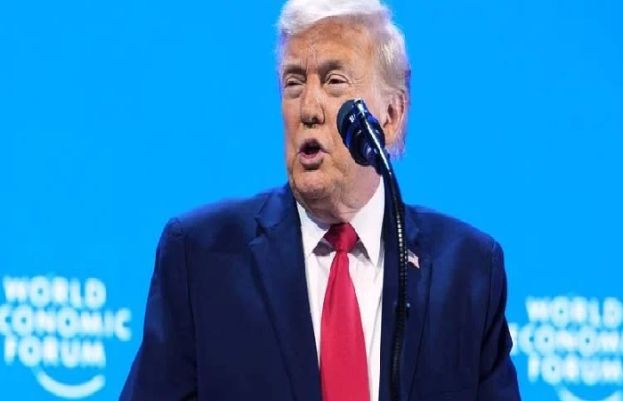
US President Donald Trump has said he could travel to Islamabad if a deal with Iran is signed there, signalling potential high-level involvement in ongoing negotiations mediated by Pakistan.
He added that if no agreement is reached with Iran, fighting will continue, and suggested the next round of talks could take place over the weekend.
On the ceasefire, Trump said progress was being made, adding that Iran is now willing to consider steps it had previously rejected. He also said he was not certain the ceasefire would need to be extended.
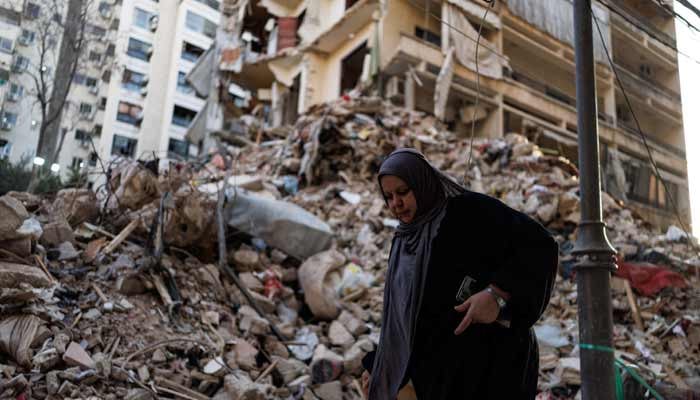
- EU welcomed Lebanon ceasefire announcement.
- Differences remain over nuclear programme: Iranian official.
- Lebanon-Israel to begin ceasefire at 5pm EST: Trump
US President Donald Trump announced on Thursday that Lebanon and Israel had agreed on a 10-day ceasefire, as optimism grew that the Iran war may be nearing an end.
Trump said in a social media post that the ceasefire would start at 5pm eastern time (2100 GMT), aiming to halt a conflict between Israel and the Iran-aligned Lebanese group Hezbollah that was reignited by the US-Israeli war against Iran.
He said he had held “excellent conversations” with Israeli Prime Minister Benjamin Netanyahu and Lebanese President Joseph Aoun.
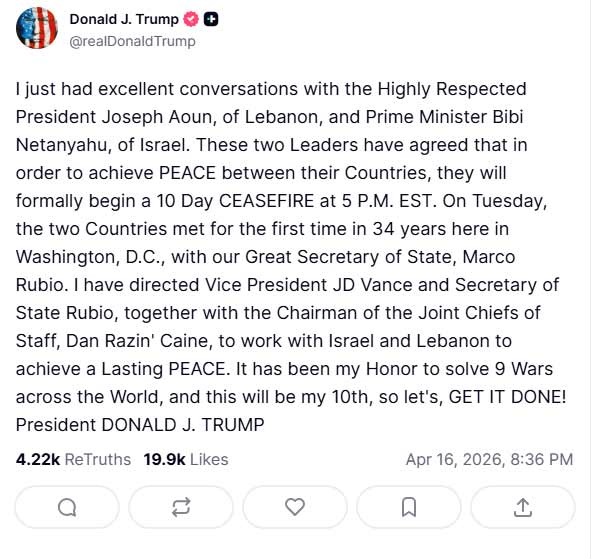
“These two Leaders have agreed that in order to achieve peace between their countries, they will formally begin a 10-day ceasefire at 5pm EST,” he said. “Both sides want to see peace, and I believe that will happen, quickly!”
Trump said he had directed US Vice President JD Vance, Secretary of State Marco Rubio and Chairman of the Joint Chiefs of Staff Dan Caine to work with the two countries to achieve lasting peace.
The war with Iran spilt into Lebanon on March 2, when Hezbollah opened fire in support of Tehran, prompting an Israeli offensive in Lebanon 15 months after the last major conflict.
European Commission President Ursula von der Leyen welcomed the ceasefire announcement, saying on X: “This is a relief, as this conflict has already claimed far too many lives.”
Breakthrough on ‘sticky issue’ between US and Iran
Thousands of people have been killed, mostly in Iran and Lebanon, since US-Israeli attacks on Iran began on February 28, triggering Iranian airstrikes on Iran’s Gulf neighbours and reigniting the Israel-Hezbollah conflict.
Soaring energy costs have rattled investors and policymakers globally since Iran effectively closed the Strait of Hormuz, through which a fifth of the world’s oil and gas supply flows.
Closure of the strait has caused the worst oil price shock in history and forced the International Monetary Fund (IMF) to downgrade its outlook for the global economy, warning prolonged conflict could push the world to the brink of recession.
But hopes of a deal between Iran and the United States have been growing, with a two-week ceasefire in force.
A security source said a Pakistani mediator had made a breakthrough on “sticky issues”, although Tehran said the fate of its nuclear programme had not been resolved. Trump has said the accord would open the Strait of Hormuz.
Chief of Defence Forces (CDF) and Chief of Army Staff (COAS) Field Marshal Asim Munir, an important figure in mediation efforts, arrived in Tehran on Wednesday to try to prevent a renewal of the conflict after talks in Islamabad that ended without a deal.
A senior Iranian official told Reuters on Thursday the trip had led to greater hopes for a second round of talks and an extension of a two-week ceasefire, but said fundamental differences remain over its nuclear programme.
‘Locked and Loaded’
US Defense Secretary Pete Hegseth said troops were poised to restart combat operations if a deal was not reached with Iran.
“We are reloading with more power than ever before, and better intelligence,” Hegseth told a Pentagon briefing. “We are locked and loaded on your critical dual-use infrastructure, on your remaining power generation, and on your energy industry. We’d rather not have to do it.”
But a security source told Reuters a deal was closing in and that the US wants a breakthrough before the ceasefire expires next week. Washington is offering to lift sanctions and unfreeze billions of dollars’ worth of Iranian assets, he said.
Iran will open the strait only if a permanent ceasefire is reached and there are United Nations guarantees that the US and Israel will not attack again in future, he said.
A separate government source said the talks would be held “soon” in Islamabad, although no date has been set.
Stock markets have rallied strongly in recent days on expectations of a swift resolution to the fighting, with global equities vaulting past their previous all-time highs in trading on Thursday. However, oil prices gained, showing continued uncertainty about the ceasefire prospects and the opening of the strait.
Iran’s nuclear ambitions were a sticking point at last weekend’s talks. The US proposed a 20-year suspension of all nuclear activity by Iran — an apparent concession from longstanding demands for a permanent ban. Tehran suggested a halt of three to five years, according to people familiar with the proposals.
Washington has pressed for any highly enriched uranium (HEU) to be removed from Iran. Tehran has demanded that international sanctions against it be lifted.
Two Iranian sources said there were signs of a compromise emerging on the HEU stockpile, with Tehran considering shipping part, but not all, of it out of the country, something it had previously ruled out.
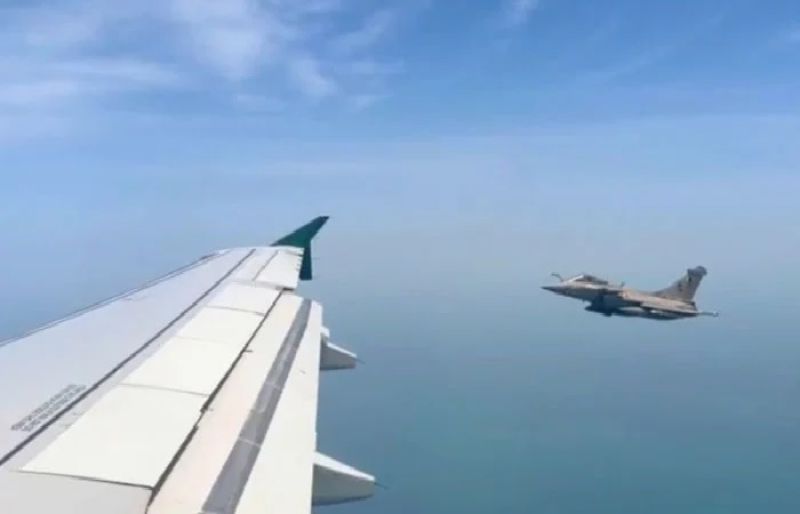
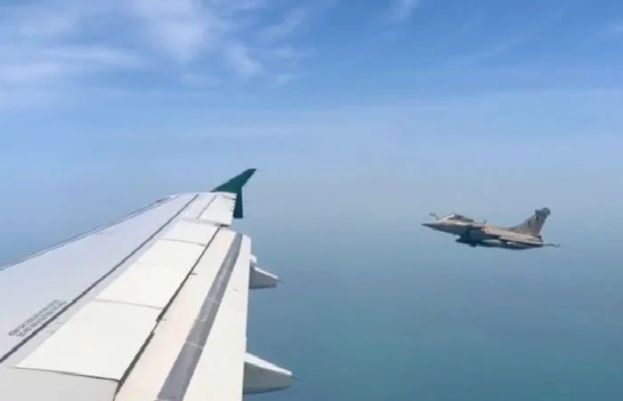
Prime Minister Shehbaz Sharif received a ceremonial fighter jet escort from the Qatari air force as his aircraft entered Qatari airspace en route to Doha, marking a significant gesture of diplomatic goodwill and strong bilateral ties.
The escort was arranged as part of a warm welcome during the second leg of the prime minister’s tri-nation visit from April 15 to 18, which comes at a time of heightened Middle East tensions and ongoing diplomatic efforts to help de-escalate the US-Iran conflict.
Upon arrival, the prime minister thanked the Qatari leadership and the pilots for the honour.
During the flight, PM Shehbaz expressed gratitude, saying he was “honoured” by the escort and thanked Qatari Emir Sheikh Tamim bin Hamad Al Thani for the gesture.
He said the honour extended not only to him but also to the people and government of Pakistan.
Upon arrival at Doha International Airport, the prime minister and his delegation were warmly received by Qatari Minister of State for Foreign Affairs Sultan bin Saad Al-Muraikhi. A smartly turned-out contingent of the Qatari Armed Forces presented a guard of honour, underscoring the significance of the visit.
In a gesture marking the occasion, Pakistani flags were displayed prominently at the airport and across parts of the Qatari capital, reflecting the close and friendly ties between the two countries.
Senior members of the Pakistani delegation accompanying the prime minister include Deputy Prime Minister and Foreign Minister Ishaq Dar, Minister for Information and Broadcasting Attaullah Tarar, Special Assistant to the Prime Minister Tariq Fatemi, and the prime minister’s spokesperson for international media, Mosharraf Zaidi.
The prime minister will also travel to Turkiye following his visit to Qatar, the Foreign Office said, adding that PM Shehbaz will participate in the Antalya Diplomacy Forum, where he is scheduled to join the Leaders’ Panel alongside other global figures and present Pakistan’s perspective.
It added that the visits to Saudi Arabia and Qatar take place in a bilateral context, where the prime minister will discuss ongoing cooperation as well as regional peace and security.

Netflix co-founder Reed Hastings to step down as chairman

N.J. governor: FIFA should pay extra train costs to MetLife for World Cup

Bryan Cranston takes a jab at Shia LaBeouf: ‘Get Some Help’

-

 Entertainment1 week ago
Queen Elizabeth II emotional message for Archie, Lilibet sparks speculation
-

 Tech1 week ago
Azure customers up in arms over ‘full’ UK South region | Computer Weekly
-
 Tech1 week ago
As the Strait of Hormuz Reopens, Global Shipping Will Take Months to Recover
-

 Fashion1 week ago
CII submits 20-pt agenda to Indian govt to back firms hit by Iran war
-

 Tech1 week ago
This AI Button Wearable From Ex-Apple Engineers Looks Like an iPod Shuffle
-
 Politics7 days ago
Indian airlines hit hardest after Dubai limits foreign flights until May 31
-

 Entertainment4 days ago
Palace left in shock as Prince William cancels grand ceremony
-
 Politics6 days ago
Chinese, Taiwanese will unite, Xi tells Taiwan opposition leader