

Fashion
Bangladesh RMG workers part of trade unions get 10% higher wages: BIDS

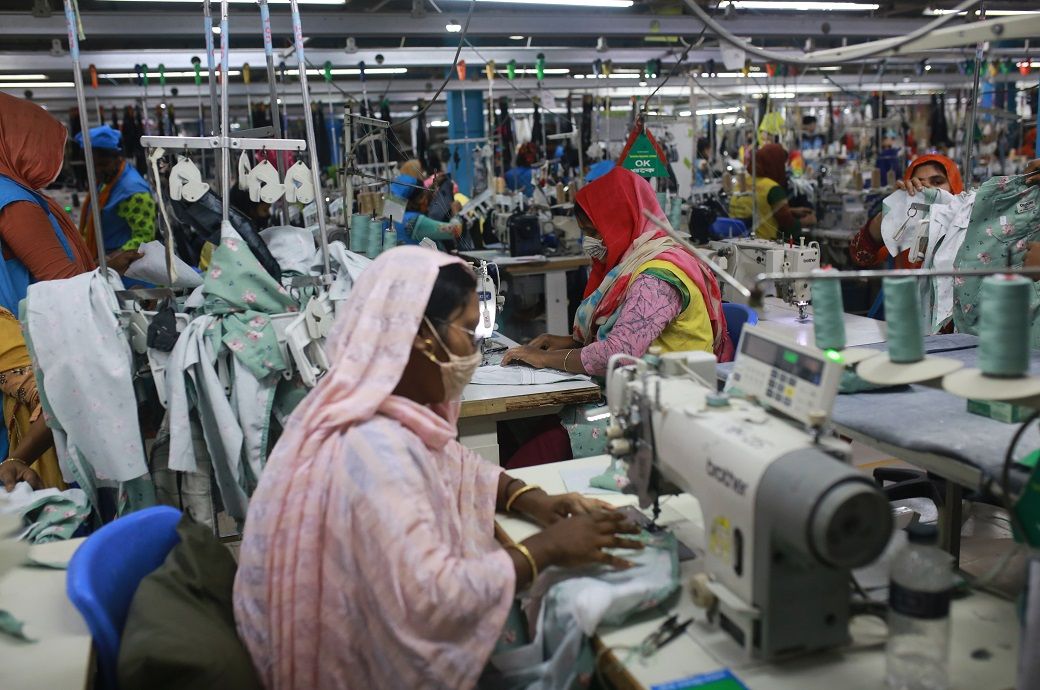
At the sectoral level, RMG industry workers earn 19-22 per cent higher wage, reflecting stronger compliance regimes, formalised structures and higher skill intensity, the study by the Bangladesh Institute of Development Studies (BIDS) showed.
The findings of the study, conducted on 3,005 workers across 20 industries in three districts surrounding Dhaka, were recently shared at the Annual BIDS Conference on Development in Dhaka.
Readymade garment workers in Bangladesh who are part of trade unions earn 10 per cent higher gross wages than non-unionised RMG and non-RMG workers, a study by the Bangladesh Institute of Development Studies (BIDS) has revealed.
Meanwhile, climate change is affecting production in garment factories in Bangladesh as rising temperatures reduce worker productivity, another BIDS study found.
BIDS research director Mahmudul Hasan said empirical results show an overall unionisation rate of 11.35 per cent, according to domestic media reports.
While part of this differential is attributed to greater experience and tenure among union members, the wage premium remains positive and statistically significant even after controlling for these factors, he was cited as saying by domestic media reports.
Meanwhile, climate change is affecting production in garment factories in Bangladesh as rising temperatures reduce worker productivity, another BIDS study found.
BIDS research associate Kazi Zubair Hossain said annual productivity growth in the garment sector reached 4.19 per cent between 2014 and 2023 due to technological improvements.
The study noted that climate refugees are increasingly taking up jobs in the garment sector. As their numbers rise, more may enter the workforce, which “may have negative impacts on wages”.
The study said climate pressures could heighten gender-based violence and harassment as productivity falls and socio-economic vulnerability increases.
Pressures to cut emissions may support environmental improvements in factories, although the shift to green energy in Bangladesh remains slow, it added.
Fibre2Fashion News Desk (DS)









The uncertainty has increased noticeably, with the ongoing conflict involving Iran weighing heavily on corporate confidence. The escalation has effectively stalled hopes of a near-term economic recovery, particularly as energy markets remain volatile, ifo said in a press release.
In the manufacturing sector, sentiment declined after showing improvement in recent months. The drop was driven largely by a significant deterioration in expectations, while firms also reported a less favourable view of their current business situation. Energy-intensive industries were particularly affected, underscoring the pressure from elevated input costs.
Germany’s business sentiment weakened in March, with the ifo business climate index falling to 86.4 from 88.4 amid rising uncertainty and the Iran conflict dampening recovery hopes.
Manufacturing saw a sharp drop in expectations, especially in energy-intensive sectors.
Trade sentiment also declined due to inflation concerns, although current conditions remained relatively stable across sectors.
The trade sector also registered a decline in sentiment, primarily due to a more pessimistic outlook. Concerns over rising inflation among German consumers have led to weaker expectations in both wholesale and retail segments, signalling subdued demand conditions ahead.
Despite the gloomier outlook, businesses in the trade sector reported a slightly improved assessment of their current situation. This suggests that while present activity remains relatively stable, confidence in future performance is deteriorating.
Fibre2Fashion News Desk (SG)
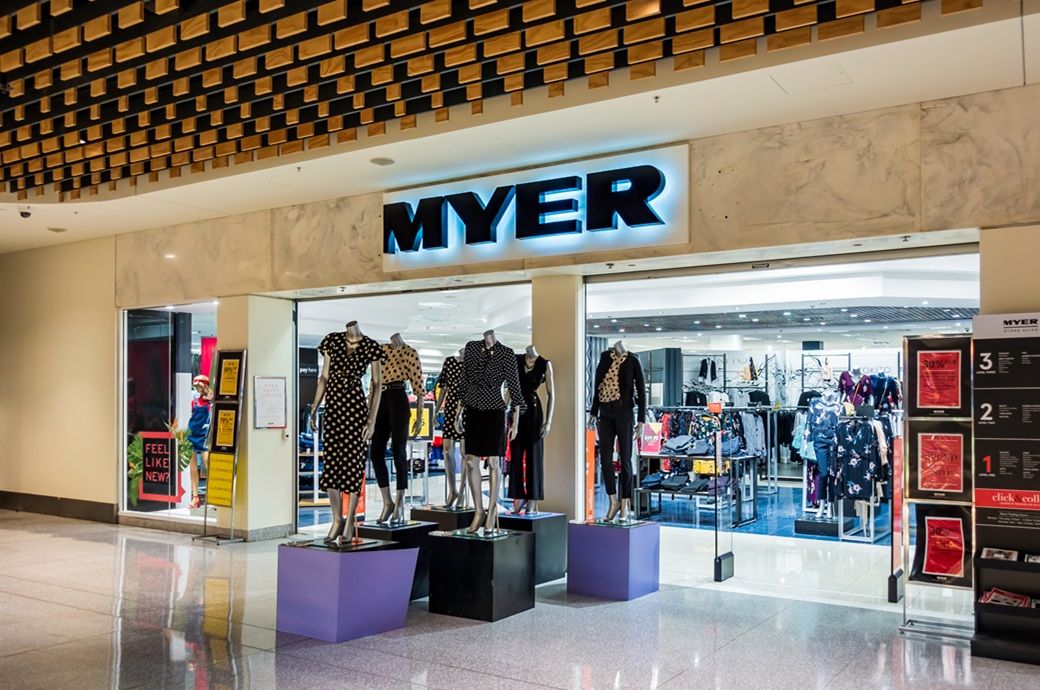
Operating gross profit surged 35.1 per cent to $886.0 million, while underlying earnings before interest and tax (EBIT) rose 10.5 per cent to $112.8 million. Underlying net profit after tax (NPAT) increased 21.7 per cent to $51.7 million, with statutory net profit after tax (NPAT) up 32.8 per cent to $40.3 million.
Myer has reported strong H1 FY26 results, with total sales rising 24.5 per cent to $2,279.5 million and NPAT up 21.7 per cent to $51.7 million.
Growth was supported by Apparel Brands integration and strategic investments.
Loyalty members reached 5.1 million.
Early H2 FY26 sales rose 1.7 per cent, though the company remains cautious amid macroeconomic pressures and weak discretionary demand.
The company maintained strong financial discipline, with cost of doing business at 27.9 per cent of total sales, within its FY26 target of around 29 per cent. Myer also reported a robust net cash position of $287 million, reflecting strong cash conversion and balance sheet flexibility, Myer said in a press release.
Myer’s ongoing transformation strategy continued to gain traction during the period, particularly through its customer engagement and brand expansion initiatives. The relaunched Myer one loyalty programme reached a record 5.1 million active members, supported by enhanced personalisation driven by AI-led data modelling.
The company also strengthened its product portfolio, introducing new exclusive brands and securing partnerships with global names such as Fenty Beauty, La Mer, Gap, and Topshop.
“Our H1 result reflects momentum across our business as we continue to implement the Myer Group Growth Strategy. Sales growth was achieved both in store and online, and our disciplined cost management allowed us to make targeted investments including in e-commerce, marketing, product, merchandise and supply chain to deliver on our plan,” said Olivia Wirth, executive chair at Myer.
“We achieved our biggest Black Friday on record for Myer Retail, and total sales for the group through the important trading months of December and January were in line with last year—a good outcome that demonstrates the resilience of the business,” added Wirth.
The integration of Myer Apparel Brands progressed steadily, with the company targeting at least $30 million in annualised synergies, alongside an additional $10 million from integrating sass & bide, Marcs, and David Lawrence.
Operationally, Myer continued to optimise its store network, closing 22 stores and opening 12 during the period, while advancing its omni-channel capabilities. The company is set to launch an expanded Myer Marketplace platform in May 2026.
Supply chain efficiency also improved, with 32 per cent of online orders fulfilled through third-party logistics and distribution centres, compared to 13 per cent a year earlier.
In the first seven weeks of the second half (H2), total sales grew 1.7 per cent YoY, with Myer Retail sales up 2.2 per cent, driven by strong performance in home and kids categories.
Despite the positive momentum, the company remains cautious amid macroeconomic uncertainty and pressure on discretionary spending.
“Given the current volatility in the wider macroeconomic environment and the ongoing pressures on discretionary spending, we are more focused than ever on delivering value for our customers,” added Wirth.
Fibre2Fashion News Desk (SG)


Transfer rumors, news: Could Foden leave Man City this summer?

Germany’s ifo index drops to 86.4 in March as uncertainty weighs on

Just Eat and Autotrader among five firms under investigation over online reviews

-
 Fashion1 week ago
Sales at US apparel, clothing accessories stores up 4% YoY in Jan 2026
-

 Entertainment1 week ago
Val Kilmer revived 1 year after death through AI
-
 Fashion1 week ago
US’ G-III Apparel’s FY26 sales fall 7% to $2.96 bn
-

 Sports1 week ago
March Madness 2026 – How to watch in SA, start time, schedule, TV channel for NCAA championship basketball tournament
-
 Business1 week ago
Brits cashing in jewellery as gold price hits record high
-

 Fashion6 days ago
China’s textile & apparel exports surge 17% to $50 bn in Jan-Feb 2026
-
 Business6 days ago
Flipkart group CFO to leave co amid IPO plans – The Times of India
-
 Business1 week ago
Video: The Effects of High Oil Prices