

Entertainment
Bangladesh to launch direct flights to Karachi: high commissioner


- Pakistani carriers unlikely to operate flights to Dhaka.
- Direct routes could boost profits for traditional industries: envoy.
- South Asia trade potential blocked by politics, says Hussain.
ISLAMABAD: Bangladesh High Commissioner to Pakistan Iqbal Hussain Khan has confirmed that Biman Bangladesh Airlines is preparing to launch three weekly flights to Karachi.
He made these remarks while speaking to The News on the sidelines of his address at the Foreign Services Academy on Wednesday. The academy has recently introduced a new lecture series featuring foreign envoys, giving young Pakistani diplomats in training a chance to engage directly with ambassadors on diplomatic affairs and regional issues.
“Yes, we are starting direct flights with Pakistan. Our national airline will operate three weekly flights to Karachi”, the Bangladesh high commissioner said when asked about the development.
When asked whether the route would pass over Indian airspace, he said that, just as Indian aircraft can use Bangladesh’s airspace, Biman flights would also fly over India.
Sources indicate that, due to India’s ongoing airspace restrictions on Pakistan, there is currently no immediate prospect of Pakistani carriers operating flights to Dhaka.
Earlier, High Commissioner Khan delivered a detailed lecture and also responded to questions from young diplomats in an interactive session.
The high commissioner said South Asia holds vast potential for trade, connectivity, and cooperation, but limited access, border restrictions, and regional politics continue to obstruct economic growth. He said platforms such as the Foreign Services Academy’s new lecture series allow constructive dialogue with young diplomats who represent the region’s future.
He said Pakistan and Bangladesh can significantly expand bilateral trade, but access constraints remain the biggest barrier. He noted that, in the past, railway links facilitated trade between the two countries, but today Pakistan’s dates reach regional markets via Dubai.
Direct access, he said, would boost profits and raise farmers’ incomes. Citing the centuries-old pashmina industry in Kashmir, he noted that traditional sectors like dates and pashmina could multiply trade volumes if given direct market routes.
High Commissioner Khan said weak geographical connectivity is South Asia’s most serious obstacle to progress, even though ancient trade routes once linked Kabul, Peshawar, Dhaka, and Myanmar.
No country, he stressed, can progress in isolation, and regional cooperation is the only practical way forward. Referring to BIMSTEC, he called it an important regional grouping including India, Thailand, and Bangladesh, but said border restrictions and the behaviour of larger powers often weaken regional trust.
He said colonial mindsets, ideological dominance, and tendencies towards regional supremacy hinder the effectiveness of regional organisations. Across the world, he said, countries experiencing internal inequalities often create external distractions, particularly during election periods, to consolidate political advantage.
“South Asian societies share deep historical, cultural, and civilisational linkages. The influence of Arab traders, interactions during the British era, and the legacy of Muhammad bin Qasim remain visible in the region’s culture and social structures,” the high commissioner said.
Bangladesh’s coastal and maritime history, he added, has contributed to a tradition of openness and exchange.
He highlighted that the younger generation in South Asia is more aware, ambitious, and eager for change. Political shifts in Bangladesh in 2024, he said, have revived optimism among youth.
“As young leadership emerges, new avenues of economic progress will open, and older barriers can be dismantled. Despite artificial restrictions, people across the region want to come closer, and with time, democratic processes will strengthen and better leadership will emerge.”
Concluding his remarks, he expressed hope that a new era of regional trade, connectivity, and shared development can take shape if South Asian nations prioritise collective progress and put cooperation at the centre of policymaking.
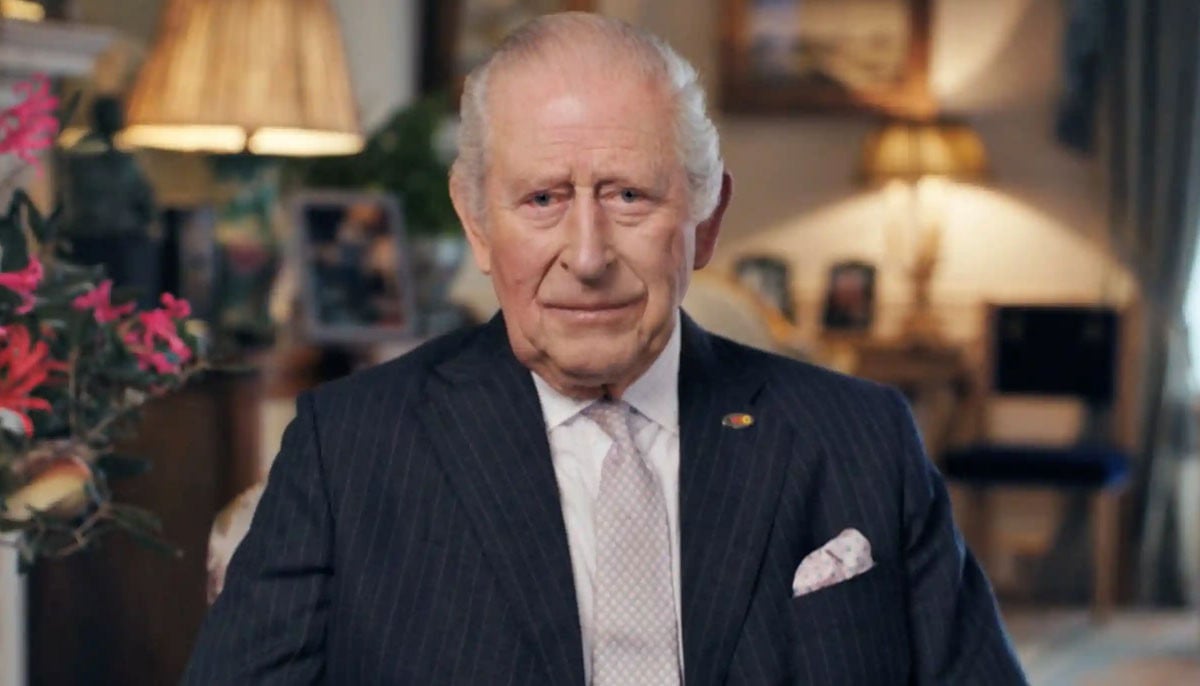
King Charles, who was diagnosed with undisclosed form of cancer in 2024, has reportedly been making good progress in his health.
In a message shared on December 2025, to mark World Cancer Day, the monarch had shared the “good news” that his treatment will be “reduced” in 2026 which he described as a “personal blessing.
However, there are whispers that this has been a deliberate move to conceal any negative update about the King’s health, as the true story is different than what it seems, according to royal experts.
Royal correspondent Robert Jobson stressed that journalists were “pushed” by the Palace to “put a positive spin on the King’s health bulletins” when the reality is rather “sobering”.
He said during the The Royalist podcast that Palace aides had been focussed on only releasing positive news.
“I think it was overhyped in December. I think that the Palace were over-emphasizing the ‘good news’.”
The press spokespeople were saying, “Oh, this is good news.” They were trying to say to the journalists at the time, “Don’t interpret it any other way. This is good news.”
Meanwhile, royal editor Tom Sykes pointed out that since he shared the story about Charles having “live with cancer”, he was removed from the international media pool by the King’s powerful press office.
“Indeed, I was removed from the international media pool by the King’s communications secretary after I noted the King’s cancer was incurable, a fact the Palace has since acknowledged. My expulsion was used as an example to intimidate other journalists into toeing the Palace line,” Tom said.
He pointed out from then on, the press has been supressing the health updates as per the “privacy rules” of the King’s “powerful” press office.

Laufey is about to release the music video for her new single, Madwoman, and it stars many familiar faces, including KATSEYE member Megan Skiendiel.
The 26-year-old jazz pop star has been teasing the project on social media and revealed all her co-stars one by one in Instagram posts.
The From The Start hitmaker will be starring in the video alongside Olympics champion Alysa Liu, The Summer I Turned Pretty star Lola Tung, as well as Skeindiel in the video, according to her latest post.
The music video is set to be released on April 10, alongside the deluxe version of Laufey’s latest album, A Matter of Time: The Final Hour.
The announcement sparked an exciting reaction among fans who flocked to the comments and wrote, “OMGGG?????? HELLO WE WON,” and “ALL QUEENS.”
A third chimed in, “Friday will simply not come FAST enough,” while some joked that she is “collecting wasians like pokemon cards.”
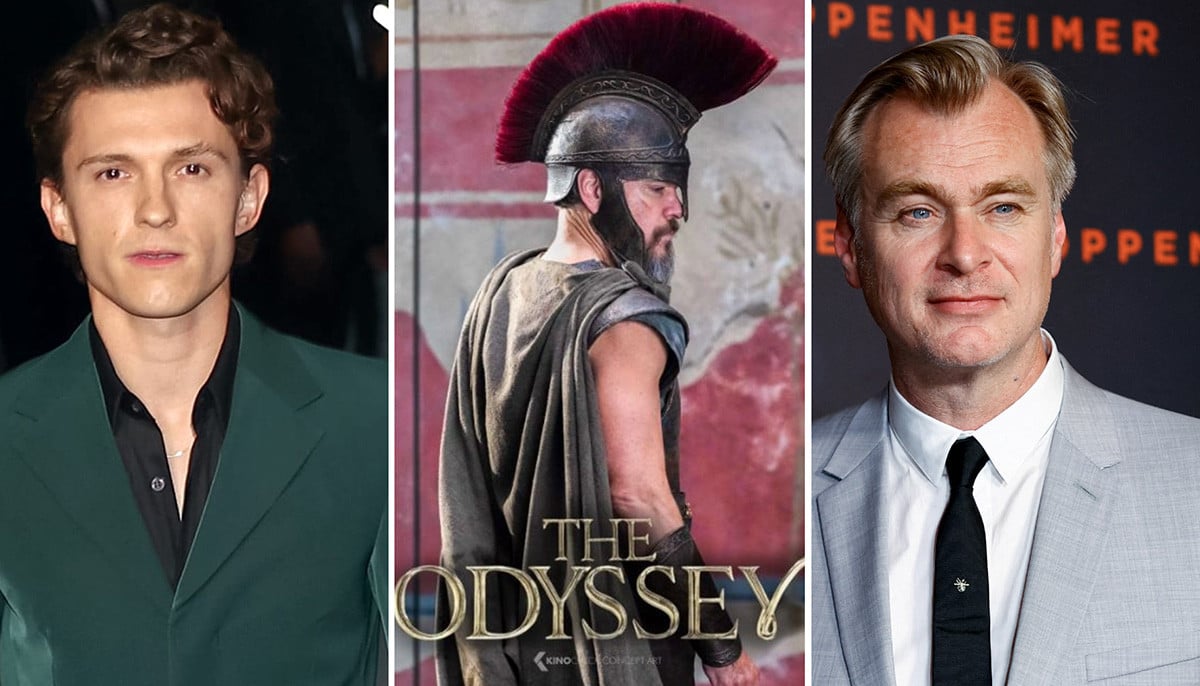
Tom Holland declared Christopher Nolan’s upcoming epic The Odyssey “an absolute masterpiece.”
In a recent interview with GQ, Tom Holland praised Christopher Nolan’s upcoming epic The Odyssey, describing it as “unlike anything I’ve ever seen before.”
Holland explained that Nolan’s reliance on practical, in-camera effects rather than CGI left him stunned by the sheer scale of the production.
“There were certain sequences in the movie where I’m watching it and I’m just sort of thinking like, ‘How on earth has he done that? That has to be CG,’” Holland said.
“And then after the movie asking him, ‘That was definitely CG, right?’ And he’s like, ‘No, no, no, that’s all in camera effects. Very planned, very prepared.’”
Based on Homer’s legendary poem, The Odyssey stars Matt Damon as Odysseus, Anne Hathaway as Penelope, Holland as Telemachus, and Zendaya as Athena, the goddess of wisdom and war who guides Odysseus through his trials. The ensemble also includes Robert Pattinson, Lupita Nyong’o, and Charlize Theron.
Holland explained that Nolan’s approach reminded him why audiences still crave the big-screen experience.
He added, “I am a real advocate for theatrical and the cinema and the communal experience of sitting in a dark room and being entertained. I think that is something for the next 10 years of my life that I will be very focused on.”
With a reported $250 million budget and a July 17, 2026 release date, Nolan’s film is shaping up as one of the year’s most ambitious projects.
More than just a film, it is being positioned as a cultural event: one designed to remind audiences of the enduring power of myth and the magic of theaters.

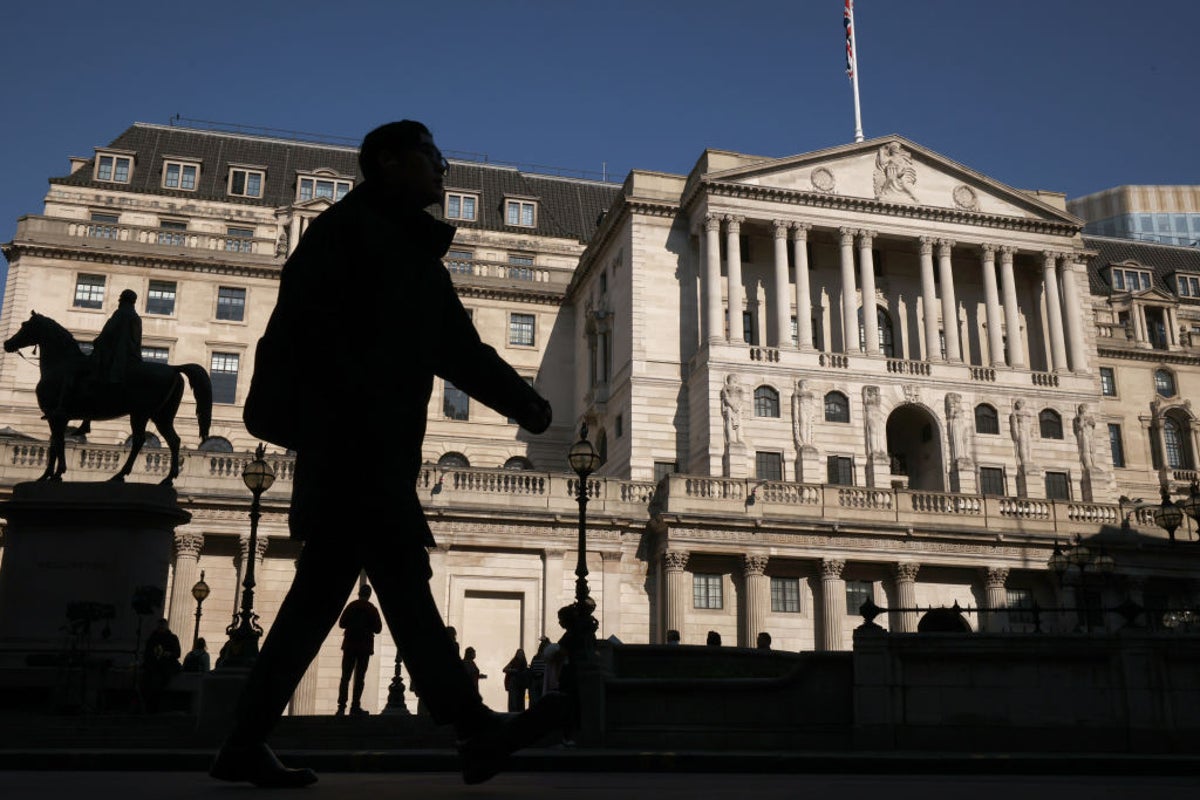
Mortgage lenders expect property market boost – but credit wobbles are emerging

Lower tax rates for Bangladesh RMG exporters may not last longer: NBR

Palace aides ‘hiding’ real story about King Charles cancer battle

-
Uncategorized7 days ago
[CinePlex360] Please moderate: “Trump signals p
-
 Business7 days ago
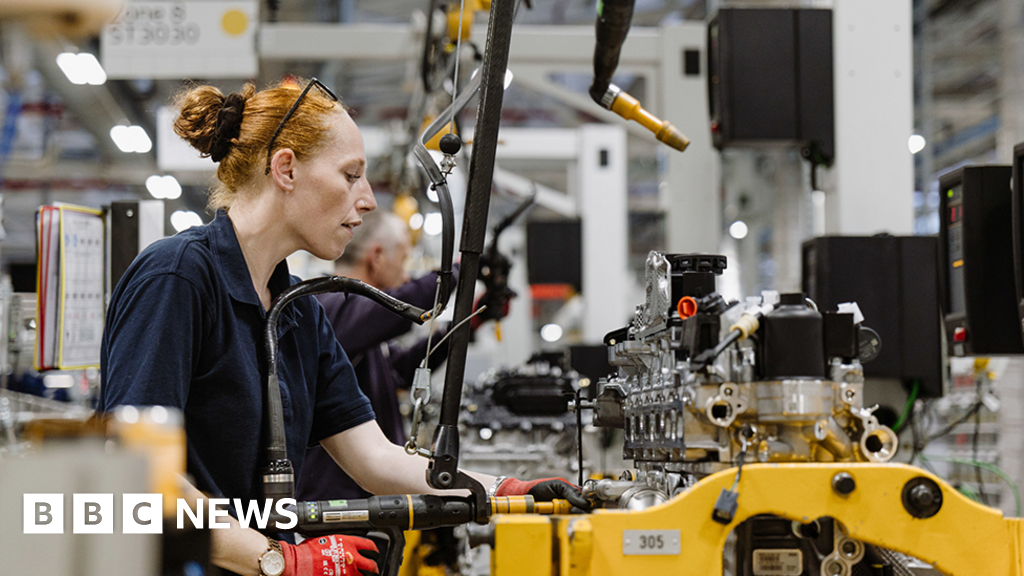
Jaguar Land Rover sees sales recover after cyber attack
-

 Entertainment6 days ago
Joe Jonas shares candid glimpse into parenthood with Sophie Turner
-

 Tech6 days ago
Our Favorite iPad Is $50 Off
-

 Fashion1 week ago
China’s Anta Sports posts record $11.62 bn revenue in 2025
-

 Politics6 days ago
Iran can sustain Strait of Hormuz closure for years, will cut US military logistics: Official
-

 Sports6 days ago
UConn Final Four run could trigger a $50M furniture giveaway for Massachusetts-based Jordan’s Furniture
-
 Business6 days ago
Video: Why Is the Labor Market Stuck?