

Business
Britain sliding ‘into economic crisis’ over £85bn sickness bill, ex-John Lewis boss warns

Emer MoreauBusiness reporter
 Getty Images
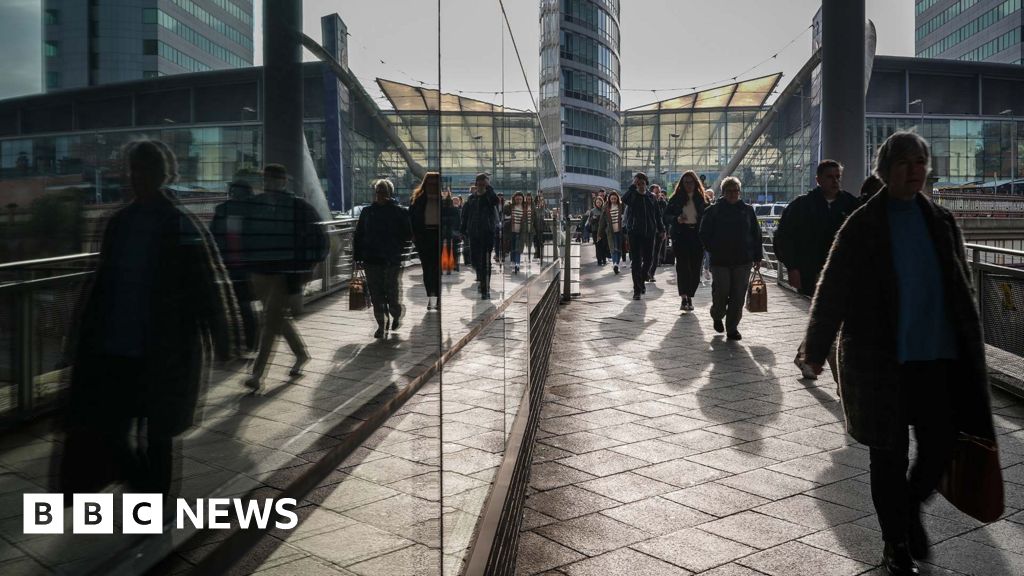
The number of sick and disabled people out of work is putting the UK at risk of an “economic inactivity crisis” that threatens the country’s prosperity, according to a new report.
There were 800,000 more people out of work now than in 2019 due to health conditions, costing employers £85bn a year, according to the review by former John Lewis boss Sir Charlie Mayfield.
The problem could worsen without intervention, but Sir Charlie, who will lead a taskforce aimed at helping people return to work, said this was “not inevitable”.
The move has been broadly welcomed, but some business groups said Labour’s Employment Rights Bill included some disincentives to hiring people with existing illnesses.
One in five working age people were out of work, and not seeking work, according to the report, which was commissioned by the Department for Work and Pensions but produced independently.
Without intervention, another 600,000 people could leave work due to health reasons by the end of the decade.
Sir Charlie said sickness cost employers £85bn a year through issues including lost productivity and sick pay, but it also cost the broader economy.
“Work is generally good for health and health is good for work,” he told BBC Breakfast.
He added that the rise in sickness was being driven by a “surge” in mental health issues among young people and muscular skeletal issues, aches and joint pain in older people that was leading them to leave work.
“For employers, sickness and staff turnover bring disruption, cost and lost experience,” he said. “For the country, it means weaker growth, higher welfare spending and greater pressure on the NHS.”
Illness-related inactivity costs the UK economy £212bn annually, by some estimates, or nearly 70% of income tax, through lost output, increased welfare payments and additional burdens on the NHS.
The independent Office for Budget Responsibility has forecast that the bill for health and disability benefits for working age people alone is set to rise to about £72.3bn in 2029-30.
People could be encouraged to stay in work if health is viewed as “a shared responsibility between employers, employees and health services”, he said.
Sir Charlie added his taskforce would work with GPs who say they find it difficult to judge whether or not a person is suitable to work while they are ill, but are asked to issue sick notes by patients.
The report comes as the government tries to move ahead with its Employment Rights Bill – which some businesses say will stifle growth.
The proposed new law includes a right to guaranteed hours and cracks down on zero-hour contracts without the offer of work.
Retailers understand the importance of supportive workplaces, chief executive of the British Retail Consortium Helen Dickinson said, adding that many already invest in programmes to support workers with ill health or disabilities.
However, she said the government’s goals and its policies, such as the Workers Rights Bill, were “at odds with one another”.
“While encouraging employers to invest in workforce health and provide flexibility, they risk making it more difficult,” she said.
“In its current form, the Employment Rights Bill would make it harder for retailers to continue offering as many crucial flexible roles.”
Chancellor Rachel Reeves is also aiming to guarantee paid work to young people who have been out of a job for 18 months.
Those who do not take up the offer could face being stripped of their benefits.
‘I want to find a job’
Loz Sandom has mental and physical health conditions which has made it difficult to find a job, and the last time they worked was a year ago.
“I am willing to do the work, and I want to. I want to find a job,” said the 28-year-old, who has a degree in illustration and has previously worked as a digital marketing executive.
With support from the charity Scope, Loz is looking for an employer willing to accommodate the adjustments they would need in a workplace.
Loz said that part of the challenge was employers did not realise they had “a duty to provide reasonable adjustments”.

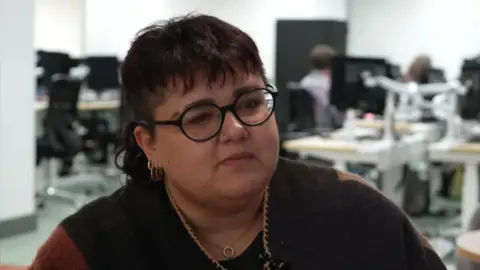
“It’s such a shame because they’re missing out on so many fantastic disabled people that can do fabulous jobs.
“And I’m not blaming employers entirely. They need support as well,” Loz added. “There are things that can be put in place to help employers, help save people.”
Responding to the report, the government announced a major partnership with over 60 companies, many of them large employers, to “tackle the rising tide of ill-health that is pushing people out of work”.
The companies include Tesco, Google UK, Nando’s and John Lewis.
Over the next three years, they will “develop and refine workplace health approaches” which aim to “reduce sickness absence, improve return-to-work rates, and increase disability employment rate”.
The government is aiming to develop these changes into a voluntary certified standard by 2029.
Speaking to the BBC, Work and Pensions Secretary Pat McFadden said the report was a “win-win for employees and employers because it’s aimed at keeping people with sickness issues or developing disability issues in work”.
“That’s in the interests of employers because these are good experienced staff and it’s in the interests of employees too because most people want to stay in work if they possibly can.”
The Resolution Foundation think tank’s chief executive Ruth Curtice said: “The review has accurately identified a culture of fear, a dearth of support and structural barriers to work as key challenges to overcome in turning the tide for Britain’s economic inactivity problem – which is currently trending in the wrong direction.”
The CIPD, which represents HR professionals, welcomed the government’s vision for a preventative approach to illness in the workplace.
But its chief executive Peter Cheese said: “The report’s success will depend on the extent to which these recommendations are understood by business in driving positive outcomes and backed by policy makers at a national and regional level.”
Dr Roman Raczka, president of the British Psychological Society, welcomed a shift towards “rehumanising the workplace” but noted that “not everyone will be clinically well enough to be considering a return to employment”.
“While being in employment can improve a person’s mental health and wellbeing in certain circumstances, it is vital that we should adopt a thoughtful approach to those too sick to work.
“The workplace itself can be a root cause of poor mental health.
“Those signed off with sickness, deserve timely access to safe and compassionate care, with support from psychologically informed mental health professionals.”
With additional reporting from Erica Witherington

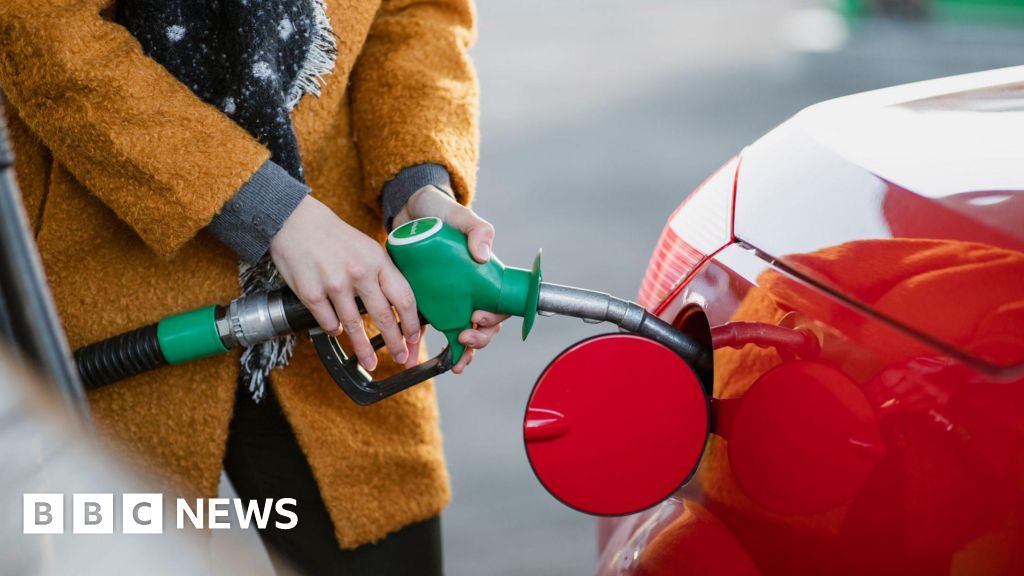
Motorists are facing higher fuel prices ahead of Easter break due to the conflict in the Middle East, the RAC says.
Source link

Hyderabad: Pharma player Hetero on Friday said it has rolled out exports of its generic semaglutide injection portfolio as part of a multi-year plan to widen access to treatments for type 2 diabetes and obesity in more than 75 countries.The Hyderabad-based pharmaceutical company said initial rollouts are under way in Africa, Asia and the Middle East, with additional launches planned in other markets subject to regulatory approvals.The injectable therapies will be sold under the brand names Truglyx, Rolmodl and Moto G. Semaglutide belongs to the GLP-1 class of medicines, which are used in diabetes care and weight management.Hetero said the export launch is part of its broader strategy to improve access to advanced cardio-metabolic therapies, particularly in emerging markets.The company said the products will be offered in multi-dose disposable pen devices designed in line with innovator formats and will be available in several strengths, including 0.25 mg, 0.5 mg, 1 mg, 2 mg, 1.7 mg and 2.4 mg, allowing dosing flexibility for both diabetes and obesity treatment.Hetero said it is also awaiting approval from India’s Central Drugs Standard Control Organisation (CDSCO) after completing clinical trials in type 2 diabetes and obesity and plans an India launch after regulatory clearance.Hetero managing director Dr Vamsi Krishna Bandi said the company aims to provide high-quality, affordable generic semaglutide through a single global product platform backed by its manufacturing and development capabilities.He said Hetero would use its commercial networks across Asia, the Middle East, Africa and Latin America to support supply and access. The Hyderabad-headquartered Hetero operates in more than 145 countries and employs over 30,000 people.
Business
India-US trade deal update: Piyush Goyal meets USTR Jamieson Greer, discusses next steps in BTA talks – The Times of India
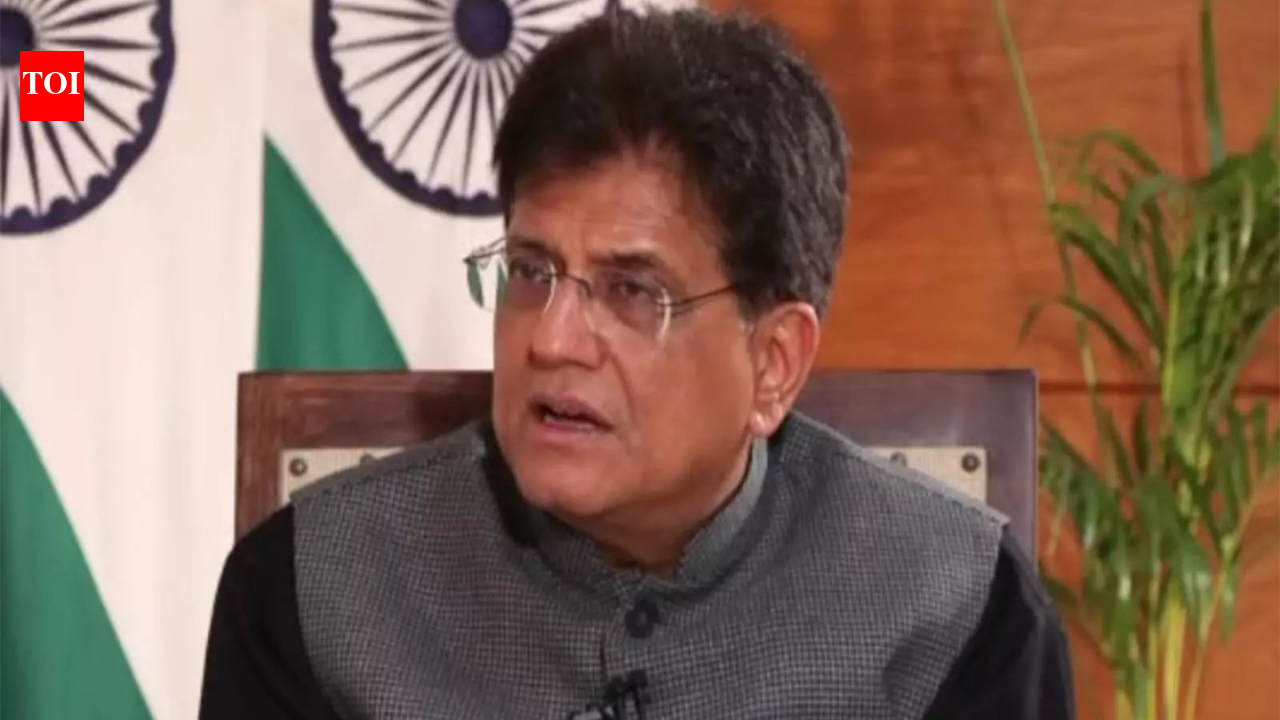
Commerce and industry minister Piyush Goyal on Friday met US Trade Representative Jamieson Greer and reviewed the next steps in negotiations for the proposed India-US bilateral trade agreement (BTA).The meeting took place on the sidelines of the 14th ministerial conference (MC14) of the World Trade Organisation in Yaounde, Cameroon, where both sides also exchanged views on issues related to the WTO agenda.“Had a very productive discussion with @USTradeRep Jamieson Greer on the sidelines of the WTO Ministerial Conference. Exchanged views on the #WTOMC14 agenda, next steps in the India-US BTA negotiations and explored ways to further deepen our economic cooperation and bilateral trade ties,” Goyal said in a social media post.The development comes amid ongoing efforts by both countries to finalise an interim trade pact. Last month, India and the US announced that they had finalised a framework for the first phase of the agreement, though it is yet to be signed.The two sides had earlier announced a trade deal on February 2, followed by a joint statement on February 7 outlining the contours of the agreement.As part of the framework, the US had agreed to reduce tariffs on Indian goods to 18%. However, the tariff structure has since undergone changes after the US Supreme Court struck down sweeping tariffs imposed under earlier measures.Following the ruling, US President Donald Trump introduced a 10% tariff on all countries for a period of 150 days starting February 24.In view of these developments, a planned meeting between chief negotiators of India and the US — aimed at finalising the legal text of the agreement — has been postponed. The pact was earlier expected to be signed this month.An official had earlier said that the interim trade agreement would be signed once the new global tariff framework of the US is fully in place.


Backstreet Boys AJ McLean shows support to Britney Spears after DUI arrest
Asda boss rejects profiteering claims as petrol price tops 150p

Britney Spears turns a new page after recent legal trauma

-

 Entertainment1 week ago
Val Kilmer revived 1 year after death through AI
-

 Fashion7 days ago
China’s textile & apparel exports surge 17% to $50 bn in Jan-Feb 2026
-
 Business7 days ago
Flipkart group CFO to leave co amid IPO plans – The Times of India
-
 Business1 week ago
Video: The Effects of High Oil Prices
-

 Sports1 week ago
Rating Adidas’ 2026 World Cup away shirts: Argentina, Spain, Mexico and more
-

 Fashion1 week ago
The hidden $1.62 war tax now embedded in every garment you source
-

 Sports7 days ago
American Conference Commissioner Tim Pernetti thanks Trump for Army-Navy game executive order
-
Tech1 week ago
The Corsair 4000D RS PC Case Keeps Your System Cool