

Sports
California school hired a coach, but police say he moonlighted as a pimp

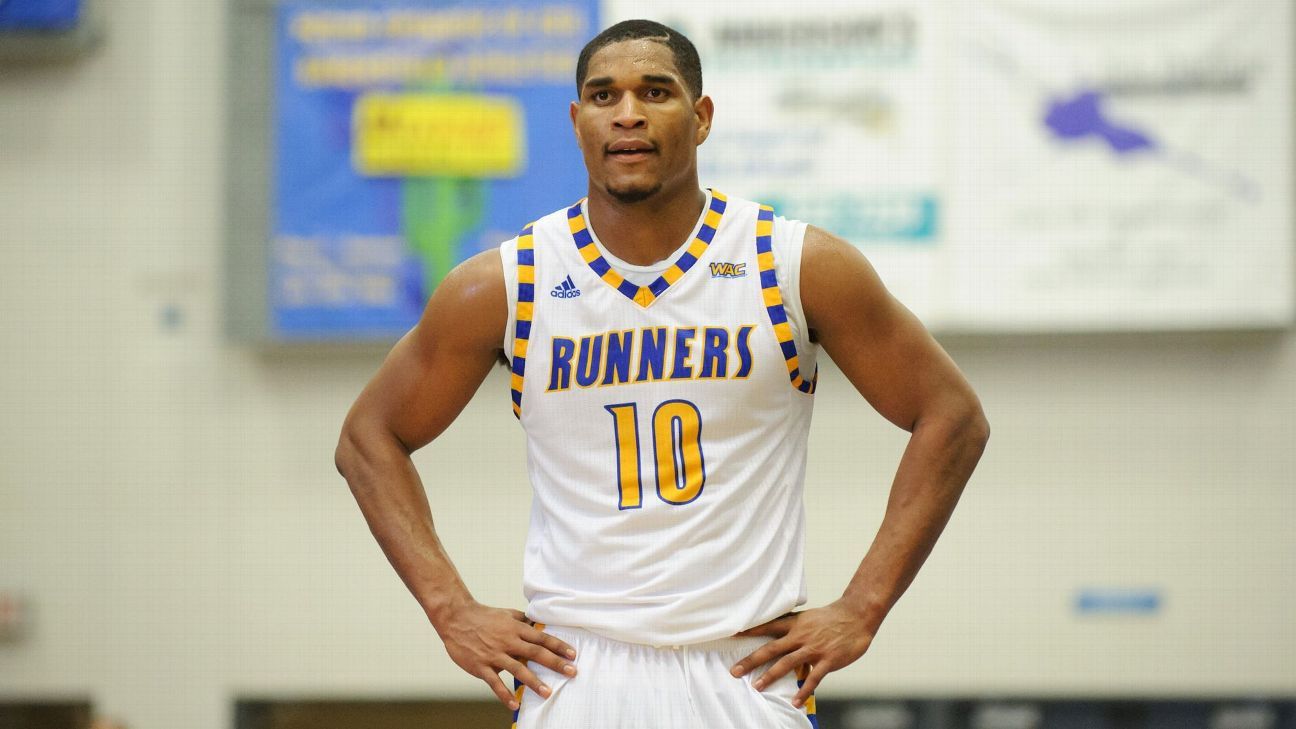
BAKERSFIELD, Calif. — The men’s basketball program at California State University, Bakersfield won’t turn many heads with its last-place ranking in the Big West Conference. But when it comes to scandal, the school could be a top contender.
Cal State Bakersfield’s athletic department has been in upheaval since Aug. 29, when then-men’s basketball coach Rod Barnes opened an anonymous email from a tipster who alleged that Barnes’ temporary assistant coach, Kevin Mays, was also working as a pimp across four states. Other lawsuits, internal investigations, dismissals and finger-pointing have only served to deepen the department’s sense of crisis.
In the email, the tipster identified a woman whom Mays allegedly had trafficked for several months.
“FIX IT OR THE WHOLE STAFF WILL FALL,” the tipster wrote in all caps, adding that the email was a “first warning and a final warning.”
Barnes forwarded the anonymous email to the university’s human resources office, which sent it to university police, triggering an investigation that led to criminal charges against Mays.
Mays, who is being held without bail, faces a hefty rap sheet of 11 criminal and misdemeanor charges, including felonies such as pimping. He also was charged with possession of automatic firearms and high-capacity magazines and possession of methamphetamine and marijuana with intent to sell. Separate charges cited him for possession of more than 600 images of youth or child pornography and distribution of obscene matter involving someone under 18 years old.
Mays has pleaded not guilty on all charges. His attorney, David Torres, declined comment to ESPN.
Sally Selby, the public affairs and communications manager for the Bakersfield Police Department, told ESPN that investigators are still conducting follow-up interviews “to determine if there are other victims or applicable charges” in Mays’ case.
As this case reverberated at Cal State Bakersfield, the school announced in September that Barnes and athletic director Kyle Conder had left their roles. Barnes ended a 14-year career as head basketball coach that included taking the team to an NCAA tournament and an NIT tournament. The school did not explain the reason behind their departures, and neither Conder nor Barnes agreed to ESPN requests for an interview.
Acting athletic director Sarah Tuohy and university president Vernon Harper said in a September schoolwide email that they were conducting national searches to replace Barnes and Conder.
Jennifer Self, Cal State Bakersfield’s senior director of strategic communications, told ESPN in an email that the charges against Mays were “deeply concerning.” She said that even though the allegations didn’t involve a student, the school consulted with a local human trafficking expert and offered awareness and education training on campus.
“We also viewed this moment as an opportunity to take a broader look at our athletic program,” Self said, adding that the university also launched a commission to make a more comprehensive assessment of the athletic program and recommend “structural and administrative changes” to better align the program with the university’s “mission and values.”
At the campus basketball arena in Bakersfield, set in the industrial flatlands of California’s Central Valley, Barnes sat in the bleachers behind the Roadrunners’ bench watching his former team’s December loss to North Dakota State. He declined comment when approached by ESPN after the game.
The anonymous message outlining Mays’ alleged pimping took Barnes by shock, according to a police account of an interview with him. Mays took the job as a temporary assistant coach in June at a salary of just over $3,000 per month, according to school records obtained by ESPN.
MAYS HAD PLAYED at the university from 2014 to 2016. The Runner, the student-run news site, quoted Mays in May 2016 as saying he planned to play pro basketball in France or Italy. Later, he joined the athletic department as a player-development coordinator, according to school records.
In his application for the position in 2019, according to school records, Mays wrote that he was driven by basketball, team building and helping young men.
“I gained lots of experience dealing with learning to lead young men and help them navigate the Division I experience in a successful manner,” Mays wrote. “CSUB helped me tremendously and I look forward to giving back.”
The school conducted a criminal background check before Mays’ appointment but found no problems, an October email from university president Harper noted.
But the anonymous email to Barnes, titled “IMPORTANT MESSAGE 911 911,” indicated serious problems.
“HE IS TRAFFICKING A GIRL BY THE NAME OF [redacted],” the email read, according to police records. “HE HAS BEEN TRAFFICKING THIS GIRL SINCE MAY,” the email added, listing Las Vegas, Oregon, Washington and California as his alleged operating area.
University police tried to contact the sender on Sept. 3 for more information. In a subsequent email, the tipster claimed to have known both the alleged victim and Mays through previous travel for sex work. The context of the email suggested the person was a fellow sex worker.
Mays told the tipster he was a professional gambler, according to the second email, and that he allegedly threatened to take away the tipster’s child if the person exposed his activities. The sender also gave police the alleged victim’s phone number and noted she previously had been arrested in Oregon on a DUI charge in a car that Mays had provided.
Further police reporting revealed that Mays had rented the car, but investigators determined that the contract used the university’s account with the Enterprise car rental franchise at Bakersfield’s airport. Police declined to share a copy of the contract, saying it remained part of an open investigation. The Sept. 4 police report states that the sex worker used the car for her work.
An Enterprise clerk and another, apparently more senior person whose identity is redacted, confirmed to investigators that the car was assigned to a university contract. The latter person told police “that only MAYS and other CSUB staff were authorized to operate the vehicle,” the report says.
If the police findings are confirmed, it means a state account helped Mays carry out his alleged human trafficking operation.
In response to an ESPN records request for Mays’ financial records, the university stated that Mays “has not been paid or reimbursed by the campus during his employment, outside of his salary.” Self, the school’s public information officer, told ESPN that university employees get “preferred” rates at Enterprise. She added that the school has “no records of Enterprise invoices paid by CSU Bakersfield with Kevin Mays as the renter.”
According to Kern County court records obtained by ESPN, university police determined there were no alleged victims connected to Cal State Bakersfield’s staff or student body. University police forwarded the emails to the Bakersfield Police Department, which verified the tipster’s claim and determined that the alleged victim was 23.
Police in Bakersfield also identified a sex advertisement posted by the alleged victim in Sacramento, California. The post noted that the woman worked “independently” and that she was open to being anything from “arm candy” for a party to a “no strings attached girlfriend.”
“I can morph into the exact woman you need and want me to be,” the ad read. “… I do it all. If you’re ready to have the time of your life, I cant wait to make some memories with you xoxo.”
Sacramento police ran a sting operation on Sept. 4 by scheduling a “date” with the alleged victim at a Sacramento hotel room they later determined had been rented by Mays. Her rates were $300 for half an hour and $500 for a full hour, according to the police report.
When interviewed by police after the sting operation, the woman identified Mays as her “boyfriend” and said that Mays “routinely covered the costs” for rental vehicles, hotels and flights when she traveled for sex work. The report also noted that police saw evidence of text messages between the two that showed Mays’ “involvement and control” over the alleged victim’s sex work.
Shortly after his arrest and booking, Mays denied any involvement in prostitution and told police his girlfriend had possession of his rental car. A police search of Mays’ car and apartment yielded multiple firearms, including automatic rifles, and a large quantity of drugs, the documents said. Police, using a warrant, conducted a subsequent search of his phone, which revealed close to 600 images of child pornography, including some depicting children as young as 4.
As startling as the allegations are concerning the Cal State Bakersfield basketball program, a separate development with the school’s softball team had been ongoing. It came into full public view after a softball player posted allegations on TikTok of having been verbally, sexually and physically harassed by softball coaches Leticia Olivarez and James Davenport.
The complex, often difficult-to-decipher web of personal interactions between the athletic staff and student-athletes underscored a culture of chaos. Inappropriate activity either went unnoticed or uncorrected by people in charge until a full-blown public scandal loomed.
Mays was far from the only one worthy of scrutiny. A June 2025 university investigation report delved into allegations against Davenport of illegal weapons transactions, threatening a student with a gun in a video, having an inappropriate relationship with a student and speaking openly about potentially criminal, violent actions against the school.
Lori A. Blodorn, the school’s vice president of people and culture, conducted the investigation. She concluded that the allegations against Davenport were adequately substantiated to warrant letting him go. “What began from this seemingly straightforward allegation and assessment of how we ensure coach and team safety, ultimately became a complex investigation into a myriad of allegations by Mr. Davenport and against Mr. Davenport, primarily from a [redacted] softball student athlete,” Blodorn writes in her report.
She concludes by stating, “Based on my investigation, I find the following: Davenport engaged in unprofessional and immoral conduct, and dishonesty, in attempting to facilitate the sale of illegal weapons.” He was dishonest when questioned about displaying a gun when talking online with a student, she adds. Blodorn goes on to list four other conclusions that, she writes, are based on a “preponderance of evidence” and justify separating him from his job.
Davenport had previously filed his own complaint with the school, claiming to have been the victim of workplace violence.
THE SCHOOL ANNOUNCED then-athletic director Conder’s immediate termination on Sept. 8, a few days after Mays’ arrest, but he later stated in a lawsuit against the school that he was fired in August — before the tip to Barnes but after Conder said he had uncovered “potential crimes and misconduct” at the university.
Conder’s lawsuit claims he had tried to warn the administration about nefarious activities within the athletic department. He asserted that he was fired in retaliation for whistleblowing.
The lawsuit adds that the school investigation could not substantiate the player’s claims against the softball coaches enough to fire them. Davenport’s contract expired in May 2025, and Olivarez remains on paid leave with a contract that ends in May this year. The player who accused them has transferred from Cal State Bakersfield, and the TikTok videos have been deleted.
Self, the university spokesperson, said that school officials “strongly deny the claims” made by Conder and as defendants in the case intended to “challenge the legal sufficiency of certain aspects of Conder’s complaint.” She added that the university remained “open to dispute resolution discussions in an effort to limit the disruption to the campus community and ongoing university operations.”
Separately, two anonymous softball players sued the school and Davenport last year. It also alleged that Conder “had a pattern … of failing to respond when receiving complaints against Coach Mays.”
The school has since denied the entire complaint and asked a court to throw it out, according to court filings. Davenport, in his court filing, also denied all allegations made against him. His lawyer did not respond to a request for comment.
In his own lawsuit, Conder says the school made him a “convenient scapegoat” to divert attention from the players’ lawsuit and the embarrassment surrounding Mays. He noted that the announcement of his termination came days after Mays’ arrest, making it appear “directly tied to the unfolding scandal.”
“Plaintiff’s termination was handled in a summary fashion, with no due process whatsoever,” Conder’s claim alleges. “… In reality, Plaintiff’s termination was motivated by retaliation and incompetence.”
Mays remains in jail awaiting trial. The preliminary hearing in his cases, originally set for Oct. 30, 2025, is now scheduled for March 13. A spokesperson for the Kern County District Attorney’s Office, which is prosecuting the case, declined comment to ESPN “to protect the integrity of the pending case.”
The drama inside the athletic department at Cal State Bakersfield has attracted the students’ attention, though some appeared unsurprised.
“We always joke in Bakersfield that we only make the news for the bad things because that stuff always just shines really bright,” student Seth Tolleson said. A scandal like this wasn’t what he expected when he transferred from a local junior college, he added. “It’s either zero or 100.”
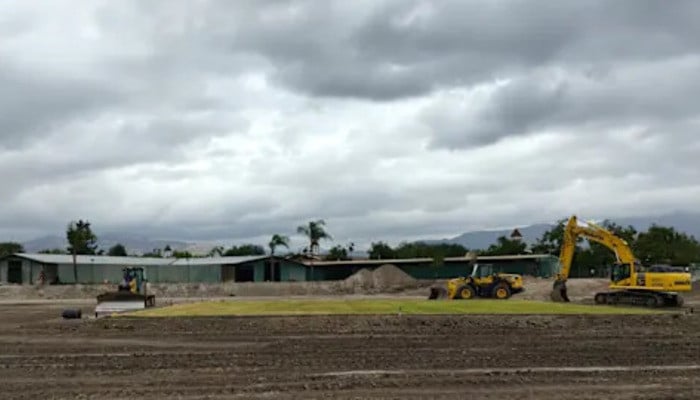
Cricket’s return to the Olympic Games after 128 years reached an “important milestone” Wednesday when construction began on the new Los Angeles 2028 cricket venue.
International Cricket Council (ICC ) Chairman Jay Shah and other officials took part in a ground-breaking ceremony on the Fairplex Grounds in Pomona, Los Angeles County.
“Our focus has been on expanding the footprint of cricket and being part of the Olympic movement is something that brings both pride and dreams with it,” said Shah.
“The groundbreaking marks an important milestone in cricket’s return to the Olympics and is a proud moment for all ICC members and stakeholders worldwide.”
ICC chief executive Sanjog Gupta said the Games would be a significant step in expanding the game outside of its traditional heartlands.
“The momentum for our game has never been stronger, with strong participation growth across the world,” he said.
The inclusion of cricket at LA28 provides a platform to inspire more young people to take up the game, the ICC said, and broaden the fan base across continents, accelerating the game’s global growth.
Cricket at the Los Angeles Games will feature T20 competitions for both men’s and women’s teams.
NEWYou can now listen to Fox News articles!
As the madness of March ends, the NBA postseason begins.
Let’s check out the odds for the first round of the playoffs, at DraftKings Sportsbook as of April 23.
This page may contain affiliate links to legal sports betting partners. If you sign up or place a wager, FOX Sports may be compensated. Read more about Sports Betting on FOX Sports.
EAST FIRST ROUND
No. 8 ORLANDO (+210) vs. No. 1 DETROIT (-255)
Tied 1-1
GAME 3 — DET @ ORL (April 25)
Spread: Pistons -2.5
Moneyline: Pistons -148, Magic +124
O/U: 213.5
What to know: Orlando got what it needed, splitting on Detroit’s home floor by winning Game 1. Will it take enough momentum back to its home arena? The Magic went 25-15 at home during the regular season and split two games against the Pistons in Orlando.
No. 7 PHILADELPHIA (+380) vs. No. 2 BOSTON (-500)
Tied 1-1
GAME 3 — BOS @ PHI (April 24)
Spread: Celtics -7.5
Moneyline: Celtics -298, 76ers +240
O/U: 215.5
What to know: Without Joel Embiid, the Sixers have a new dynamic duo in Tyrese Maxey and rookie VJ Edgecombe. The two combined for 59 points in Philly’s Game 2 win, including 11 3-pointers.
No. 6 ATLANTA (+155) vs. No. 3 NEW YORK (-185)
Tied 1-1
GAME 3 — NYK @ ATL (April 23)
Spread: Hawks -1.5
Moneyline: Hawks -110, Hawks -110
O/U: 216.5
What to know: The first two games were decided by a combined 12 points. Hawks guard CJ McCollum has been dominant, averaging 29 points on almost 55% shooting.
No. 5 TORONTO (+900) vs. No. 4 CLEVELAND (-1600)
CLE leads 2-0
GAME 3 — CLE @ TOR (April 23)
Spread: Cavs -3.5
Moneyline: Cavs -155, Raptors +130
O/U: 219.5
What to know: Toronto just hasn’t been in this series so far, which is a bit surprising, considering it swept Cleveland in the regular season. Brandon Ingram isn’t helping the Raptors’ cause, averaging 12 points on 33.3% shooting through two games.
WEST FIRST ROUND
No. 8 PHOENIX (+6000) vs. No. 1 OKLAHOMA CITY (-20000)
OKC leads 2-0
GAME 3 — OKC @ PHX (April 25)
Spread: Thunder -9.5
Moneyline: Thunder -455, Suns +350
O/U: 215.5
What to know: This one is shaping up to be a blowout, but there is cause for concern in OKC, after Jalen Williams suffered a hamstring injury in Game 2. However, on the season, the Thunder went 39-10 without their second star.
No. 7 PORTLAND (+350) vs. No. 2 SAN ANTONIO (-475)
Tied 1-1
GAME 3 — SAS @ POR (April 24)
Spread: Spurs -1.5
Moneyline: Spurs -130, Blazers +110
O/U: 220.5
What to know: How long will Victor Wembanyama be out? He suffered a concussion in Game 2, and is in concussion protocol, which almost assures he will miss multiple games. The Spurs went 12-6 without Wemby this season.
No. 6 MINNESOTA (+190) vs. No. 3 DENVER (-230)
Tied 1-1
GAME 3 — DEN @ MIN (April 23)
Spread: Nuggets -2.5
Moneyline: Nuggets -135, Wolves +114
O/U: 233.5
What to know: After the Wolves stole Game 2 in Denver, Jaden McDaniels said the Nuggets were full of “bad defenders.” Now it’s getting spicy. Through two games, Rudy Gobert has done a good job on Nikola Jokić, who is averaging 24.5 points on 48.7% shooting, 14 rebounds and 9.5 assists through two games. Pedestrian numbers for the Joker. Jokić is also 3-for-14 from 3 in the series.
No. 5 HOUSTON (+115) vs. No. 4 LA LAKERS (-135)
LAL leads 2-0
GAME 3 — LAL @ HOU (April 24)
Spread: Rockets -9.5
Moneyline: Rockets -395, Lakers +310
O/U: 205.5
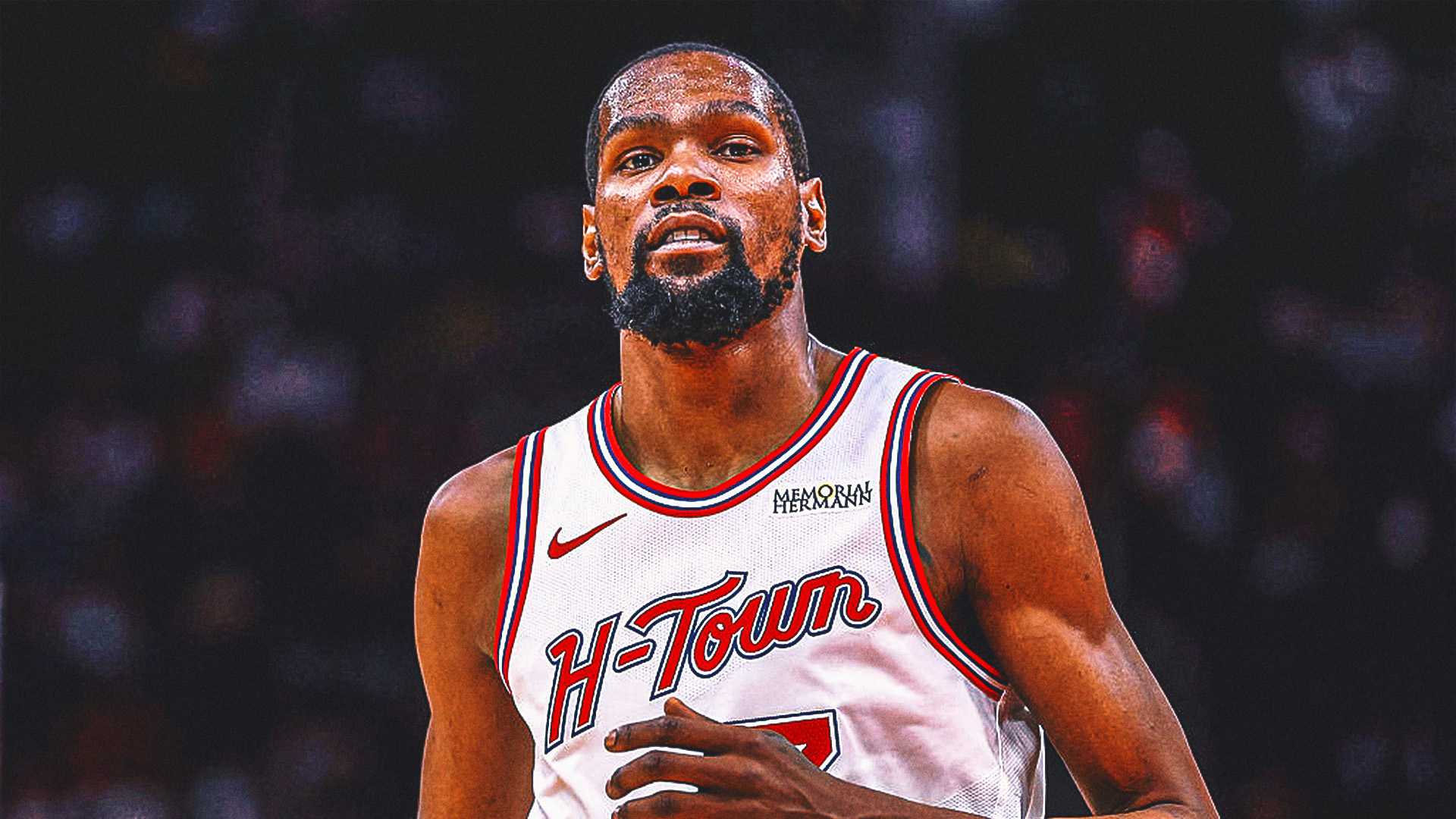
What to know: Houston was heavily favored coming into this series, considering Luka Dončić and Austin Reaves are injured. But Kevin Durant missed Game 1 for Houston, and then he saw unlimited double-teams in Game 2, which helped the Lakers take control of the series and win both games at home.
NEWYou can now listen to Fox News articles!
Fernando Mendoza is the biggest name, but not the only big name in the 2026 NFL Draft.
Let’s check out the Over/Under odds (at DraftKings Sportsbook as of April 22) for where some of the biggest names in this year’s draft might land.
This page may contain affiliate links to legal sports betting partners. If you sign up or place a wager, FOX Sports may be compensated. Read more about Sports Betting on FOX Sports.
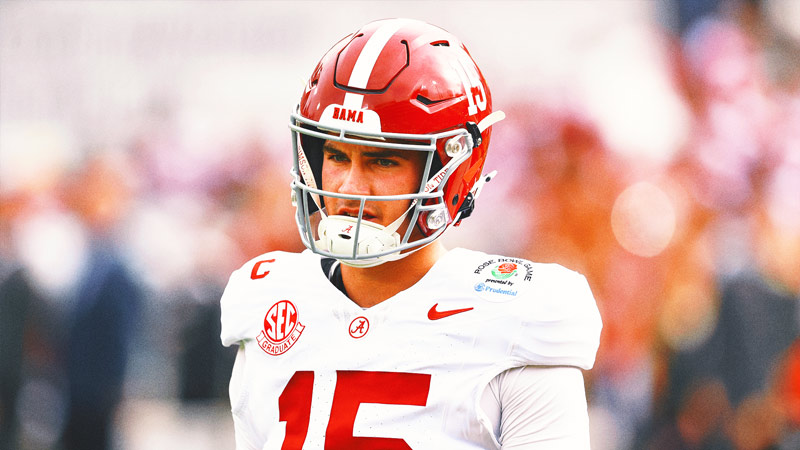
Ty Simpson
Alabama — QB
Over 24.5: -270 (bet $10 to win $13.70 total)
Under 24.5: +195 (bet $10 to win $29.50 total)
What to know: Only two quarterbacks went in the first round last season, after the first three picks of the 2024 NFL Draft were QBs. The last Alabama QB to go in the first round was Bryce Young back in 2023, when he was selected No. 1 by the Panthers. Simpson is heavily favored (-2500) to be the second quarterback off the board in 2026.
Jeremiyah Love
Notre Dame — RB
Over 5.5: +275 (bet $10 to win $37.50 total)
Under 5.5: -400 (bet $10 to win $12.50 total)
What to know: The last time a running back went in the top five was back in 2018, when the Giants selected Saquon Barkley with the second overall pick. Ashton Jeanty went sixth to the Raiders last season.
Sonny Styles
Ohio State — LB
Over 5.5: -150 (bet $10 to win $16.67 total)
Under 5.5: +115 (bet $10 to win $21.50 total)
What to know: The last linebacker to go in the top five just so happens to be the highest-paid non-quarterback in NFL history, Will Anderson Jr. He went to the Texans with the third pick in 2023. Now, Anderson mostly plays edge rusher for Houston.
Sonny Styles of Ohio State (Photo by James Black/Icon Sportswire via Getty Images)
Carnell Tate
Ohio State — WR
Over 7.5: -135 (bet $10 to win $17.41 total)
Under 7.5: +105 (bet $10 to win $20.50 total)
What to know: If you count Travis Hunter as a wide receiver, then two wide receivers went in the top 10 in 2025: Hunter to Jacksonville at No. 2, and Tetairoa McMillan to Carolina at No. 8. Three wideouts went in the top 10 in 2024: Marvin Harrison Jr. to Arizona at No. 4, Malik Nabers to the Giants at No. 6 and Rome Odunze to Chicago at No. 9. Tate is favored (-175) to be the first wide receiver to come off the board in 2026.
Jordyn Tyson
Arizona State — WR
Over 8.5: +140 (bet $10 to win $24.00 total)
Under 8.5: -185 (bet $10 to win $15.41 total)
What to know: Jordyn Tyson’s odds to be a top-10 pick in the NFL Draft opened at +400 in March. They have since surged to -500 for him to go inside the top 10.
Caleb Downs
Ohio State — S
Over 9.5: -115 (bet $10 to win $18.70 total)
Under 9.5: -115 (bet $10 to win $18.70 total)
What to know: No safety has gone top-10 in the NFL Draft since Jamal Adams went sixth to the Jets back in 2017. Minkah Fitzpatrick went 11th to the Dolphins in 2018. Malaki Starks was the first safety selected last season, going 27th to Baltimore.
Rueben Bain Jr.
Miami FL — DL
Over 8.5: -400 (bet $10 to win $12.50 total)
Under 8.5: +270 (bet $10 to win $37 total)
What to know: Defensive linemen always go in the top 10. Since 2013, only twice has the top 10 not featured a defensive lineman — back in 2021 and then again in 2024.
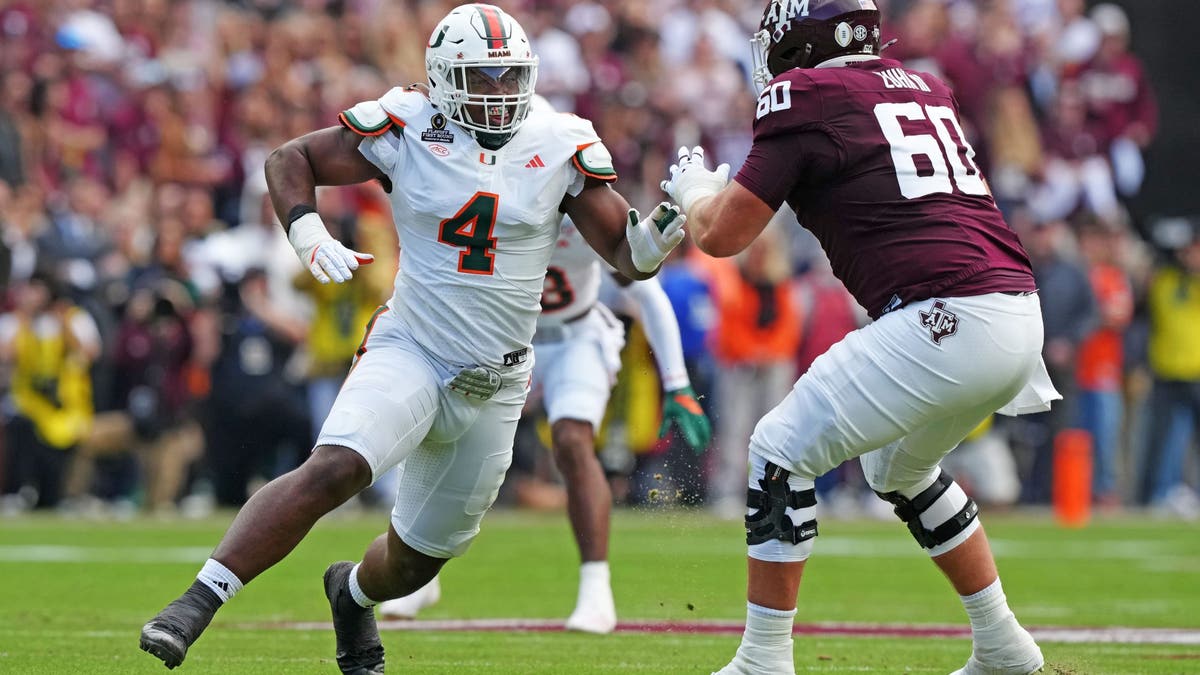
Rueben Bain Jr. of Miami (Photo by CFP/Getty Images)
Spencer Fano
Utah — OL
Over 10.5: +100 (bet $10 to win $20.00 total)
Under 10.5: -130 (bet $10 to win $17.69 total)
What to know: Fano is a close second choice to be the first offensive lineman drafted on Thursday at +110, just behind Francis Mauigoa, who leads the market at -125.
Makai Lemon
USC — WR
Over 14.5: -130 (bet $10 to win $17.69 total)
Under 14.5: +100 (bet $10 to win $20.00 total)
What to know: Lemon is expected to be the third wide receiver off the board, behind Tate and Tyson. He’ll look to follow in the footsteps of recent USC wide receivers Jordan Addison (2023) and Drake London (2022), who were both selected in the first round.
Olaivavega Ioane
Penn State — OL
Over 14.5: +225 (bet $10 to win $32.50 total)
Under 14.5: -310 (bet $10 to win $13.23 total)
What to know: Ioane has the fifth-best odds (+1800) to be the first offensive lineman selected. That said, he is still firmly expected to be a first-round pick.
Kenyon Sadiq
Oregon — TE
Over 15.5: -115 (bet $10 to win $18.70 total)
Under 15.5: -120 (bet $10 to win $18.33 total)
What to know: Colston Loveland (No. 10 to Chicago) and Tyler Warren (No. 14 to Indianapolis) both went in the top 15 last season. Brock Bowers went 13th to Las Vegas in 2024, and Kyle Pitts went fourth to Atlanta in 2021. In other words, the tight end position is on the rise when it comes to the first half of the first round. Sadiq is expected to be the first tight end off the board in 2026.
Kadyn Proctor
Alabama — OL
Over 16.5: +145 (bet $10 to win $24.50 total)
Under 16.5: -195 (bet $10 to win $15.13 total)
What to know: Proctor is the third choice (+950) to be the first offensive lineman drafted, behind Mauigoa (-125) and Fano (+110).
Dillon Thieneman
Oregon — S
Over 17.5: -215 (bet $10 to win $14.65 total)
Under 17.5: +155 (bet $10 to win $25.50 total)
What to know: Thieneman is heavily favored (-400) to be the second safety off the board, behind Downs. In 2025, only one safety was selected in the first round. That likely won’t be the case this year, with Thieneman expected to be selected in the middle of the first round.
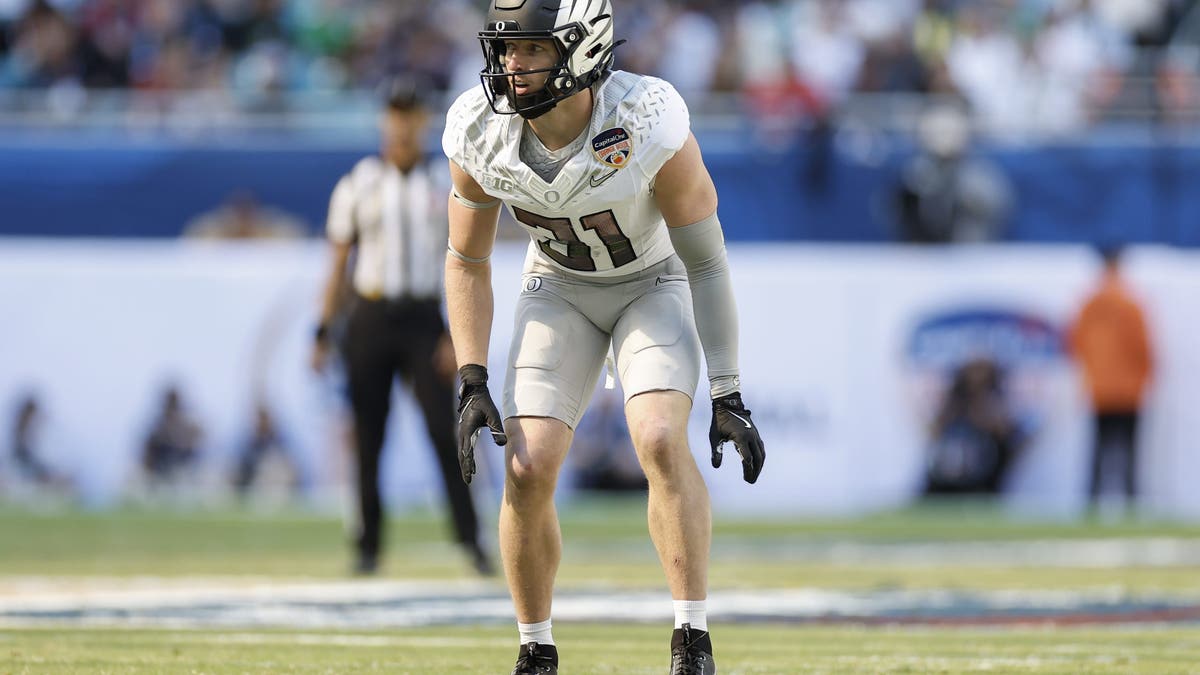
Dillon Thieneman of Oregon (Photo by David Rosenblum/Icon Sportswire via Getty Images)
Monroe Freeling
Georgia — OL
Over 19.5: +185 (bet $10 to win $28.50 total)
Under 19.5: -250 (bet $10 to win $14.00 total)
What to know: In 2025, eight offensive linemen were selected in the first round, and a similar number is expected in 2026, with Freeling projected to be among them.
Omar Cooper Jr.
Indiana — WR
Over 23.5: +120 (bet $10 to win $22.00 total)
Under: 23.5: -160 (bet to win $16.25 total)
What to know: Cooper is projected to be the fourth or fifth wide receiver selected. If he goes in the first round, he would become the first Indiana receiver drafted in the opening round since Thomas Lewis in 1994.
KC Concepcion
Texas A&M — WR
Over 24.5: +100 (bet $10 to win $20 total)
Under: 24.5: -130 (bet to win $17.69 total)
What to know: Counting Travis Hunter as a wide receiver, four total wide receivers were selected in the first round of the 2025 NFL Draft. In 2024, seven wide receivers went in the first round. This year, the line is set at 5.5 wide receivers selected in Round 1, with the over juiced to -165.
Akheem Mesidor
Miami FL — EDGE
Over 25.5: -105 (bet $10 to win $19.52 total)
Under 25.5: -125 (bet $10 to win $18.00 total)
What to know: Mesidor is expected to be the fourth or fifth edge rusher selected, behind Arvell Reese, David Bailey, and his college teammate Rueben Bain Jr. He and Auburn’s Keldric Faulk are likely next in line.
Denzel Boston
Washington — WR
Over 26.5: -125 (bet $10 to win $18.00 total)
Under 26.5: -105 (bet $10 to win $19.52 total)
What to know: Boston will look to follow in the footsteps of former Washington Huskies wide receivers Rome Odunze and John Ross, who were both selected in the first round. He is expected to be among the five or six wide receivers selected in this year’s first round.
Jermod McCoy
Tennessee — CB
Over 28.5: -150 (bet $10 to win $16.67 total)
Under: 28.5: +115 (bet to win $21.50 total)
What to know: After Mansoor Delane (-5000 to be the first cornerback selected), McCoy is tied with Colton Hood and Chris Johnson at +175 to be the second cornerback drafted. In 2025, three cornerbacks were selected in the first round.
Chris Johnson
San Diego State — CB
Over 32.5: +180 (bet $10 to win $28.00 total)
Under 32.5: -250 (bet $10 to win $14.00 total)
What to know: At the beginning of April, Chris Johnson’s odds to be selected in the first round of the NFL Draft opened at +550. He is one of the fastest rising prospects and is now -250 to go in the first.


Canada forms new advisory committee to strengthen US trade relations
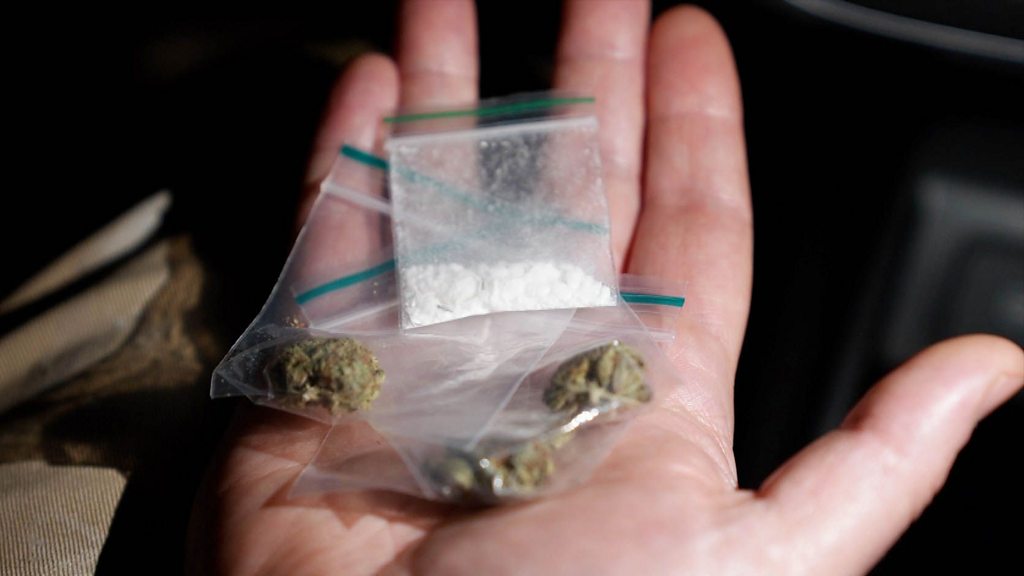
High street drug dealer sells cannabis to undercover reporter

Clearing Hormuz Strait mines could take six months: report

-

 Fashion1 week ago
France’s LVMH Q1 revenue falls 6%, shows resilience amid Iran war
-

 Entertainment1 week ago
Is Claude down? Here’s why users are seeing errors
-

 Tech1 week ago
The Deepfake Nudes Crisis in Schools Is Much Worse Than You Thought
-

 Sports1 week ago
PSL 11: Peshawar Zalmi win toss, opt to field first against Quetta Gladiators
-
 Tech1 week ago
Human-machine teaming dives underwater
-
 Business1 week ago
Standard Life buys rival in £2b deal to create savings giant
-
 Business1 week ago
BP sees ‘exceptional’ oil trading result as Iran war sends crude costs soaring
-
 Fashion1 week ago
What no one is saying about the 2026 apparel slowdown