

Business
Car finance scandal: Payouts of £700 per driver under compensation plans


Millions of victims of car finance mis-selling could receive less compensation than previously estimated, under plans from the regulator.
The Financial Conduct Authority (FCA) said payouts could result from 14 million motor finance agreements between April 2007 and November 2024.
The regulator previously suggested motorists could receive less than £950 per deal, but it now says the average will be about £700. Lenders could pay out £8.2bn in compensation.
The payouts are over commission arrangements between lenders and dealers, unfair contracts, and inaccurate information given to car buyers.
“It’s time their customers get fair compensation,” Nikhil Rathi, chief executive of the FCA, said.
“We recognise that there will be a wide range of views on the scheme, its scope, timeframe and how compensation is calculated. On such a complex issue, not everyone will get everything they would like.”
The scheme would be free to access for consumers.
A ruling at the Supreme Court in August limited the breadth of these cases.
The vast majority of new cars, and many second-hand ones, are bought with finance agreements.
About two million are sold this way each year, with customers paying an initial deposit, then a monthly fee with interest for the vehicle.
In 2021, the FCA banned deals in which the dealer received a commission from the lender, based on the interest rate charged to the customer. These were known as discretionary commission arrangements (DCAs) and meant drivers were at risk of overpaying for the loan.
Other car buyers had an unfair contract because the commission paid to the dealer was so high, and some were not given accurate information about getting the best finance deal.
The regulator has now proposed a scheme to compensate drivers who were subject to these arrangements. If it gets the go-ahead, once the scheme starts:
- lenders will contact those who have already complained. If they don’t hear back after one month, lenders will assume they should look at the case and pay compensation if appropriate
- those who have already complained before the scheme gets up and running are likely to receive compensation faster
- those who have not complained will be contacted by their lender within six months of the scheme starting. People will be asked if they want to opt in to the scheme to have their case reviewed. They will have six months to decide
- those motor finance borrowers who do not receive a letter, for example because lenders no longer have their details and cannot trace them, will have a year from the scheme starting to make a claim
The regulator admitted that consumers can choose not to take part in the FCA’s compensation scheme and instead go to court, where they may get more or less compensation, based on the facts of their case.
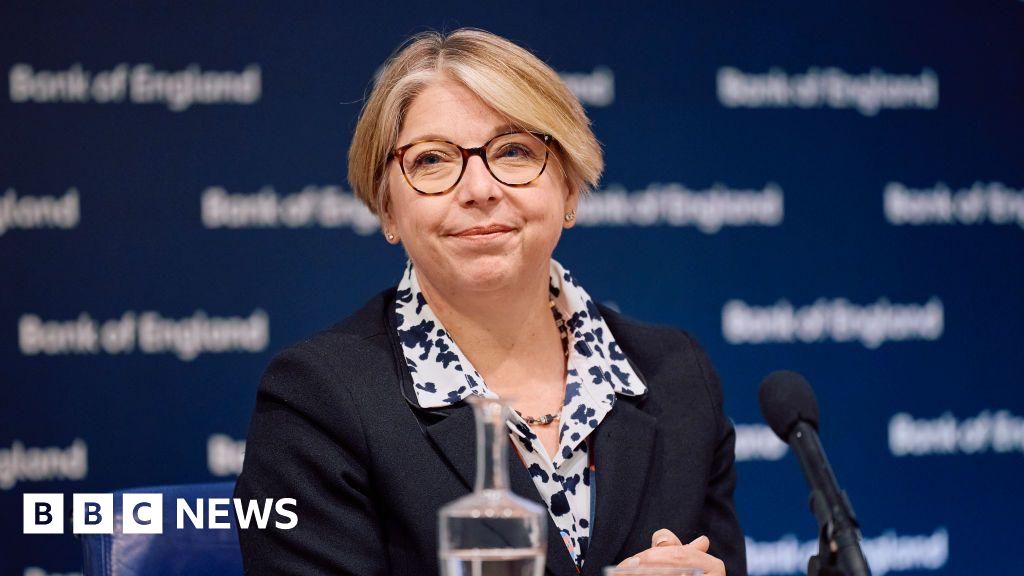
It is unusual for a senior figure at the Bank to be so forthright on market movements.
Source link

Consumer confidence has fallen for the third consecutive month amid household “jitters” over rapid price rises, figures show.
GfK’s long-running consumer confidence index fell four points to minus 25 in April, following falls of two points and three points in March and February respectively.
The deepening concern was driven by perceptions of the UK economy, with a six-point slide in confidence for the next 12 months to minus 43, its lowest level since February 2023.
Confidence in personal finances over the coming year fell five points to minus four – one point lower than this time last year.
The major purchase index – an indicator of confidence in buying big ticket items – held steady, albeit at minus 18 but one point better than last April.
The only measure to improve was the savings index – often an indication that households are concerned about their finances and looking to build contingency funds – which is up five points to 32.
Neil Bellamy, consumer insights director at GfK, said: “Consumers really do have the jitters now.
“It is a year since we last saw a monthly drop of this size, and we have to go back to October 2023 to find the last time consumer confidence was lower.
“Everyone is grappling with rapid price rises, especially at the fuel pumps, which are taking a dent out of household budgets, and people know further price hikes are coming.
“Consumer confidence is deteriorating sharply, with fuel prices and threats of more energy price increases acting as constant reminders of inflation.
“While the Gulf crisis is intensifying pressures, much of the current strain reflects earlier domestic cost increases.
“How long can all this disruption and pain continue?”

People walk past a Nike store in New York City, on April 2, 2025.
Kylie Cooper | Reuters
Nike announced a new round of layoffs Thursday affecting approximately 1,400 employees across the organization, mostly concentrated in its technology department.
In a note from COO Venkatesh Alagirisamy, the company said the layoffs were part of Nike’s broader “Win Now” turnaround strategy aiming to reshape its technology team, modernize its Air manufacturing, move some of its Converse Footwear operations and integrate its materials supply chain work into its footwear and apparel supply chain teams.
“Collectively, these changes will result in a reduction of approximately 1,400 roles in global operations, with the majority in technology,” Alagirisamy wrote. “These reductions are very hard for the teammates directly affected and for the teams around them, too.”
A Nike spokesperson said the layoffs are about better positioning the organization for the current pace of sports and accelerating its growth. The layoffs affect employees across North America, Asia and Europe and represent less than 2% of the company’s total global head count.
“This is not a new direction,” Alagirisamy wrote. “It is the next phase of the work already underway.”
Affected employees will be notified beginning Thursday, Nike added.
CEO Elliott Hill has been working to turn Nike around after years of slumping sales. While Hill has made some initial progress, it’s come with some bumps in the road.
Nike announced 775 job cuts in January, primarily at its U.S.-based distribution centers, due to the company’s work in accelerating its use of automation. At the time, the company said the cuts are part of Nike’s goal to return to “long-term, profitable growth.”
Those layoffs came on top of a round of cuts last summer that affected less than 1% of Nike’s corporate staff as part of the company’s efforts to realign the business.
In its third fiscal quarter earnings report last month, the retailer warned that sales will continue to fall for the rest of the year, primarily led by an anticipated 20% decline in China during the current quarter.
— CNBC’s Jessica Golden contributed to this report.


Rams make surprise first-round move, take Alabama QB Ty Simpson

Luke Grimes shares what disappoints ‘Yellowstone’ fans the most

US Special Forces Soldier Arrested for Polymarket Bets on Maduro Raid

-

 Fashion1 week ago
France’s LVMH Q1 revenue falls 6%, shows resilience amid Iran war
-

 Entertainment1 week ago
Is Claude down? Here’s why users are seeing errors
-

 Sports1 week ago
PSL 11: Peshawar Zalmi win toss, opt to field first against Quetta Gladiators
-

 Tech1 week ago
The Deepfake Nudes Crisis in Schools Is Much Worse Than You Thought
-
 Business1 week ago
Standard Life buys rival in £2b deal to create savings giant
-

 Tech1 week ago
CYBERUK ’26: UK lagging on legal protections for cyber pros | Computer Weekly
-

 Fashion1 week ago
Raymond unveils luxury Chairman’s Collection Store in Mumbai
-
 Business1 week ago
PepsiCo earnings beat estimates as North American food business improves