

Business
Chipotle chases the protein craze with new menu items — including meat in a cup


Chipotle will debut a High Protein Menu on Tuesday, December 23, with items ranging from 15 to 81 grams of protein per item.
Source: Chipotle Mexican Grill
Chipotle Mexican Grill is entering the snack business.
The fast-casual giant announced Thursday it will roll out its first-ever “High Protein Menu” later this month, featuring grab-and-go protein cups. Starting Tuesday, customers in the U.S. and Canada can buy a 4-ounce portion filled with adobo chicken or steak.
The move is designed to re-energize demand as the chain known for massive burritos and bowls is grappling with slowing sales growth and a fundamental shift in how Americans eat.
“For years, guests have used Chipotle’s customizable offerings to build high protein and fiber-filled meals on their own,” Chris Brandt, Chipotle’s president and chief brand officer, said in a release.
The company recently cut its full-year same-store sales forecast for the third consecutive quarter, triggering a nearly 20% single-day stock selloff. Multiple Wall Street firms lowered their price targets, citing weakening traffic, most sharply among customers ages 25 to 35, and fading visibility into a rebound.
Chipotle stock is down around 38% year-to-date.
Across the fast-casual sector, inflation-weary consumers have been pulling back on dining out, and analysts have told CNBC previously that Chipotle is battling a value perception problem, with some diners lumping the chain in with pricier fast-casual rivals despite average entree prices that are closer to $10.
Beyond the protein cup, the High Protein Menu includes entrees such as the Double High Protein Bowl and the High Protein-High Fiber Bowl, with items ranging from 15 to 81 grams of protein per serving.
“This curated menu brings that fan behavior to the forefront with clean ingredients and flexible portions, making protein and other dietary goals easier to reach in just a few taps,” Brandt said.
Smaller, protein-dense portions allow Chipotle to compete not just with other restaurants, but with protein bars, shakes and convenience-store snacks, while potentially capturing visits outside of lunch and dinner.
High-protein diets have ranked as the top diet pattern in the U.S. for three consecutive years, according to Chipotle. About 70% of Americans now say they prioritize protein, and more than one-third have increased their intake over the past year, according to the International Food Information Council.
The launch also comes against the backdrop of a dramatic shift in consumer behavior driven by GLP-1 weight-loss drugs and growing interest in macronutrient tracking. GLP-1 users, in particular, tend to eat smaller amounts while emphasizing protein to preserve muscle mass — a trend that is forcing restaurant chains to rethink portion sizes, menu structure and pricing.
Chipotle isn’t alone in pivoting toward protein-forward offerings. Fast-casual salad chain Sweetgreen recently introduced new menu items following the trend, headlined by a bowl with 106 grams of protein.



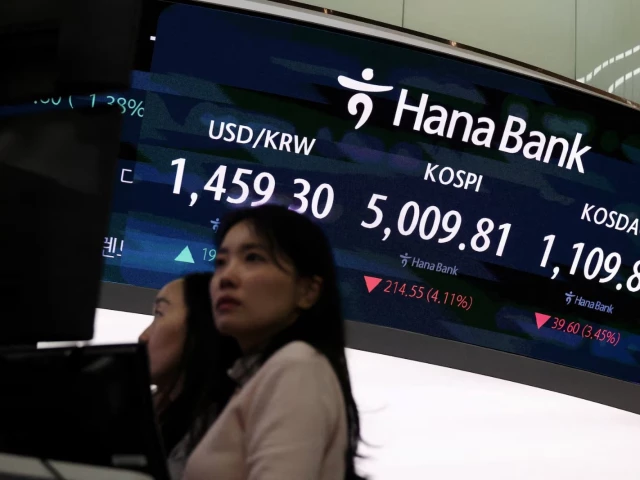
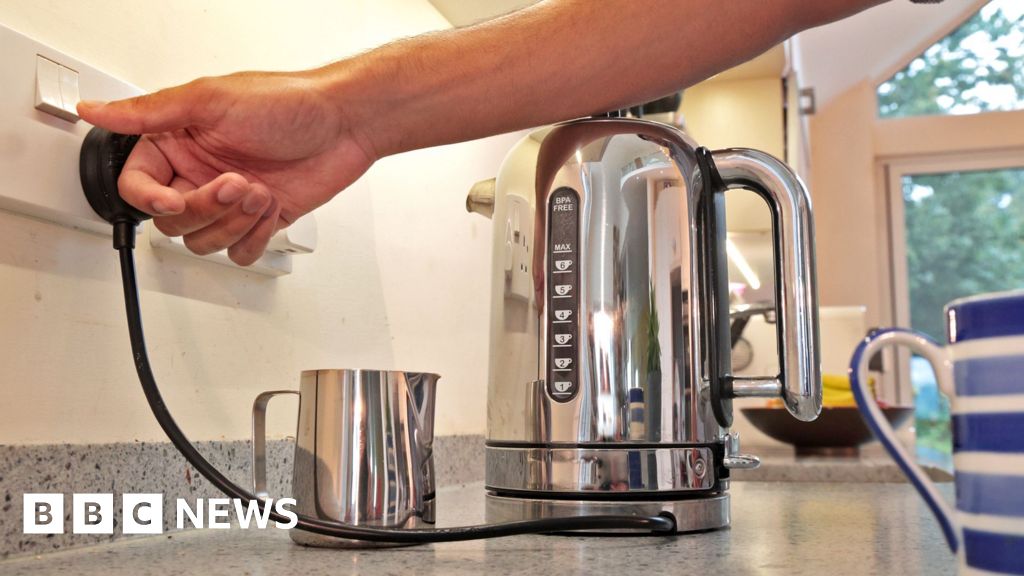
The war in the Middle East has brought renewed attention to Britain’s vulnerability to energy price shocks.
Source link
Business
Gadkari urges shift to 100% ethanol blending, flags energy security and import risks – The Times of India
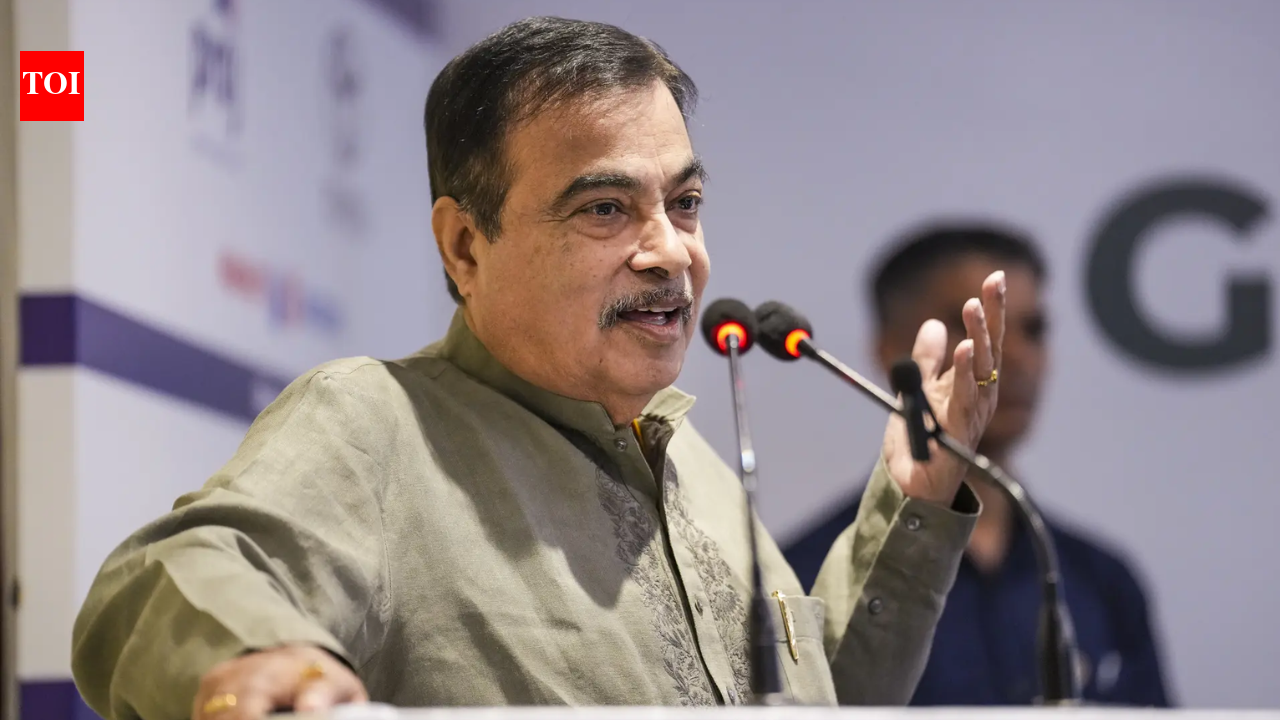
India should aim for 100 per cent ethanol blending in the near future to strengthen energy self-reliance, road transport and highways minister Nitin Gadkari said on Tuesday. He said that vulnerabilities in oil supplies due to the ongoing crisis in West Asia have made it essential for the country to reduce dependence on imports.Speaking at the Indian Federation of Green Energy’s Green Transport Conclave, Gadkari said, “In the near future, India should aspire to achieve 100 per cent ethanol blending… Today, we are facing an energy crisis due to the war in West Asia, so it is necessary for us to become self-reliant in the energy sector,” as quoted by PTI.India currently allows vehicles to run on E20 petrol, which contains 20 per cent ethanol, with minor engine modifications to avoid corrosion and related issues. In 2023, PM Modi launched petrol blended with 20 per cent ethanol. Countries such as Brazil have already achieved 100 per cent ethanol blending.Gadkari noted that India imports 87 per cent of its oil requirements, adding, “We import fossil fuels worth Rs 22 lakh crore, which is also causing pollution… so we need to work on increasing production of alternative fuel and bio-fuel.”On future energy solutions, he stressed the importance of green hydrogen but pointed out challenges in cost and transport. “Transport of hydrogen fuel is a problem. Also, we need to produce 1 kg of hydrogen at $1 dollar, to make India an exporter of energy,” he said, adding that hydrogen production from waste should be explored.The minister also emphasised the role of a circular economy in generating employment opportunities. While calling for reduced reliance on petrol and diesel vehicles, he clarified, “But we can not force people to stop buying petrol and diesel vehicles.”Addressing concerns about E20 fuel, Gadkari said the petroleum sector is lobbying against the move. He also urged automobile manufacturers to prioritise quality over cost to expand into new markets.Last year, Gadkari dismissed criticism against E20 (ethanol-blended petrol), saying a “paid” social media campaign is being run to “target me politically.” He said Society of Indian Automobile Manufacturers and Automotive Research Association of India have shared their findings on ethanol blending in petrol. He added that India’s ethanol programme has benefited farmers, noting that ethanol made from maize has helped them get better prices and led to gains of Rs 45,000 crore.

One petrol retailer says he is experiencing about five drive-offs a week at each forecourt, costing him thousands.
Source link


Matarazzo celebrates Real Sociedad Copa title: ‘Just the beginning’

Germany firms raise investment plans, uncertainty persists: ifo

Jennifer Lopez and Will Smith viral dating claims raise big questions

-

 Fashion5 days ago
France’s LVMH Q1 revenue falls 6%, shows resilience amid Iran war
-

 Sports1 week ago
The case for Man United’s Fernandes as Premier League’s best
-

 Entertainment1 week ago
Palace left in shock as Prince William cancels grand ceremony
-
 Business1 week ago
UK could adopt EU single market rules under new legislation
-

 Entertainment6 days ago
Is Claude down? Here’s why users are seeing errors
-

 Fashion1 week ago
Energy emerges as biggest cost driver in textile margins
-
 Business1 week ago
Delta Air Lines unveils first new Delta One suite in premium cabin arms race
-

 Fashion1 week ago
Asia claims largest share of markets on Kearney FDI Confidence Index