

Business
Chocolate’s reign over Halloween is under threat from inflation, tariffs and high cocoa prices


A customer shops for Halloween candy at a Walmart Supercenter on October 16, 2024 in Austin, Texas.
Brandon Bell | Getty Images
The scariest thing haunting Halloween this year isn’t a ghost, goblin or ghoul — it’s the price of chocolate.
From Snickers to Reese’s to Twix, one of America’s favorite indulgences is getting more expensive, as tariffs, inflation and high cocoa prices squeeze profit margins and customers’ pocketbooks, possibly leading to fewer chocolate bars landing in trick-or-treat buckets this year.
Chocolate prices have surged nearly 30% since last Halloween and almost 78% in the past five years, according to data from research firm Circana and the U.S. Bureau of Labor Statistics. A 100-piece variety bag of candy now costs $16.39, up from $7.20 in 2020, FinanceBuzz found.
That spike is showing up on store shelves. Variety packs from Hershey — maker of Reese’s, KitKats and Heath bars — are up about 22%, while Mars, the company behind M&M’s and Milky Way, raised prices about 12%, according to the Century Foundation, a progressive, independent think tank, and the Groundwork Collaborative.
“The season did get off to a slow start,” Hershey CEO Kirk Tanner told investors on an earnings call Thursday, warning that holiday sales could be softer this year.
About 4 in 5 Americans buy candy for the Halloween holiday, according to YouGov. This time of year makes up about 18% of annual U.S. confectionery sales — second only to Christmas, according to the National Confectioners Association.
But chocolate’s dominance is slipping. Circana found it made up 52% of Halloween candy sales last year, compared with 44% this year, as shoppers shift toward cheaper, trendier sweets.
“Macroeconomic headwinds” are among the culprits, said Sally Wyatt, who works for Circana analyzing global consumer packaged goods and as a food-service industry advisor. “It’s the compounded impact on top of the fact that we’ve outpaced wage growth. So consumers have started to … [make] very specific choices on discretionary items.”
Sector-wide, candy prices are outpacing the national inflation rate, marking a roughly 10% increase compared with last year, according to the Century Foundation. Still, the National Retail Federation said 2025 is expected to be a record year for candy sales in the U.S., with about $3.9 billion spent on Halloween candy alone.
“Even as consumers face higher prices for food, they continue to leave room in their budgets for chocolate and candy, meaning that the category is strong, vibrant and growing,” Carly Schildhaus, a spokesperson for the National Confectioners Association, told CNBC.
Much of the chocolate filling U.S. shelves this fall was made from cocoa beans purchased at record prices last December, when futures peaked above $12,000 per ton, experts said. Prices have since cooled to around $6,000, but that’s still more than double the pre-pandemic average.
A cocktail of rising temperatures, erratic rainfall, drought and crop disease for the past three years has devastated harvests in West Africa, which produces roughly 70% of the world’s cocoa. The result: the largest global cocoa deficit in 60 years, with supply falling half a million tons short of demand.
Prices could stabilize, but not decrease, by next year as crop yields have increased, said David Branch, a sector manager at Wells Fargo Agri-Food Institute.
“It’s not just the cost of manufacturing cocoa and other ingredients,” Branch told CNBC. “It’s also a combination of labor, transportation, fuel, overhead [and] all of those factors, and, given the inflationary rate we’ve been in, those came up and haven’t really come down.”
Hershey said Thursday that tariff expenses will cost the company $160 million to $170 million this year. In July, it also announced a “low double-digit” price hike, though executives said those increases weren’t tied to tariffs or Halloween pricing.
Chocolate makers have lobbied the Trump administration for tariff exemptions on cocoa and other agricultural imports, arguing they have little ability to source those ingredients domestically.
Sweet variety
As chocolate becomes more expensive, fruity, sour and chewy candies have gotten more popular. More than half of shoppers said they planned to prioritize gummy candies for Halloween this year, NielsenIQ found.
On average, the price per pound of chocolate rose nearly 14% in the 12 weeks ending Oct. 5, while sales volumes fell 6%, Circana data show. Non-chocolate Halloween candy such as Jolly Ranchers and Skittles saw sales climb 8.3% in that same period.
Younger adults, especially Gen Z, are also fueling growth in non-chocolate categories — gravitating toward gummies, freeze-dried sweets and TikTok-friendly flavor mashups.
“It’s that experiential [aspect] because you can have it [non-chocolate items] with chewy, with sweet flavors, with hot and sweet, spicy flavors,” Wyatt told CNBC. “Some candies you get this big explosion in your mouth of flavors. We’ve seen it popular with different cohorts.”
Chocolate makers are responding in kind. Hershey has expanded its gummy lineup, including a partnership with Shaquille O’Neal, and rolled out ghost-shaped Twizzlers and mismatched “Trickies” Jolly Rancher gummies.
Mondelez International, maker of Cadbury and Toblerone, said it’s also prioritizing gummies in the U.S. market. CEO Dirk Van de Put said on an earnings call Tuesday, however, that the U.S. market in particular “is slower than we’ve seen in quite a while” and the company’s promotional strategy earlier this year “was not giving us the volume effect that we were hoping for.”
Manufacturers are also experimenting with smaller bars, new fillings and cocoa-free options such as crème or nut-based confections to offset rising ingredient costs, Branch said.
“Companies have got to be very aware of if they can keep their prices in line. They can’t just keep increasing their prices and expect sales to continue to go up,” Branch said. “But customers have not lost their appetite for chocolate. It’s going to remain an indulgence that people will always have and can’t really do without.”





Australia and the EU sign sweeping trade and security deals after years of negotiations.
Source link
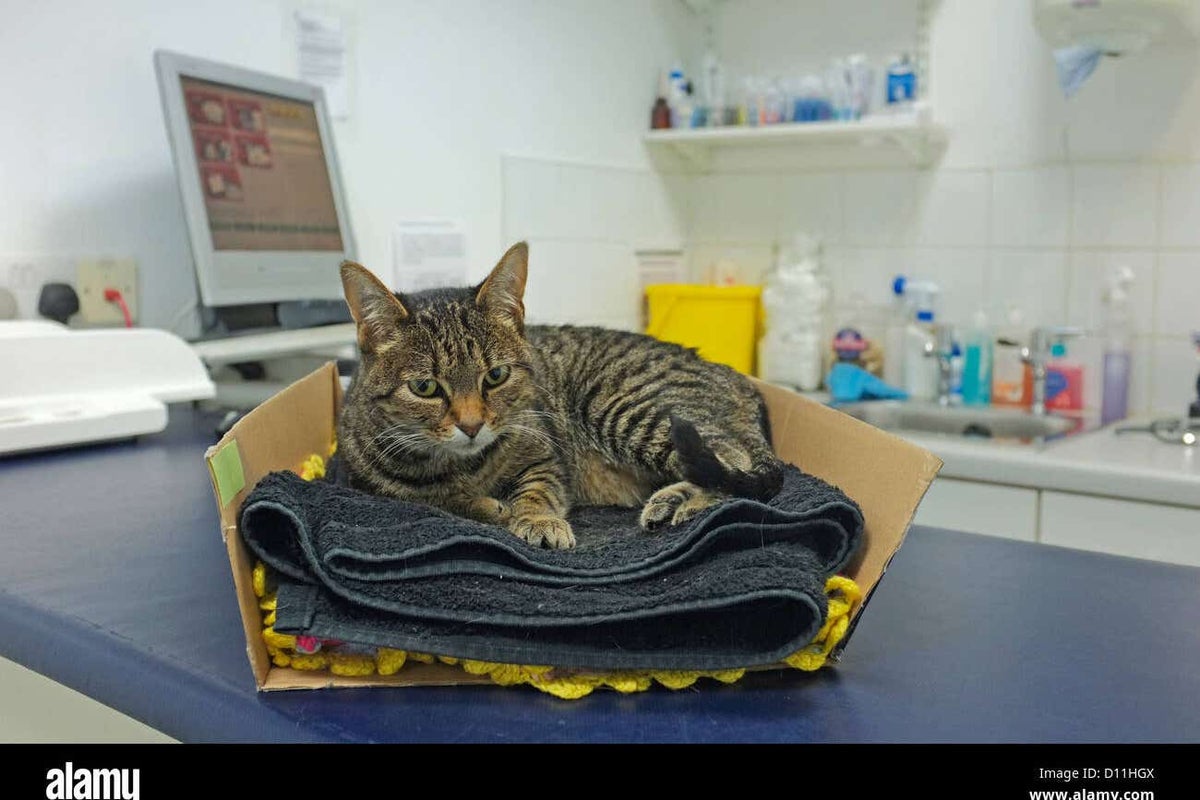
Vets will be legally bound to prescription fee caps and publishing price lists among new measures which will start coming into force later this year, the competition watchdog has announced.
The Competition and Markets Authority (CMA) said its final reforms for the sector will help pet owners better navigate the vet services market.
Other legally binding measures will include a price comparison website and mandatory branding by the large groups to boost competition and drive down prices.
The CMA said pet owners using a vet practice that is part of a larger chain can expect to see changes before Christmas, including standard price lists.
The measures follow the CMA finding that fees have risen at almost twice the rate of inflation, with pet owners not being given enough information about their vet and the prices of treatments.
Martin Coleman, chairman of the independent Inquiry Group, said: “This is the most extensive review of veterinary services in a generation, and today’s reforms will make a real difference to the millions of pet owners who want the best for their pets but struggle to find the practice, treatment and price that meets their needs.
“Too often, people are left in the dark about who owns their practice, treatment options and prices – even when facing bills running into thousands of pounds.
“Our measures mean it will be made clear to pet owners which practices are part of large groups, which are charging higher prices, and for the first time, vet businesses will be held to account by an independent regulator.
“Our changes put pet owners at the centre but also help vets by enhancing trust in the profession and protecting clinical judgment from undue commercial pressure – and that is important to ensure our pets continue to get the best care.”
The CMA said practices must publish a comprehensive price list for standard services, including consultations, common procedures, diagnostics, written prescriptions and cremation options under its new rules.
Prescriptions – for which “many” practices charge £30 or more for each – are to be capped at £21 for the first medicine and £12.50 for any additional medicines.
Practices must also provide a written estimate in advance for any treatment expected to cost £500 or more, including aftercare costs, as well as an itemised bill.
Emergency care will be the only exception for written estimates.
Prices and information about who owns the surgery are to be made available to pet owners through the Royal College of Veterinary Surgeons (RCVS) ‘Find a Vet’ service, which will share the data with third-party comparison sites.
Vet businesses must make it clear whether they are part of a group or an independent business, with details of group ownership to be displayed on signs at the surgery and online.
British Veterinary Association president Rob Williams said: “The majority of the CMA’s measures focus on increasing transparency and information, which will help pet owners make more informed choices and support competition, which is a really positive step.”
He added: “Delivering highly skilled veterinary medicine is costly and whilst we recognise prices have risen sharply in recent years this is due to a number of factors, including the higher costs all businesses are experiencing – and vet practices are not immune.
“Plus, thanks to advances in diagnostics and medical technology over the last 20 years, vets can now do much more to manage disease and injury in animals, whereas in the past the only option available may have been to euthanase.
“Owners today also have a greater expectation of their vet, with many expecting human quality healthcare for their pets and whilst this is possible to deliver, it comes at a cost.”
Business
Gold price prediction today: Pressure on gold prices to continue on March 24, 2026 amid US-Iran war? Check outlook – The Times of India

Gold price prediction today: Gold prices are likely to remain range-bound in the near future, says Praveen Singh, Head Currencies and Commodities, Mirae Asset ShareKhan
Source link


South Korea’s Misto Holdings’ 2025 profit jumps 31.6% on steady growth
Australia and EU agree sweeping trade deal in face of global uncertainty

How Jaxon Smith-Njigba’s contract extension impacts Seahawks

Strategic oil stocks to be released ‘immediately’ in Asia and Oceania: IEA

New Income Tax Act 2025 To Take Effect From April 1: 10 Key Changes That Will Affect Your Money

Transfer rumors, news: Real Madrid open to Camavinga exit, as Premier League clubs circle

-
 Entertainment1 week ago
Strategic oil stocks to be released ‘immediately’ in Asia and Oceania: IEA
-

 Tech1 week ago
Early Deals From the Amazon Spring Sale That Passed Our BS Test
-
Business1 week ago
New Income Tax Act 2025 To Take Effect From April 1: 10 Key Changes That Will Affect Your Money
-
 Sports1 week ago
Transfer rumors, news: Real Madrid open to Camavinga exit, as Premier League clubs circle
-
 Business1 week ago
UK looking at all options to secure Strait of Hormuz, says Ed Miliband
-
 Business7 days ago
Stocks and pound rise as US rate call approaches
-

 Tech6 days ago
Justice Department Says Anthropic Can’t Be Trusted With Warfighting Systems
-

 Sports6 days ago
March Madness 2026 – How to watch in SA, start time, schedule, TV channel for NCAA championship basketball tournament