

Fashion
CITI welcomes FY26 economic survey, seeks targeted support for T&A

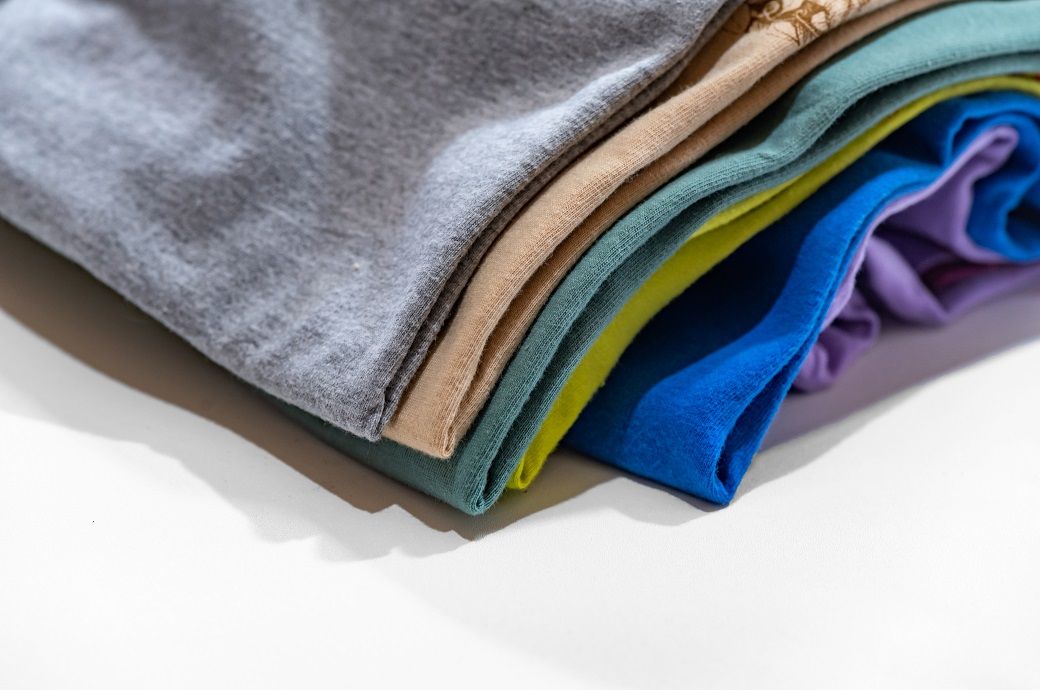
The Confederation of Indian Textile Industry (CITI) has welcomed the Economic Survey for the financial year 2026 (FY26) and the roadmap it outlines to sustain India’s growth momentum amid continuing global headwinds. CITI looks forward to the upcoming Union Budget translating the Survey’s vision into concrete support for the textile and apparel sector.
CITI has welcomed the FY26 Economic Survey, saying its focus on reforms, MSME growth, skills, innovation and exports aligns well with the needs of the textile and apparel sector.
It expects the Union Budget to convert this vision into concrete support, boost competitiveness, aid MSMEs, counter US tariffs, create jobs and help achieve India’s $350-billion textile industry target by 2030.
While raising its growth forecast for India, the Economic Survey said that “sustained reforms across five pillars – Ease of Doing Business, R&D and innovation, Skilling, Infrastructure & Logistics, and Scaling up of MSMEs – will remain critical in positioning industry as a key engine of future growth.”
“The Economic Survey for the FY26 clearly shows the path that will achieve the twin objectives of a Viksit Bharat (developed India) and improve the quality of life of the Indian people, who make up almost 18 per cent of the global population,” CITI chairman Ashwin Chandra said commenting on the Economic Survey.
“The Survey’s observations on global trade dynamics, the need for increasing manufacturing and export competitiveness, easier credit access for MSMEs, skill development, and innovation, especially, hold great relevance for the textile and apparel sector as the industry seeks to futureproof itself,” Chandran added.
The CITI Chairman said a growth-oriented Union Budget, aligned with the Economic Survey’s recommendations, will strengthen India’s position as a globally competitive and sustainable hub for textiles and apparel, which, in turn, could provide a fillip to inclusive growth and create more jobs. India has set itself a target to create a $350 billion textile and apparel industry by 2030, including achieving exports of $100 billion within that period.
“In the Budget context, the textile and apparel industry expects it to include specific measures that will enhance the global competitiveness and innovation capacity of the sector,” the CITI chairman pointed out. “We anticipate that the Budget will prioritise improved access to raw materials and introduce enhanced support systems, enabling MSMEs to secure affordable credit and advance their sustainability efforts,” he added.
The second-biggest generator of jobs and livelihoods, besides being a significant contributor to exports and the GDP, India’s textiles and apparel sector has been adversely affected by the 50 per cent US tariff on Indian goods, effective August 27, 2025.
The US is the single-largest market for India’s textile and apparel exports. At nearly $11 billion in the FY25, India’s textile and apparel exports to the US accounted for around 28 per cent of the country’s overall exports of these items.
Fibre2Fashion News Desk (HU)











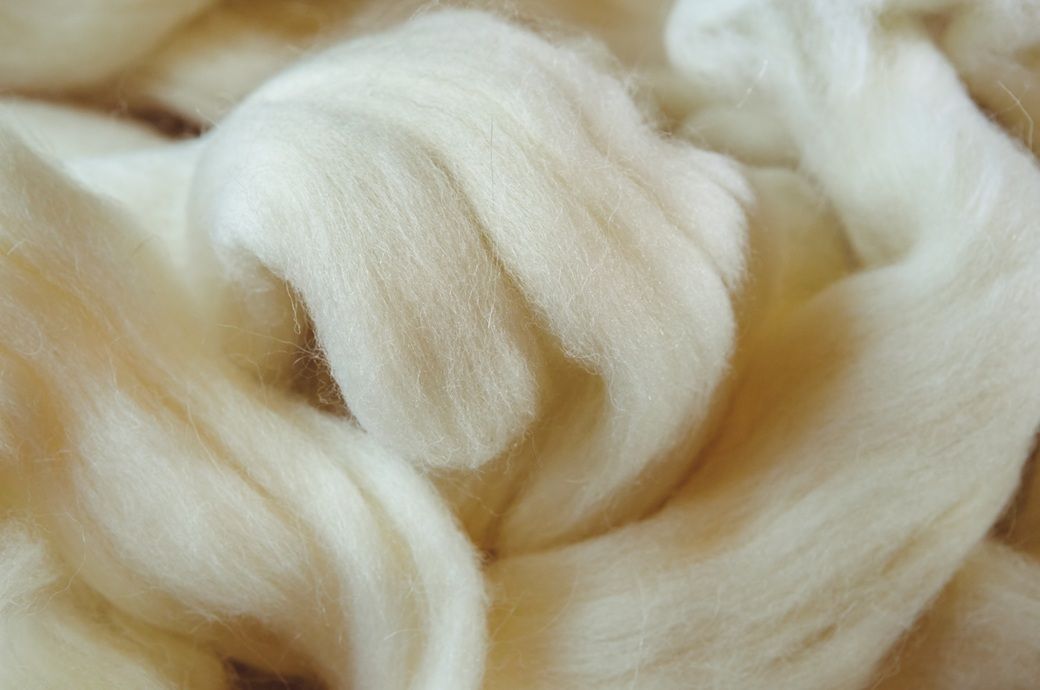
“The price weakness was most evident in the 18.5–21 micron Merino fleece range, particularly in Southern and Western regions, where declines of 40–60 cents were recorded. Crossbred wool prices also eased, while the Northern market showed some firmness in 20–21 microns,” said Australian Wool Innovation (AWI) in its week 39 commentary.
Australian wool prices declined this week, with the Eastern Market Indicator (EMI) falling 27 cents to 1,724 c/kg amid buyer caution and rising logistics costs.
Weakness was led by Merino fleece, while crossbreds also eased.
Strong auction volumes and increased supply reduced competition, signalling a pause after sustained price gains.
Market sentiment was impacted by increased supply, with offerings nearing 40,000 bales. Pass-in rates stood at 9 per cent nationally and over 13 per cent in the West, signalling growing seller resistance. Despite lower annual production, supply levels remain elevated, partly supported by broker and farm-held stocks, the AWI commentary noted.
Rising freight costs linked to Middle East tensions and sustained supply are expected to test market stability. Around 37,815 bales are scheduled for sale next week, the AWI commentary added.
Fibre2Fashion News Desk (CG)
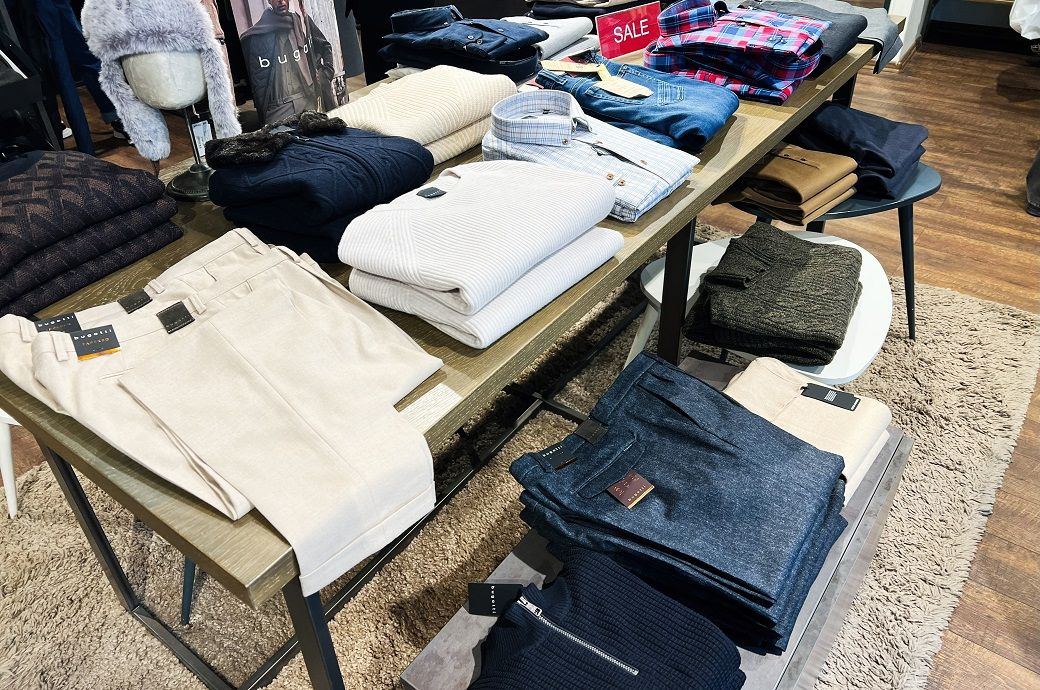
Ukraine’s apparel imports increased from $***.*** million in **** and $***.*** million in ****, reflecting a steady recovery in demand. However, Turkiye’s exports dropped to $***.*** million in ****, reducing its share to **.** per cent from **.** per cent in **** and a dominant **.** per cent in ****, when it was the leading supplier, according to *fashion.com/market-intelligence/texpro-textile-and-apparel/” target=”_blank”>sourcing intelligence tool TexPro.
China emerged as the top supplier in ****, with shipments valued at $***.*** million, accounting for **.** per cent of total imports, only marginally higher than **.** per cent in ****. Bangladesh continued its strong growth trajectory, supplying $***.*** million and capturing a **.** per cent share, up significantly from **.** per cent in ****.



Amazon’s Spring Sale Is So-So, but Cadence Capsules Are a Bright Spot

The unexpected path that led Morgan and Frankie Price to Arkansas gymnastics

US-Iran mediation: Politicians castigate India’s Jaishankar for spiteful remarks on Pakistan

-

 Fashion1 week ago
Sales at US apparel, clothing accessories stores up 4% YoY in Jan 2026
-

 Tech1 week ago
Justice Department Says Anthropic Can’t Be Trusted With Warfighting Systems
-
 Fashion1 week ago
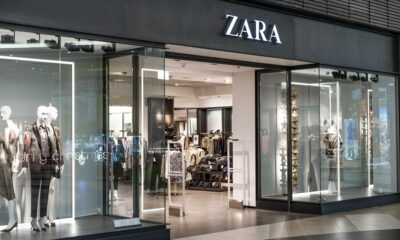
Spain’s Inditex FY25 sales rise 3.2% to $46.28 bn amid strong demand
-

 Sports1 week ago
March Madness 2026 – How to watch in SA, start time, schedule, TV channel for NCAA championship basketball tournament
-

 Politics1 week ago
Iran strikes Tel Aviv with cluster-warhead missiles in retaliation of Larijani’s martyrdom
-

 Entertainment1 week ago
With few new leads 45 days after Nancy Guthrie’s disappearance, investigation “becomes much harder,” expert says
-

 Entertainment1 week ago
Val Kilmer revived 1 year after death through AI
-
 Business1 week ago
Brits cashing in jewellery as gold price hits record high