

Business
Consumer confidence falls despite easing inflation

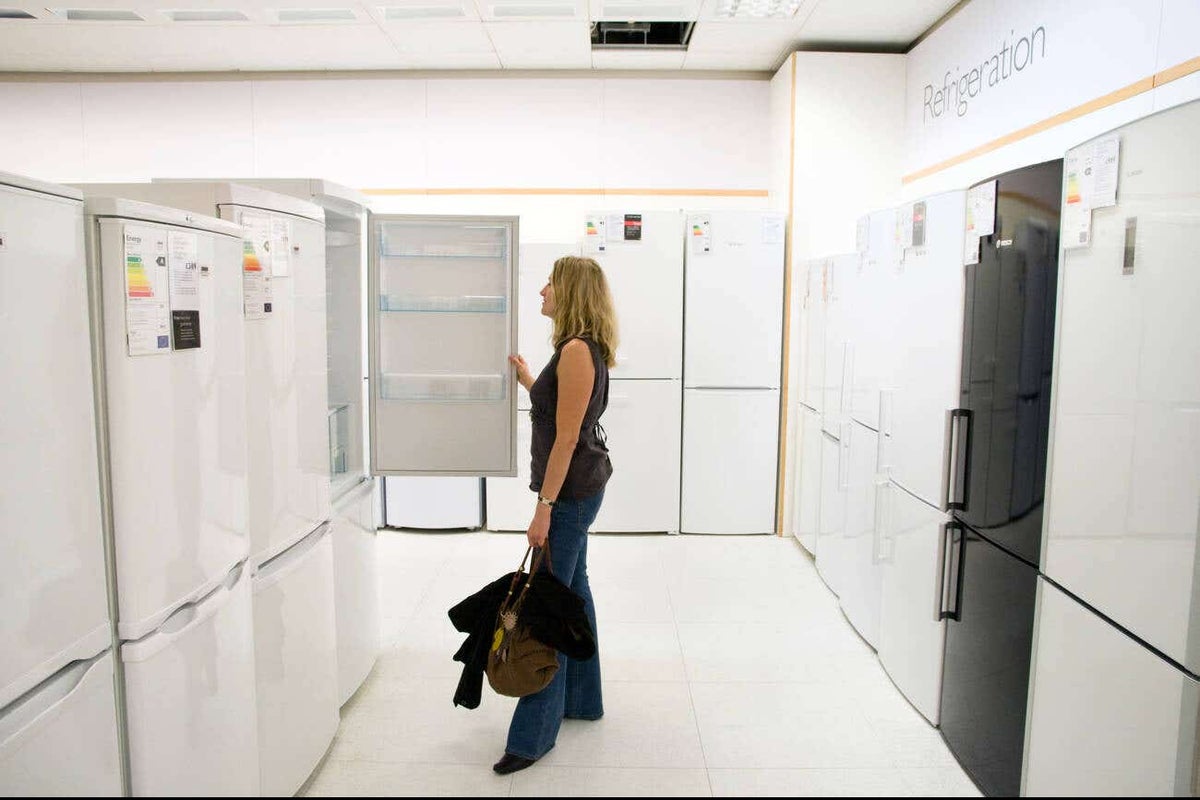
Consumer confidence has fallen in a blow for retailers as customers veer away from big-ticket purchases, figures show.
GfK’s long-running Consumer Confidence Index dropped three points to minus 19 in February to a level last seen in November, despite easing inflation.
The decline was mainly driven by weaker perceptions of personal finances – looking back over the last year and ahead to the next 12 months – which both fell by four points.
The major purchase index – an indicator of confidence in buying big-ticket items – also fell by four points, to minus 14.
Expectations for the general economy over the next 12 months remained unchanged at minus 31 – the same as the score a year ago.
Meanwhile, a measure of confidence in saving money, which is part of the survey but does not contribute to the overall score, fell seven points to 21 – nine points lower than last year.
Neil Bellamy, consumer insights director at GfK, said: “Fewer people say that now is a good time to make major purchases and fewer consumers intend to save money.
“Although the rate of inflation is easing, prices continue to rise, forcing many households to prioritise day-to-day spending over longer-term needs.
“Views on the broader economy remain firmly in negative territory, with consumers anticipating only limited economic growth this year.
“Unemployment has now reached its highest level in nearly five years, and this is increasing concerns about job security, particularly given the backdrop of weak wage growth. With fewer entry-level opportunities available, those on lower incomes are already feeling the strain, and this trend risks undermining the typically more optimistic outlook held by younger age groups.”
The war in the Middle East has brought renewed attention to Britain’s vulnerability to energy price shocks.
Source link
Business
Gadkari urges shift to 100% ethanol blending, flags energy security and import risks – The Times of India
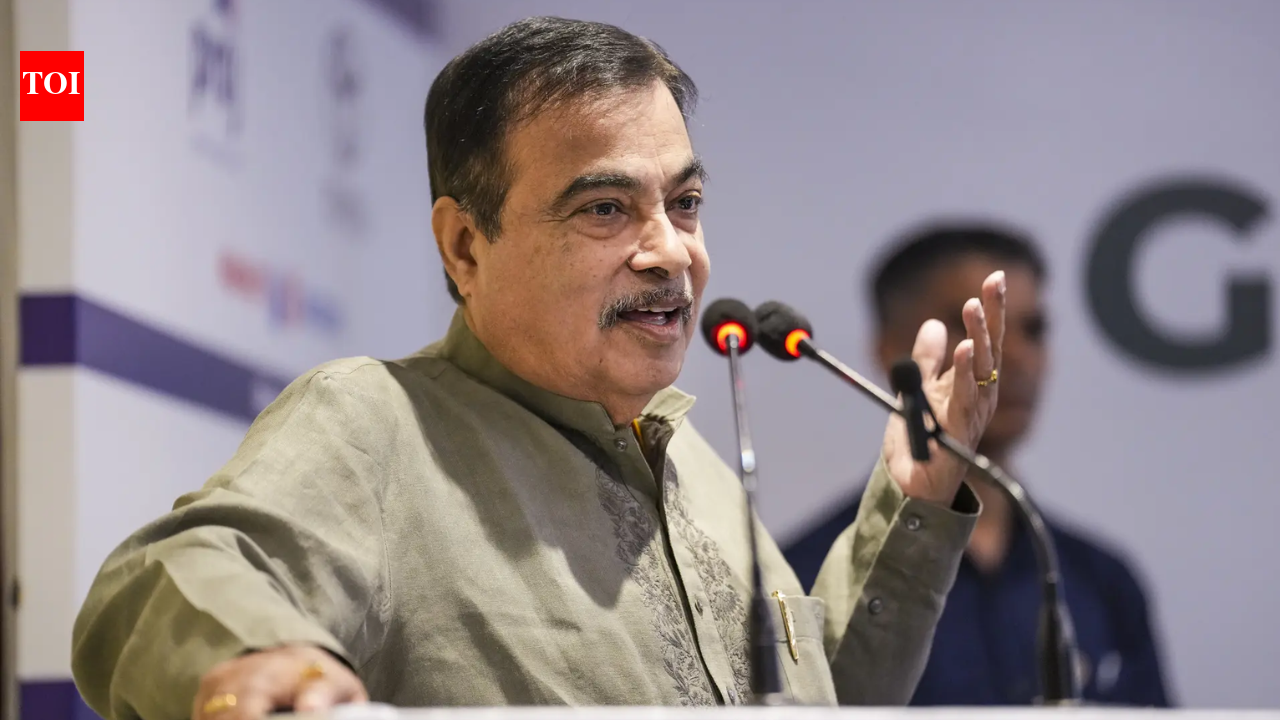
India should aim for 100 per cent ethanol blending in the near future to strengthen energy self-reliance, road transport and highways minister Nitin Gadkari said on Tuesday. He said that vulnerabilities in oil supplies due to the ongoing crisis in West Asia have made it essential for the country to reduce dependence on imports.Speaking at the Indian Federation of Green Energy’s Green Transport Conclave, Gadkari said, “In the near future, India should aspire to achieve 100 per cent ethanol blending… Today, we are facing an energy crisis due to the war in West Asia, so it is necessary for us to become self-reliant in the energy sector,” as quoted by PTI.India currently allows vehicles to run on E20 petrol, which contains 20 per cent ethanol, with minor engine modifications to avoid corrosion and related issues. In 2023, PM Modi launched petrol blended with 20 per cent ethanol. Countries such as Brazil have already achieved 100 per cent ethanol blending.Gadkari noted that India imports 87 per cent of its oil requirements, adding, “We import fossil fuels worth Rs 22 lakh crore, which is also causing pollution… so we need to work on increasing production of alternative fuel and bio-fuel.”On future energy solutions, he stressed the importance of green hydrogen but pointed out challenges in cost and transport. “Transport of hydrogen fuel is a problem. Also, we need to produce 1 kg of hydrogen at $1 dollar, to make India an exporter of energy,” he said, adding that hydrogen production from waste should be explored.The minister also emphasised the role of a circular economy in generating employment opportunities. While calling for reduced reliance on petrol and diesel vehicles, he clarified, “But we can not force people to stop buying petrol and diesel vehicles.”Addressing concerns about E20 fuel, Gadkari said the petroleum sector is lobbying against the move. He also urged automobile manufacturers to prioritise quality over cost to expand into new markets.Last year, Gadkari dismissed criticism against E20 (ethanol-blended petrol), saying a “paid” social media campaign is being run to “target me politically.” He said Society of Indian Automobile Manufacturers and Automotive Research Association of India have shared their findings on ethanol blending in petrol. He added that India’s ethanol programme has benefited farmers, noting that ethanol made from maize has helped them get better prices and led to gains of Rs 45,000 crore.

One petrol retailer says he is experiencing about five drive-offs a week at each forecourt, costing him thousands.
Source link


Matarazzo celebrates Real Sociedad Copa title: ‘Just the beginning’

Germany firms raise investment plans, uncertainty persists: ifo

Jennifer Lopez and Will Smith viral dating claims raise big questions

-

 Fashion5 days ago
France’s LVMH Q1 revenue falls 6%, shows resilience amid Iran war
-

 Sports1 week ago
The case for Man United’s Fernandes as Premier League’s best
-

 Entertainment1 week ago
Palace left in shock as Prince William cancels grand ceremony
-
 Business1 week ago
UK could adopt EU single market rules under new legislation
-

 Entertainment6 days ago
Is Claude down? Here’s why users are seeing errors
-

 Fashion1 week ago
Energy emerges as biggest cost driver in textile margins
-
 Business1 week ago
Delta Air Lines unveils first new Delta One suite in premium cabin arms race
-

 Fashion1 week ago
Asia claims largest share of markets on Kearney FDI Confidence Index