

Entertainment
Cynthia Erivo steps in after fan heatedly knocked down at show


Cynthia Erivo stepped in to help after a young fan got knocked to the ground by a security guard outside the Noel Coward Theatre in London.
The fan, whose name was Lewis, was waiting to meet the star after her one-woman show Dracula.
Footage online shows that Erivo, 39, telling him to “take a breath, baby” while he said, “I wasn’t just hurt, I was attacked. I’m not an angry person, I don’t put my hands on people.”
Cynthia kept reassuring him, saying that, “I’m so sorry that happened to you. I can see you are hurt, I understand.”
The theatre confirmed the guard wasn’t their employee as sources shared that he may have thought a situation was about to get out of control.
An insider said the Wicked star was very kind and did everything she could to calm the fan down.
Lewis told Cynthia that it wasn’t her fault, saying, “It was nothing to do with you. So I’m so sorry that you’re now having to deal with this. It’s disgusting. It was horrible.”
The Metropolitan Police are looking into what happened.
Erivo, who plays 23 different roles in Dracula, has received great reviews and will continue performing in the show until May 31.
This shows how Cynthia cares about her fans and handled a scary moment with patience and kindness.
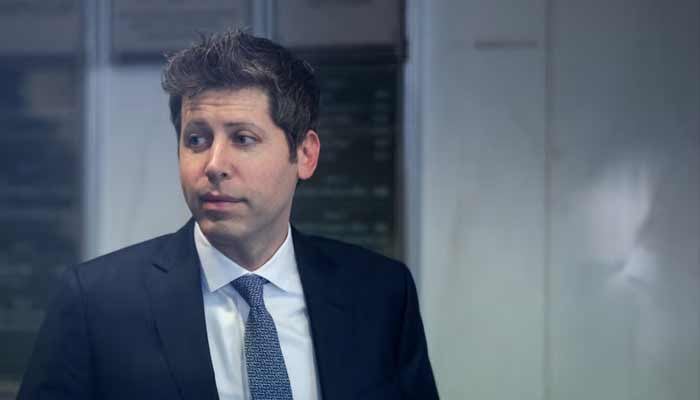
OpenAI Chief Executive Sam Altman on Tuesday rejected Elon Musk’s claim that he betrayed the ChatGPT maker’s founding mission to serve the public good, and said it was Musk who was interested in seizing control of OpenAI and making money from it.
In an August 2024 lawsuit, Musk accused Altman and OpenAI of persuading him into giving $38 million, only to see the nonprofit abandon its mission to benefit humanity and instead become a for-profit corporation.
The trial, now in its third week, may determine the future of OpenAI and its leadership, as it prepares for a possible initial public offering that could value the business at $1 trillion.
Testifying in the Oakland, California, federal court, Altman denied Musk’s contention that he and OpenAI President Greg Brockman, who is also a defendant, tried to “steal a charity.”
Altman said “it feels difficult to even wrap my head around that framing,” and that he hoped that “as OpenAI continues to do well, the nonprofit will do even better.”
Musk, the world’s richest person, is seeking about $150 billion in damages from OpenAI and Microsoft, a major investor, to be paid to an OpenAI nonprofit.
He testified early in the trial, saying: “If you have someone who is not trustworthy in charge of AI, I think that’s a very big danger for the whole world.” Musk also wants Altman and Brockman removed from their roles.
Altman balked at Musk bid for majority control
OpenAI was co-founded in 2015 by several entrepreneurs, including Musk and Altman.
It has tried to show that Musk knew about the for-profit plan prior to leaving its board in 2018, but wanted control of the company, and is suing now because he regrets missing out on potential riches. OpenAI created a for-profit entity in March 2019.
Asked whether Musk opposed the for-profit plan, Altman said “quite the opposite.”
He recalled Musk once demanding a 90% stake in OpenAI, and despite later softening his stance always sought majority control, an idea Altman was “extremely uncomfortable” with.
“I had quite a lot of experience with startups, had seen a lot of control fights,” he said, citing Musk’s SpaceX as an example where founders of well-performing companies consolidated power to ensure permanent control.
Altman also said that while he and other OpenAI leaders wanted to stay on Musk’s good side, he balked at a merger with Tesla, Musk’s electric car company.
“I don’t think we would have had the ability to ensure that (our) mission was acted on,” he said. “Fundamentally, Tesla needs to serve its customers and sell cars.”
OpenAI Chair surprised at Musk takeover bid
The trial marks a clash among tech giants, with Musk portraying himself as a defender of ordinary people from the perils of AI and Silicon Valley titans who care more about money.
It came after OpenAI raised hundreds of billions of dollars from large technology companies and investors to build its computing power, ahead of a potential IPO.
Altman said Musk’s departure sparked mixed feelings within OpenAI. He said some worried it might make funding more difficult, while others were relieved to be freed of Musk’s insistence that researchers regularly defend their work and progress.
“I don’t think Mr Musk understood how to run a good research lab,” Altman said. “He had demotivated some of our most key researchers.”
Bret Taylor, chairman of OpenAI, testified on Tuesday that OpenAI received a formal takeover offer from a consortium led by Musk’s rival company xAI in February 2025, six months after Musk sued.
“I was surprised,” Taylor said. “This proposal was to acquire this non-profit by a group of for-profit investors, which felt contradictory to the spirit of the lawsuit.”
Motives, assurances are debated
Testimony in the trial before US District Judge Yvonne Gonzalez Rogers may conclude this week.
Jurors could begin deliberating whether the defendants are liable by May 18. Rogers would determine any remedies.
Former OpenAI chief scientist Ilya Sutskever testified on Monday that he spent about a year gathering evidence for OpenAI directors that Altman had displayed a “consistent pattern of lying.”
Microsoft Chief Executive Satya Nadella, whose company is a major OpenAI investor, testified on Monday that the investment was a “calculated risk.”
Others who have testified include Brockman, former OpenAI technology chief Mira Murati and Shivon Zilis, a former OpenAI board member who is also mother to four of Musk’s children.
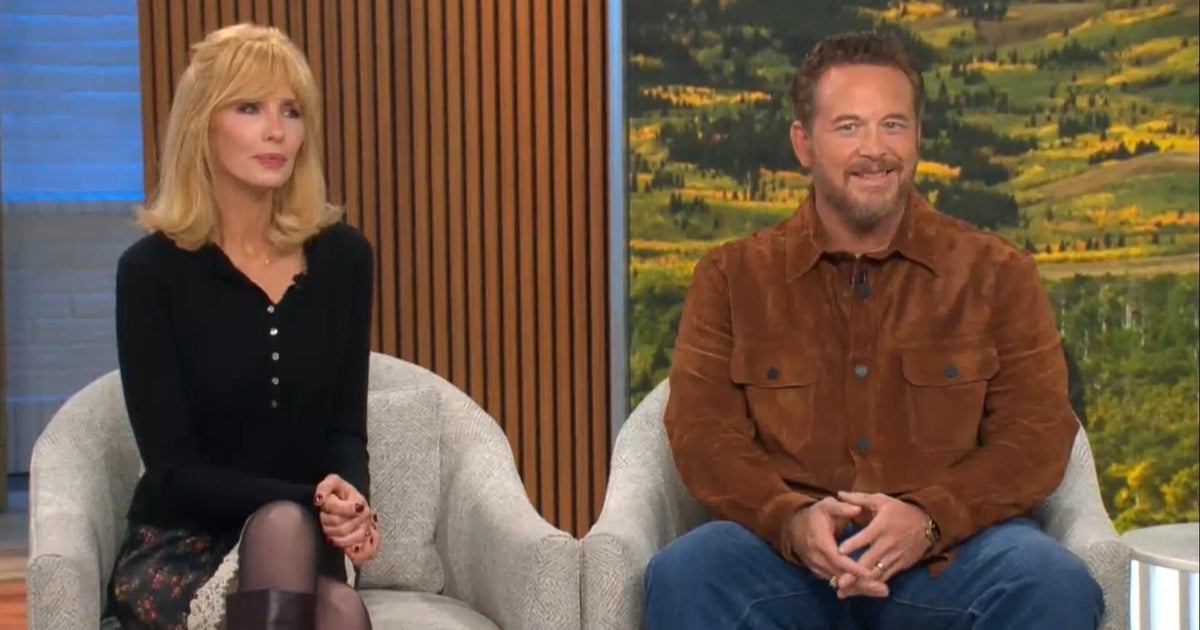
Kelly Reilly and Cole Hauser, the stars and executive producers of “Dutton Ranch,” sit down with “CBS Mornings” to talk about reprising their “Yellowstone” roles for the series spinoff. The series premieres May 15 on Paramount+.
Source link
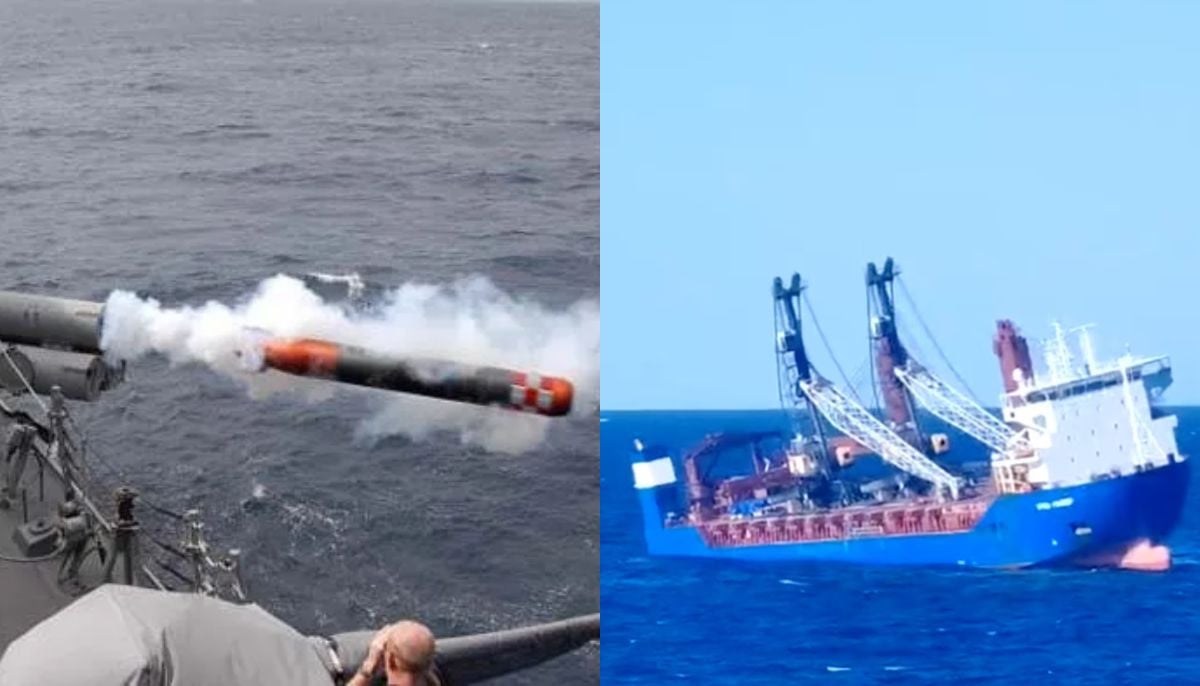
A Russian cargo vessel that sank in the Mediterranean Sea was attacked by a rare supercavitating torpedo.
The weapon is a cigar-shaped vessel that is self-propelled underwater from submarines, surface ships, or aircrafts to destroy other ships or submarines.
Also referred to as “fish,” these vessels operate via electric or thermal propulsion and utilize advanced guidance systems (such as wire guidance or acoustic homing) to attack targets miles away.
The Russian cargo named “Ursa Major” was attacked in December 2024, suffering multiple explosions.
As reported by CNN, the torpedo is possessed by NATO members, Russia, and Iran.
On December 23, the vessel sank before going down roughly 600 miles off Spain’s coast. Resultantly, two crew members were killed; 14 others were rescued.
Experts who studied a 50-by-50-centimeter hole in the ship’s hull suspected that the hole could have resulted from a supercavitating torpedo of the Barracuda class.
Such a weapon uses air bubbles to minimize drag underwater and operate at extreme speed.
The vessel abruptly reduced its speed while passing through Spanish waters on December 22, although nothing was reported by the crew. Around 24 hours later, the survivors reported an explosion near the engine room.
Upon boarding the ship, rescuers found that the engine room doors had been securely shut. Later, further explosions occurred, culminating in the sinking of the ship.
As reported by Spain’s National Seismic Network, four seismic events near the ship were recorded. These events were similar to patterns consistent with underwater explosive devices.
It is also reported that the vessel was heading to North Korea to transport two submarine nuclear reactors.
After the sinking incident, the US WC-135R “nuclear sniffer” aircraft flew over the wreck site twice. A week later, another Russian vessel described by Western officials as an intelligence-linked ship also visited the area.


OpenAI chief Altman says Elon Musk wanted control of ChatGPT maker, denies betrayal

United Airlines flight attendants ratify new contract with 31% raises this summer

Jacob Fatu chooses to acknowledge violence, AAA Mega Championship makes WWE history and more from Raw

-

 Politics1 week ago
Iran weighs US reply delivered via Pakistan as Trump signals opposition to deal terms
-

 Tech1 week ago
DHS Demanded Google Surrender Data on Canadian’s Activity, Location Over Anti-ICE Posts
-
 Business1 week ago
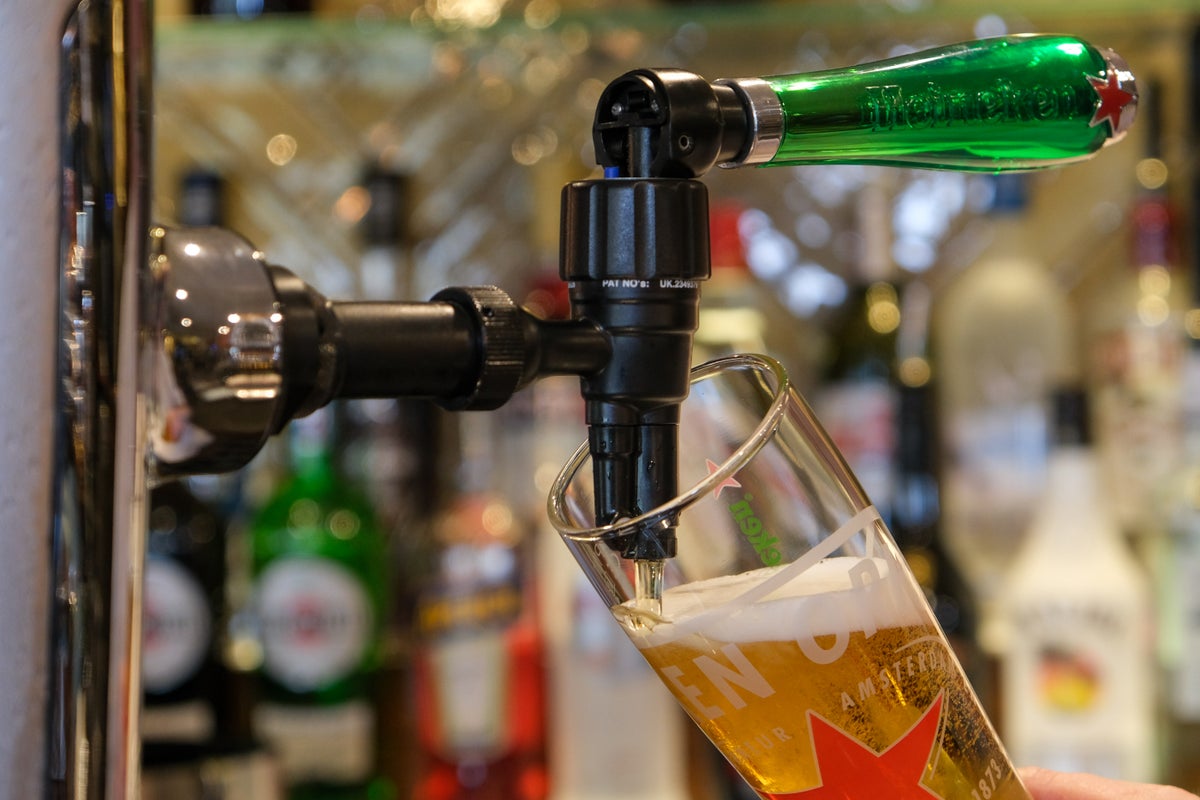
Heineken to invest £44.5m in hundreds of pubs creating 850 jobs
-

 Entertainment1 week ago
Jelly Roll reacts to daughter Bailee Ann’s major life milestone
-
 Business1 week ago
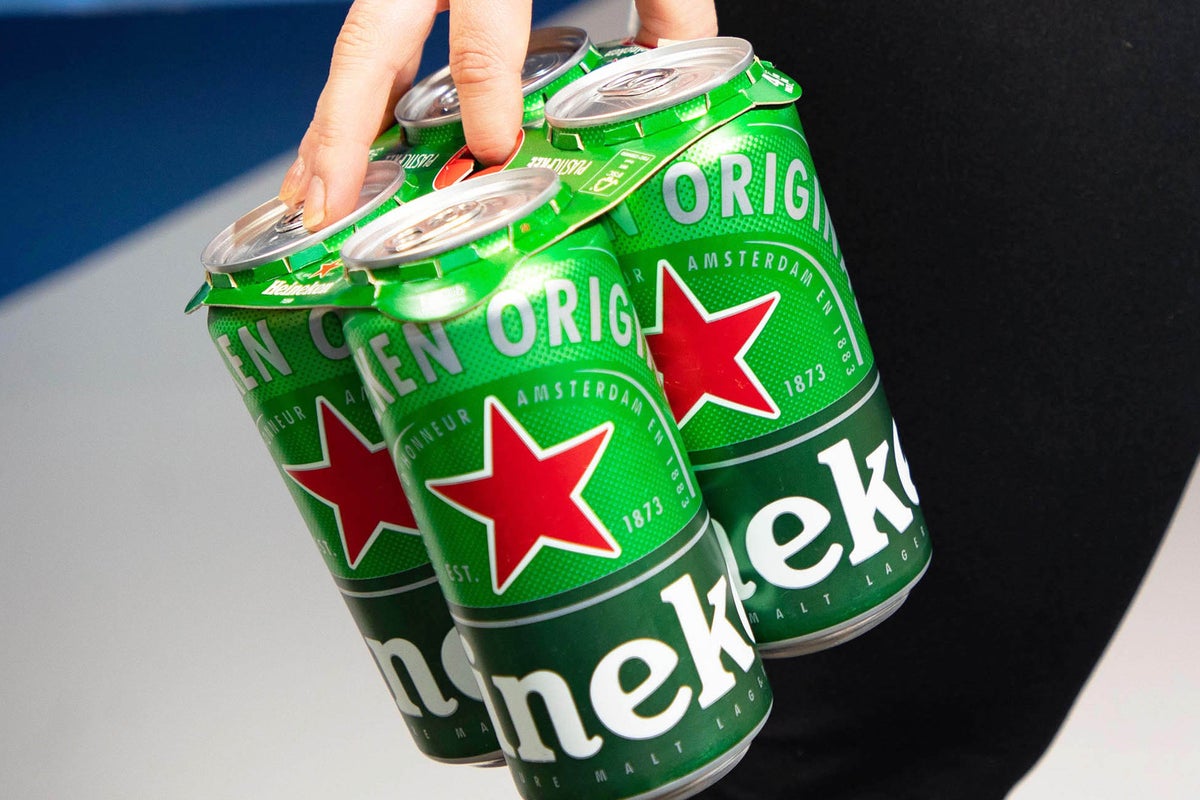
Heineken plans huge investment in hundreds of UK pubs ahead of World Cup
-

 Tech4 days ago
A new frontier: Identity stack evolves for agentic systems | Computer Weekly
-

 Tech4 days ago
‘Orbs,’ ‘Saucers,’ and ‘Flashes’ on the Moon: Pentagon Drops New UFO Files
-
 Business1 week ago
India among most resilient large EMs, better placed for future global shocks; policy reforms & strong buffers help: Moody’s – The Times of India