

Entertainment
Duchess Sophie risks security as she breaks protocol for tragic accident

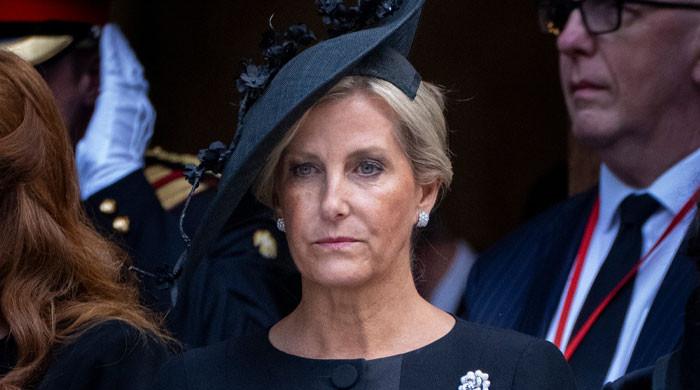
Duchess of Edinburgh was reportedly left in a state of shock as she witnessed a painful accident, nearly breaking royal protocol as it happened.
The 60-year-old royal, who has earned a prominent position with King Charles as his ‘secret weapon’ for the monarchy, has been dragged in an unfortunate court case about an 81-year-old woman, who lost her life in 2023.
A woman named Helen Holland had been crossing the street at Old Bailey when she was hit by the speeding officer, PC Christopher Harrison, part of the motorcycle convoy that was escorting Sophie as she left the Foreign and Commonwealth Development Office.
The officer was given a ‘not guilty’ verdict which garnered an emotional reaction from Helen’s family. One of the family members had yelled, “You ruined our family with no consequences.”
Prince Edward’s wife has remained quiet amid the legal process. She had only released a statement at the time to express her sympathies with the family. She could not comment further due to the ongoing court case.
In a new report by DailyMail, never-before-shared details about Sophie’s reaction were shared in which she nearly broke the protocol for the pedestrian.
For the first time they have detailed the horrific injuries Helen sustained during what Harrison described in court as “a tragic accident”. They also shared that in moments after the collision, the Duchess of Edinburgh tried to leave her vehicle to rush towards Helen.
Meanwhile, Helen’s son Martin and her daughter-in-law, Lisa, are pursuing another legal action not for any compensation but to prove that the beloved great-grandmother “did nothing wrong”.
Duchess of Edinburgh statement via Buckingham Palace
Buckingham Palace released a short statement on Duchess Sophie’s behalf in May 2023.
“The Duchess’s heartfelt thoughts and prayers are with the injured lady and her family,” it read.
“She is grateful for the swift response by the emergency services and will keep abreast of developments. Further comment at this time would not be appropriate while the incident is being investigated.”
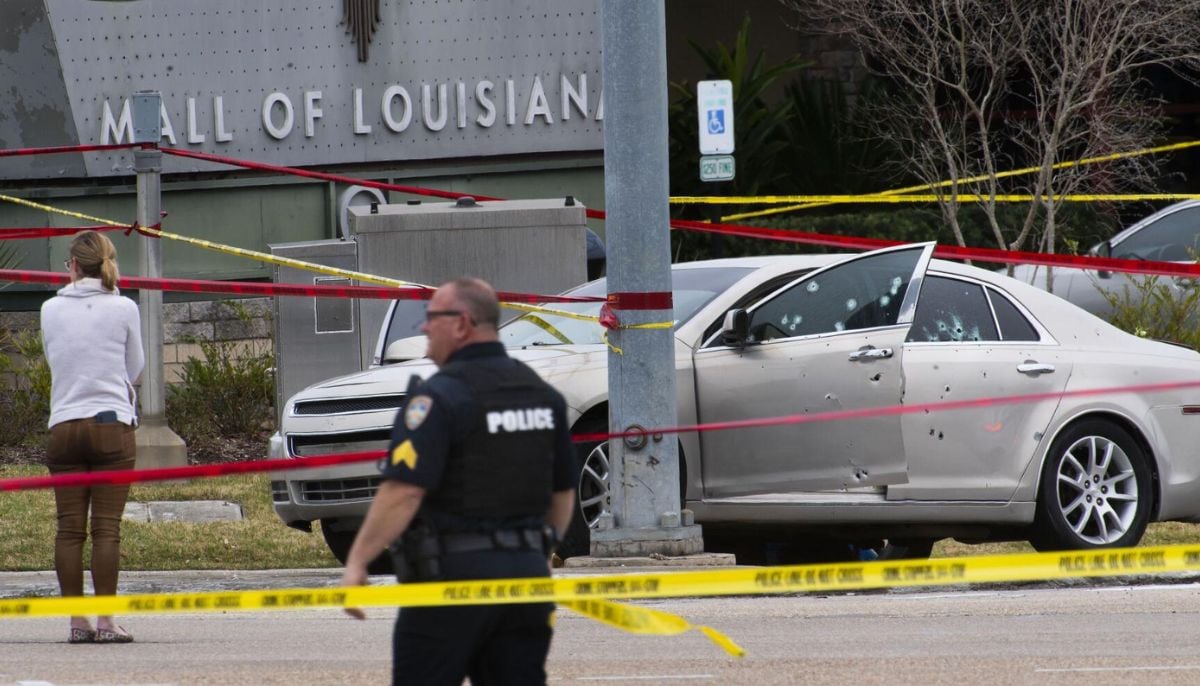
At least 10 people have been hurt in a horrific shooting incident at the Mall of Louisiana. According to the Baton Rouge Police Department, two of the injured are in critical condition.
Police Chief TJ Morse has ruled out any threat to public at this time; however, the shooter remains at large. He added that the incident was not a random act of violence.
Morse said: “Unfortunately there was some innocent people in the area that might have also caught some rounds.”
The initial investigation reveals that an argument between two groups of people sitting inside the food court escalated to the point that opened fire at each other.
Arounf six victims were taken to the hospital by emergency services while the others went for medical aid by personal vehicle. Some of the injured were undergoing surgery.
Officers from the Federal Bureau of Investigation (FBI) were also present at the scene.
East Baton Rogue Mayor-President Sid Edwards was also present on the scene. He updated that all the civilians were excorted out of the building. He requested public to “keep the victims and their families in your prayers.”
Louisiana Governor Jeff Landry also released a statement, saying, “I am aware of the active shooter schene at the Mall of Louisiana.” He urged public to avoid the area, adding, “Sharon and I are praying for those affected.”
He also praised the law officials for their quick response to the incident.
The incident comes just hours after the police arrested a man on his way to Louisiana allegedly with the intent to carry out a mass shooting at a festival in New Orleans.
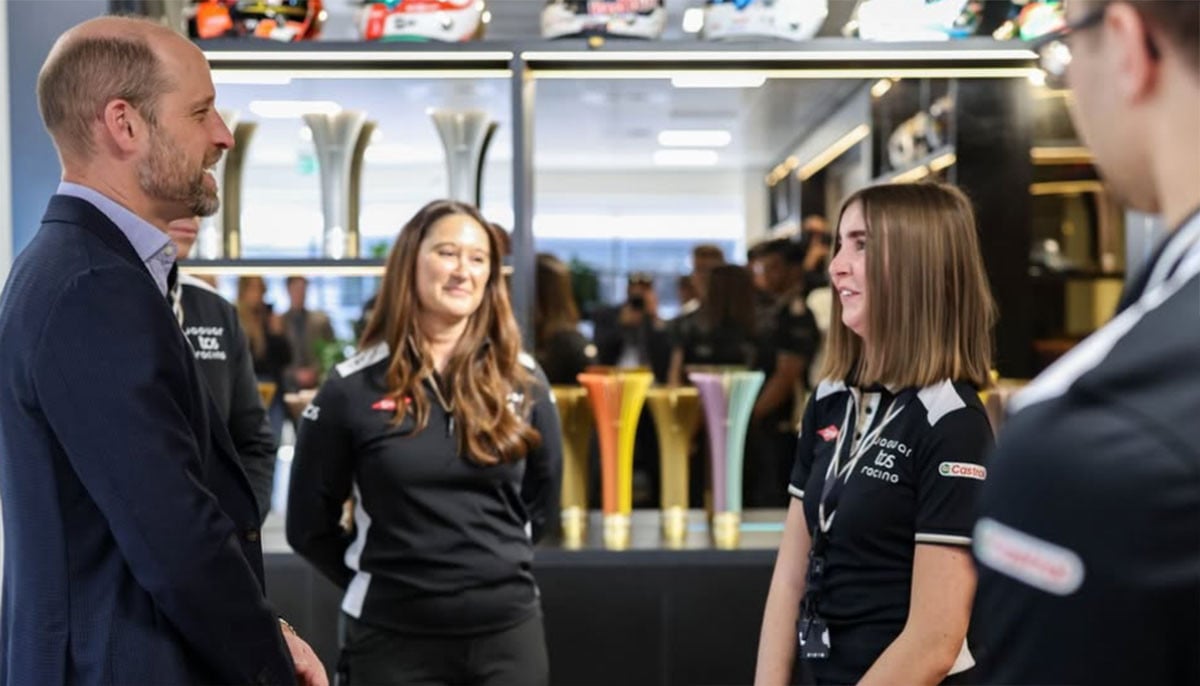
Prince William took a turn behind the scenes of high-speed innovation this week, visiting the headquarters of Jaguar TCS Racing and putting the spotlight firmly on the future of electric motorsport.
Sharing a clip from his visit on Instagram, the Prince of Wales captioned it: “Going green with Jaguar TCS Racing and Formula E!” a nod to the team’s push toward electrification, sustainability.
William also brought his trademark curiosity to the table, joking with engineers about how far automation in racing could eventually go.
Speaking during the visit, he quipped: “At what point does the driver become the weak link?”
Before pushing the thought further: “(At what point do we think) get rid of drivers, we’ll get an AI person in? We’re probably not far off that, are we?”
The Prince also spent time speaking 22-year-old Phoebe Russell, where the conversation turned to careers in motorsport and the barriers still faced by women entering the industry.
William asked: “Was it easy for you to find your way into this world?” to which Russell replied: “Not at all,” explaining she had early exposure to the sport through family connections.
After the visit, Russell admitted the encounter left her overwhelmed, saying: “Being asked to do a little career talk was very exciting.
The fact that he had so much awareness of the sport and so much interest, and it ties into his whole sustainability project, it was very interesting.”
Before leaving, William signed off with encouragement for the team ahead of their next challenge, telling them: “I’m very excited to see you racing, I’m going to cheer you guys on.”
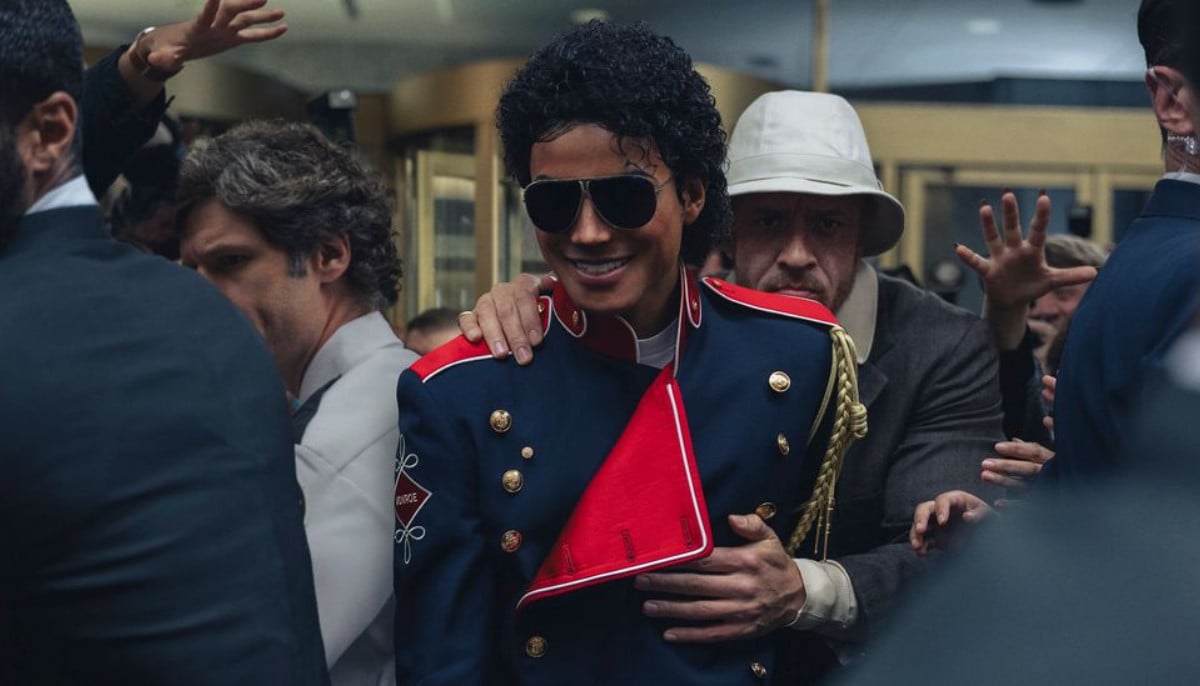
Michael has finally been released on April 24 and it is already getting a lot of attention, with people discussing how the story of Michael Jackson has been shown on screen.
The project has been in talks for a long time. It was first discussed in 2019 and later confirmed in 2022, so fans have been waiting for years to see it.
One of the biggest reasons for interest is that Jackson’s real life nephew Jaafar Jackson is playing him, which made people even more curious about how the film would turn out.
The producer Graham King shared that the goal was to show a fair and balanced version of Michael’s life, explaining the idea was to show him as a real person, not just focus on fame but also his struggles and personal side.
Before the release, some parts of the story got to be changed because of legal restrictions.
That means a few planned scenes were removed or adjusted before the final cut.
Even with all the debate and discussion around the film, early reactions suggest strong interest from audiences.
Many fans around the world are still excited to watch Michael and decide for themselves after seeing it, which is why expectations at the box office remain high.


2 critical out of 10 injured in Baton Rouge, shooter at large

Violations, threats, blockade main obstacle to genuine talks: President Pezeshkian

Fernando Mendoza reveals Tom Brady’s no-nonsense mentorship pledge ahead of NFL Draft

-

 Fashion1 week ago
France’s LVMH Q1 revenue falls 6%, shows resilience amid Iran war
-

 Entertainment1 week ago
Is Claude down? Here’s why users are seeing errors
-

 Sports1 week ago
PSL 11: Peshawar Zalmi win toss, opt to field first against Quetta Gladiators
-

 Tech1 week ago
The Deepfake Nudes Crisis in Schools Is Much Worse Than You Thought
-
 Business1 week ago
Standard Life buys rival in £2b deal to create savings giant
-

 Tech1 week ago
CYBERUK ’26: UK lagging on legal protections for cyber pros | Computer Weekly
-

 Sports1 week ago
World Cup kit ranking: Which teams will look best in 2026?
-
 Business1 week ago
PepsiCo earnings beat estimates as North American food business improves