

Business
Economic gains derailed by ME war | The Express Tribune


Trucks drive past cargo shipping containers at the Evergreen shipping terminal at the Port of Los Angeles in Los Angeles, California on September 13, 2025. The US Supreme Court ruled on February 20 that Donald Trump exceeded his authority in imposing a swath of tariffs that upended global trade, blocking a key tool the president has wielded to impose his economic agenda. Photo: AFP
KARACHI:
While your assessment was originally sailing smoothly towards a trajectory of sustainable economic growth – clocking 4% this year and eyeing 5% for the next – the path has been upended. The short?term plan to conclude the International Monetary Fund (IMF) programme, bolster dollar reserves and spur growth through consumption-led relief in the final budgets of the current political setup has been derailed by the outbreak of the US-Iran conflict.
What was initially perceived as a two-week skirmish has now stretched into two months. With the US administration preparing for a prolonged naval blockade and implementing fresh military measures, the impact of surging oil and LNG prices is battering low-income nations, including Pakistan. Had Pakistan’s peace overtures succeeded, the country would currently have been enjoying an economic breather and significant diplomatic goodwill.
Instead, a months-long blockade of the Strait of Hormuz threatens to dismantle Pakistan’s economic outlook. The fallout includes spiking inflation, further interest rate hikes, a 0.5-1% contraction in growth, and the looming risk of currency depreciation. Additionally, energy uncompetitiveness is stifling exports and fuelling unemployment, forcing capital back into banks rather than long-term industrial formation.
In this climate of triple-digit oil prices, the government must double down on – and perhaps even tighten – austerity measures to curb fuel consumption. Rapidly accelerating the adoption of electric bus public transport is the most effective way to provide relief to the masses while slashing the national fuel bill in the short-to-medium term.
If the government maintains a low petroleum development levy and misses tax targets, it compromises the sustainable goal of increasing the FBR’s tax-to-GDP ratio to 13-15%. Consequently, the state must aggressively widen the tax base. While provincial resistance has stalled agricultural taxes, the ‘black economy’ must be fairly and firmly targeted.
Relief should now pivot towards the formal sector. Salaried individuals deserve lower taxes and reinstated tax credits, alongside the phasing out of the super tax and reduced corporate rates for compliant companies. To encourage formalisation, small and medium enterprises listing on the Pakistan Stock Exchange should receive long-term tax incentives.
Furthermore, real estate policy must shift: incremental taxes should discourage speculative plot purchases, while lower taxes should incentivise the purchase of houses and apartments. Extending the Prime Minister’s Housing Scheme limit from Rs10 million to Rs15 million could also absorb underutilised capacity in the cement, steel and glass sectors.
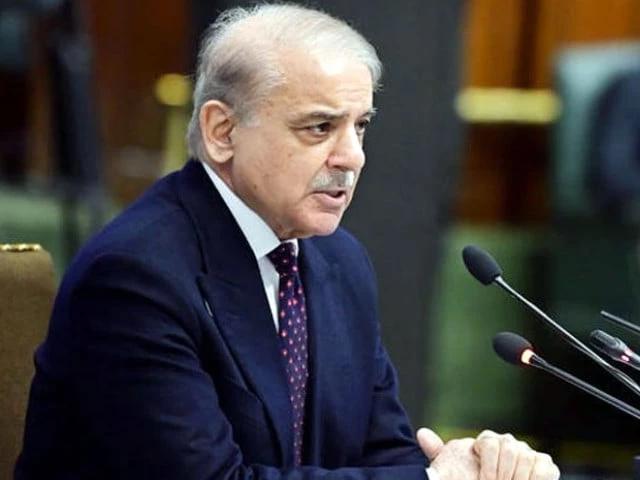
The prime minister highlighted that the weekly energy import bill surged from $300 million to $800 million at the war’s peak. Even with demand destruction, an additional $700 million in imports coupled with a $200 million dip in remittances could push the current account into an $8-10 billion deficit. The State Bank of Pakistan is rightly proactive, raising rates by 1% to curb inflation and preserve the currency – avoiding the systemic mistakes made during the shocks of 2008 and 2021.
However, defensive measures are not enough. We require a “whole-of-government” approach characterised by the same panic and dedication seen in wartime. Weekly, prime minister-led monitoring of “export and investment-led growth” is essential. There is no other way for Pakistan to punch according to its geopolitical weight than to achieve true strategic autonomy.
While Saudi Arabia’s timely $3 billion intervention helped settle bilateral debt with the UAE, the focus must now shift to repaying $10-12 billion to China and Saudi Arabia over the next few years through earned exports and foreign direct investment. This structural overhaul is even more critical than navigating the immediate oil shock.
Transitioning the informal economy into the formal fold using a “carrot-and-stick” approach must begin today with public awareness. We must identify and activate underutilised capacity across all sectors – from textile and IT to minerals and pharmaceuticals.
Leveraging the Roshan Digital Account to tap overseas capital for “big ticket” infrastructure, AI research and refinery upgrades must be prioritised weekly. These efforts cannot be buried in endless committees or static presentations.
Pakistan’s military prowess and intellectual talent far exceed what is suggested by its low GDP per capita and high debt. Currently, the nation survives on only 10% of its productive potential. By doubling that and managing population growth, Pakistan could join the top 10 global economies within two decades.
Twenty years is a short window in history, but it requires an unwavering indoctrination of economic growth among policymakers and the public. We must think beyond the next election to become the economically shining, strategically autonomous nation our founders envisioned.
THE WRITER IS AN INDEPENDENT ECONOMIC ANALYST




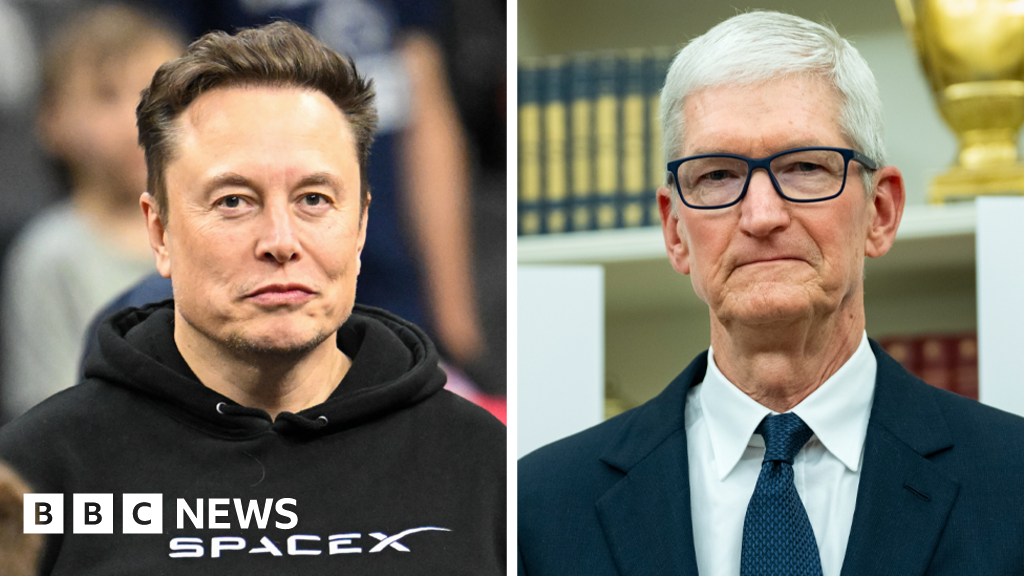
A total of 17 US executives are set to join the president on his visit, where he will meet his Chinese counterpart Xi Jinping.
Source link

The General Motors global headquarters in Detroit, Jan. 12, 2026.
Jeff Kowalsky | Bloomberg | Getty Images
DETROIT – General Motors is laying off hundreds of salaried employees in its information technology operations as the automaker reevaluates its workforce needs and cuts costs, CNBC has learned.
The global reductions began Monday and will impact about 500 to 600 employees, largely in Austin, Texas, and Warren, Michigan, according to a person familiar with the plans who was not authorized to speak publicly about the reductions.
GM confirmed the cuts, which were first reported by Bloomberg News, but declined to give specific details about the actions.
“GM is transforming its Information Technology organization to better position the company for the future. As part of that work, we have made the difficult decision to eliminate certain roles globally. We are grateful for the contributions of the employees affected and are committed to supporting them through this transition,” the automaker said in an emailed statement.
GM reported employing about 68,000 salaried workers globally as of the end of last year, including 47,000 white-collar workers in the U.S.
The Detroit automaker in recent years has routinely re-evaluated its salaried workforce. In October, GM laid off more than 200 Computer-Aided Design, or CAD, engineers due to “business conditions.”

Advertisers will be hearing about the slate of live events in the coming year — and how AI is being integrated. Plus, media consolidation reshapes the lineup.
Source link


Mahmood, Lammy among senior ministers urging UK PM Starmer to weigh exit: report

Aaron Rodgers never met with Steelers despite rumor-filled weekend as QB’s decision remains up in air
[CinePlex360] Please moderate: “DOJ Issued Seiz

-
 Politics1 week ago
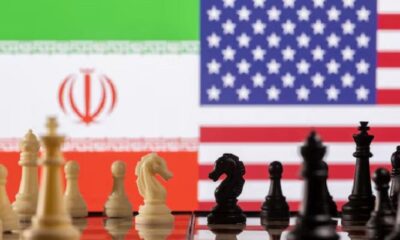
Iran weighs US reply delivered via Pakistan as Trump signals opposition to deal terms
-

 Fashion1 week ago
US cotton export sales show strong recovery, Upland rise 36%
-

 Tech1 week ago
DHS Demanded Google Surrender Data on Canadian’s Activity, Location Over Anti-ICE Posts
-
 Business1 week ago
Heineken to invest £44.5m in hundreds of pubs creating 850 jobs
-

 Fashion1 week ago
Middle East conflict clouds India’s FY27 GDP forecast of 7-7.4%: Govt
-

 Politics1 week ago
Two women die on migrant boat seeking to reach UK
-

 Entertainment1 week ago
Jelly Roll reacts to daughter Bailee Ann’s major life milestone
-

 Entertainment1 week ago
Passage: In memoriam