

Business
Eli Lilly hikes price of diabetes drug Mounjaro in UK as Trump pressures pharma to align drug costs


Mounjaro manufactured by Eli Lilly and Company packaging is seen in this illustration photo taken in a pharmacy in Krakow, Poland on April 9, 2024.
Nurphoto | Nurphoto | Getty Images
Eli Lilly on Thursday said it is raising the list price of its blockbuster diabetes drug Mounjaro in the U.K. starting in September, as President Donald Trump pressures drugmakers to lower U.S. drug prices and hike them abroad.
In a statement, Eli Lilly said it reached an agreement with the U.K. government to increase the list price of the weekly injection, while “maintaining access” for patients covered under the publicly funded health-care system, the National Health Service, or NHS.
Eli Lilly told CNBC that the price hike will not affect the drug’s availability under NHS, and it wants to work with the government to boost access. The company added that it does not determine prices that private health-care providers set, but is working with them to ensure access to Mounjaro.
In a statement on Thursday, NHS said Mounjaro’s list price increase “will not affect NHS commissioning of tirzepatide in England for eligible people living with obesity, based on clinical priority, or as a treatment for type 2 diabetes.” Tirzepatide is the active ingredient in Mounjaro and its counterpart for weight loss, Zepbound.
Mounjaro’s current list price in the UK ranges from £92 (about $124.89) to £122 a month, depending on the dose size, according to Eli Lilly. The drug’s new list price will increase to between £133 and £330 starting on Sept. 1.
The company added that it is working with certain governments and expects to make pricing adjustments in those countries by that date. In the U.S., the list price for a month’s supply of Mounjaro is $1,079.77 before insurance and other rebates.
Eli Lilly said it supports the Trump administration’s goal of keeping the U.S. the “world’s leading destination for biopharmaceutical research and manufacturing, and the objective of more fairly sharing the costs of breakthrough medical research across developed countries.”
“This rebalancing may be difficult, but it means the prices for medicines paid by governments and health systems need to increase in other developed markets like Europe in order to make them lower in the US,” the company said in the statement.
The announcement comes after Trump in July sent separate letters to 17 drugmakers, including Eli Lilly, calling on them to take steps to lower drug prices by Sept. 29. The move built on the president’s executive order in May reviving a controversial plan – the “most favored nation” policy – that aims to slash drug costs by tying the prices of some medicines in the U.S. to the significantly lower ones abroad.
U.S. prescription drug prices are two-to-three times higher on average than those in other developed nations – and up to 10 times more than in certain countries, according to the Rand Corp., a public policy think tank. Trump has said he wants to narrow that gap to stop Americans from being “ripped off.”
Eli Lilly’s announcement on Thursday comes as the industry braces for Trump’s planned tariffs on pharmaceuticals imported into the U.S. In its statement, the company said it opposes those tariffs, arguing they will “raise costs, limit patient access, and undermine American leadership, especially for companies already investing heavily in domestic manufacturing.”
In recent months, Eli Lilly was among several drugmakers to announce new plans to invest in U.S. manufacturing sites.



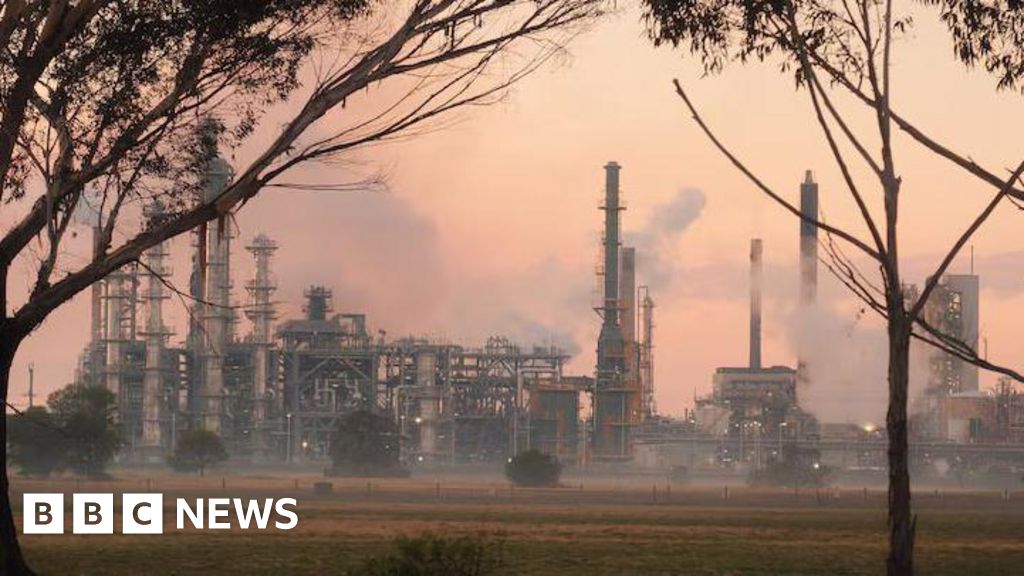
The fire has deepened fears over the nation’s petrol supplies amid a global crunch.
Source link
Business
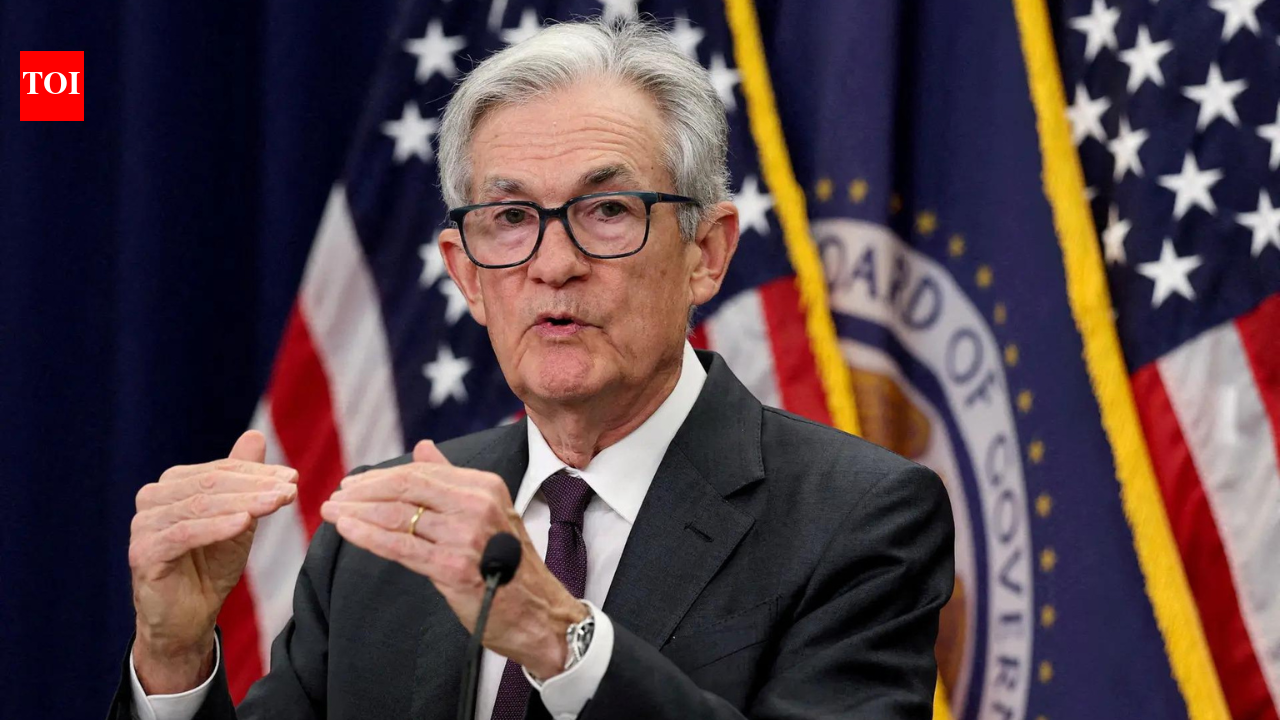
SIA chief set to meet Tata Sons and AI chairman N Chandrasekaran today – The Times of India
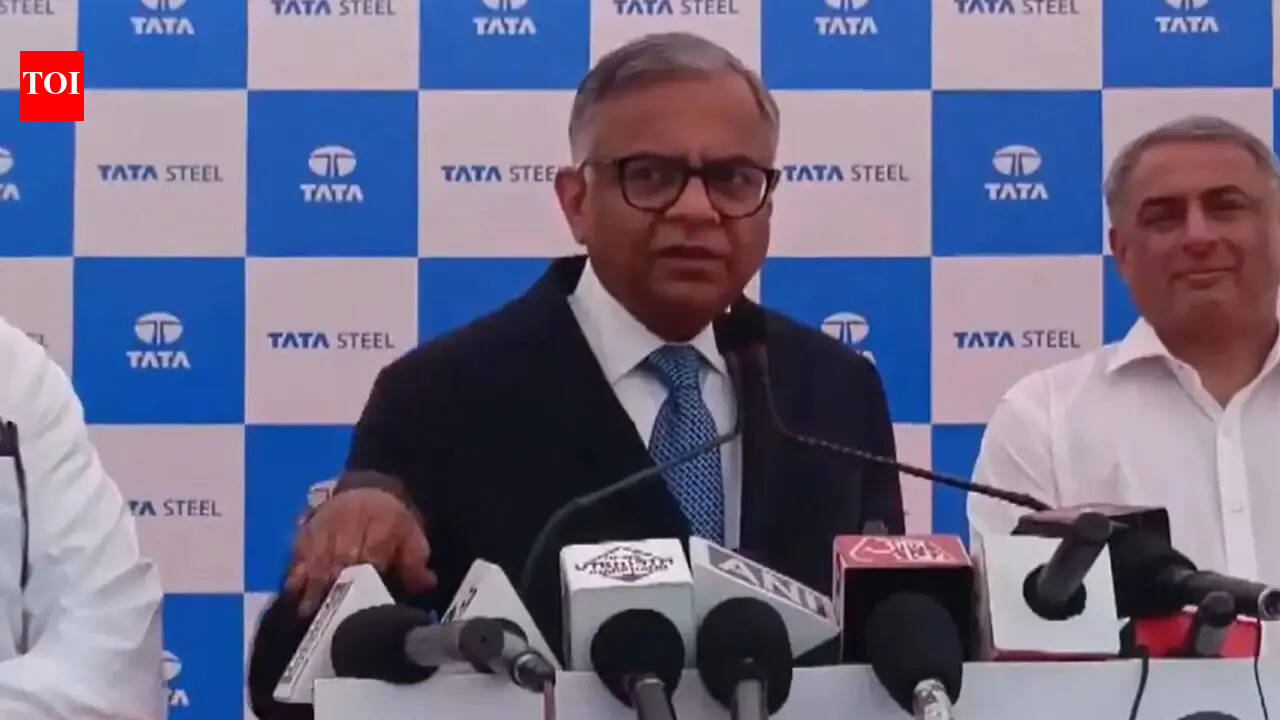
MUMBAI/ NEW DELHI: Air India’s mounting losses and operational issues are leading to serious concerns among both its parent groups. Goh Choon Phong, CEO of Singapore Airlines (SIA, which has a 25.1% stake in AI) is in Mumbai and is expected to meet Tata Sons and AI chairman N Chandrasekaran on Thursday.The meeting comes in the backdrop of AI scouting for a new CEO after the resignation of incumbent Campbell Wilson. The airline is also staring at a loss of over Rs 22,500 crore in FY 2026 and has sought fresh fund infusion from Tata and SIA. The Ahmedabad crash last June and the continued closure of Pakistan airspace since Operation Sindoor, followed by US-Iran war since Feb 28, made things worse for the already deep-in-losses Maharaja.AI did not comment on the likely losses for last fiscal and whether it has sought fund infusion from the promoters. While reviving AI, which spent its last few years as a PSU in abject penury till Tata acquired it along with AI Express on Jan 27, 2022, was never expected to be easy, the slow pace of change and mounting losses, have now put the strain on promoters.While SIA is seeing its profits decline due to AI losses, Tata Sons is under pressure over mounting losses of its new unlisted ventures, especially AI and Tata Digital. Addressing their concerns and sending a clear message to AI employees, Chandrasekaran had last week told them to “be precise on costs and remain grounded in the reality of the situation”.People in the know said Tatas knew turning around AI would be tough. That’s why they did not bid for the airline in 2018. The terms changed in 2021 in the second round and they successfully bid for it, with Ajay Singh of struggling-to-survive SpiceJet being the other bidder. “There is serious concern in SIA over both financial and reputational loss that AI is causing. Whether Thursday’s meeting between Choon Phong and Chandra is to decide on the new CEO or the hiccups AI is facing, will be discussed threadbare. There is also talk of SIA planning to pull out of AI but that seems unlikely,” said a person in the know.
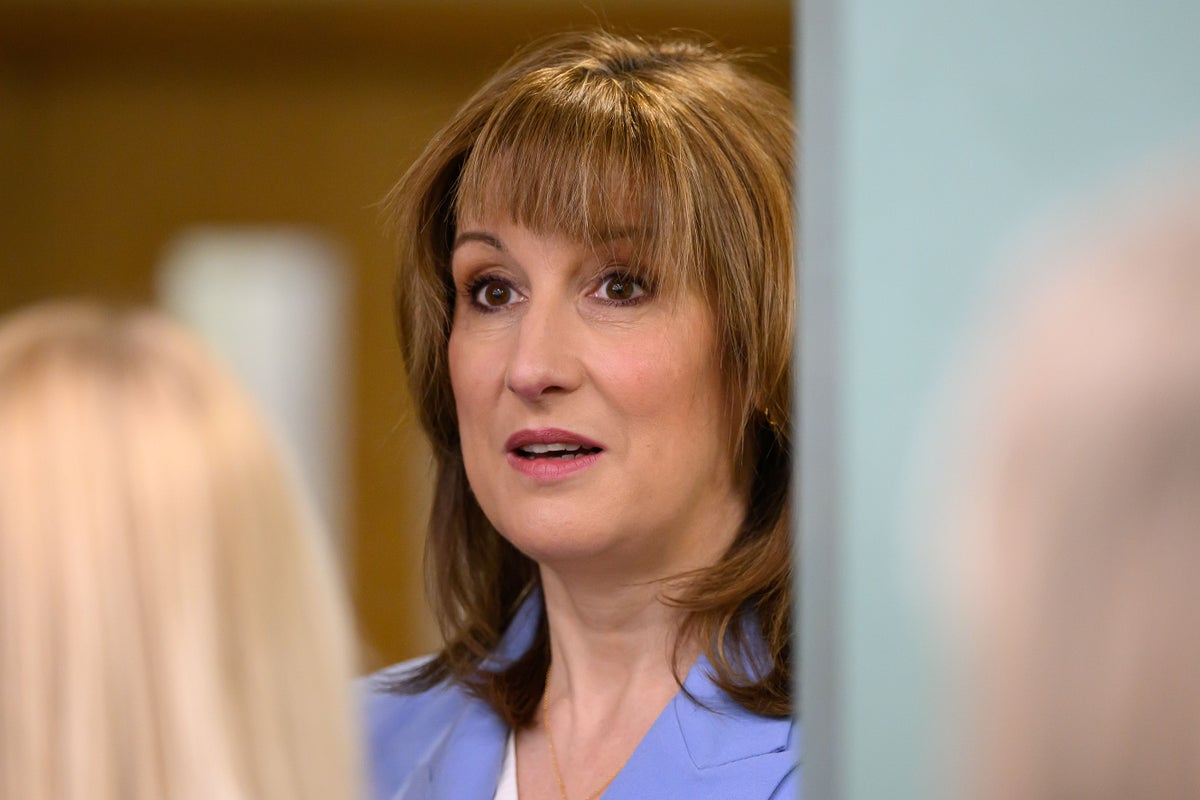
Rachel Reeves has expanded plans to cut electricity bills for thousands of UK manufacturing firms as she continues talks in Washington focused on the economic fallout from the Iran conflict.
The Chancellor, who is in Washington for the International Monetary Fund (IMF) spring meetings, said the plan will help UK businesses compete and create jobs despite the uncertain economic backdrop.
During her trip, she has stepped up criticism of US-Israeli military action in Iran, saying war was a “mistake” and has not made the world a safer place.
Her comments came as she was due to meet US treasury secretary Scott Bessent, who has referred to the impact of the war as “short-term volatility for long-term gain” which he said would prevent Tehran developing a nuclear weapon.
Ms Reeves also cautioned against knee-jerk responses to the cost-of-living crisis triggered by the war in a joint statement with international counterparts at the IMF.
In a bid to help businesses hit by rising costs, a plan announced last summer to cut electricity bills by up to 25% for more than 7,000 UK businesses will be expanded to cover 10,000 firms.
The British Industrial Competitiveness Scheme (BICS) will cut costs by up to £40 per megawatt-hour from 2027 by exempting businesses from certain extra charges that currently support green energy and back-up power supply systems.
An additional one-off payment in 2027 will be given to an extra 3,000 businesses, including companies in the automotive, aerospace, steel and pharmaceuticals sectors.
The Government said it will also cover the support firms would have received if the BICS had been in place from this month.
The scheme is expected to be worth up to £600 million per year from next April.
Ms Reeves said: “This Government has the right plan for the economy: backing British industry, cutting electricity costs and building a stronger, more resilient future.
“Today’s announcement will cut energy bills for over 10,000 manufacturers, helping businesses to compete, win and create good jobs across the country, and to deliver our modern industrial strategy.”
Business Secretary Peter Kyle said: “We are a Government of action, and when global instability puts businesses under pressure we’ll always do what’s needed to support them and ensure Britain’s resilience.
“By extending the reach of BICS by 40%, we’re acting decisively to tackle the number one issue that businesses face head-on.”
Household energy bills are forecast to increase this year because of the conflict pushing up global oil and gas prices, while motorists are already feeling the impact of higher costs at the pump.
Ms Reeves has signalled that any energy bill help this year will be targeted at the poorest households, rather than a universal bailout of the type offered by Liz Truss when she was prime minister after the Russian invasion of Ukraine.
The White House has said talks are ongoing about holding fresh face-to-face negotiations between the US and Iran and that Washington had not yet formally requested an extension of the ceasefire due to expire next Tuesday.


Man City mark Pep Guardiola’s decade as manager with clothing range

PM hails Saudi economic support, highlights US-Iran peace efforts in MBS meeting
Geelong fire: Blaze at Australian oil refinery to impact petrol supplies

-

 Fashion1 week ago
India’s exports face reset as EU links trade to carbon metrics: EY
-

 Entertainment1 week ago
Lamar Odom shocking response to Khloé Kardashian account of his overdose
-

 Entertainment1 week ago
Queen Elizabeth II emotional message for Archie, Lilibet sparks speculation
-

 Tech1 week ago
Azure customers up in arms over ‘full’ UK South region | Computer Weekly
-

 Tech1 week ago
As the Strait of Hormuz Reopens, Global Shipping Will Take Months to Recover
-

 Fashion1 week ago
CII submits 20-pt agenda to Indian govt to back firms hit by Iran war
-

 Tech7 days ago
This AI Button Wearable From Ex-Apple Engineers Looks Like an iPod Shuffle
-

 Politics6 days ago
Indian airlines hit hardest after Dubai limits foreign flights until May 31