

Fashion
Erdem, de Savary open key London pop-ups, J&M Davidson takes Burlington Arcade space

Published
August 27, 2025
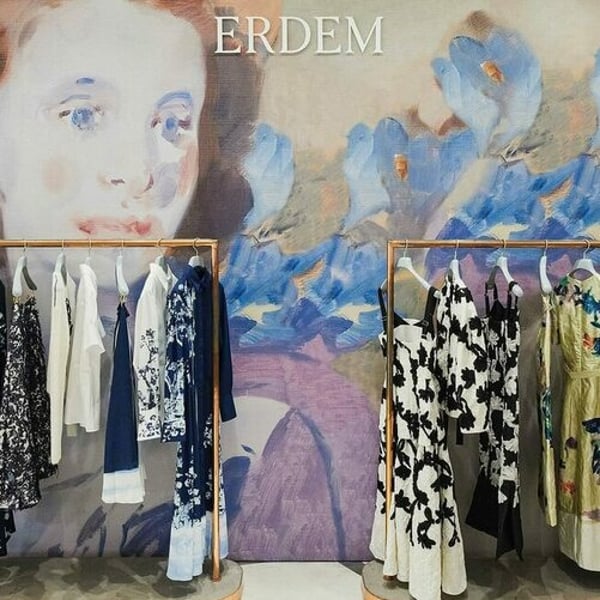
Erdem has opened an immersive pop-up installation at Selfridges London until mid-September as the British luxury brand preps for SS26 runway show at London Fashion Week on September 21.
The second floor atrium installation “presents a visual dialogue between fashion and art”, with a curated selection of ready-to-wear and accessories from Erdem’s Pre-Fall 2025 and AW25 collections.
It explores the inspiration behind the brand’s Autumn/Winter 2025 runway collection, created in collaboration with British contemporary artist, Kaye Donachie.
“Erdem’s language of poetic and modern femininity, and Donachie’s dreamlike painterly style” shape the atmosphere of the space, we’re told.
Large-scale printed panels feature Donachie’s expressive artwork, including reimagined portraits of Erdem’s mother. Plinths are delicately wrapped in details of Donachie’s abstract paintings “which become sculptural displays for encased jewellery and the Bloom bag”, available for the first time at Selfridges.
And in a “world-first” for de Savary London, the digital luxury outerwear brand has opened a pop-up store on the capital’s King’s Road, with landlord Sloane Stanley Estate reinforcing its reputation as a go-to destination for brands looking to trial physical retail.
The temporary store, which will open until the end of the year, covers a 1,644 sq ft space, featuring its full collection of leather jackets, wool coats, tops, and trousers.
This will be the brand’s first bricks-and-mortar presence giving its customers a “unique opportunity to shop the brand in person”.
Brand founder Natasha de Savary added: “The King’s Road is the perfect location for our first ever physical retail presence. de Savary London is defined by its craftsmanship and timeless design, and opening here, alongside such inspiring brands and with the support of Sloane Stanley, feels like a natural next step for us.”
This latest opening reflects a busy year of retail and pop-up activity across the Sloane Stanley Estate, which continues to attract digitally native brands exploring physical retail. Recent debut pop-ups include women’s fashion brand Minka Dink, which returned to the King’s Road for its second Chelsea pop-up, alongside other standout names such as Addison Ross, KayaNuka and Wiggy Kit.

Back into central London, accessories brand J&M Davidson has opened a flagship boutique within the prestigious Burlington Arcade.
It’s a permanent space designed by Milan-based architects Cotti & Trolese, the store’s “intentionally muted style… embraces a design language of restraint and subtle sophistication” to display its collection of bags and belts that fuse “British heritage and French elegance”.
Copyright © 2025 FashionNetwork.com All rights reserved.









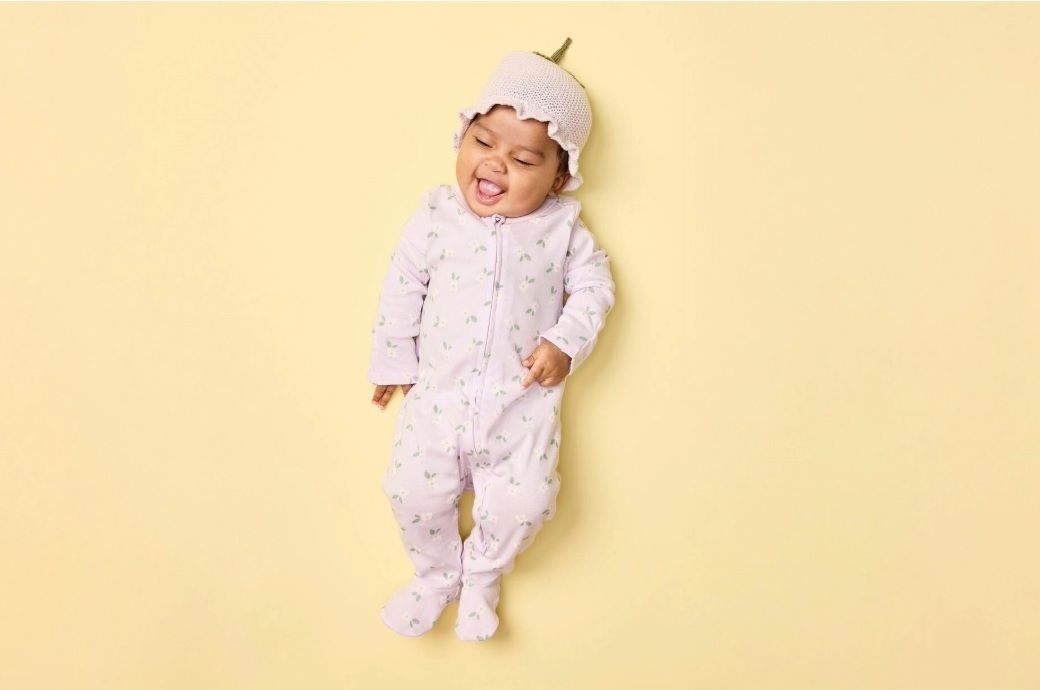
“We designed this collection with parents in mind. Shopping for a newborn, as a gift or for your own, should feel joyful and easy. Everything is intended to be mixed together and matched — it’s fun, it’s emotional, and the value is incredible.”. – Sarah Holme, Head of Design & Product Development for Old Navy.
Old Navy has introduced Little Navy, a new collection of newborn essentials designed to simplify early-stage shopping and gifting.
The range includes layettes, hats, booties and mix-and-match basics in soft, seasonless colours and cosy fabrics.
Sized for babies up to 24 months, the line focuses on comfort, versatility, emotional appeal and strong value for modern parents.
Little Navy goes beyond onesies, offering layettes, hats, booties, and more, all in one convenient collection and no extra searching required. It features a soft, seasonless color palette, cozy fabrics, and versatile styles made for newborns and babies up to 24 months, with sizing that allows Little Navy to grow with baby.
Note: The headline, insights, and image of this press release may have been refined by the Fibre2Fashion staff; the rest of the content remains unchanged.
Fibre2Fashion News Desk (RM)
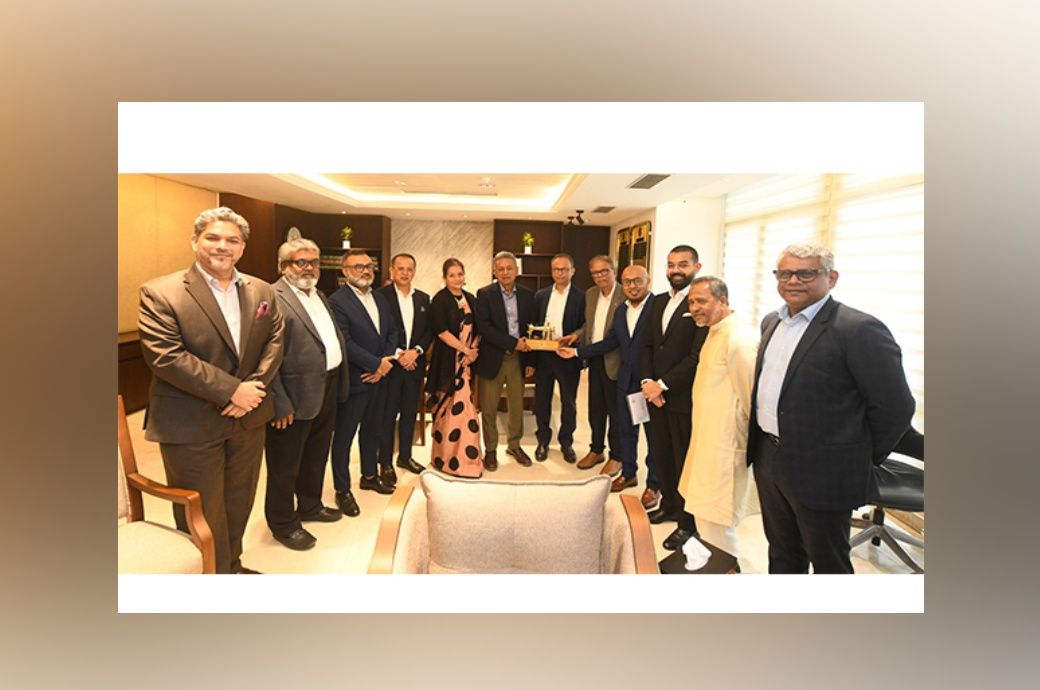
They said bank audit procedures have stalled numerous applications. Around Tk 57 billion in incentives for the textile and apparel sector remain unsettled in fiscal 2025-26, creating acute liquidity pressure and affecting exports.
Bangladesh trade body BGMEA representatives recently met Finance Minister Amir Khasru Mahmud Chowdhury and urged him to release pending cash incentives without waiting for quarterly release schedules and simplify the disbursement process.
They said bank audit procedures have stalled numerous applications.
They also raised concerns over loan rescheduling and working capital.
The authorities were requested to disburse incentives upon application submission instead of waiting for quarterly release schedules, according to a release from the trade body.
BGMEA vice president Mohammad Shihab Uddoja Chowdhury raised concerns over loan rescheduling and working capital. He said banks often reschedule loans to maintain non-performing loan ratios, but fail to provide the working capital factories need to resume operations.
He proposed that banks pair rescheduling with working capital support to create a win-win outcome, allowing factories to operate and repay loans. The finance minister agreed with the proposal.
BGMEA leaders also called for business facilitation and lower operational costs to help Bangladesh remain competitive in the global market. They sought policy support to remove obstacles in customs, ports and other administrative layers and to ensure an investment-friendly environment.
Fibre2Fashion News Desk (DS)

Bangladesh think tank Centre for Policy Dialogue has called for major reforms in business environment, tax collection, trade deals and FDI management, cautioning that the country’s post-election economic transition may be at risk without evidence-based decisions and strong accountability.
A CPD study identified ‘leaking revenue’ as the weakest area across all decision-making indicators.
Source link


MLS Power Rankings: Miami surge after comeback win

Billie Eilish crawls into her past with Justin Bieber
Brewdog: Bars close and hundreds lose jobs as beer firm sold in £33m deal

-
 Business6 days ago
Households set for lower energy bills amid price cap shake-up
-

 Entertainment1 week ago
Talking minerals and megawatts
-
 Business6 days ago
Lucid widely misses earnings expectations, forecasts continued EV growth in 2026
-
 Business1 week ago
Haryana Govt bars IDFC First Bank, AU Small Finance Bank over alleged Rs 590 crore fraud
-

 Sports7 days ago
Top 50 USMNT players of 2026, ranked by club form: USMNT Player Performance Index returns
-

 Sports1 week ago
Eileen Gu comments on Alysa Liu’s historic gold medal
-

 Entertainment1 week ago
Hailee Steinfeld shares big life update amid excitement for baby’s arrival
-

 Politics1 week ago
Supreme Court ruling angers Trump: Global tariffs to rise from 10% to 15%