

Fashion
EU de minimis exemptions, new customs duties to affect UK bizs: BCC


The EU move primarily targets parcels arriving through e-commerce channels that currently benefit from duty-free entry.
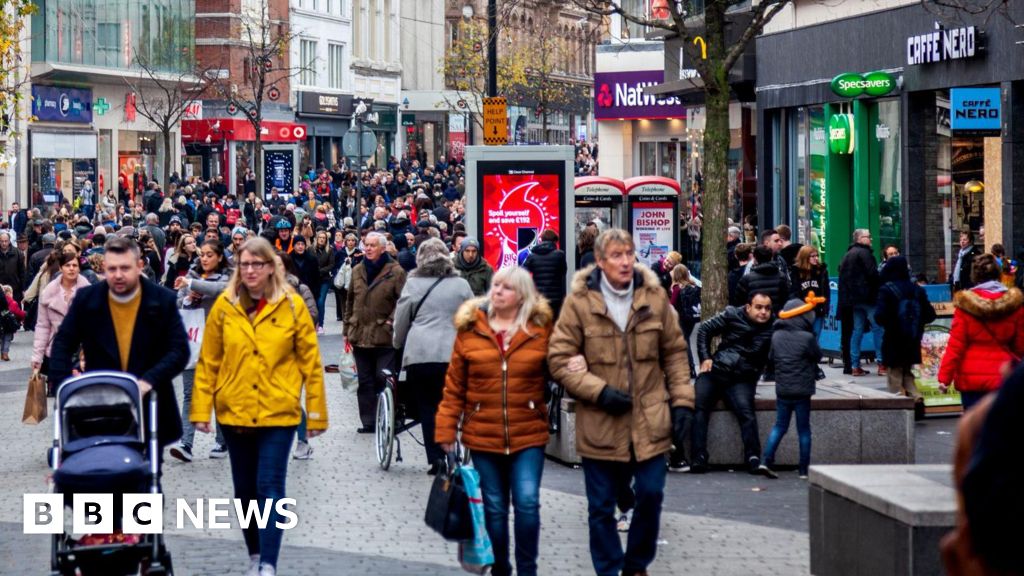
Reacting to the EU decision on de minimis exemptions and new customs duties starting July 1, 2026, the British Chambers of Commerce said the decision to charge a flat customs duty of €3 on each commodity code for consignments worth less than €150 will significantly affect UK businesses.
It will make British goods less attractive to both businesses and people in the EU and squeeze profit margins, it noted.
“Although UK-originating products will still be tariff free, they will now face customs fees and potentially separate handling charges levied by individual EU countries,” William Bain, BCC head of trade policy, said in a statement.
“This extra cost will make goods from Great Britian less attractive to both businesses and people in the EU and squeeze profit margins,” he observed.
Major EU customs reforms are due to come into force from January 2028, and the UK government is consulting on the scheme for abolishing the UK de minimis threshold from 2029, he said.
“The government must now consider wider customs reforms and the introduction of a Single Trade Window to ease costs for our firms. It will also need to review the impact of these EU changes on customs rules between Great Britain and Northern Ireland,” he added.
EU officials said the measure aims at addressing unfair competition faced by EU sellers, alongside concerns over consumer health and safety, widespread fraud, and environmental impact linked to high volumes of low-value imports. Around 93 per cent of e-commerce flows into the EU are expected to fall under the scope of the new duty, the European Council said in an earlier press release.
The €3 rate will apply to goods sold by non-EU traders registered under the EU’s Import One-Stop Shop for value-added tax purposes. The Council clarified that this customs duty is separate from a proposed handling fee being discussed under the broader customs reform and the EU’s multiannual financial framework.
The temporary duty will remain in force until a permanent system agreed in November 2025 comes into application, which would remove the €150 duty-free threshold altogether and subject all such goods to standard EU tariffs.
Fibre2Fashion News Desk (DS)











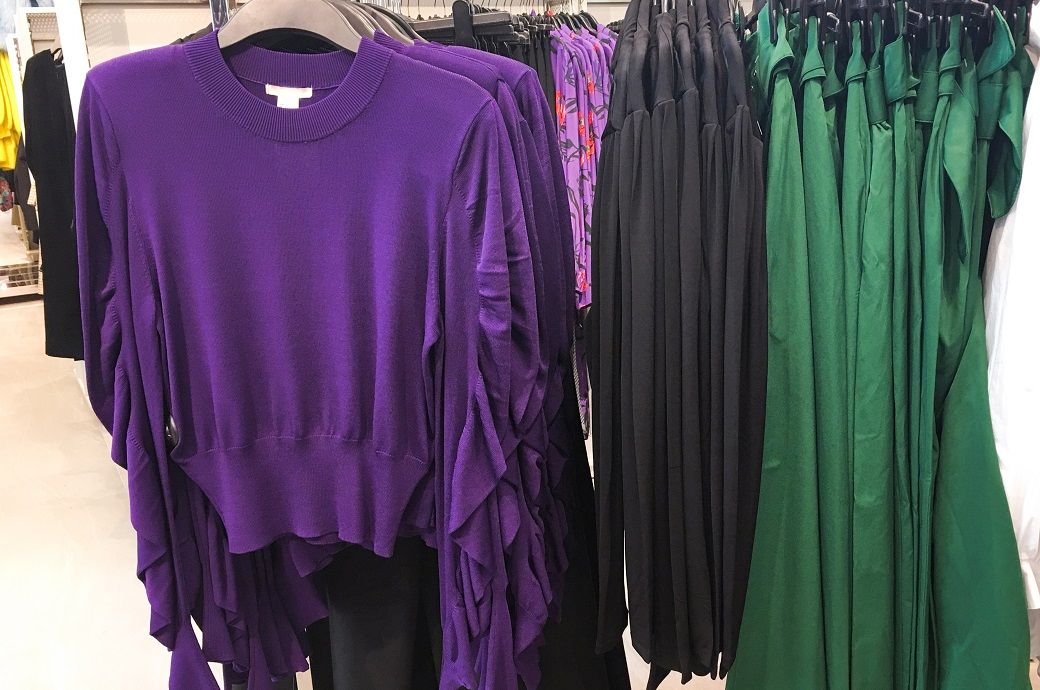
During the period, apparel imports declined by *.** per cent to **,***.*** million SME from **,***.*** million SME in ****. Imports of textiles (non-apparel) reached **,***.*** million SME in ****, marking a decline of *.** per cent compared with **,***.*** million SME in ****.
The import volume of cotton products fell by *.** per cent to **,***.*** million SME during the review period, compared with **,***.*** million SME a year earlier. Meanwhile, imports of man-made fibre (MMF) products decreased to **,***.*** million SME in ****, down from **,***.*** million SME in ****.
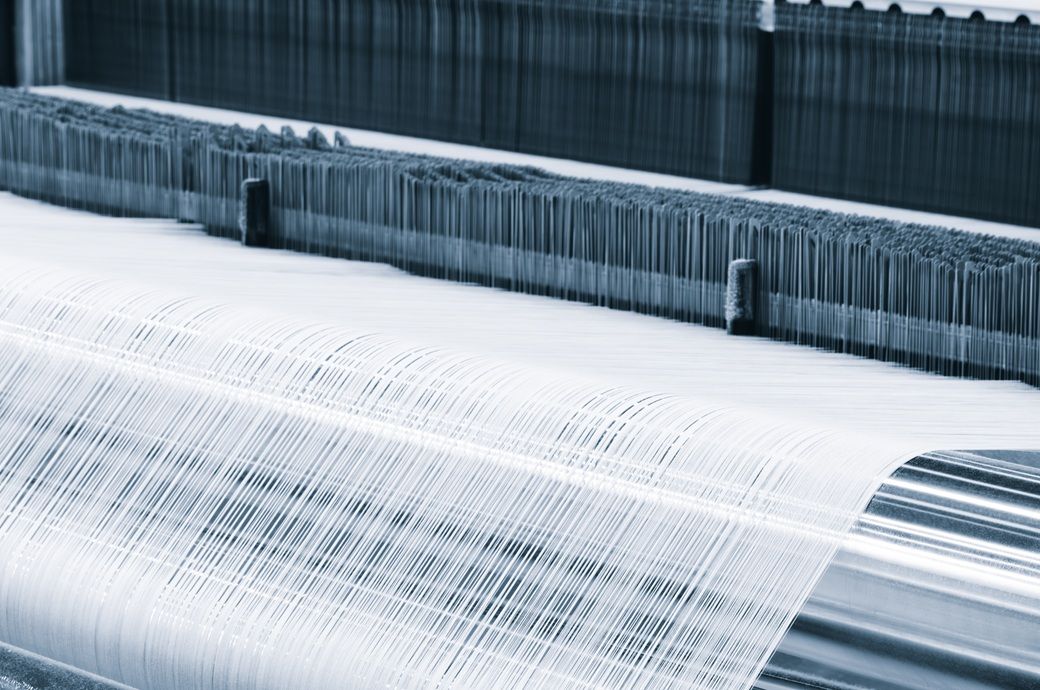
Stäubli will showcase innovative solutions designed to empower mills to produce the next generation of advanced fabrics.
Stäubli will showcase advanced weaving solutions at Techtextil 2026, highlighting technologies for high-performance technical textiles such as 3D composites and industrial fabrics.
Key exhibits include the MAGMA tying machine, TF series weaving systems, and UNIVAL Jacquard, enabling precision, efficiency, and flexibility for next-generation applications.
Stäubli will exhibit its trend-setting technologies at the Swiss Pavilion Booth B01.6 in Hall 12.0.
Technical Textiles: A market accelerating toward high-performance innovation
The global rise in demand for reinforcement fabrics, multilayer structures, 3D composites, and high value industrial textiles is reshaping manufacturing expectations. Reliable equipment, flexible weaving architectures, and precise material handling have become essential for weaving mills pursuing new applications and higher performance products. This expansion underscores the critical role of advanced weaving solutions in meeting evolving industry needs. Stäubli’s decades long know how in technical weaving positions the company as a key contributor to this transition.
Stäubli weaving systems are widely used to produce demanding technical fabrics — from lightweight reinforcement materials, OPW airbags, to filtration fabrics, medical textiles, and specialized industrial materials.
By combining cutting edge mechanical engineering, advanced electronic control, and long term customer support, Stäubli ensures stable performance and high fabric quality across all applications.
Stäubli Solutions to discover at Techtextil 2026
At this year’s edition, Stäubli will display its MAGMA Tying Machine, a robust and high efficiency solution specifically engineered to handle the increasingly diverse and demanding yarns used in today’s technical textile applications, including polypropylene tapes and other challenging filament structures. MAGMA delivers consistent tying quality while reducing the downtime traditionally associated with warp changes.
Stäubli will also present its TF series weaving machines, engineered for the production of advanced 3D, multilayer, and high performance fabrics using demanding materials such as carbon, glass, and aramid fibers.
- The TF20 offers high-speed capability and a double rapier option, increasing output for industries requiring lightweight composite reinforcements.
- The TF30 ensures gentle yarn handling while supporting highly sophisticated weave structures, making it ideal for aerospace grade and industrial textiles.
Part of our other solutions for technical textile, the UNIVAL 100 electronic Jacquard machine provides unparalleled flexibility for weaving complex and sophisticated technical fabrics. Featuring individually controlled harness cords and exceptional motion precision, the UNIVAL 100 is particularly suited for 3D weaving and the processing of demanding materials such as glass and carbon fibers.
The Jacquard machine LX 2494 is ideal for weaving technical fabrics on all types of weaving machines. Very robust and wear-resistant, it opens new avenues in heavy fabrics and is designed for many years of daily use with a minimum of maintenance. The Stäubli M6T 3-position module principle makes the machine particularly compact, and plays an important role in exploiting its performance potential.
Stäubli’s heavy dobbies deliver the power and precision required for weaving complex, high tension structures in technical and industrial fabrics. Designed for demanding applications, they ensure exceptional shedding accuracy, stable high speed performance, and long term mechanical reliability.
Discover Stäubli’s weaving technologies at Swiss Pavilion Booth B01.6 in Hall 12.0 during Techtexil 2026
Note: The headline, insights, and image of this press release may have been refined by the Fibre2Fashion staff; the rest of the content remains unchanged.
Fibre2Fashion News Desk (MS)


North India cotton yarn strengthens on supply shortage
UK borrowing higher than expected in February

Rain, thunderstorm expected in Karachi on Eid

Stock market crash today (March 12, 2026): Nifty50 opens below 23,600; BSE Sensex down over 900 points on continuing US-Iran war – The Times of India

UK’s Topshop unveils Tolu Coker capsule collection

India’s textile recycling market may reach $3.5 bn by 2030: Report

-
Business1 week ago
Stock market crash today (March 12, 2026): Nifty50 opens below 23,600; BSE Sensex down over 900 points on continuing US-Iran war – The Times of India
-
 Fashion1 week ago
UK’s Topshop unveils Tolu Coker capsule collection
-
 Fashion1 week ago
India’s textile recycling market may reach $3.5 bn by 2030: Report
-
 Tech1 week ago
Meta Developed 4 New Chips to Power Its AI and Recommendation Systems
-
 Business1 week ago
8th Pay Commission: How Much Will Central Govt Employees’ Salaries Rise? What We Know So Far
-

 Entertainment1 week ago
Ed Sheeran makes surprising Benny Blanco confession after hygiene uproar
-
 Fashion1 week ago
Is Bangladesh facing price challenges from China in the EU?
-

 Entertainment1 week ago
Gas, food, household prices explained