

Fashion
Euro area unemployment stable at 6.3% in September: Eurostat


Eurostat estimates that 13.246 million persons in the EU, of whom 11.003 million in the euro area, were unemployed in September 2025. Compared with August 2025, unemployment increased by 63,000 in the EU and by 65,000 in the euro area. Compared with September 2024, unemployment increased by 227, 000 in the EU and by 187, 000 in the euro area.
In September 2025, 2.866 million young persons (under 25) were unemployed in the EU, of whom 2.282 million were in the euro area. In September 2025, the youth unemployment rate was 14.8 per cent in the EU, stable compared with August 2025, and 14.4 per cent in the euro area, up from 14.3 per cent in the previous month. Compared with August 2025, youth unemployment increased by 10 thousand in the EU and by 23,000 in the euro area. Compared with September 2024, youth unemployment decreased by 121,000 in the EU and by 79,000 in the euro area.
In September 2025, euro area unemployment stood at 6.3 per cent, and the EU rate at 6.0 per cent, Eurostat reported.
Around 13.25 million people in the EU and 11.00 million in the euro area were unemployed.
Youth unemployment was 14.8 per cent in the EU and 14.4 per cent in the euro area.
Women’s and men’s unemployment rates remained stable at 6.1 per cent and 5.8 per cent in the EU, respectively.
In September 2025, the unemployment rate for women was 6.1 per cent in the EU and the unemployment rate for men was 5.8 per cent, both stable compared with the previous month. In the euro area, the unemployment rate for women was 6.5 per cent, stable compared with August 2025, and the unemployment rate for men was 6.2 per cent, up from 6.1 per cent in the previous month.
Fibre2Fashion News Desk (RR)










The company’s adjusted EBITDA, excluding Employee Stock Option Plan (ESOP) expenses, rose around 14 per cent YoY to ₹468 crore, while EBITDA margin improved by 20 basis points to around 9.3 per cent. Excluding the reciprocal tariff impact of around ₹36 crore and incremental losses of around ₹13 crore in Bihar and Guatemala, adjusted EBITDA margin stood at around 10.3 per cent.
Pallab Banerjee, managing director, Pearl Global Industries, said: “FY26 marked the company’s second consecutive year of double-digit growth and improved profitability. This performance further solidifies the position of Pearl Global’s diversified operating model and disciplined execution across geographies.”
Pearl Global Industries has reported its highest-ever FY26 revenue of ₹5,025 crore (~$523.93 million), up 11.5 per cent YoY, driven by volume growth and value-added products.
PAT rose 17 per cent to ₹270 crore (~$28.15 million), while Q4 revenue hit ₹1,314 crore (~$137 million).
The company shipped 78.1 million pieces.
Its net worth stands at ₹1,438 crore (~$149.93 million).
He said that geopolitical shifts and Gulf conflicts could lead to energy cost escalation, affecting raw material and logistics costs. However, the company remains prepared to manage these headwinds, supported by its diversified manufacturing base, strong order book, and broad market presence.
The profit after tax (PAT) increased 17 per cent YoY to ₹270 crore (~$28.15 million), the company said in a press release.
On a standalone basis, FY26 revenue stood at ₹1,081 crore, while adjusted EBITDA was ₹67 crore, with EBITDA margin improving by 60 basis points to 6.2 per cent, mainly due to cost restructuring. Standalone PAT rose to ₹69 crore from ₹55 crore in the previous year.
The company’s net worth stood at ₹1,438 crore (~$149.93 million) as of March 31, 2026, compared with ₹1,146 crore a year earlier.
“In FY26, Group delivered another year of resilient performance against a complex geopolitical backdrop. Group achieved, among others, two major milestones this year: revenue crossed INR 5,000 crore mark and installed capacity surpassed 100 million pieces per annum,” said Pulkit Seth, vice-chairman and non-executive director, PGIL.
Seth added that the global apparel industry faced tariff-related disruptions during FY26, with the company’s India operations impacted by tariffs and penal duties imposed by the US. However, he added that Pearl Global leveraged its diversified, multi-country manufacturing presence to mitigate these challenges and deliver double-digit growth.
For the fourth quarter (Q4) of FY26, PGIL posted its highest-ever quarterly revenue of ₹1,314 crore (~$137 million), up 6.9 per cent YoY. Adjusted EBITDA rose 13.7 per cent to ₹135 crore, with margin at 10.3 per cent, the highest EBITDA margin recorded by the company in any quarter. PAT for the quarter stood at ₹81 crore, up 24.6 per cent YoY, PGIL said in a press release.
Standalone revenue during the quarter stood at ₹304 crore, adjusted EBITDA at ₹24 crore, and PAT at ₹14 crore.
PGIL shipped its highest-ever volumes in Q4 FY26 and FY26, at 22 million pieces and 78.1 million pieces respectively. Its annual installed capacity crossed 100 million pieces, reaching around 101 million pieces.
The ongoing capex in Bangladesh is expected to be completed by the first half of FY27 and will add around 6-7 million pieces of capacity during the year.
Fibre2Fashion News Desk (SG)
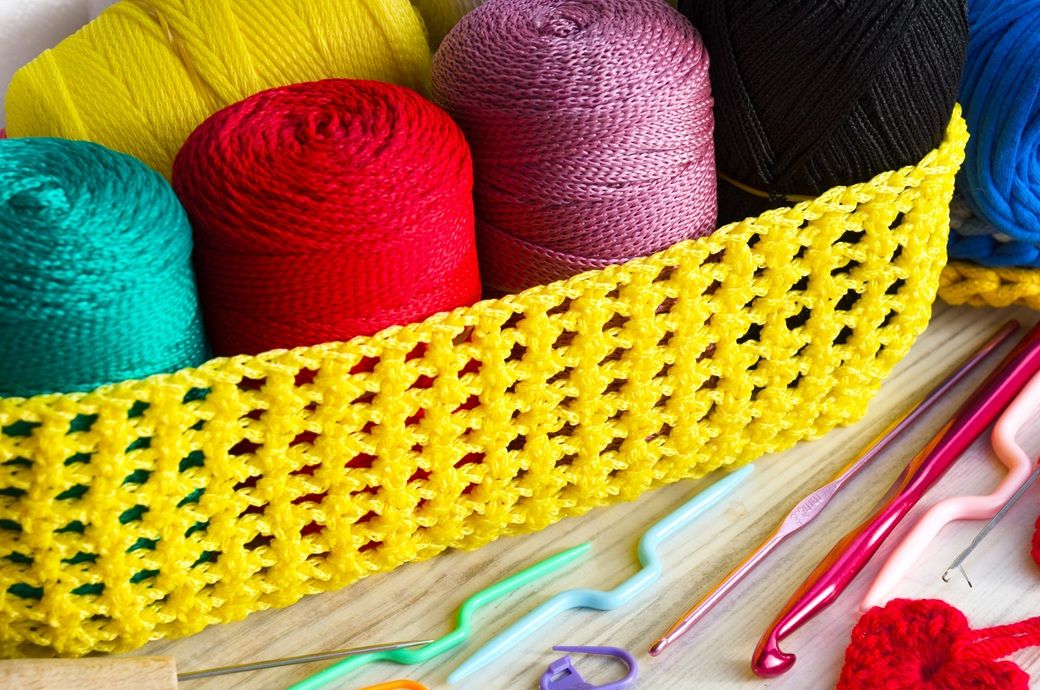
PTA prices recorded notable declines across key Asian benchmarks, tracking crude oil weakness rooted in evolving geopolitical signals. The correction was broad-based, spanning China, Southeast Asia, and South Korea, while India**;s CIF price held steady reflecting the lag in import contract structures and limited spot availability in the domestic market on the day.
The *** per cent Polyester Yarn market witnessed a slightly negative trend during the assessed period, with mild price corrections observed across both yarn grades in the Asia Free on Board (FOB) China market. Prices for **s (*** per cent polyester yarn) declined from around $*.***/kg to nearly $*.***/kg, registering a decrease of approximately *.** per cent.
The pivot is urgent because the old model is under pressure. April **** looked strong: Ready-Made Garment (RMG) exports rose **.** per cent year on year to $*.** billion. But the ten-month picture is weaker. From July-April FY****–**, apparel exports stood at $**.** billion, down *.** per cent. Knitwear fell *.** per cent to $**.** billion; woven fell *.** per cent to $**.** billion. The rebound is real, but so is the drag underneath.
AWARE is the sharpest EU-facing signal: blockchain-backed product data for Digital Product Passport (DPP) readiness. Open Supply Hub adds the factory-identity layer, pushing production information into an open platform. GIZ brings the longer reform spine, from May **** to February ****, covering energy efficiency, circularity, chemical management, renewable-energy skills and textile-waste transparency.


US weighs drone threat from Cuba: report

India’s Pearl Global’s FY26 revenue crosses $521 mn milestone

AI could make humans less intelligent, warns Royal Observatory

-

 Entertainment5 days ago
Conan O’Brien hat tricks as Oscar host
-

 Tech1 week ago
Could Contact-Tracing Apps Help With the Hantavirus? Not Really
-

 Tech1 week ago
I Tried the Best Captioning Smart Glasses, and Only One Leads the Pack
-

 Fashion5 days ago
Italy’s Zegna Group’s Q1 growth boosted by strong organic performance
-

 Sports1 week ago
Bobby Cox, legendary Atlanta Braves manager who led 1995 World Series champions, dead at 84
-

 Entertainment1 week ago
Martin Short: Facing tragedy with joy
-

 Entertainment1 week ago
Tom Brady gets back at Kevin Hart during Netflix roast
-

 Entertainment1 week ago
Martha Stewart: How to make an omelet