

Business
Food exports stoke inflation fears | The Express Tribune

LAHORE:
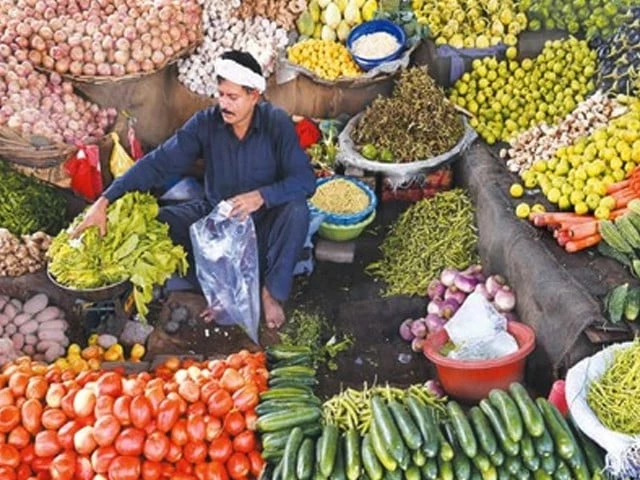
As echoes of the US-Israel-Iran conflict ripple across global trade routes, a familiar dilemma is confronting policymakers in Islamabad, which is how to seize a rare export opportunity without letting it burn a hole in the pocket of the ordinary Pakistani consumer.
The federal government has recently green-lit exports of 40 food items to Gulf states, a move driven by supply chain disruptions that have left Gulf Cooperation Council (GCC) nations scrambling for alternative food sources. For a country like Pakistan, which is hungry for foreign exchange, the decision looks commercially sound. But economists and market observers are sounding a cautionary note – what feeds the export ledger could also feed inflation at home.
The timing is delicate. Pakistan is still absorbing the aftershocks of successive fuel price hikes over the past year, with petrol prices now hovering around Rs321 per litre. In an economy where supply chains are heavily dependent on road transport, every rupee added to fuel costs translates directly into higher prices for food items on the shelf.
With global oil prices already edging upwards in the wake of Middle East tensions, Brent crude has closed this week at around $110 per barrel. Following this, the transportation cost burden on domestic food supply chains is unlikely to ease anytime soon. Add to this an export-driven reduction in domestic food availability, the recipe for another inflationary spiral becomes uncomfortably familiar.
“There is definitely a strong demand from Gulf buyers right now, especially for meat and rice. But if too much stock is diverted abroad, local prices will shoot up and that will hurt consumers,” said Haji Tahir Mahmood, a seasoned food exporter to Gulf countries.
He added that normally when the government allows export of any commodity, local prices increase, primarily due to middlemen, who stock them and wait for abnormal rate hikes.
“I am not sure this will happen this time around as not everyone can export. We want to export as Gulf prices are two to three times what we earn here, but if the government opens the floodgates without controlling local supply, meat and other commodity prices in Pakistani markets will go through the roof within weeks. We should export the surplus, not the staple,” Mahmood argued.
Pakistan’s headline inflation, which peaked at a historic 38% in May 2023, has only recently begun to moderate and currently stands at around 8.24%, according to the Pakistan Bureau of Statistics. Food inflation, however, has historically stayed several percentage points above the headline figure. Vegetables, cooking oil, meat and rice, precisely the categories now earmarked for expanded Gulf exports, have been the most persistent contributors to household price pressures.
Convener of the Federation of Pakistan Chambers of Commerce and Industry’s Regional Committee on Food, Shahid Imran, however, urged Pakistani trade bodies and exporters to act swiftly to capitalise on the expanding food market access in Gulf states, arguing that the country’s strong agricultural base and diverse food production capacity position it well to meet growing Gulf demand. “If managed strategically, this situation can help Pakistan not only boost its exports but also establish itself as a dependable and long-term food supplier to Gulf nations, contributing positively to the country’s economic growth,” Imran said.
The opportunity, by all accounts, is real. Gulf countries collectively import over $50 billion worth of food annually and with traditional suppliers from conflict-stricken regions facing logistical disruptions, Pakistani exporters are already reporting upticks in orders for rice, meat, fruits, vegetables and processed food products including snacks.
Senior market analyst Muhammad Salman said that expanding food exports is absolutely the right decision and Pakistan must not miss this window. “But the government must simultaneously enforce a domestic price stabilisation mechanism. Export quotas and strategic reserves of essential commodities are not anti-export tools; they are the very instruments that make exports sustainable.”
Salman added that the Gulf opportunity is genuine, time-sensitive and strategically significant for a country that desperately needs to shore up its current account. “But export policy crafted in haste, without parallel measures to protect domestic food security and dampen inflationary spillovers, risks shifting the burden of this economic opportunity squarely onto the shoulders of consumers, who are already stretched thin. We should not forget the fact that a hungry population cannot support a thriving export economy.”
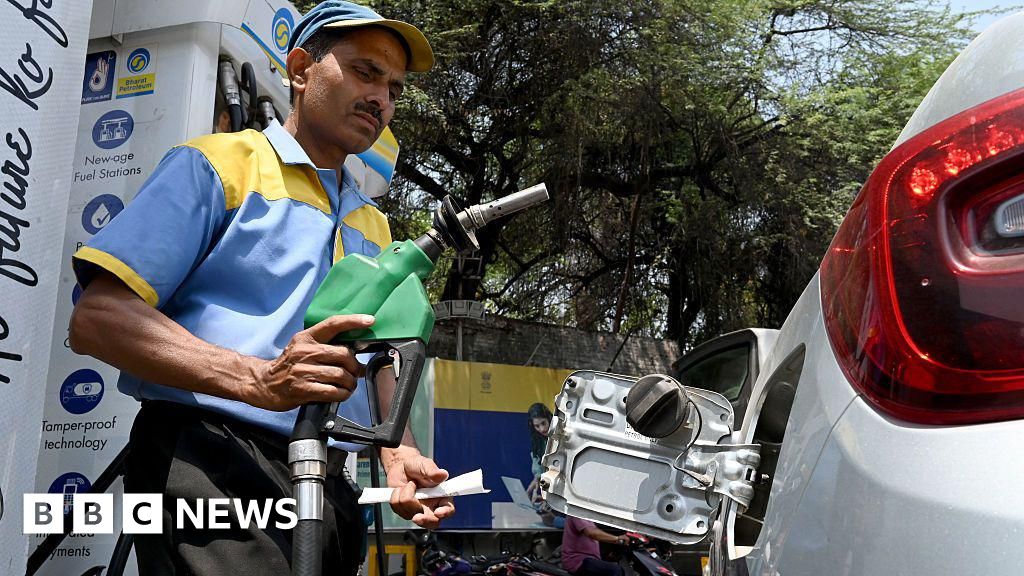
Energy markets have been on a wild ride as the key Strait of Hormuz waterway remains effectively closed.
Source link

Paddy Rodgers said the Observatory’s rich history showed the power of human knowledge and the need to avoid “dependence” on AI.
Source link
First, to be sure, Amazon isn’t without competitors in any of the segments it is in, including e-commerce. Major US retailers like Walmart and Target both have broad-based, rapidly-expanding online retail arms, and offer their own versions of Amazon’s Prime subscription service.


A Danish Couple’s Maverick African Research Finds Its Moment in RFK Jr.’s Vaccine Policy

Gartner: How AI will transform managed network services | Computer Weekly

Trump issues dire warning to Iran to accept peace deal

-

 Entertainment5 days ago
Conan O’Brien hat tricks as Oscar host
-

 Tech1 week ago
Could Contact-Tracing Apps Help With the Hantavirus? Not Really
-

 Tech1 week ago
I Tried the Best Captioning Smart Glasses, and Only One Leads the Pack
-
 Fashion5 days ago
Italy’s Zegna Group’s Q1 growth boosted by strong organic performance
-

 Sports1 week ago
Bobby Cox, legendary Atlanta Braves manager who led 1995 World Series champions, dead at 84
-

 Entertainment1 week ago
Martin Short: Facing tragedy with joy
-

 Entertainment1 week ago
Tom Brady gets back at Kevin Hart during Netflix roast
-

 Entertainment1 week ago
Martha Stewart: How to make an omelet