

Fashion
From Gucci to Rolex: the rise and fall of luxury in music

By
Bloomberg
Published
August 14, 2025
“You know my style and I love Christian Dior.” If you’ve heard these lyrics at a party recently, you’re not alone. The infectious dance track, titled simply, “Dior,” has become a summer anthem, topping the charts in the UK and gaining traction in the US.
The timing could not be more perfect for the fashion brand itself. Bernard Arnault, chief executive officer of LVMH Moet Hennessy Louis Vuitton SE, has been on a mission to revive Christian Dior, and head designer Jonathan Anderson is starting to unveil his new creative vision.
Do such pop culture moments matter for companies? We’d say yes. Analysis by Bloomberg Opinion of songs in the Billboard Hot 100 and Hot Hip-Hop/R&B charts suggests that music offers an insightful way to map the fortunes of the luxury industry. It’s a useful complement to more traditional measures of brand buzz, such as Google searches and social media conversations.
The data show that name-checks in song lyrics skyrocketed during the luxury boom from late 2020 to early 2023, cementing fashion houses such as Louis Vuitton and Gucci as cultural phenomena. Since then, mentions have slumped, underscoring the crisis facing the industry, with sales down across the sector, many young people turning away from conspicuous consumption, and the share prices of LVMH and Gucci-owner Kering SA at multi-year lows. The rise and fall of some individual brands, as seen through music, is even more striking.
Many are now wondering when the worst will be over. Well, it’s worth paying attention to songs. A rapper mentioning the name of a luxury brand on a hot track is not something that can be factored into company sales projections or plugged into a financial model — but it can capture the cultural zeitgeist.
Our analysis focused primarily on hip-hop and R&B because these genres had the highest mention of luxury brands. But dance and electronica also feature luxury labels, such as Prada SpA and now Dior, as do pop songs in the Billboard Hot 100, such as Meghan Trainor’s 2022 hit “Made You Look,” which shouted out Gucci, Louis Vuitton and Versace.
There is a particular reason why hip-hop has come to encapsulate the luxury boom and bust. The rap community has long aspired to own top-end goods, and yet many European houses were famously reluctant to embrace streetwear. That changed a decade ago when LVMH appointed the late Virgil Abloh, the founder of influential label Off-White, as creative director of Louis Vuitton menswear in March 2018. The designer introduced the industry to a younger, more diverse audience that was passionate about music.
Between 2017 and 2022, sales of personal luxury goods rose by more than $100 billion, according to Bain & Co. In the US, much of this was driven by younger spenders who were affluent but not super wealthy. It fits that luxury aesthetics were in a “loud” phase characterized by bold colours and ostentatious logos.
At the same time, hip-hop and R&B were becoming more mainstream, accounting for a higher percentage of the Billboard Hot 100 and so amplifying its influence. Flashy, coveted items — think Rolex watches and Hermes handbags — were touted in popular songs. Indeed, Arnault said in early 2022 that Louis Vuitton wasn’t just a fashion business, it was a “cultural brand” too.
But as inflation and interest rates began soaring post-Covid, many of the new luxury customers came under pressure. Big bling retrenched and refocused its attention on older, wealthier shoppers, offering plainer styles and fewer logos. Streetwear faded from fashion and “quiet luxury” was born.
With the old money aesthetic came old-money price tags, further alienating younger buyers. This correlated with fewer high-end brand names, Gucci and Dior for example, appearing in lyrics in 2022 and 2023. (A broader range of labels, such as Goyard, with some price points below the megabrands, was included by hip hop and R&B stars.)
This helps explain why companies’ communications strategies, led by LVMH, are now coalescing around sport. For example, soccer star Kylian Mbappe was the face of Jonathan Anderson’s first collection for Dior, rather than a musician, such as A$AP Rocky, with whom the label previously collaborated.
But our analysis suggests that forfeiting music for sport would be a mistake. Brands want to reconnect with many of the customers they have priced out. The right reference at an opportune moment could enhance their efforts.
When it comes to individual brands, the most startling story is Gucci. Name-checks in lyrics started to take off in 2016, as designer Alessandro Michele’s maximalist style filtered through to fashion. This corresponded with a period of phenomenal sales growth. Boosted by a shoutout in Lil Nas X’s “Old Town Road,” featuring Bill Ray Cyrus, mentions reached their zenith in 2018 and 2019, a clear correlation with peak Gucci. Perhaps this could have been a warning that Gucci was becoming over-exposed — and a chance to think about how to evolve Michele’s opulent aesthetic.
Indeed, the label has struggled to redefine itself since Michele’s departure in late 2022, and in tandem, mentions in songs have languished. Given that at its peak, Gucci accounted for more than 60% of Kering’s sales, this is reflected in the parent’s performance.
Yet Gucci’s previous cultural cachet from songs is a base on which new creative director Demna Gvasalia can build, particularly as it has been so low-profile for three years. With LVMH focusing more on sport, for example, through its $1 billion sponsorship of Formula One motor racing, new Kering CEO Luca de Meo should prioritize music. Then he would have a decent shot at getting shoppers once more “Feeling Gucci,” as the 2018 song by Savage Ga$p puts it.
In contrast, Hermes International SCA has outperformed. This is consistent with mentions of the Birkin and Kelly bag maker in lyrics. It was the most referenced brand in 2021 and 2022, appearing in Cardi B’s number one hit “Up” among others.
After a dip in 2023, in line with many rivals, its mentions have bounced back, perhaps helped by the Birkin being featured in Shaboozey’s “A Bar Song (Tipsy),” which spent 19 weeks atop the Hot 100 last year. It seems that whatever the bag touches turns to gold.
Meanwhile, industry giant LVMH is facing its toughest year yet. Dior rode both the reinvention of the historic house and the rise of streetwear to almost quadruple sales to more than €9 billion ($10.6 billion) between 2018 and 2023, according to HSBC Research. It is now underperforming.
Notwithstanding the release of the MK and Chrystal dance track in June, Dior’s mentions in hip-hop and R&B have slumped since peaking in 2020. Given that it is LVMH’s second-biggest brand by sales (excluding beauty retailer Sephora), this appears in LVMH’s performance. Reassuringly for Arnault and LVMH investors, however, aside from a dip in 2023, mentions of Louis Vuitton have remained solid, including a name-check in Tyler, The Creator’s 2024 hit song “Sticky.” This reflects the fact that while embracing sport, Louis Vuitton still strengthened its connection to music through the appointment of Pharrell Williams as creative director of menswear in February 2023.
The relationship between music and luxury goes beyond the conglomerates, too.
Gripes about excessive price rises from some consumers and a creative hiatus following the death of Karl Lagerfeld in 2019 precipitated a 4% decline in sales at privately held Chanel Ltd last year. Yet in welcome news for Chanel’s billionaire owners, the Wertheimer family, the brand was mentioned more frequently than its competitors in hip-hop and R&B music in 2023 — thanks in part to multiple hits by Nicki Minaj. It was quite a smart move when the house named Kendrick Lamar as a brand ambassador earlier this year, fresh off his Super Bowl half-time performance that sent searches for bootcut jeans soaring. (It’ll be even more so if the house ever expands into menswear.)
Prada’s embrace by hip-hop and R&B stars has been more modest compared with other houses, but the brand appeared in several other chart-topping songs between 2020 and 2023. “Ferrari Horses” by D-Block Europe and Raye, which featured the house prominently, reached number 14 on the UK Singles Chart in 2021. In September 2022, Prada got another jolt, from Sam Smith and Kim Petras’s number one Billboard Hot 100 smash “Unholy,” and also from Raye’s “Escapism,” her breakout hit released the following month. In 2023, “Ferrari Horses” was remixed and simply renamed “Prada,” which reached number 5 on Billboard’s Hot Dance/Electronica chart.
During this period, Prada’s sales growth was comparable to that of LVMH’s fashion and leather goods business, with the Italian label outperforming its bigger rival in 2022 and 2024. But our analysis showed that Prada’s mentions in hip-hop and R&B have been negligible since 2023. Given its embrace by artists a few years ago, Prada, which typically leans on art and food in its communications, might also consider enhancing its cultural relevance through music.
It’s not just handbags that have endured a boom and bust in music over the past five years. Pricey timepieces have also been on a rollercoaster ride.
Think iced-out bling, and Rolex immediately springs to mind. It’s instantly recognisable shorthand for success. Yet our analysis shows that its inclusion in lyrics peaked in 2014.
As mentions of Rolex declined, those of two other privately held manufacturers, Audemars Piguet and Patek Philippe, took off. This can be traced back to the appointment of Francois-Henry Bennahmias as CEO of Audemars Piguet in 2013. A former professional golfer, he recognised the power of celebrity and enlisted a roster of stars to promote the brand. In the years that followed, “AP” popped up in lyrics alongside Patek. (Audemars Piguet and Patek Philippe watches are more expensive and exclusive than many Rolexes.)
Future, who name-checks luxury brands in more top-50 hip-hop and R&B songs than any other artist, mentions Audemars or Patek in more than 50 songs. Both brands get a nod in “Life is Good,” featuring Drake, which spent six months on the hip-hop and R&B chart in 2020. According to experts at secondary watch platform A Collected Man, Drake’s mention of Patek is believed to reference a Nautilus 5726 — one of the watchmaker’s flagship models — customized to a design by Abloh.
Yet demand for even Audemars and Patek as well as Richard Mille (at times condensed to “Millie”) has weakened.
Another brand, Cartier, is not referenced as frequently as Rolex, Audemars Piguet and Patek Philippe, but its inclusion in lyrics remained steady until this year. Tyler, the Creator is arguably the best-known collector of Cartier timepieces, encouraging a style shift from chunky sports models to more delicate pieces. As he says in “Hot Wind Blows” from 2021: “The Cartier so light on my body, thought I floated here.”
Such a move wasn’t an accident. Former Cartier CEO Cyrille Vigneron, astutely capitalised on Gen Z’s adoption of the jeweller, initially through its Love bangles. He relaunched some of its iconic watches, such as the Panthere, augmented with sometimes racy advertising. His foresight paid off, helping Cartier become one of the few brands to defy the downturn in the secondary watch market. Its popularity has also enabled parent Cie Financiere Richemont SA to outperform LVMH in both sales and share price over the past year.
The lessons here? It pays to recognise when a brand is taking off and leaning into Gen-Z tastes. But houses must also know when to ease back, as Gucci learned the hard way. Richemont doesn’t want Cartier and sister-brand Van Cleef & Arpels, famed for its lucky clover bracelets, becoming too ubiquitous.
Our analysis underlines how badly luxury needs to reassert itself among younger consumers who draw inspiration from music.
It’s true that inflation in top-end goods is moderating, and that companies are also introducing more affordable products, such as beauty and fragrance. Labels are also finally shaking things up with a cadre of new talent: As well as Anderson at Dior and Demna at Gucci, Chanel has appointed Matthieu Blazy as its creative director. Kering houses Balenciaga and Bottega Veneta both have new designers, as do LVMH labels Loewe, Givenchy and Celine.
But more must be done to win over disenfranchised shoppers and make owning top-end goods desirable again. The popularity of hit song “Dior” shows that the luxury fatigue that has weighed on sales may be reaching its nadir. With carefully crafted strategies, brands can seep into popular culture once more. If the track turns out to be the catalyst for the house’s renaissance, that would be a strong signal for Arnault and the rest of the industry to turn the music up.









The agreement covers the construction and operation of a 360-kilometre railway linking the main mining areas of Al-Shidiya and Ghor Al-Safi to the Port of Aqaba.
The United Aran Emirates and Jordan recently an agreement to develop a railway network in Jordan and establish the UAE-Jordan Railway Company.
The agreement covers the construction and operation of a 360-kilometre railway linking the main mining areas of Al-Shidiya and Ghor Al-Safi to the Port of Aqaba.
The project aims at transporting 16 million tonnes of phosphate and potash annually.
The project aims at transporting 16 million tonnes of phosphate and potash annually, with a total investment value of $2.3 billion. Both phosphate and potash are chemicals used in the textile industry.
The agreement was signed by UAE Minister of Energy and Infrastructure Suhail bin Mohamed Al Mazrouei and Jordan’s Minister of Transport Nidal Al-Qatamin.
The UAE-Jordan Railway Company was formally established as a joint venture between Abu Dhabi’s L’IMAD Holding Company (L’IMAD) and several Jordanian stakeholders, according to an official release in the UAE.
The joint venture will be responsible for the implementation, operation and maintenance of Jordan’s railway network through its executing arm, Etihad Rail, the developer and operator of the UAE’s national railway network.
The project will enhance Jordan’s export capabilities and logistics efficiency by directly linking phosphate and potash production sites to the Port of Aqaba, significantly reducing transport time and costs.
It will also support comprehensive economic development and open wide prospects for job creation across multiple sectors, leveraging the extensive expertise of Etihad Rail.
Fibre2Fashion News Desk (DS)
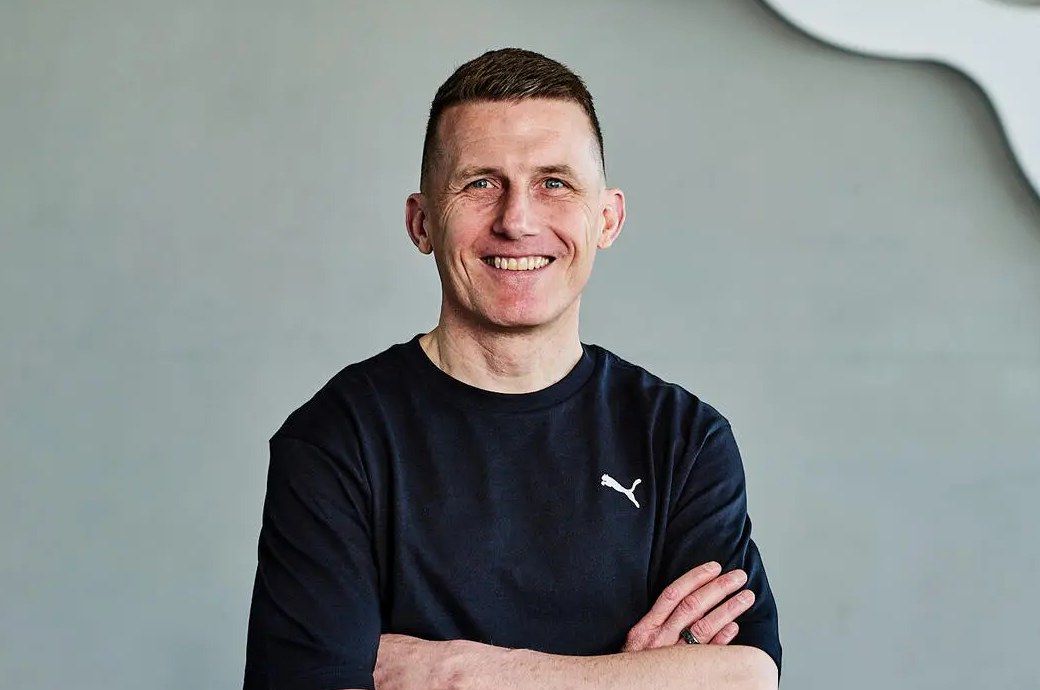
With more than two decades of experience in the sports industry, James brings a unique combination of skills, which will help PUMA use creative direction as an important strategic lever to establish itself as a top-3 global sports brand.
Puma has appointed James Carnes as senior vice president creative direction.
Reporting to Maria Valdes, he will oversee creative direction, innovation, and product excellence.
With over two decades of experience, including leadership roles at Adidas, he will align design strategy with business goals to strengthen Puma’s global brand appeal and market position.
“James is a very highly regarded leader in our industry and he has been instrumental in shaping some of the most influential performance and lifestyle products, labels, and platforms,“ said Maria Valdes. “With a strong background in industrial design and a deep understanding of both athletes and consumers, he will play an important role in getting our customers and consumers excited about PUMA once again.”
Until 2021, James held several leadership positions in design, creative direction and strategy at adidas, both in Herzogenaurach and Portland, Oregon. Most recently he worked as an independent consultant and investor in the wider industry.
At PUMA, James will align creative direction with the company’s overall strategic ambitions, set the seasonal direction for the Business Units and create a long-term look and feel for the brand across consumer touch points.
“Creative Direction is about more than seasonal trends and colours. It is about defining how PUMA holistically presents itself in the market, harnessing the company’s portfolio of world class innovation, and deeply connecting with consumers,” said James Carnes. “We have the amazing opportunity to modernize the image and style of one of the most iconic sports brands in the world and I look forward to leading our teams and collaborating with my colleagues to make this happen.”
Note: The headline, insights, and image of this press release may have been refined by the Fibre2Fashion staff; the rest of the content remains unchanged.
Fibre2Fashion News Desk (RM)
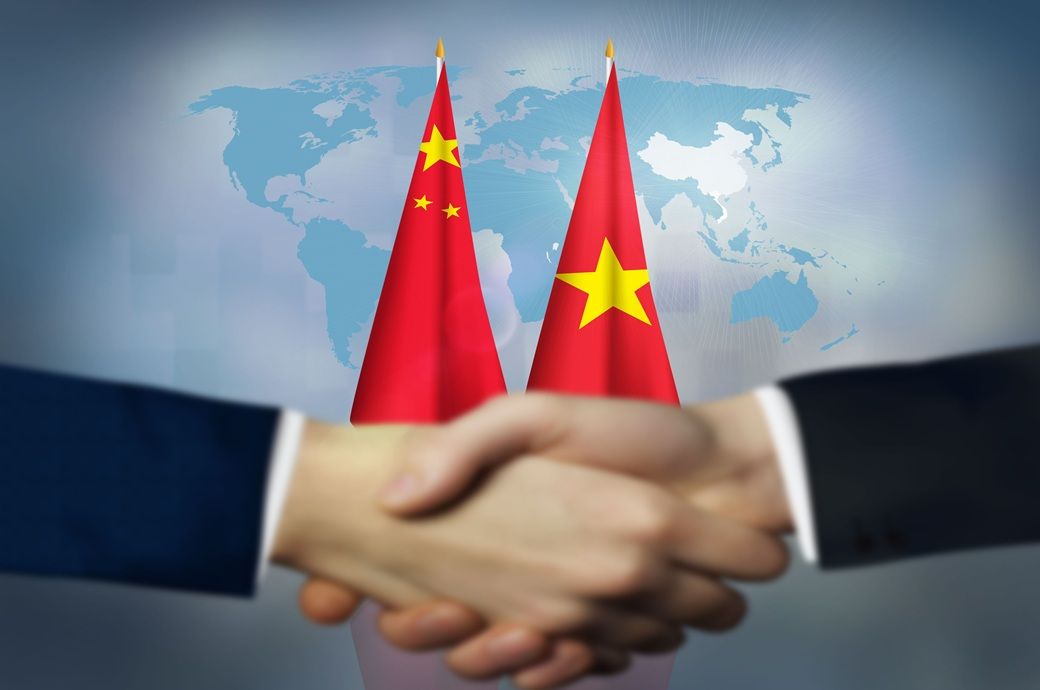
China will step up building a higher-level China-Vietnam community with a shared future that carries strategic significance, Chinese President Xi Jinping said while holding talks with visiting Vietnamese President To Lam.
China and Vietnam are accelerating efforts to navigate bilateral trade towards a more balanced and sustainable course.
President Xi Jinping recently held talks with visiting Vietnamese President To Lam.
During the visit, Vietnamese Minister of Industry and Trade Le Manh Hung called for a restructuring of production, trade and supply chains alongside stronger investment cooperation.
Xi said both countries should work together in their modernisation drive, accelerate the alignment of development strategies and prioritise infrastructure connectivity.
While meeting Chinese Minister of Commerce Wang Wentao during the state visit, Vietnamese Minister of Industry and Trade Le Manh Hung called for a restructuring of production, trade and supply chains alongside stronger investment cooperation.
Wang said both sides should focus on implementing the high-level common perceptions, including raising bilateral trade turnover to $500 billion in future.
Hung urged China to expand imports of Vietnamese goods, broaden the list of products eligible for tariff preferences and further open its market. He also called for the mutual recognition of quarantine results for agro-forestry-fishery products, facilitation of Vietnamese exports via cross-border e-commerce, and expansion of Vietnam’s trade promotion offices across Chinese localities, according to a Vietnamese news agency.
China will continue to support Vietnam in setting up additional trade promotion offices, following those already established in Chongqing, Hangzhou and Haikou, Wang responded.
China also expressed readiness to support Vietnam’s stronger exports through cross-border e-commerce, encouraging greater visibility of the Vietnam National Pavilion on Chinese e-commerce platforms beyond JD.com to better promote Vietnamese products to Chinese consumers.
China has consistently been Vietnam’s largest trading partner and second-largest export market, while Vietnam continues to be China’s biggest trading partner in the Association of Southeast Asian Nations (ASEAN).
Fibre2Fashion News Desk (DS)

Rs 20,000 crore gold, silver rush: What will people buy this Akshaya Tritiya? – The Times of India

Prince Harry corrects blunder before peace with King Charles suffers again
The cost of rising rents: Working four jobs and pushed on to benefits

-

 Entertainment6 days ago
Palace left in shock as Prince William cancels grand ceremony
-

 Sports6 days ago
The case for Man United’s Fernandes as Premier League’s best
-

 Politics1 week ago
Chinese, Taiwanese will unite, Xi tells Taiwan opposition leader
-
 Entertainment1 week ago
Dua Lipa hits major career high ahead of wedding with Callum Turner
-
 Business1 week ago
100% road tax waiver for electric cars, new rules for 2, 3 and 4 wheelers – what Delhi govt’s draft EV policy says – The Times of India
-
 Business6 days ago
UK could adopt EU single market rules under new legislation
-
 Business1 week ago
The FAA wants gamers to apply for air traffic control jobs
-

 Fashion6 days ago
Energy emerges as biggest cost driver in textile margins