

Sports
Game on… everywhere but home | The Express Tribune

PUBLISHED
August 17, 2025
KARACHI:
When you hear the word esports, which country comes to mind first? For most people, the answer is simple: South Korea. A place where esports is not just a pastime but an institution, a culture built on world-class arenas and year-round leagues. But shift the lens to Tekken, and another name rises almost instantly. Arslan Ash. Alongside him, just a handful of others whose names you can count on your fingertips. These are the players who have carried Pakistan’s flag to the world stage, who have fought against the best and made sure their victories echo back home.
What makes this remarkable is not just the wins, but where they come from. In a country with almost no facilities, no formal support system, and barely any structured tournaments through the year, raw talent has found a way to shine. Pakistani players, with little more than determination and self-made training routines, are giving the toughest competition to Korean professionals who spend all year inside top-tier academies. What does that tell us? If Pakistan were to receive the same facilities as Korea, could it dominate not just Tekken but every major esport? The glimpses already suggest it might.
Pakistan’s strength is already visible. It is shining in Tekken, where Arslan Ash’s sixth major title added another chapter to his extraordinary career. It has broken into global mobile gaming with a PUBG Mobile team that recently qualified for its first ever Esports World Cup, marking an unprecedented moment for the country. And in Seoul, Pakistan stunned the world with a Tekken 8 team victory at the Nations Cup, proving that this was not a one-man story but the rise of a collective force.
These are achievements worth celebrating, but they also leave behind a pressing question. If Pakistan can do this much with so little, what could happen if the talent was nurtured, if the players had the right platforms, and if the opportunities to face international pressure were not rare but routine? The answers lie in how the future of esports in Pakistan is shaped, and whether the momentum can be transformed into something lasting. Still Pakistan is performing high on the international stage and is coming in lime light with one game at a time.
Pakistan’s international esports rise
At the Nations Cup in Seoul earlier this year, when the world’s best Tekken players gathered, the names on Pakistan’s side spoke for themselves. Arslan Siddiqui aka Arslan Ash and Hafiz Tanveer from Twisted Minds, Atif Ijaz aka Atif Butt, Muhammad Farzeen, and Nauman Chaudhry aka Numan Ch from Team Falcons, Usama Abbasi from ROC Esports, and Adeel Sheikh aka The Jon form Al Qadsiah, all representing Pakistan. Each a force in his own right, each carrying a different chapter of Pakistan’s Tekken story. Together they pulled off a victory that stunned South Korea on its own turf, a country long considered the birthplace of competitive Tekken dominance.
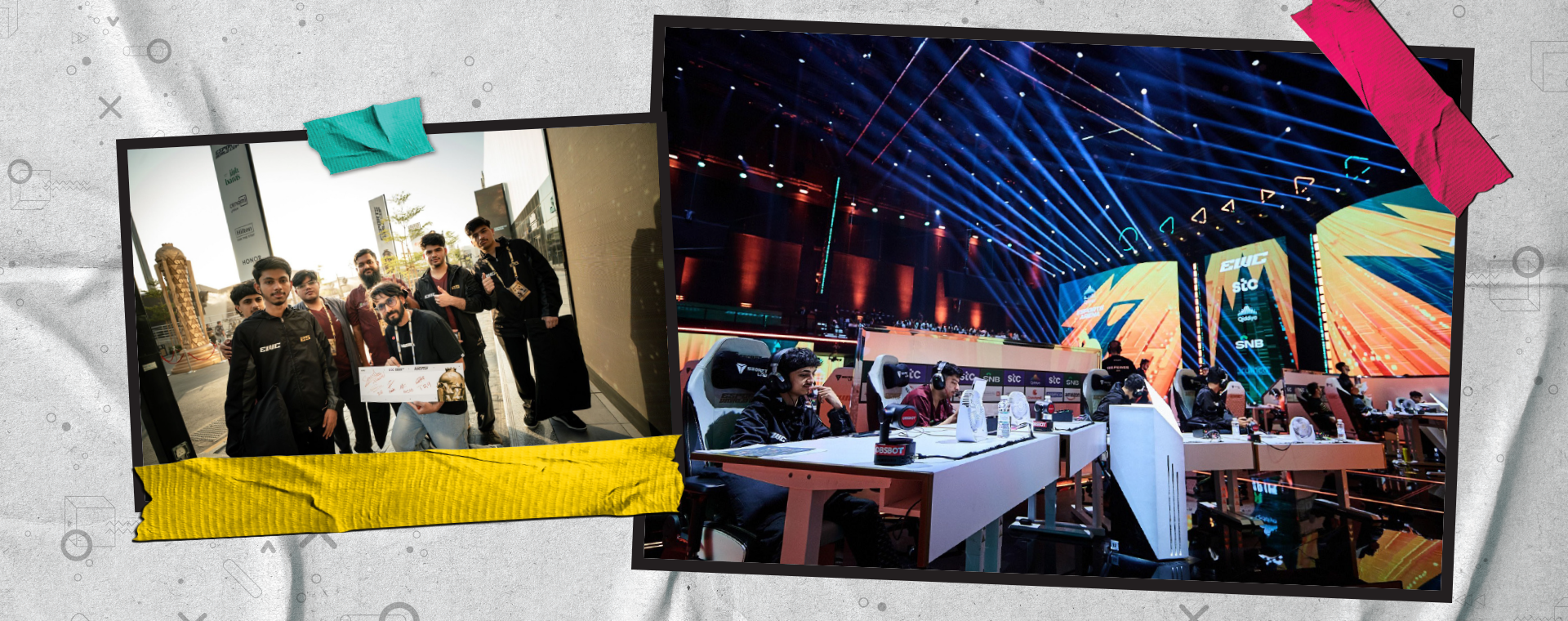
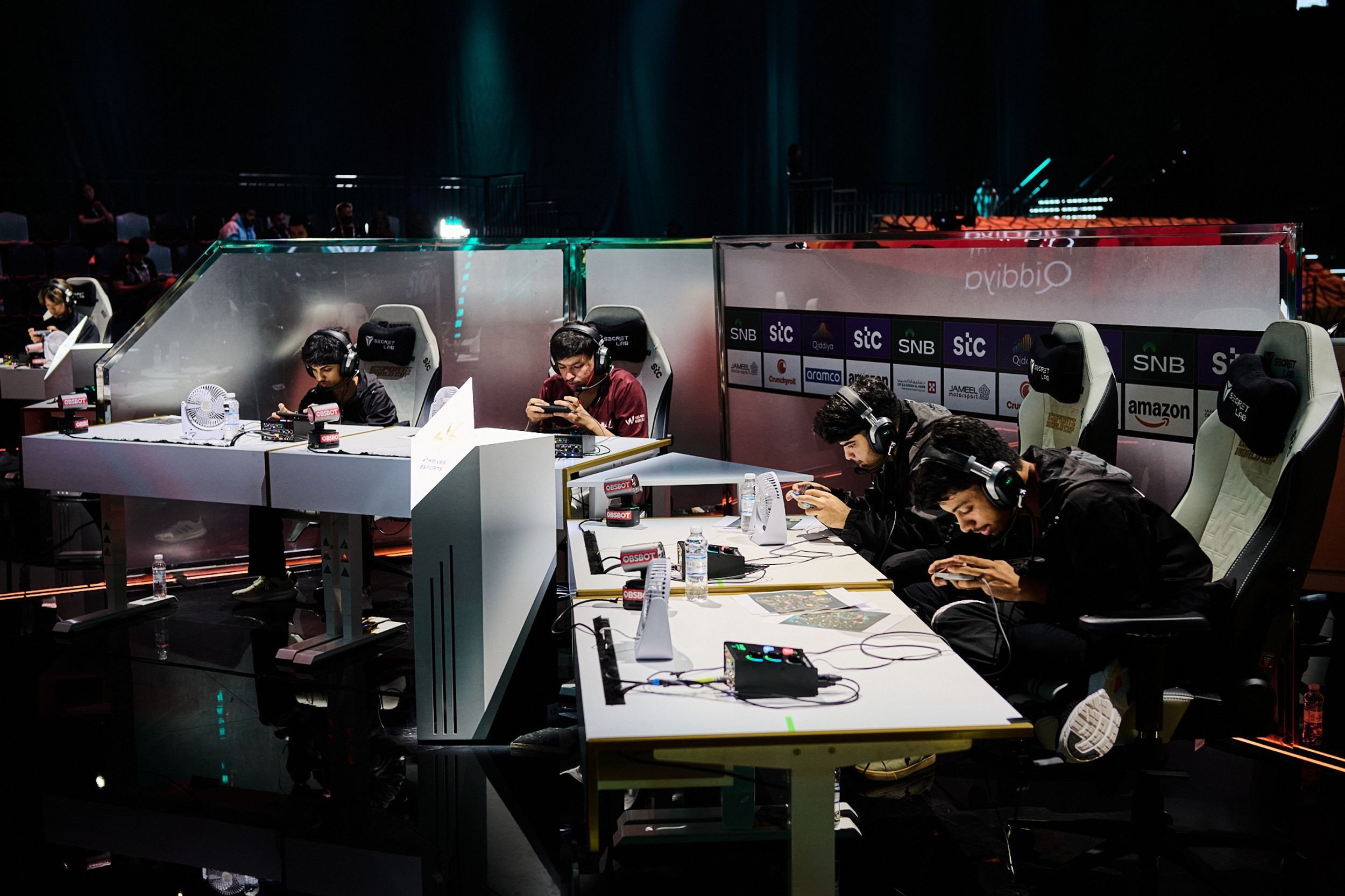
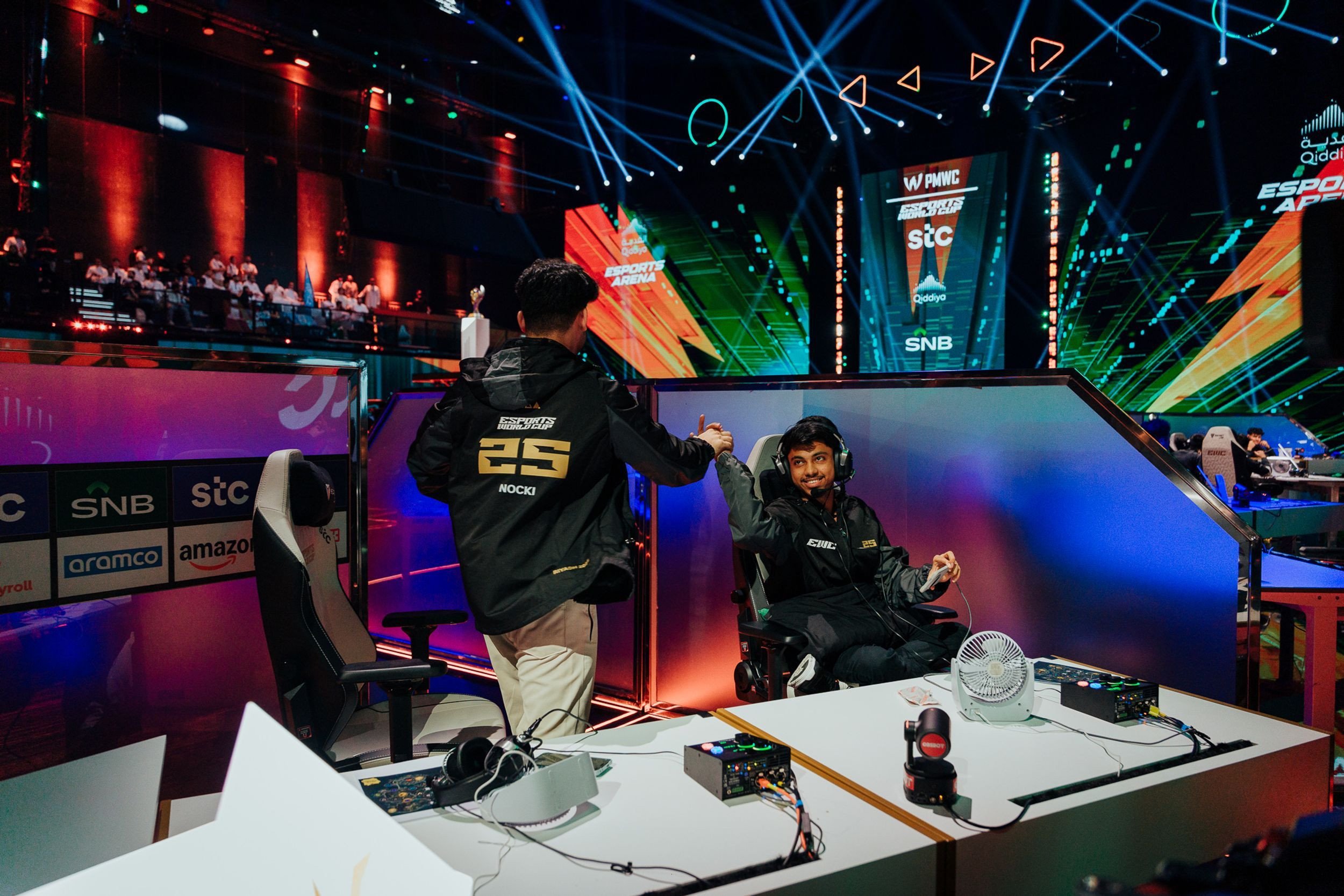
The story does not end there. Pakistan will now be seen again on one of the biggest stages, the Esports World Cup. Alongside the Tekken champions, the PUBG Mobile squad 4Thrives, after winning the national championship and then conquering the South Asian showdown, earned their ticket to the global finals. For the first time, a Pakistani team in mobile gaming walked into the world’s premier esports event, and faced the giants of China, South Korea, and the Middle East and ended up finishing at a sixth place out of 24 team winning a prize money of $157,500.
For players themselves, stepping into such tournaments is not just about competing, but survival. “This is my second time competing at the Esports World Cup. The prize money here is on another level. Even if you win just one match, you can earn enough to support yourself and your family back home. That is what makes this event so special,” says Bilal Ilyas who represented Pakistan at the Tekken 8 competition at Esports World Cup.
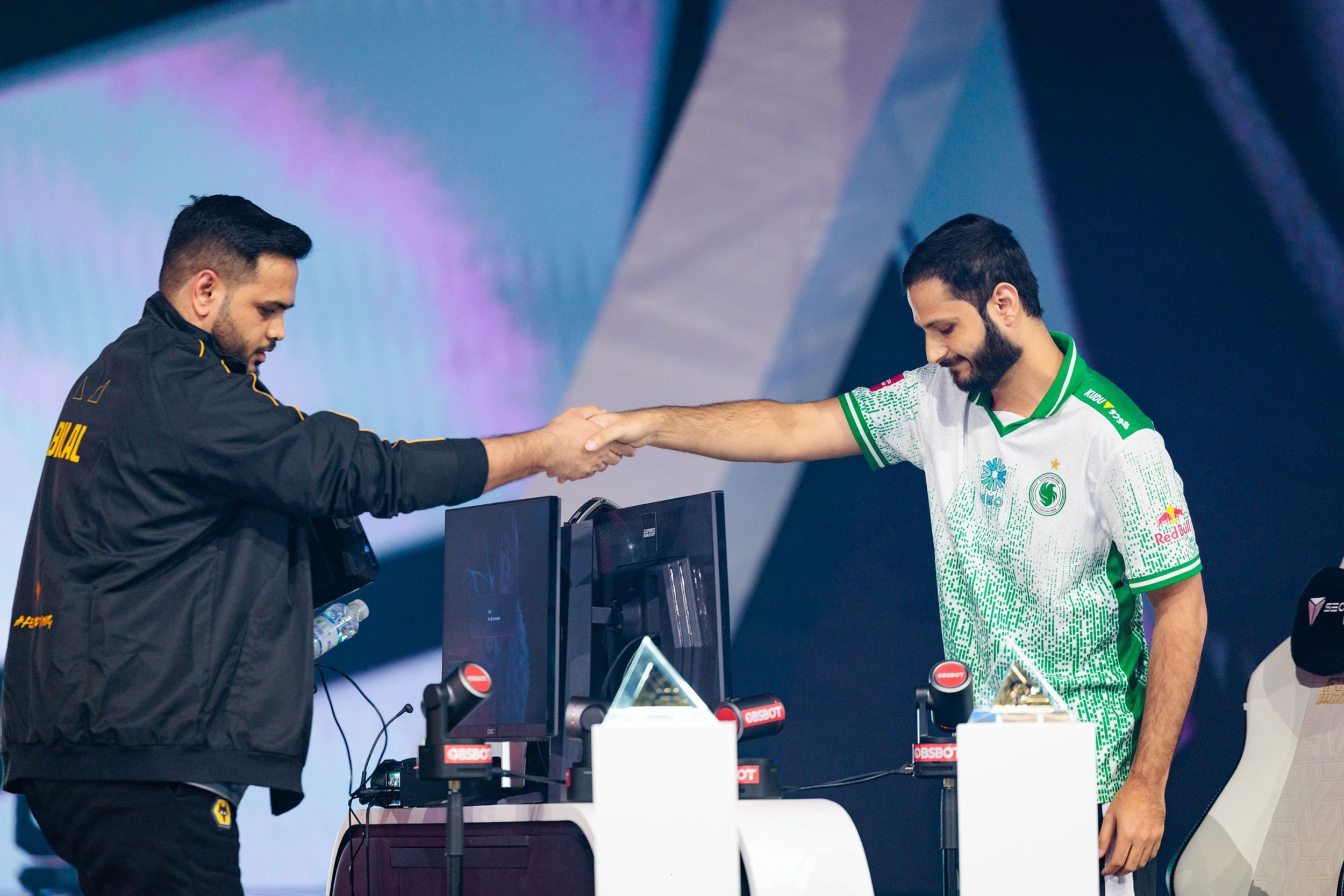
For Pakistan, these victories are not just trophies. They are statements. They signal that talent from Lahore, Karachi, and Peshawar can stand in the same arena as names the world reveres. They force the question: are the world’s top esports nations beginning to see Pakistan as a threat? On stage, perhaps yes. But behind the stage, when eyes turn to infrastructure and facilities, the perception shifts. There is almost disbelief, sometimes even dismissal, because while Pakistan’s players perform miracles internationally, at home they return to cramped gaming cafés, improvised practice sessions, and a structure that is years behind global standards.
This is where the story deepens. The grind of a Pakistani esports player is unlike anything in South Korea, Japan, or even the Middle East. Here, practice is not inside state-of-the-art arenas but often in bedrooms with borrowed equipment or in cafés where power outages interrupt tournaments. Funding is uncertain, sometimes from personal savings, sometimes from a sponsor found at the last minute. Arslan Ash himself admitted that he once thought of leaving competitive gaming altogether because of financial pressures, only to return because the game was his calling. Others describe the emotional rollercoaster of chasing international visas, booking tickets through loans, or preparing for a tournament without being sure if they will even be able to attend.
Bilal explained that most of the country’s Tekken stars are not from privileged backgrounds, which makes their rise even more remarkable. “Most of us who are performing well in Tekken come from very modest or even poor backgrounds. We did not grow up with opportunities. Whatever we have now is because of years of struggle, support from friends, and sponsors who believed in us later,” he told The Express Tribune.
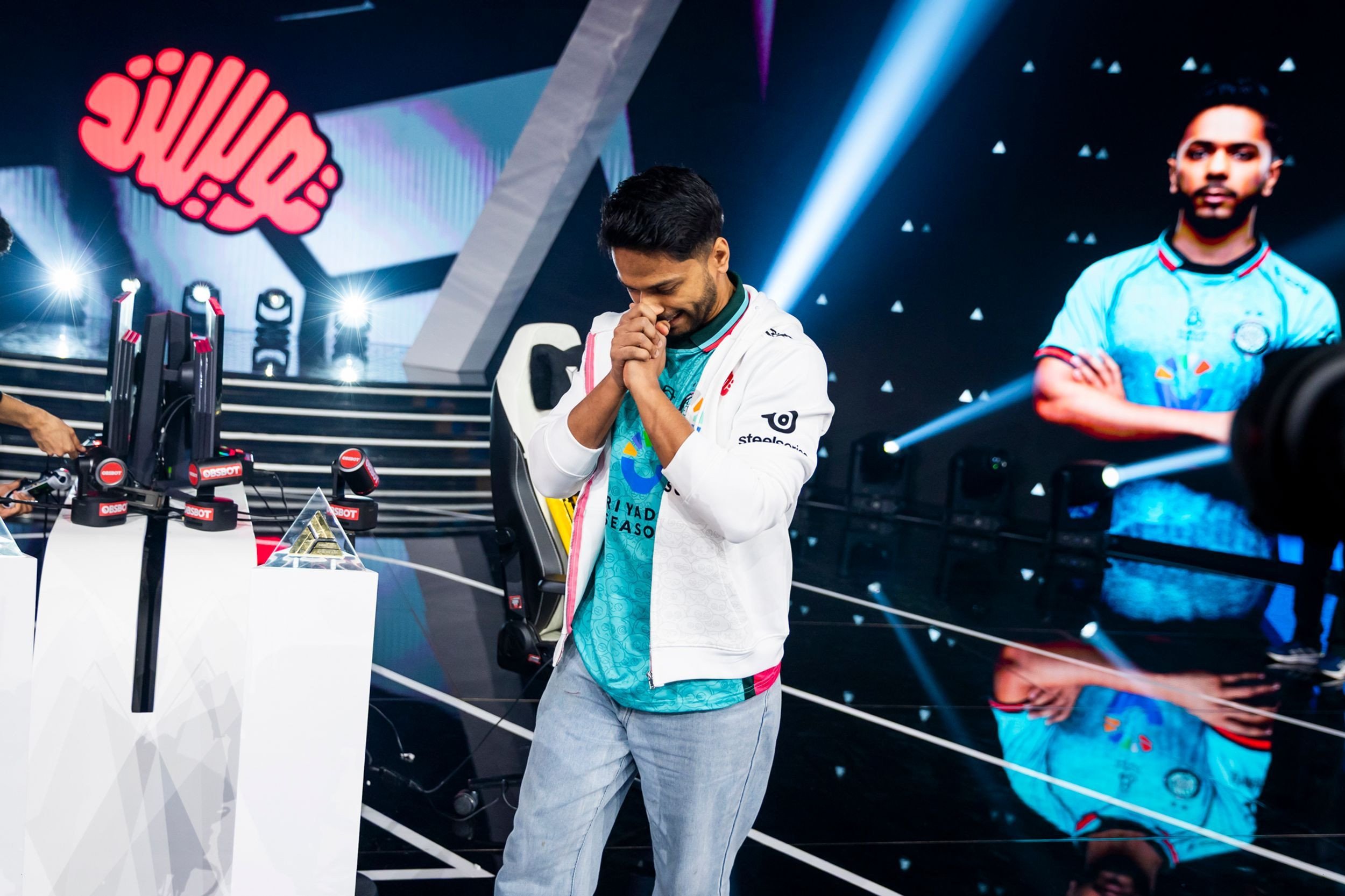
He added that how Pakistani players build their strength in small, improvised groups. “We don’t have team houses or arenas like Korea. We practice offline in small groups, often from homes or cafés. If someone beats us, we work harder the next day to take revenge in the game. That passion is what makes us strong,” shared Bilal.
And yet, in those very conditions lies the resilience that shocks the world. When Arslan Ash beat global champions, when Atif Butt lifted his second international trophy, when the PUBG Mobile team booked their slot for the World Cup, it was not just victory – it was survival. It was proof that sheer determination, talent, and countless late-night practice sessions could overcome the lack of system and structure.
But victories alone cannot sustain momentum forever. The gap between what Pakistani players achieve and what they endure continues to widen. As global esports grows more organized, the question is not just how Pakistan’s players will win, but how long they can keep winning in a vacuum.
And that is where the story shifts, from the players’ extraordinary journeys to the country they represent. To understand what comes next, one has to look at the state of esports in Pakistan itself.
The state of esports in Pakistan
To understand Pakistan’s esports story, you need to step away from the flashing lights of international arenas and look at what lies at home. The victories may make headlines abroad, but the reality for players on the ground is still far from professional. There is no permanent national esports arena in the country. Players often practice in scattered cafés or small gaming lounges in Lahore, Karachi, and Islamabad, where the quality of equipment and connectivity varies from place to place. Big festivals like Gamers Galaxy have brought crowds to venues like the Pak-China Friendship Centre, but such events come once in a while with last being held in April last year and there are no signs of being held this year yet. They do not add up to a year-round calendar. The rest of the time, players are left to organize scrims on their own, often interrupted by slow internet speeds or power cuts.
The government has taken its first step by announcing a National Esports Policy. Drafted with help from the Commonwealth Secretariat and the British Esports Federation, the plan includes setting up a Pakistan Esports Federation, launching training programmes, and eventually creating digital arenas. The recognition of esports as a sport is also in the pipeline. It is a start, but still a long way from the structures that already exist in countries where esports has been mainstream for years.
The comparison with South Korea is telling. Korea has an actual law, the Act on Promotion of E-Sports, which empowers the state to build arenas, fund talent, and run leagues. The Korea e-Sports Association (KeSPA) has long coordinated events, lobbied for hosting rights, and created a structured ladder for talent. Their venues are purpose-built, like LoL Park in Seoul or the Busan Esports Arena, where everything from broadcast booths to practice rooms is built into the design. At the grassroots, PC bangs – high-spec cafés – remain an accessible training ground for aspiring players, and even today thousands operate across the country. Fast internet, among the world’s best, means practice is smooth, tournaments are broadcast-ready, and players train without latency issues.
Even basic equipment becomes a hurdle for Pakistan’s players. “In Pakistan, if your arcade stick breaks or your monitor stops working, it’s very difficult to replace. The monitors used in international tournaments aren’t available here, and if we import them the customs duties are so high that it becomes unaffordable,” explained Bilal.
By contrast, Pakistan ranks among the slowest in global broadband and mobile internet tiers. Even professional players have admitted that qualifying matches often suffer because of lag. In Pakistan, there are no academies devoted to esports. A few private bootcamps exist here and there, but they are small and scattered. Universities have only just started to acknowledge competitive gaming, though it is still seen as something experimental rather than a serious academic track. In South Korea, the story could not be more different. Esports is firmly part of the education system. At Chung-Ang University, professional gamers are treated the same way as athletes in traditional sports, while at Yonsei University students can even study the business side of gaming as a proper course.
Money and security draw another sharp line between the two countries. Pakistani players often have to arrange everything themselves when competing abroad. Some borrow money from family, others scrape together sponsorships at the last minute, and almost all have stories of struggling with visas and tickets before they even get a chance to sit in front of the screen. In Korea, most players are attached to professional teams that pay them salaries, line up brand sponsors, and give them structured facilities to train in. For them, the only real focus is the game. For Pakistanis, the fight begins much earlier.
Bilal was quick to point out that most of Pakistan’s esports scene is already being carried by private companies, not the government. “We don’t really get support at the government level. Our real support comes from sponsors, most of them from outside Pakistan – Dubai, Saudi Arabia, America. They pay us salaries and cover our expenses. The only thing we need from the government is help with visas. So many Pakistani players never get to perform internationally simply because they don’t get visas on time,” he shared.
The Middle East has also raced ahead in a way that Pakistan has not. Saudi Arabia and the UAE are putting in heavy investment, building modern arenas, hosting global events, and presenting themselves as international hubs for esports. Cities like Riyadh and Dubai are now on the global esports calendar. Pakistani players who turn up there often feel like outsiders. They carry their raw talent into these glossy arenas, while their opponents arrive with the backing of proper systems, coaches, and professional leagues.
This gap shows itself most clearly in everyday life. Korean professionals practice on fast internet connections, often living together in team houses where coaches and analysts monitor their progress. Pakistani players are still playing from their bedrooms or in small cafés, usually late at night, with unreliable connections and limited competition. In Korea, a dense calendar of leagues means players are constantly under pressure, playing matches that mirror the intensity of the world stage. In Pakistan, players can go months without a single local tournament. For them, international qualifiers are often the only chance to test themselves — and the only real rehearsal for the pressure that awaits abroad.
And yet, despite all of this, Pakistan still produces champions. That is what makes the story so striking. The resilience is unmatched, but the question remains; how long can talent alone keep bridging a gap of this scale? If the policy promises are realized, if infrastructure begins to take shape, Pakistan could very well be the next great force in esports. Until then, victories will continue to come from players fighting against the odds, rather than because of the system around them.
National policy and the glitch
For the first time, Pakistan has placed esports on the government’s agenda. The Ministry of Information Technology and Telecommunication (MoITT) is leading the effort to draft a National Esports Policy, with technical support from the Commonwealth Secretariat and the British Esports Federation, as well as coordination through the Prime Minister’s Youth Programme. The plan includes the creation of a Pakistan Esports Federation, development of training programmes, and the eventual setup of digital arenas where players can compete and practice in a professional environment. Recognition of esports as a formal sport has also been signaled.
On paper, these are encouraging steps. For years, players have relied only on private cafés, occasional festivals, or their own living rooms to sharpen their skills. A national federation and a structured policy could change that, by creating pathways for talent, introducing standardized rules, and providing government-backed legitimacy for the industry.
For Bilal, the most disappointing part is not just the lack of facilities, but the silence when players do manage to win on the world stage. “Recently many Pakistani players have won big tournaments, but not a single congratulatory message or recognition has come from the government. We celebrate our cricket stars, but our esports players are ignored. Even a small gesture of recognition would go a long way,” he said.
Globally, however, esports governance has already moved several steps ahead. In South Korea, the Korea e-Sports Association (KeSPA) works under the Ministry of Culture, Sports and Tourism and is supported by a dedicated law, the Act on Promotion of E-Sports. This framework empowers the state to fund infrastructure, regulate leagues, and protect player welfare. In Saudi Arabia and the UAE, esports falls under cultural and sports authorities, which not only ensures recognition at international multi-sport events but also unlocks government-backed funding for players and facilities. In China, ministries of culture and education are actively involved, even shaping vocational programmes around esports careers.
So why has Pakistan chosen its IT ministry instead of a sports body to take the lead? In the current context, the choice makes sense. The biggest barriers Pakistani players face are digital: poor connectivity, lack of servers, inadequate payment systems, and an absence of industry partnerships. These are all areas that MoITT is directly responsible for. The government is already running digital youth initiatives, so esports fits naturally into this umbrella, linking gaming with coding, digital literacy, and entrepreneurship. By treating esports as part of the digital economy, Pakistan can encourage gaming startups, connect with international partners, and frame esports as a modern industry rather than just entertainment.
But Bilal believes that any future policy will only work if players themselves are part of the process. “I believe the government or federations should first consult the players, not just one or two, but all those who represent Pakistan internationally. Each player faces different problems, and support should reflect that.”
 In the long run, though, keeping esports only under the IT ministry has clear limits. At the end of the day, this is still competition. It is still a sport. Without the involvement of sports authorities, there is always the risk that it remains boxed in as a side project of the tech sector. That has real consequences. Players could continue to struggle with travel grants, visas, and recognition as athletes at events like the Asian Games. A sports ministry brings systems that already exist for cricket, hockey, or athletics — welfare programmes, anti-doping rules, contract oversight, and access to proper funding. Esports players in Pakistan have none of that yet.
The most sensible way forward would be a shared model. The IT ministry can keep focusing on what falls naturally in its domain — infrastructure, connectivity, and industry partnerships. But the Sports Division has to be brought in at some point to anchor esports within Pakistan’s larger sporting framework. A Pakistan Esports Federation, set up with both sides involved, could then take responsibility for running leagues, regulating tournaments, and safeguarding player rights.
For now, MoITT’s leadership is an important first step. It gets esports onto the policy map. But if Pakistan wants the scene to grow into something that carries international weight and legitimacy, the framework has to stretch beyond technology and firmly into sport.
Looking ahead, Bilal believes the best way to prepare Pakistani players for global competition is not just equipment or visas, but a regular domestic circuit. “In Korea, there is a league happening every week. If something like that existed in Pakistan, it would be a game-changer. Players would be earning money, competing under real pressure, and getting used to professional production standards. That’s the kind of system we need here,” he said.
This raises the next question: what does the day-to-day esports ecosystem inside Pakistan actually look like, and how far is it from the professional circuits of Korea, Saudi Arabia, or China?
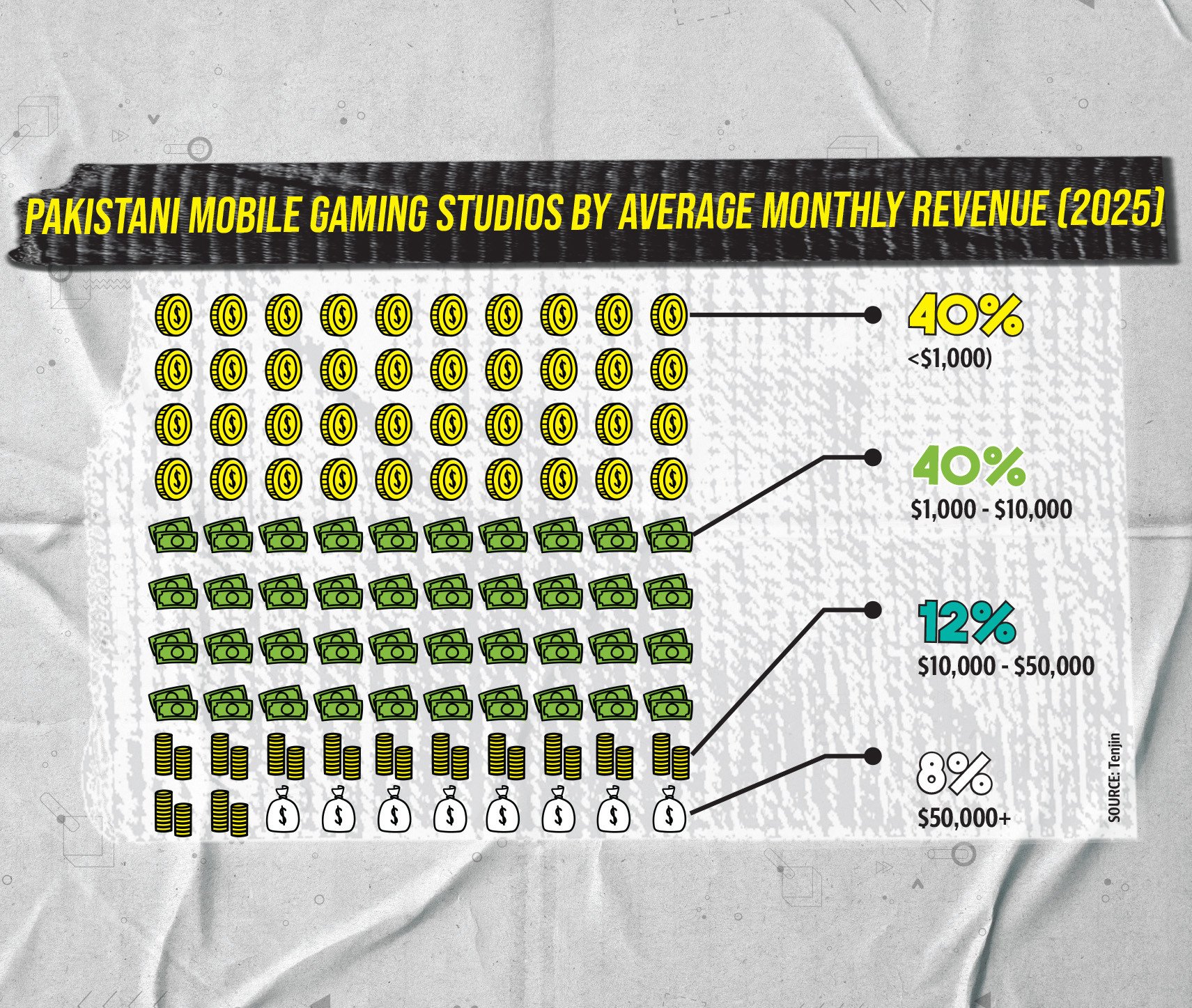
The future of Pakistan in esports
By the time this story was being filed, Pakistan’s first ever PUBG Mobile team to reach the Esports World Cup for PUBG Mobile World Cup (PMWC) 2025 had wrapped up its campaign. 4Thrives, the young squad that carried Pakistan’s hopes into the global arena, finished in seventh place. For a debut appearance, it was a respectable finish, proof that Pakistan could hold its own against the strongest teams in the world. More importantly, it was an experience that gave the players something no practice room back home could replicate the pressure and intensity of competing under the brightest lights in front of a global audience.
On the Tekken side, the fight was still unfolding. Out of seven Pakistani players who traveled to Riyadh, two names once again stood tall as the competition entered its second phase. Arslan Ash and Atif Butt, both carrying the weight of expectation, had qualified for the round of 16. If they clear this stage, the path ahead will lead to the round of 8, then the semi-finals, and eventually the final itself. Each match is not just a test of skill but a reminder of how far Pakistan has come in global esports. Just to remember that in the recent EVO Championship Series, Arsalan Ash and Atif butt were the finalists where Arslan Ash defeated Atif to lift his sixth straight Evo title.
Taken together, these moments underline the duality of Pakistan’s esports story. On one side, there is talent capable of standing shoulder to shoulder with the very best, whether it is in fighting games or mobile gaming. On the other, there is a system that still leaves players to find their own way. The seventh-place finish in PUBG Mobile and the continued progress of Tekken players are more than just results; they are signals of what could be possible if Pakistan built the right foundations at home.
What lies ahead will depend on whether the momentum of these victories is matched by investment, infrastructure, and recognition. Players like Arslan Ash and Atif Butt cannot carry the burden alone forever. Teams like 4Thrives cannot remain exceptions, surviving on grit and isolated support.
That spirit of looking out for each other has already become part of the culture among Pakistani esports players. “Recently I helped send three Pakistani players to the Last Chance Qualifiers for the Esports World Cup. Unfortunately, they couldn’t qualify, but everything, tickets, hotels, food, was sponsored by me and my friends. InshaAllah, if I grow stronger, I’ll create a proper platform in Pakistan so more players can have these opportunities,” shared Bilal.
If the new national policy translates into real facilities, professional leagues, and pathways for young talent, Pakistan could move from being a surprise package to a permanent fixture on the global stage.
For now, though, every victory is a reminder of both triumph and limitation. Pakistan’s players are proving that talent can overcome barriers, at least for now. The question is whether the country will give them a system that allows their victories to become the rule, rather than the exception.
Monday night’s game featuring hometown Miami and championship-starved Indiana is one of the toughest tickets in sports.
Source link
Beloved by his Capitals teammates, backup goalie Charlie Lindgren only cares about one thing.
Source link
NEWYou can now listen to Fox News articles!
Tuesday’s Supreme Court hearing on trans athletes in women’s sports inspired confidence that the majority of justices will side with the legal defense to “Save Women’s Sports” and uphold state bans against biological males in those sports.
But some activists are far from satisfied with how the hearing was conducted.
Multiple female athletes connected to the case and others who rallied outside the court in support of the cultural movement told Fox News Digital their reactions to the hearing, the arguments and the justices’ questions.
CLICK HERE FOR MORE SPORTS COVERAGE ON FOXNEWS.COM
Reactions to the hearing among those women ranged from hopeful optimism for a landmark ruling to jaded disappointment due to the stances and word choice of the justices:
The Defendants
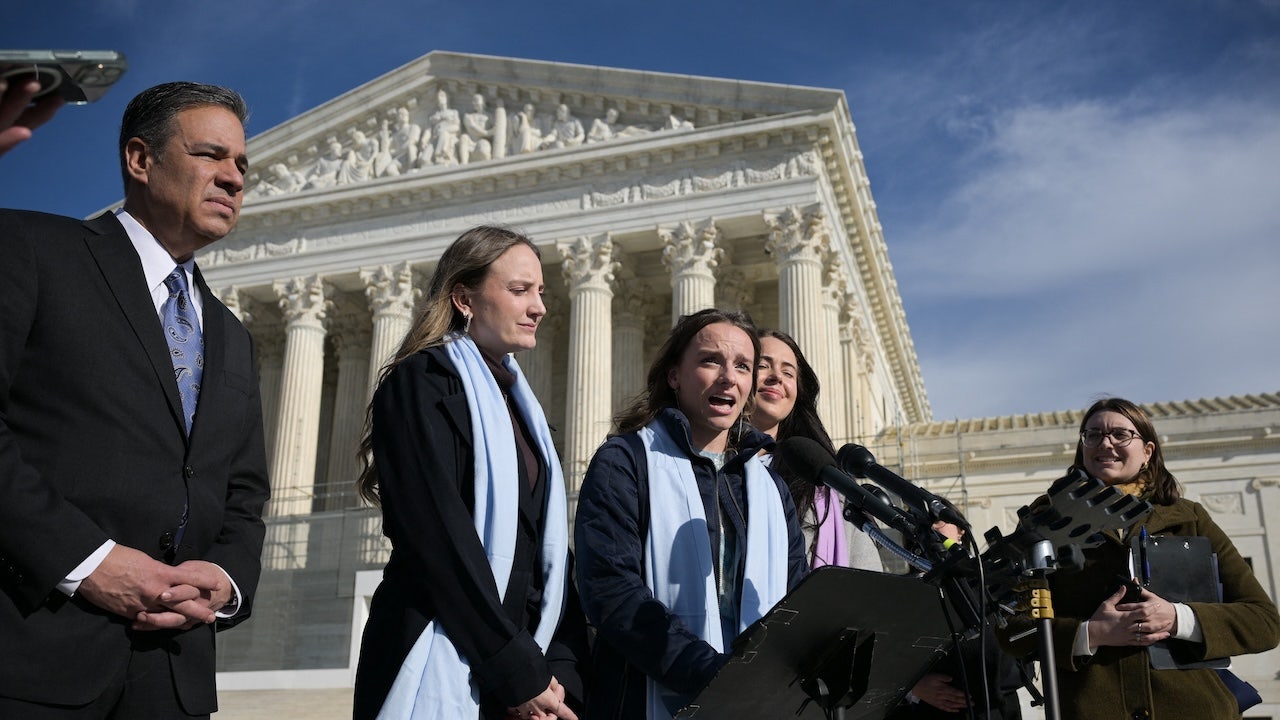
Female athletes party to the case speak outside the U.S. Supreme Court after justices heard arguments in challenges to state bans on transgender athletes in women’s sports on January 13, 2026, in Washington, D.C. The U.S. Supreme Court on Jan. 13 wades into the hot-button issue of transgender athletes in girls’ and women’s sports. (Oliver Contreras / AFP)
Madison Kenyan
Kenyan, a former Idaho State women’s cross-country and track runner, is a voluntary defendant in the Little v. Hecox case, which she decided to join after having to compete against a trans athlete her freshman year in 2019.
“It filled me with excitement and hope for future generations. There should never be a question about states’ rights to protect women’s athletics. I’m glad to see so many people stand up and support something as simple and true as that.”
Mary Kate Marshall
Marshall was Kenyan’s teammate at Idaho State and had to experience competing against the trans athlete with Kenyan, and then joined the case alongside her teammate.
“It is always sad to see the people who have been deceived by the lie that men can become women. No amount of hormones can do that. I remain hopeful that more people will see biological reality for what it is: true and unchanging.”
Lainey Armistead
Armistead, a former team captain for the West Virginia State University women’s soccer team, intervened in defense of West Virginia’s sports law in B.P.J. v. West Virginia case.
“It has been a long journey to make it to the Supreme Court, so it was incredibly meaningful to me to see the argument in person. It was an awesome experience, and I’m really hopeful that the court will protect women’s sports.”
The Protesters
Brooke Slusser

Former San Jose State University women’s volleyball star Brooke Slusser with her parents, Paul and Kim Slusser. (Courtesy of Kim Slusser)
Slusser, a former women’s volleyball co-captain at San Jose State University, sued the NCAA, Mountain West Conference and representatives of her school after discovering a teammate she roomed with and changed with was a biological male in 2024. Her story garnered immense media attention during an election-season news cycle and has prompted a federal investigation into the school.
“It was definitely surreal,” Slusser said of Tuesday’s event, and she is eagerly awaiting resolution on the case, adding that “the unknowing of what’s going to happen next and not getting an answer yet,” is hard for her.
Stephanie Turner
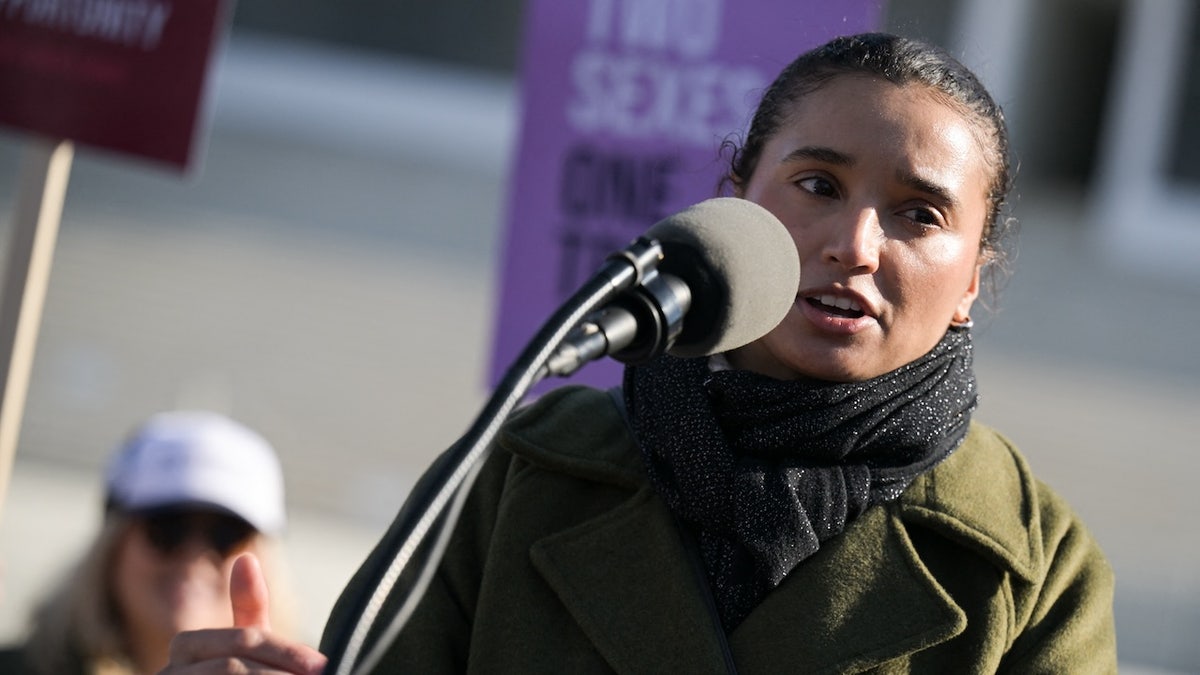
Stephanie Turner, a U.S. fencer who refused to compete against a transgender athlete in high school, speaks outside the U.S. Supreme Court as justices hear arguments in challenges to state bans on transgender athletes in women’s sports on January 13, 2026, in Washington, D.C. (Oliver Contreras / AFP)
Turner, a competitive women’s fencer, became an overnight sensation in the “Save Women’s Sports” movement when footage went viral of her kneeling to protest a trans opponent at a competition last spring. She was disqualified by USA Fencing for refusing to face the opponent and hasn’t competed in USA Fencing since.
“Let me say I was a little disappointed that not that there weren’t any very strong stances from the Supreme Court justices on language, and that they were capitulating to new age terms like cisgender.”
Payton McNabb
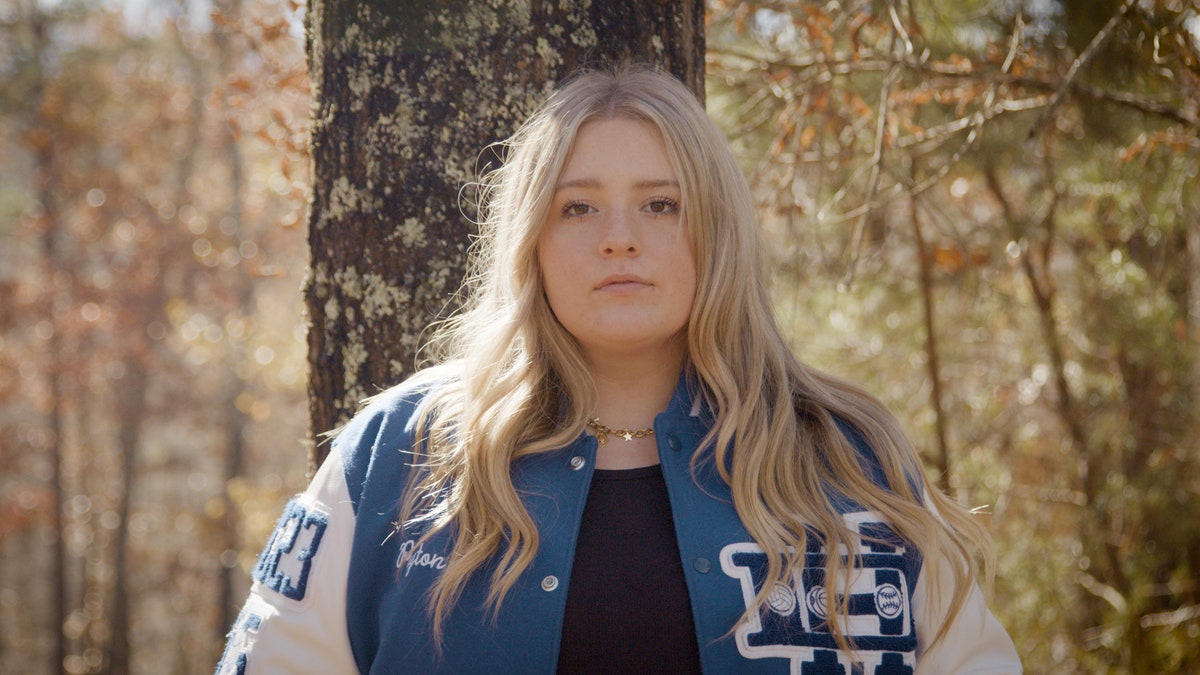
Payton McNabb was severely injured after being struck in the head and neck by a spike from a transgender-identifying male on the opposing volleyball team. (Courtesy of IW Features and Payton McNabb)
McNabb suffered permanent brain damage when she was spiked in the head with a volleyball by a trans athlete during a North Carolina high school match in 2022. McNabb has since become one of the leading activists in the movement and was honored by President Donald Trump’s 2025 joint address to congress.
“There was a time not that long ago when many women were afraid to speak up about this issue. Now, to see it taken seriously at the highest level and to see people no longer afraid to stand up for women and girls was incredibly powerful. It reminded me how far this movement has come and why continuing to speak out matters so much.
“The hardest part was realizing that we have sitting Supreme Court justices who cannot define what a woman is. To me, that strips away credibility. How can someone serve on the highest court in the country and not understand basic biological reality? The fact that defining ‘woman’ has even reached the Supreme Court, and that we don’t know how it will turn out, is astonishing and pathetic.”
Kaitlynn Wheeler
Wheeler is a former University of Kentucky swimmer who had to face transgender UPenn swimmer Lia Thomas in the 2022 NCAA championships.
“What hit me the hardest was how little anyone talked about the girls impacted. During the oral arguments, it was nonstop about men and boys, their feelings, their experiences, their access and the girls who Title IX was literally written for were basically an afterthought. And that’s sick to me.
“Then there is this push to reduce women down to a circulating testosterone threshold, like that’s all we are. As if womanhood can be boiled down to a lab result. That’s insulting. Women are not a hormone level. We are complex. We are different, and we deserve protections because of that not in spite of it.”
Macy Petty
Petty, a former women’s volleyball player at Lee University who had to face a transgender opponent during her college career, is now a legislative strategist for the Concerned Women of America.
“Yesterday’s events proved that the movement to protect and promote opportunities for women in sports isn’t just a flash reaction to insanity, we’ve cemented ourselves as a legacy. One of my biggest takeaways was seeing the history we’ve built, and continue to build.
“Some of the involved athletes have been in this for nearly a decade, and many of the thought leaders even long before that. Yet still, the coalition continues to grow and new athletes are standing up daily.”
Sophia Lorey
Lorey, a former women’s soccer player at Vaguard University, is currently the outreach director for the California Family Council and has been on the front lines of bringing awareness to the issue of trans athletes in girls’ sports in California – the nation’s biggest hotbed of incidents.
“I was disappointed that the hearing so often centered on the desires of males rather than the rights and safety of women and girls, the very people this debate is supposed to protect. Justice Alito stood out by grounding the discussion in reality, asking the most basic question: what is a man and what is a woman?
“When the ACLU attorney admitted she could not even define what a man or a woman is, it exposed how detached from reality this entire argument has become. Justice Ketanji Brown Jackson’s reference to sex being ‘assigned at birth’ was especially concerning.
“While some justices appeared willing to concede women’s rights through language and abstraction, such as when Justice Amy Coney Barrett adopted terms like ‘trans girls’, I believe science, Title IX, and the Constitution are on the side of women and girls, and that truth will ultimately prevail.”
CLICK HERE TO DOWNLOAD THE FOX NEWS APP
Kaylie Ray
Ray is a former women’s volleyball player at Utah State, and was part of the team that forfeited to San Jose State in 2024 to avoid facing Slusser’s transgender teammate.
“I think it’s unfortunate that some of the liberal-leaning justices were very ideological in their questioning, almost as if they are looking for rationalizations and justifications for allowing this injustice to continue. I don’t feel this should be a left or right issue, this is a women’s issue.
“And the truth is simple: men do not belong in women’s sports or spaces. It’s also disheartening to know that we have a sitting justice who doesn’t know or could not define what a woman is. Still, I am hopeful though that the court will rule in favor of upholding the bans.”
Follow Fox News Digital’s sports coverage on X, and subscribe to the Fox News Sports Huddle newsletter.

Want to go to the national championship game? Got (at least) $2,700?

Pro-Iran protests held in Indian-occupied Ladakh

Burberry celebrates Year of the Horse 2026 with Shanghai campaign

-

 Politics1 week ago
UK says provided assistance in US-led tanker seizure
-

 Entertainment1 week ago
Does new US food pyramid put too much steak on your plate?
-

 Entertainment1 week ago
Why did Nick Reiner’s lawyer Alan Jackson withdraw from case?
-
 Business1 week ago
Trump moves to ban home purchases by institutional investors
-

 Sports1 week ago
PGA of America CEO steps down after one year to take care of mother and mother-in-law
-

 Sports4 days ago
Clock is ticking for Frank at Spurs, with dwindling evidence he deserves extra time
-
 Business1 week ago
Bulls dominate as KSE-100 breaks past 186,000 mark – SUCH TV
-
 Business1 week ago
Gold prices declined in the local market – SUCH TV