

Business
Gen Z turn to trade jobs for steady pay and AI-proof work, data finds


Younger workers are driving jobs growth within the construction and trade industry, as Gen Zs turn to blue-collar work amid rising youth unemployment and the looming threat of artificial intelligence (AI), new data suggests.
Data from HR platform Employment Hero showed that the hiring of Gen Z workers significantly outpaced other generations last month.
Employment for the age group – incorporating those born between 1997 and 2012 – increased by 16.8% in January, compared with the same month last year.
In comparison, Gen Y employment grew by 5.5%, Gen X by 6.7%, and Baby Boomer by 7.1% year-on-year in January, according to the data.
Employment Hero analysed payroll data from more than 500 construction and trade businesses in the UK that use its platform, representing around 13,000 employees.
It also found that wages in the sector grew by 9.6% year-on-year in January, based on a three-month rolling average.
The company said its analysis points to a broader generational shift in career preferences, with many younger workers enticed by trade roles that offer immediate earnings opportunities and the potential for pay growth.
It also comes as many businesses say they are leaning further into the use of AI and automation to reduce costs and make their work more efficient, which raises fears about the displacement of workers and future job stability.
Official figures on Tuesday showed that unemployment among young people is at its worst level for more than a decade.
The jobless rate for 16 to 24-year-olds surged to 16.1% in the three months to December – the highest level since early 2015.
Businesses within sectors like retail and hospitality, which typically attract younger workers, have particularly been squeezed by rising labour costs, which experts have said is having a knock-on impact on hiring.
Kevin Fitzgerald, UK managing director of Employment Hero, said: “With Gen Z employment rising three times faster than other cohorts, it’s a clear sign that they are leading the revival of the blue-collar workforce.
“It’s clear from recent announcements that the Government sees vocational training and apprenticeships as playing a huge role in addressing the UK’s youth unemployment challenge and our figures show that the sector is playing its role in driving towards that mission.”
The Government has pledged to invest £725 million to go toward the creation of 50,000 apprenticeships in an effort to tackle rising youth unemployment.
Trump wrote: “Tuesday will be Power Plant Day, and Bridge Day, all wrapped up in one, in Iran. There will be nothing like it!!! Open the Fuckin’ Strait, you crazy bastards, or you’ll be living in Hell – JUST WATCH! Praise be to Allah. President DONALD J. TRUMP”.

Families on some benefits with three or more children will get an average rise of £4,100 a year.
Source link
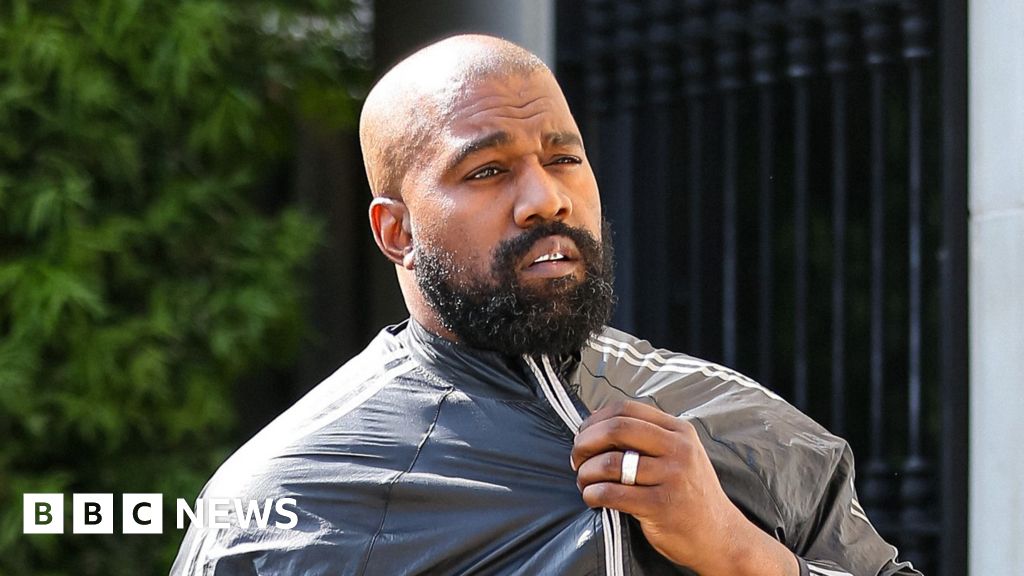
Sir Keir Starmer says it is “deeply concerning” the rapper is set to headline a festival after recent antisemitic comments.
Source link


Inside the origin story of ‘One Shining Moment’ — the highlight of March Madness
Oil back above $110 after expletive-laden Trump threat to Iran

Duke star Cam Boozer says he suffered fractures around eye

-

 Sports1 week ago
USMNT handed reality check by Doku, Belgium ahead of World Cup
-

 Sports1 week ago
2026 NCAA men’s hockey tournament: Schedule, results
-

 Fashion1 week ago
EU apparel imports slump 15.48% YoY in Jan; Bangladesh hardest hit
-
Uncategorized3 days ago
[CinePlex360] Please moderate: “Trump signals p
-
Uncategorized7 days ago
[CinePlex360] Please moderate: “Further tariff
-

 Tech2 days ago
Our Favorite iPad Is $50 Off
-

 Entertainment1 week ago
The Avett Brothers’ bassist explains why he wrote a book about John Quincy Adams
-
Uncategorized1 week ago
[CinePlex360] Please moderate: “Apple scrapping