

Business
Gold demand outlook: Import duty hike may reduce India’s demand by 50-60 tonnes in 2026; WGC flags impact


India’s gold demand is likely to decline by 50-60 tonnes in calendar year 2026, or about 10 per cent lower than the previous year, following the recent increase in import duty, according to the World Gold Council (WGC), PTI reported. In its India gold market update, WGC said: “Looking at 2026 as a whole, we estimate that combined jewellery and bar and coin demand could decline by around 50-60 tonnes, around 10 per cent lower than the previous year, due to the impact of the import duty hike.” The gold import duty was increased sharply from 6 per cent to 15 per cent, making it the largest increase on record and fully reversing the reduction announced in July 2024. Prime Minister Narendra Modi has also appealed to consumers to avoid buying gold for a year. WGC said annual demand would also be influenced by factors including gold prices, income levels, inflation and monsoon conditions. “Our econometric models suggest that changes in import duties tend to impact gold demand in both the short and long term, although the impact differs across jewellery and investment products such as bars and coins. Investment demand appears more sensitive to duty changes, while jewellery demand has shown greater resilience,” WGC said. According to the council, jewellery consumption is influenced more by prices and inflation and is less affected by import duty changes, partly because purchases are often linked to weddings and social occasions. Investment demand, however, tends to respond more sharply to income levels, duties and restrictions, while inflation and rainfall patterns can also influence buying trends in the short term. WGC also pointed to a historical link between higher import duties and unofficial gold inflows. It said duty increases between 2013 and 2026 were generally followed by higher levels of smuggled gold, while duty reductions coincided with sharp declines in such inflows. Following the 4 per cent duty increase in 2013, unofficial imports rose sharply from around 10 tonnes in the first quarter of that year to 70 tonnes by the same period in 2014, a seven-fold increase in less than a year. The council said unofficial inflows remained elevated even when duties stayed unchanged, suggesting smuggling networks once established are difficult to dismantle. A similar trend was observed after import duty was increased from 10.75 per cent to 15 per cent in July 2022. However, after the duty was cut to 6 per cent in July 2024, unofficial imports dropped almost immediately to near-zero levels, WGC added



Business
Disney’s ‘Star Wars: The Mandalorian and Grogu’ tallies lowest Thursday preview sales in franchise history

Still from “Star Wars: The Mandalorian and Grogu.”
“Star Wars” returns to the big screen for the first time in seven years this weekend, riding the contrails of a Mandalorian’s jetpack.
Disney’s “Star Wars: The Mandalorian and Grogu” tallied $12 million in Thursday night preview sales, the lowest collection of advanced tickets in the franchise’s history, according to data from Comscore. “Solo: A Star Wars Story” was the previous low bar with $14.1 million in preshow tickets back in 2018.
Box office analysts expect the film based on the hit Disney+ show “The Mandalorian” to generate around $80 million for its three-day opening weekend and around $95 million for the four-day Memorial Day holiday weekend. Some less conservative experts have estimated the three-day haul could be $95 million and the holiday weekend could draw $115 million.
That would be one of the smallest openings of a “Star Wars film in modern cinematic history. “Solo” captured $84.4 million during its opening eight years ago. Since 2015, only “Solo” has opened to less than $100 million domestically, Comscore data show.
“The Mandalorian and Grogu” will likely benefit from the popularity of the television show, the long Memorial Day weekend and limited competition from new titles, especially on premium large format screens.
It will also act as a stress test for future “Star Wars” theatrical releases amid a lackluster cinema run for “Star Wars” and Marvel, the tentpole franchises that helped Disney dominate the global box office in the 2010s. The studio has “Starfighter” arriving in cinemas in 2027 starring Ryan Gosling and directed by Shawn Levy.
New “Star Wars” titles have been absent from cinemas since 2019’s “The Rise of Skywalker.” The final film in the Skywalker Saga and third film in what has become known as the sequel trilogy generated more than $1 billion, but was widely panned by critics and fans. Disney and its Lucasfilm studio paused theatrical productions in favor of reestablishing the franchise on streaming service Disney+.
“The Mandalorian,” which premiered just a month before “The Rise of Skywalker,” was a runaway hit for the company and inspired a number of live-action Star Wars projects to get a series run instead of a theatrical one. These include “Andor,” “Obi-Wan Kenobi,” “Ahsoka,” “Skeleton Crew,” “The Acolyte” and “The Book of Boba Fett.”
Lucasfilm tapped director Jon Favreau, who worked alongside the newly minted head of the studio Dave Filoni to bring “The Mandalorian” to Disney+, to helm “The Mandalorian and Grogu.” The feature film had a slightly smaller budget than typical Star Wars films, with the cost of production estimated to be around $165 million. Other “Star Wars” projects released theatrically in the previous decade had production budgets of $250 million or higher, according to data from The Numbers.
This means that “The Mandalorian and Grogu” has a smaller profitability threshold than previous titles from the franchise. Of course, those production budgets do not include marketing spending.
For parent company Disney, it’s not just about the box office numbers. The film has a robust consumer products launch tied to its release.
The “Star Wars” franchise has consistently been a strong seller at retail even without a theatrical release. So having new products across a variety of categories and brands could be a big boon for the company — especially after the character Grogu, known as “Baby Yoda,” was a runaway hit with fans.
Notably, following the 2015 release of “Star Wars: The Force Awakens,” the first of Lucasfilm’s latest “Star Wars” trilogy, Hasbro alone saw sales of “Star Wars” products reach nearly $500 million.
Not to mention, Disney is already doing tie-ins at its theme park locations, including specialized merchandise and a revamp of its Smugglers Run ride featuring Grogu.
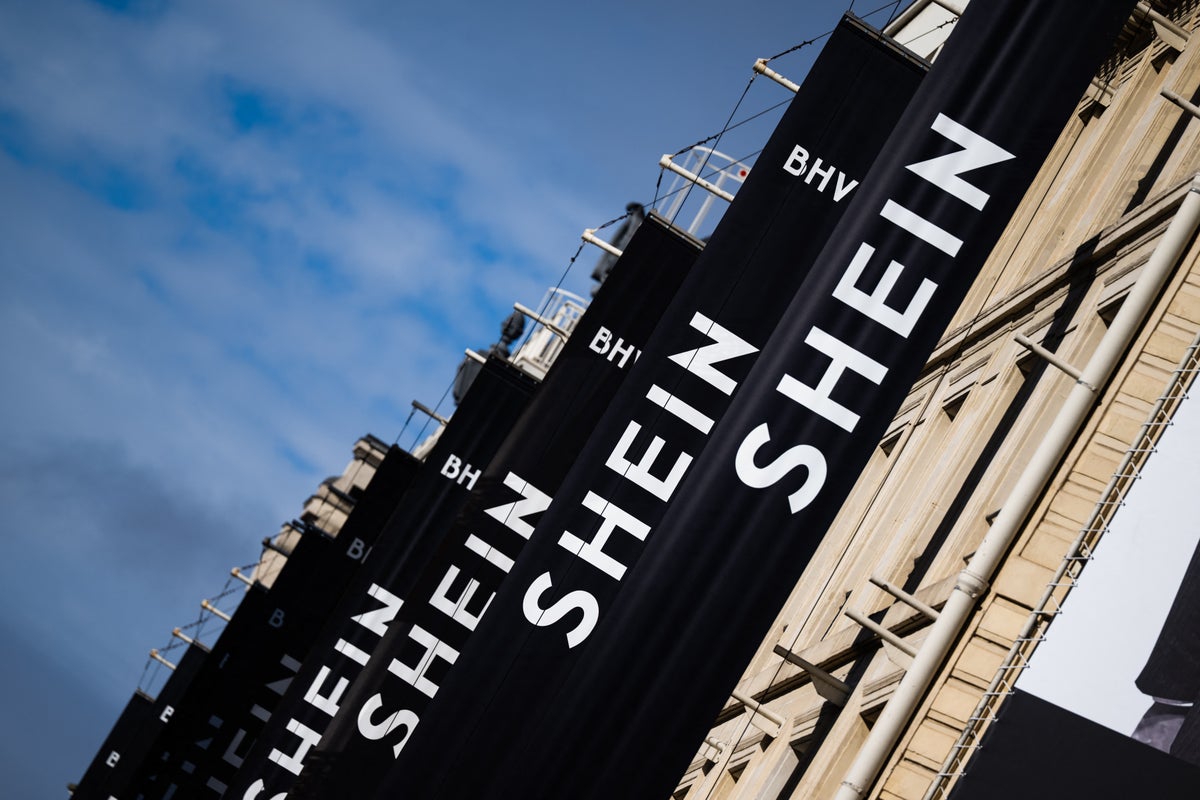
Everlane, the retailer that built its brand on a promise of affordable, ethically sourced, and sustainable clothing, is being acquired by Chinese fast-fashion giant Shein.
The deal was confirmed to Everlane employees by CEO Alfred Chang.
No purchase price has been disclosed, and Shein declined to comment.
Founded in 2011 by Michael Preysman and Jesse Farmer, Everlane championed transparency, regularly publicising audits of its pay, working conditions, and environmental impact.
But the company in recent years has been embroiled in controversies surrounding treatment of its workers, according to media reports.
L Catterton began acquiring significant stakes in Everlane in September 2020. It also owns a significant stake in brands Boll & Branch, Etro and Birkenstock.
Preysman officially stepped down in 2022.
“Like many brands, we’ve faced increasing pressure in a rapidly changing retail landscape,” Chang wrote in the letter. “This partnership allows us to remain independent, and gives us the stability and resources to make a larger impact, without compromising on the quality and standards that make Everlane, Everlane.”
Chang, who became CEO in 2024, wrote that the deal will enable the business to invest more in its product, innovation and staff. He emphasized that Everlane will remain an independent brand, staying true to its “sustainability” commitments.
Chang said he will continue as CEO and its leadership will remain in place.
The takeover bid arrives at a time when Everlane is struggling. Sales are down and debt has mounted, according to Neil Saunders, managing director of GlobalData Retail. The company needs new ownership to survive and Shein can provide that financial stability, he said.
Shein can establish a presence outside of fast fashion through Everlane, Saunders said, as growth within the industry becomes more difficult. Tariffs and other trade restrictions under the Trump administration have upended imports of the inexpensive clothing that dominates fast fashion.
But Everlane and Shein are an odd couple, Saunders noted.
Shein is unlikely to completely retool Everlane’s supply network, Saunders said, but even being associated with the Shein group may be “somewhat jarring for core Everlane customers. ”
“Ultimately, the deal likely saves Everlane,” he said. “But that salvation comes at a price.”
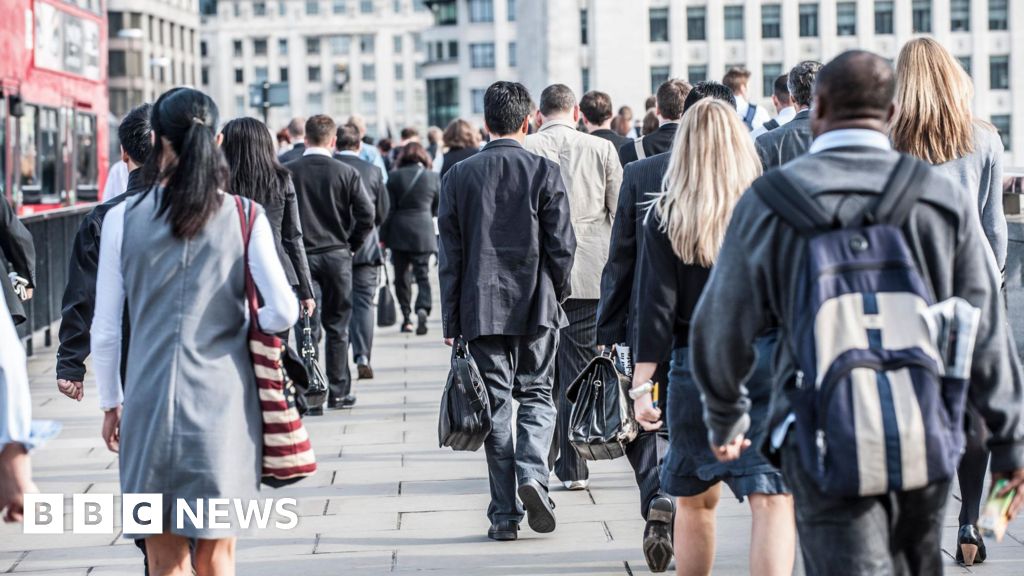
In March’s Spring Statement, the government’s independent forecaster, the Office for Budget Responsibility (OBR), forecast that the headroom Chancellor Rachel Reeves had against her rule not to borrow to fund day-to-day spending in five years’ time was £23.6bn. However, the OBR’s forecast was made before the Iran war began.


Unruly passenger tries to open United Boeing 737 door at 36,000 ft: Here’s what happened

The Best Memorial Day Tech Deals Worth Checking Out
Disney’s ‘Star Wars: The Mandalorian and Grogu’ tallies lowest Thursday preview sales in franchise history

-

 Entertainment6 days ago
Where Pete Davidson, Elsie Hewitt stand after breakup: Details revealed
-
 Business1 week ago
Jersey Election 2026: Cost of living concern in St Helier Central
-

 Entertainment1 week ago
Emilia Clarke recalls near-death incident while filming ‘Game of Thrones’
-

 Politics6 days ago
Rising diesel costs from Iran war strain US school budgets
-

 Politics1 week ago
UK’s Starmer faces survival battle as potential rivals circle
-
 Tech1 week ago
Greg Brockman Officially Takes Control of OpenAI’s Products in Latest Shakeup
-

 Entertainment1 week ago
Drake drops highly anticipated "Iceman" album, plus two surprise albums
-
 Politics1 week ago
Trump says China will order 200 Boeing jets