

Business
Govt proposes cutting power tariffs, raising fixed charges – SUCH TV


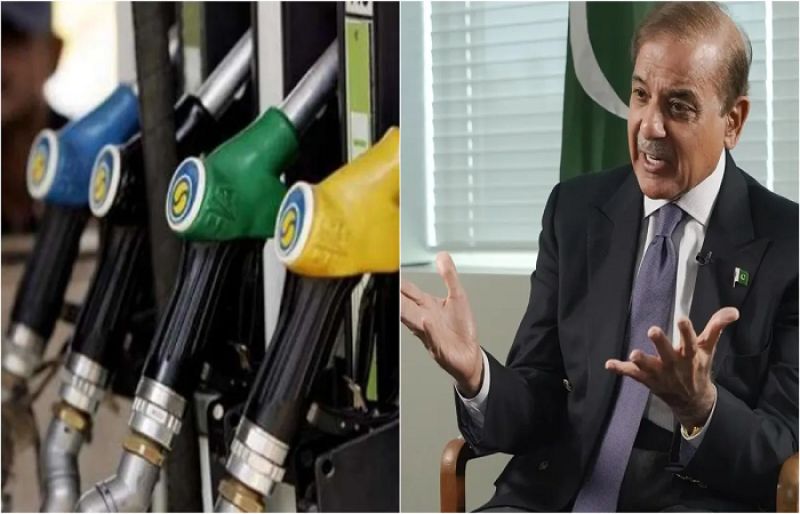
The government has proposed a downward revision of up to Rs1.53 per unit in the base electricity tariff for some domestic power consumers, while recommending higher fixed monthly charges for certain protected and unprotected households, according to a motion filed with the National Electric Power Regulatory Authority (Nepra).
The move aims to rationalise tariffs for the calendar year 2026, balancing affordability for low-usage consumers with recovery of costs from higher users.
Under the proposal, protected consumers using 51–200 units would face fixed charges of Rs200–300 per month, while unprotected consumers consuming up to 600 units could see up to 100% increases in fixed charges, with monthly rates rising from Rs200 to Rs675 depending on consumption.
Conversely, households consuming 601–700 units and above 700 units would see fixed charges reduced from Rs800–1000 to Rs675 per month.
The government also proposed reductions in base tariffs for higher-usage unprotected consumers.
For 301–400 units consumption, a drop of Rs1.53 per unit to Rs36.46 is proposed; for 401–500 units, Rs1.27 to Rs38.95 and for 501–600 units, a cut of Rs1.40 to Rs40.22 has been suggested.
Similarly, for 601–700 units, Rs0.91 per unit cut to Rs41.85; and above 700 units, Rs0.49 to Rs47.20 per unit has been proposed.
Lower-usage unprotected consumers (1–300 units) and lifeline protected consumers would see tariffs largely unchanged, ranging from Rs3.95 to Rs33.10 per unit depending on usage.
Nepra will hold a public hearing on February 10, 2026, allowing stakeholders and consumers to comment on the proposed tariff adjustments.
Energy analysts say the plan reflects the government’s attempt to shield low-usage households from rising electricity costs while passing higher fixed charges to moderate and high-usage consumers, a move likely to impact urban households more significantly.
The proposal underscores ongoing challenges in Pakistan’s power sector, as policymakers try to balance affordability, cost recovery, and financial sustainability for utilities.
Hike in Feb electricity bills
Meanwhile, electricity consumers, including those of K-Electric, will face an additional Re0.284 per unit in their February bills following a fuel charges adjustment for December 2025.
The hike, announced by the Nepra, comes as electricity costs rose last December while consumers were billed at lower rates.
The increase applies to all consumer categories except lifeline users, pre-paid electricity customers, and electric vehicle charging stations, and will also impact Incremental Consumption Package users.
Nepra clarified that bills issued before the notification will incorporate the adjustment in subsequent cycles, and the change will be itemised separately on bills.
The adjustment underscores ongoing challenges in Pakistan’s power sector, as fuel price volatility continues to influence electricity tariffs and billing for both urban and rural consumers.










new video loaded: How Kharg Island May Change the Trajectory of the Iran War
By Peter Eavis, Gilad Thaler, Edward Vega, Lauren Pruitt and Joey Sendaydiego
March 25, 2026
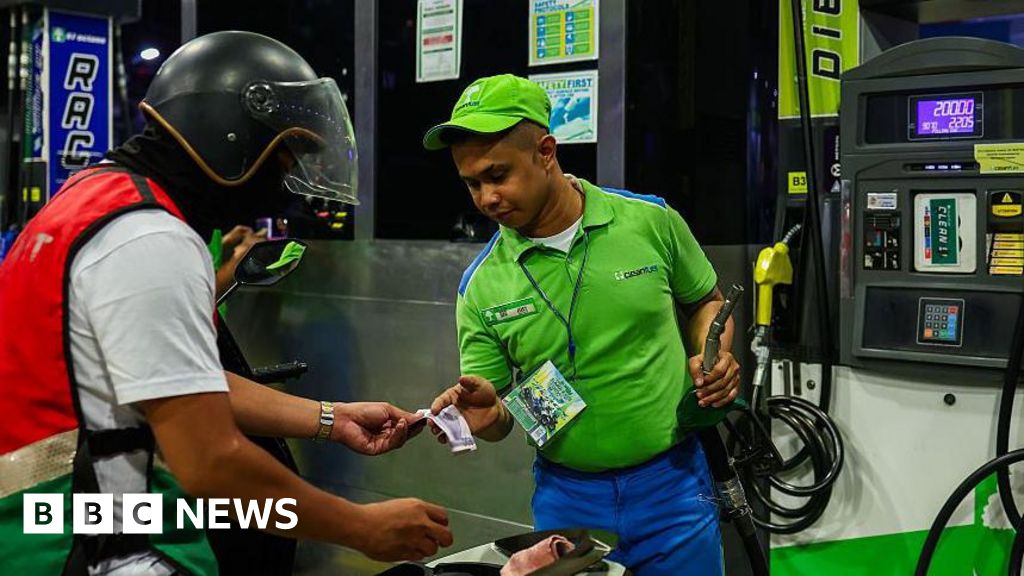
Crude rose back above $100 a barrel as the US and Iran clashed over bringing the conflict to an end.
Source link

Key Points
- JLL has a major footprint in the Middle East, managing and leasing properties in Dubai and Abu Dhabi in the United Arab Emirates and in Riyadh, Saudi Arabia.
- CEO Christian Ulbrich said the business impacts of the Iran war depend on how long the conflict lasts.
- “It’s a tragedy from a point that the region was on a really strong growth trajectory, and this is, at the moment at least, interrupted for the time being,” Ulbrich said.


Trump to visit China in May after Iran war delay
Video: How Kharg Island May Change the Trajectory of the Iran War
Oil prices volatile as Trump talks up Iran negotiations

-

 Fashion1 week ago
Sales at US apparel, clothing accessories stores up 4% YoY in Jan 2026
-
 Tech1 week ago
Justice Department Says Anthropic Can’t Be Trusted With Warfighting Systems
-
 Business1 week ago
Stocks and pound rise as US rate call approaches
-

 Sports1 week ago
March Madness 2026 – How to watch in SA, start time, schedule, TV channel for NCAA championship basketball tournament
-

 Entertainment1 week ago
Val Kilmer revived 1 year after death through AI
-
 Business1 week ago
Brits cashing in jewellery as gold price hits record high
-

 Tech1 week ago
Meta Is Shutting Down Horizon Worlds on Meta Quest
-

 Fashion1 week ago
Spain’s Inditex FY25 sales rise 3.2% to $46.28 bn amid strong demand