

Business
Govt to provide relief to power consumers – SUCH TV


The federal government has decided to provide another relief to the electricity consumers as it will now provide relief on monthly basis through the amount collected under the Captive Power Levy.
Sources told t that the government planned to provide relief after a gap of two months.
The federal cabinet has already approved the provision of relief to consumers with the levy.
Sources added the government was expecting more relief with an increase in the levy.
They informed that the government had shared the plan to slash electricity prices with the IMF.
There is a law to impose 20 per cent levy on captive power plants in phases.
The amount generated from the levy would be used to lower tariff for the electricity consumers of all categories.
The federal government had in June 2025 enacted Captive Power Plants Levy Act under which five per cent levy was imposed on these plants with immediate effect.
In the second phase, the ratio of levy will be increased to 10 per cent, while in February 2026, it would be enhanced to 15 per cent and 20 per cent in August 2026.
In the event of non-payment of levy, action would be taken against these plants.
And in case of permanent default, the supply of gas to the concerned plant would be suspended.
The government had increased tariff for these plants on February 1, 2025.
Gas tariff for these plants had been increased from Rs3,000 to Rs3,500.
It was after an increase in tariff that the levy was imposed.


The platforms have grown in popularity, with some users making bets on global events.
Source link
TV channels for dogs are multiplying but research is mixed on whether dogs are watching.
Source link
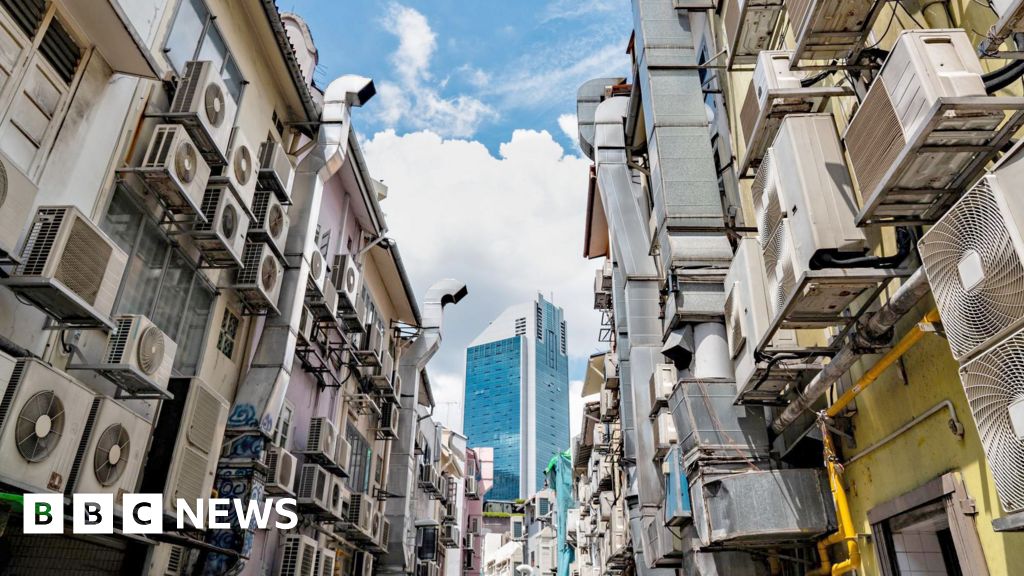
The rise in energy prices has hit Asia particularly hard as many nations are heavily reliant on Gulf oil.
Source link


South Korea’s apparel imports rise slightly to $1.9 bn in Jan-Feb

India ITME delegation explores textile ties in Indonesia
White House staff warned not to place bets on prediction markets

-
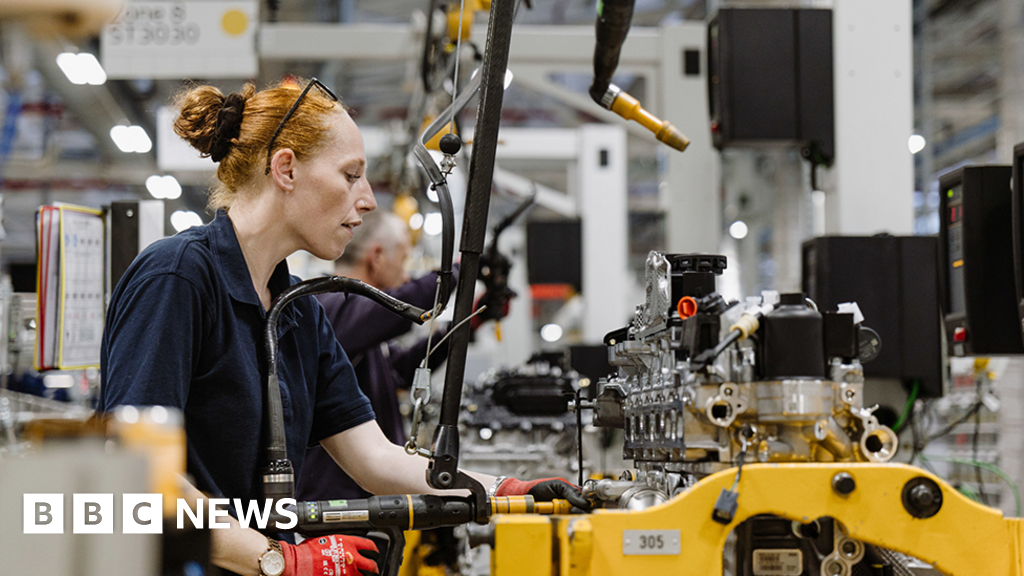 Business1 week ago
Jaguar Land Rover sees sales recover after cyber attack
-
Uncategorized1 week ago
[CinePlex360] Please moderate: “Trump signals p
-

 Entertainment6 days ago
Joe Jonas shares candid glimpse into parenthood with Sophie Turner
-

 Tech6 days ago
Our Favorite iPad Is $50 Off
-

 Sports6 days ago
UConn Final Four run could trigger a $50M furniture giveaway for Massachusetts-based Jordan’s Furniture
-

 Entertainment6 days ago
Blake Lively reacts to harassment claims dismissal against Justin Baldoni
-

 Fashion1 week ago
China’s Anta Sports posts record $11.62 bn revenue in 2025
-
 Business7 days ago
Video: Why Is the Labor Market Stuck?