

Business
GSK boss says US is the best country to invest in

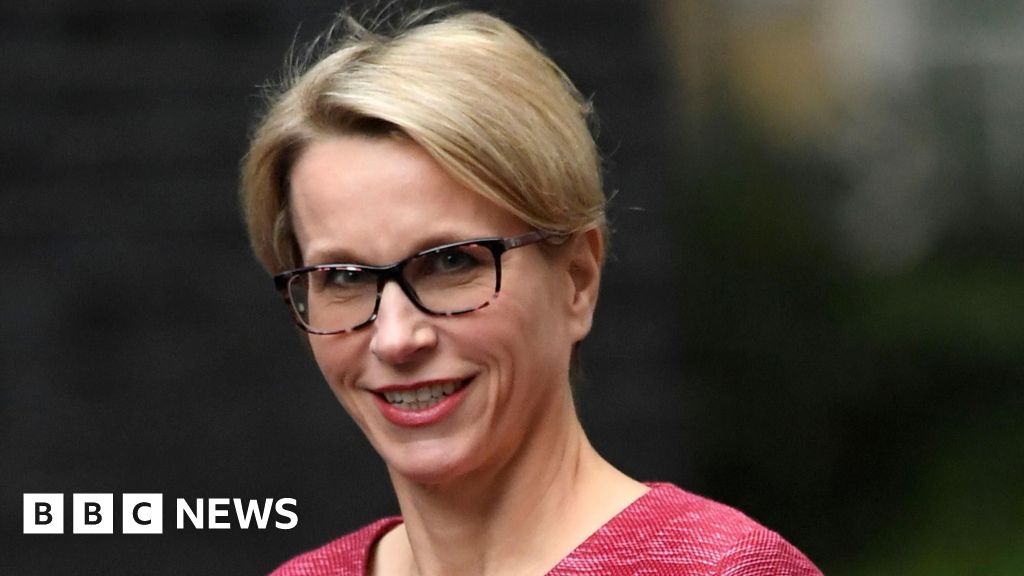
Simon Jack,Business editorand
Archie Mitchell
While successive governments have stressed that the UK is a superpower in life sciences, in the eyes of one of the country’s biggest pharmaceutical companies, the US is the best place to invest.
The boss of the vaccines and medicines giant GSK, Dame Emma Walmsley, has told the BBC the company will invest $30bn (£23bn) in the US by the end of this decade.
The cash injection across the pond comes as other major drug makers have pulled UK projects worth billions after years of frustration over NHS drug budgets and pressure from President Donald Trump to set up production in the states.
And despite a new deal which will see the NHS pay more as part of a zero tariffs deal on shipping UK pharmaceuticals to America, Dame Emma is not going to “shy away” from GSK’s US investment plans.
The US is where the pharma giant makes more than half its turnover and is “still the leading market in the world in terms of the launches of new drugs and vaccines,” she says.
Alongside China, it is “the best market in the world to do business development”.
GSK’s latest stateside investment drive followed US pharmaceutical company Merck – which is called MSD in Europe – scrapping a planned £1bn expansion of its UK operations.
UK drug maker AstraZeneca has also announced it is pausing a planned £200m investment in a Cambridge research facility while ploughing tens of billions of dollars into the US.
Other drug companies have also said there is little appetite to invest in the UK, which successive governments have insisted is a life sciences superpower.
Dame Emma, who will leave GSK in January after eight years at the helm, stressed that GSK remains committed to the UK, noting that the interview was being carried out in its new global headquarters in London.
“No one should be deluded that the UK is going to be a massive scale market, a domestic market, but it can be an exporter of innovation in life sciences,” she says.
“For GSK, it’s 2% of our sales are here. More than 50% are in the US. But we’re very heavily invested, and remain committed to being invested in terms of manufacturing and research and development.”
Despite challenges facing Britain’s pharmaceuticals industry, Dame Emma welcomes the deal to scrap tariffs on UK drug shipments to the US as “a step in the right direction” for Britain.
The deal means the UK will pay more for medicines through the NHS – in return for a guarantee that US import taxes on pharmaceuticals made in the UK will remain at zero for three years.
Dame Emma says it is a welcome reversal of a long term decline in the portion of the NHS budget spent on medicines compared to other countries’ health systems.
The move, she suggests, will encourage the kind of innovation that supports ground-breaking new medicines, such as GSK’s new asthma drug which can be taken twice a year and could slash hospital admissions by 70% for serious asthma sufferers.
GSK hopes the new treatment will be approved for use by the NHS within weeks.
Asked about the health of the UK, Dame Emma says there are “social demographic root causes” for its decline.
She says health outcomes vary widely depending on where you live: “You can probably get a 10 or 15-year difference in lifespan prospects depending on which postcode you’re in.”
Dame Emma pointed to British diets and a lack of education around nutrition as part of the problem.
“I think there’s no question that the food system is fundamentally something we need to look at harder.”
Dame Emma also opened up about the differences she has experienced between the NHS and the private healthcare system in the US, having given birth in London, Paris and twice in New York.
“Both the experience of childbirth and all the follow up that happens afterwards are very, very different,” she says. “Anything from the advice you’re given.. .the frequency with which you are expected to be visited, how long you are in hospital and what kind of follow-up advice.”
Dame Emma added what matters is the balance of price, access and outcomes, and that the NHS still has “work to do” on getting the balance right.
Dame Emma, who also sits on the board of Microsoft, says the world is on the cusp of major advances in health science thanks in part to advances in AI which promise to accelerate innovation
“90% of the projects in our industry don’t work, they take a decade and cost billions. Getting to a place where you just double that to you know, instead of 10% working, 20% working will completely change the trajectory of innovation.”
In the end, she adds, few things are more important than health. “It is one of the few things that every single person on the planet ends up caring about.”
Heineken has announced a substantial investment exceeding £44 million into hundreds of its pubs across the UK, a move expected to create approximately 850 jobs.
The Dutch brewing giant’s Star Pubs operation, which manages 2,350 sites nationwide, is undertaking this significant financial commitment despite a challenging period for the pub sector.
The industry has faced considerable pressure over the past year, grappling with escalating labour costs and increases in national insurance contributions.
Concurrently, consumer spending has been constrained by concerns over inflation and rising unemployment, further impacting pub revenues. However, pubs did receive additional business rates support from the government last month, aimed at alleviating some of these financial burdens.
Lawson Mountstevens, managing director of Star Pubs, indicated that the investment strategy is partly designed to bolster revenues and help the group navigate the recent “sustained increases in running costs”.
This year, £44.5 million will be allocated to upgrades for 647 pubs. A notable 108 of these venues are earmarked for particularly significant cash injections, with each transformation costing at least £145,000.
Heineken clarified that while the majority of its pubs are group-owned, they are independently operated by local licensees. A key focus for this investment, particularly in the lead-up to the 2026 football World Cup, will be on sports-focused venues.
The pub firm and brewer has a history of significant investment in British pubs, having pumped £328 million into the sector since 2018. Work has already commenced at 52 locations, including eight projects dedicated to reopening boarded-up pubs that have endured lengthy closures.
Mr Mountstevens also urged the government to reduce the tax burden on pubs, arguing it would ease cost pressures and foster further job creation within the industry.
He stated: “We can only do so much; the root-and-branch reform of business rates that the industry has been calling for over many years is urgently required, as well as a lowering of the burden of taxation on pubs, including VAT and beer duty.”
He concluded with a direct appeal: “We are calling on the Government to support us in bringing out the best in the Great British pub.”
GameStop’s boss Ryan Cohen says he sees potential to make eBay a much bigger rival to Amazon.
Source link
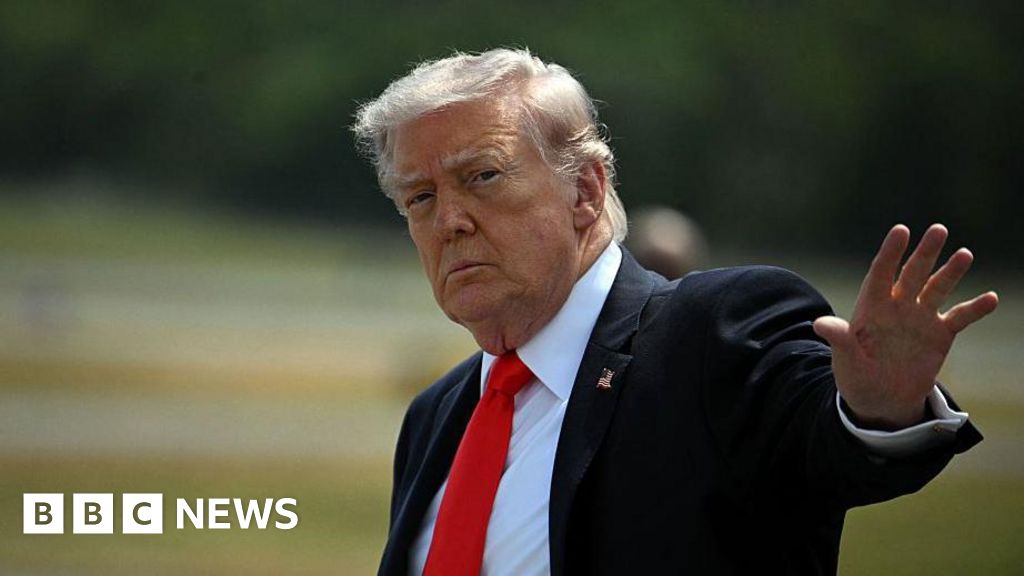
It comes as the US said on Monday it will begin to help “guide” vessels out of the Strait of Hormuz.
Source link


Greg Brockman Defends $30B OpenAI Stake: ‘Blood, Sweat, and Tears’

Met Gala 2026 “Costume Art” red carpet pictures from New York City

Jack Brooksbank opts for intimate celebration as new baby brings fresh focus

-

 Tech1 week ago
A Brain Implant for Depression Is About to Be Tested in Humans
-

 Tech1 week ago
Almost 90% of women leave tech industry within 10 years | Computer Weekly
-
 Business1 week ago
Pakistan’s oil market is fuelling the crisis | The Express Tribune
-
 Business1 week ago
‘I had £20,000 stolen and had to fight a 13-month fraud reporting rule to get it back’
-

 Sports7 days ago
Pro wrestling star Steph De Lander reveals how colleague’s advice helped lead her to title triumph at ACW
-

 Entertainment1 week ago
Melania Trump says ABC should ‘take a stand’ on late-night host Kimmel
-
 Tech7 days ago
This Ambitious Laptop Doesn’t Leave Much Room for Your Hands
-

 Entertainment1 week ago
Norway joins Type 26 Frigate Programme to boost NATO naval power