

Entertainment
Harry Styles happier than ever with Zoe Kravitz: Report


Harry Styles and Zoë Kravitz have been making headlines with their frequent step outs.
However, a new report of Page Six mentioned that the celebrities are not just sharing a fleeting fling.
According to insiders, the celebrity pair has been moving forward with their romance.
“They’ve kind of gone from 0 to 60,” one Hollywood insider mused.
However, a music source close to Styles told Page Six this is no casual hookup.
“It’s so hard to date as a celebrity,” the source explained.
The insider even added, “Harry wouldn’t have gone public with Zoë if it wasn’t something. But it’s very new and fresh, and they’re just having fun.”
Styles, 31, and Kravitz first sparked dating rumors back in August, though neither has commented publicly on their relationship.
The source added, “Harry doesn’t label this stuff.”
The former One Direction star has been keeping a low profile since wrapping his massive two-year world tour in Italy in July 2023. Still, those close to him say this chapter feels different.
“This is the happiest Harry has ever been,” the insider noted.
“He’s just having a great time,” they remarked in conclusion.
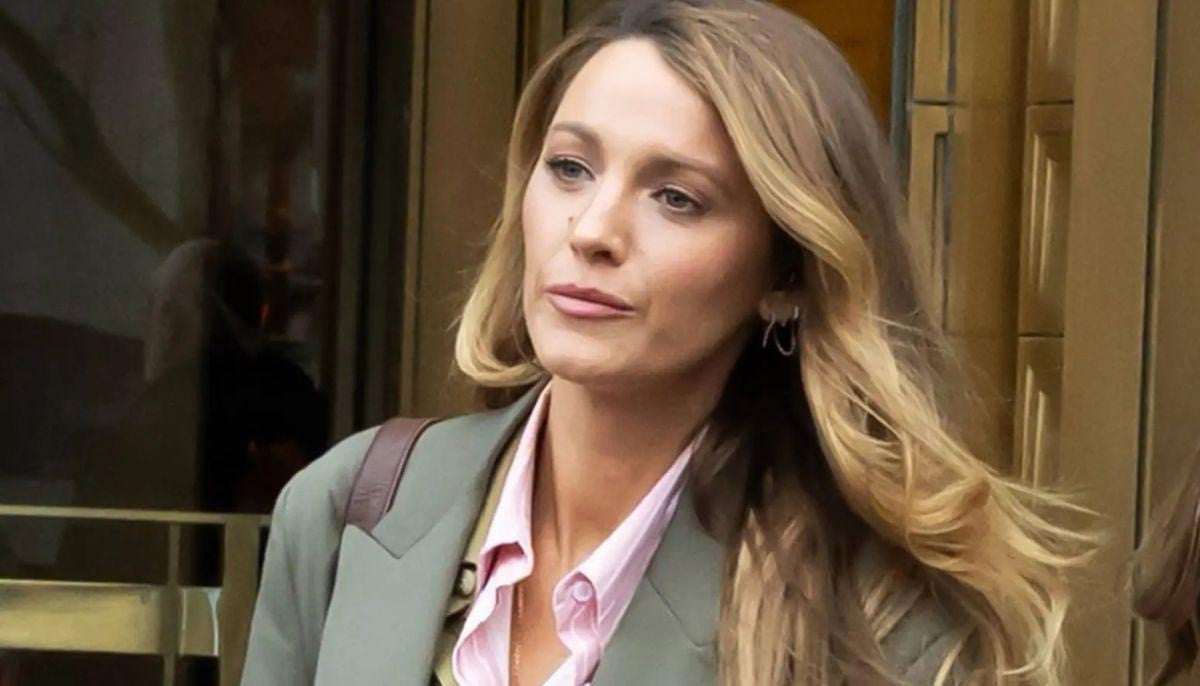
Blake Lively has shared her feelings after a big update in her legal case with Justin Baldoni.
A judge recently dismissed many of her claims, including the sexual harassment ones but the case is still going on.
Even after this decision, Lively did not step back as she said that she is thankful that the most important part of her case will still go to a jury next month.
However, this means the legal fight is not over yet.
A Simple Favor actress also explained why she filed the case in the first place and according to her, she faced serious backlash after speaking up about wanting a safe working environment.
Talking about how this has affected her, Lively called the experience “unfathomably painful” and said clearly, “I will never stop fighting.”
The court has now reduced the case, but some claims like retaliation are still active and will be heard during the trial.
On the other side, Baldoni has denied everything and his team believe that the court’s decision supports him.
The case, connected to their film It Ends With Us will move ahead in May, where both sides will finally present their side of the story in court.
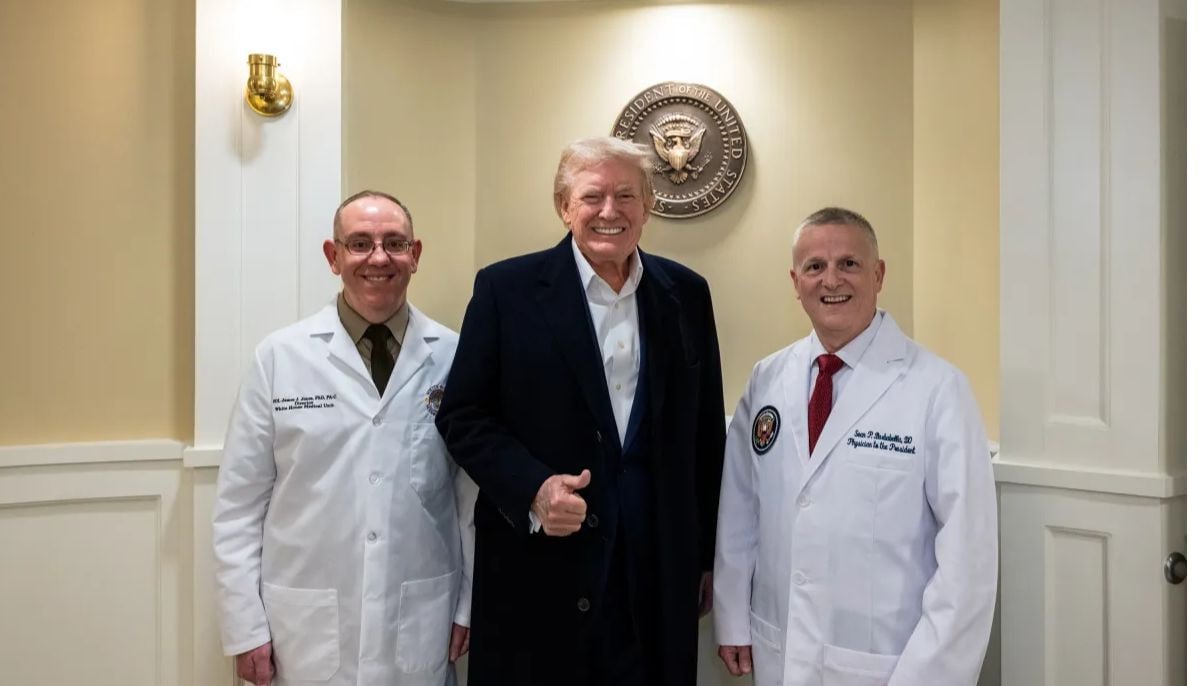
The White House stated on Saturday, April 4, to deny all claims related to U.S. President Donald Trump being admitted to the Walter Reed National Military Medical Center.
Social media is buzzing with rumours that the 79-year-old president is not in good health.
The speculations started when the White House announced at 11:08 a.m. (local time) that Trump would not make any appearances for the rest of the day.
This is a surprising statement from Trump because he is expected to be at the Mar-a-Lago facility over the weekend, where he plays golf.
The White House immediately responded, declaring that the claim was totally baseless and that Trump had remained committed to his responsibilities.
Health issues have become a consistent theme throughout Trump’s presidency. In particular, his mental and physical ability to serve as president has been brought into question due to several mistakes on his part.
His last known visit to Walter Reed occurred in October when he took an MRI. At that time, Trump said the scan was “perfect.”
In 2025, White House made it public that Trump is suffering from chronic venous insufficiency.
In this condition, veins in the legs struggle to return blood to the heart. However, the doctors assure that the condition is very common in older people.
The U.S. President is also seen wearing cosmetic patches often on the back of his hand.
The White House also denied all these rumours of a possible connection between the disease and cosmetic patches, citing that bruising is due to repeated handshaking, not linked to any vein disease.
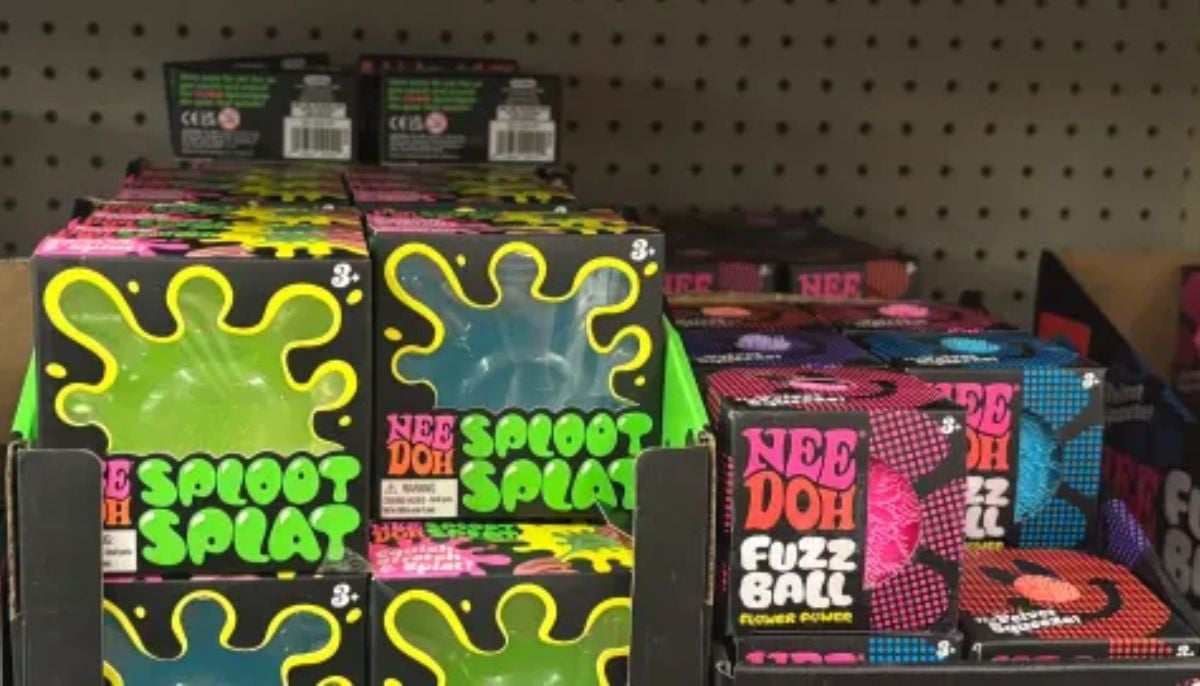
The rubbery toy made by Massachusetts-based Schylling, NeeDoh squishies, has unexpectedly gone viral on social media.
The sales of the squishies have skyrocketed, leaving stores empty and resellers charging triple the price.
CEO Paul Weingard reported that the company sold through the entire year’s inventory within the first nine weeks of 2026.
While talking to Business Insider, Weingard said, “Literally within the first nine weeks of the year, we’d sold through the whole year’s inventory. No company can plan for that.”
NeeDoh was introduced by Schylling in 2017, but demand skyrocketed this holiday season after the advent calendar-style pack took off on TikTok and elsewhere online.
Schylling claims that NeeDoh is its biggest-selling product in 52 years.
The toy is priced between $6 to $10, but due to supply chain shortages, resellers on Walmart are selling it for $200.
Where to buy NeeDoh?
The toy is available at Schylling’s official website, the company’s Amazon store, Walmart, and Target. But due to the shutdown of factories in China during the Lunar New Year in February, the company is facing a significant shortage.
Are NeeDoh safe for kids?
According to manufacturers, NeeDosh squishies are manufactured from non-toxic thermoplastic rubber.
Additionally, there’s no BPA, phthalates, or latex. It also complies with U.S. toy safety standards. These standards make it safe for kids.
However, for extra caution, parents are advised not to give squishies to children under 3 years old as they pose choking hazards. The company recommends the toy for ages 5 and up.


UConn dispatches Illinois to make third men’s national title game in four years

Geno Auriemma needs to be better than bizarre postgame actions against South Carolina

Blake Lively refuses to back down after claims dropped

-
 Business1 week ago
How do you spot a fake online review?
-

 Sports1 week ago
Illinois defense gets tough, ousts Houston to reach Elite Eight
-

 Entertainment1 week ago
Lee Sang-bo dies at 45: Funeral details revealed
-

 Sports7 days ago
USMNT handed reality check by Doku, Belgium ahead of World Cup
-

 Sports7 days ago
2026 NCAA men’s hockey tournament: Schedule, results
-

 Fashion1 week ago
China rolls out tariff cuts on Congo imports from April 1
-

 Fashion1 week ago
EU apparel imports slump 15.48% YoY in Jan; Bangladesh hardest hit
-
Uncategorized1 week ago
[CinePlex360] Please moderate: “Apple scrapping