

Business
He Started In A Garage, Built An Indian IT Empire, And Now Donates Rs 7 Crore Daily


Last Updated:
From a modest garage to a IT powerhouse, his journey reshaped India’s tech dreams. But what truly sets him apart is how quietly his wealth flows back into society every single day
Shiv Nadar founded HCL in a garage in 1976, growing it into a global IT giant. (Photo Credit: Shiv Nadar Foundation)
Success Story: One name stands out whenever India’s IT success stories are told: Shiv Nadar. What began in a modest garage in 1976 went on to become Hindustan Computers Limited (HCL), one of India’s leading global IT companies.
Today, Shiv Nadar is not only a celebrated entrepreneur but also one of the country’s most generous philanthropists, donating nearly Rs 7.4 crore every day.
From A Small Garage: The Birth Of HCL
Shiv Nadar was born on July 14, 1945, in the Tiruchirappalli district of Tamil Nadu. After completing his engineering education, he joined the DCM Group. During his time there, discussions with colleagues about the future of computers and electronics in India sparked a bold idea, that is, to start something of their own.
In 1976, Shiv Nadar and a small group of engineers founded HCL from a garage in Delhi. Initially, the company focused on computer hardware and electronic products, with a clear aim: to bring computer technology to India and create employment opportunities for young professionals.
Challenges On The Road To Success
The early years were far from easy. HCL faced financial constraints, technical hurdles, and intense market competition. However, Shiv Nadar’s long-term vision and commitment to innovation kept the company moving forward. He firmly believed that technology should simplify lives and drive progress for everyone.
During the 1980s and 1990s, HCL diversified from hardware manufacturing into software development and IT services. The company steadily expanded beyond India, establishing operations across the US, Europe, and Asia.
Today, HCL Technologies operates in nearly 60 countries and employs more than 2,22,000 people. It is a major player in areas such as cloud computing, cyber security, digital transformation, and enterprise software solutions.
Passing The Baton To Roshni Nadar Malhotra
After leading HCL for over four decades, Shiv Nadar stepped down as chairman in 2020. He appointed his daughter, Roshni Nadar Malhotra, as the new chairman, making her the first woman to hold the position in the company’s history.
Shiv Nadar now serves as Chairman Emeritus and Strategic Advisor.
According to the Bloomberg Billionaires Index, Shiv Nadar’s net worth stands at $38.2 billion (approx. Rs 3.17 lakh crore), placing him among the world’s richest individuals at 54th position globally. As of now, HCL’s market capitalisation is Rs 4,49,369 crore.
Commitment To Social Service and Philanthropy
Shiv Nadar’s legacy extends far beyond business. Through the Shiv Nadar Foundation, he has made significant contributions to education by establishing schools and universities across India.
As per the ‘EdelGive-Hurun Philanthropy List 2025’, Shiv Nadar and his family topped the list of India’s biggest philanthropists for the fourth time in five years. In the past year alone, the family donated Rs 2,708 crore, averaging Rs 7.4 crore every day. In recognition of his contribution to the IT sector and his vision for empowering India’s youth, Shiv Nadar was awarded the Padma Bhushan in 2008. Today, HCL symbolises India’s technological strength on the global stage.
Shiv Nadar’s journey proves that extraordinary success can begin with the smallest of steps. From a single garage to a global IT empire, his story remains one of vision, perseverance, and purpose.
 Click here to add News18 as your preferred news source on Google.
 December 17, 2025, 08:07 IST
Read More


Heineken has announced a substantial investment exceeding £44 million into hundreds of its pubs across the UK, a move expected to create approximately 850 jobs.
The Dutch brewing giant’s Star Pubs operation, which manages 2,350 sites nationwide, is undertaking this significant financial commitment despite a challenging period for the pub sector.
The industry has faced considerable pressure over the past year, grappling with escalating labour costs and increases in national insurance contributions.
Concurrently, consumer spending has been constrained by concerns over inflation and rising unemployment, further impacting pub revenues. However, pubs did receive additional business rates support from the government last month, aimed at alleviating some of these financial burdens.
Lawson Mountstevens, managing director of Star Pubs, indicated that the investment strategy is partly designed to bolster revenues and help the group navigate the recent “sustained increases in running costs”.
This year, £44.5 million will be allocated to upgrades for 647 pubs. A notable 108 of these venues are earmarked for particularly significant cash injections, with each transformation costing at least £145,000.
Heineken clarified that while the majority of its pubs are group-owned, they are independently operated by local licensees. A key focus for this investment, particularly in the lead-up to the 2026 football World Cup, will be on sports-focused venues.
The pub firm and brewer has a history of significant investment in British pubs, having pumped £328 million into the sector since 2018. Work has already commenced at 52 locations, including eight projects dedicated to reopening boarded-up pubs that have endured lengthy closures.
Mr Mountstevens also urged the government to reduce the tax burden on pubs, arguing it would ease cost pressures and foster further job creation within the industry.
He stated: “We can only do so much; the root-and-branch reform of business rates that the industry has been calling for over many years is urgently required, as well as a lowering of the burden of taxation on pubs, including VAT and beer duty.”
He concluded with a direct appeal: “We are calling on the Government to support us in bringing out the best in the Great British pub.”
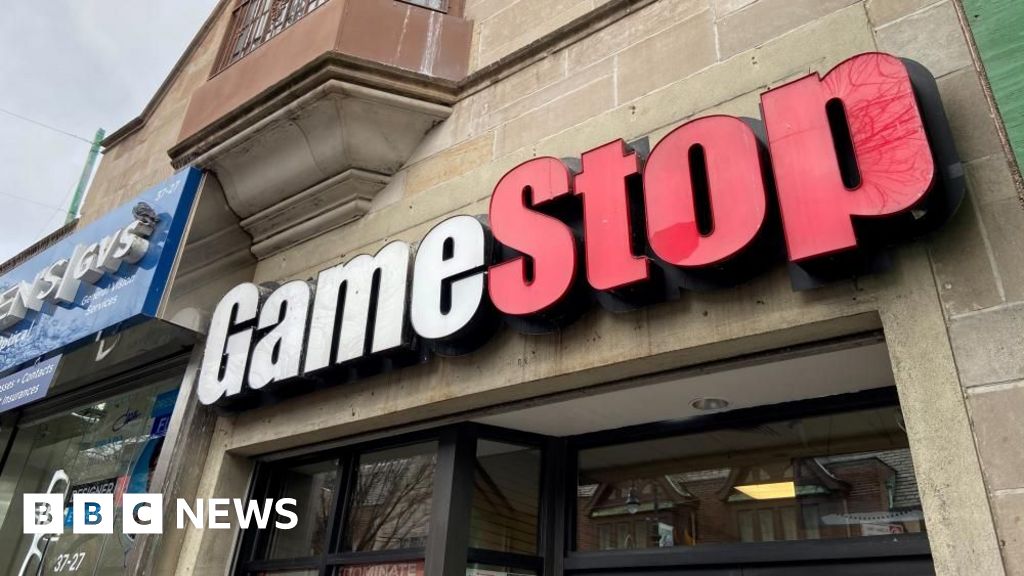
GameStop’s boss Ryan Cohen says he sees potential to make eBay a much bigger rival to Amazon.
Source link
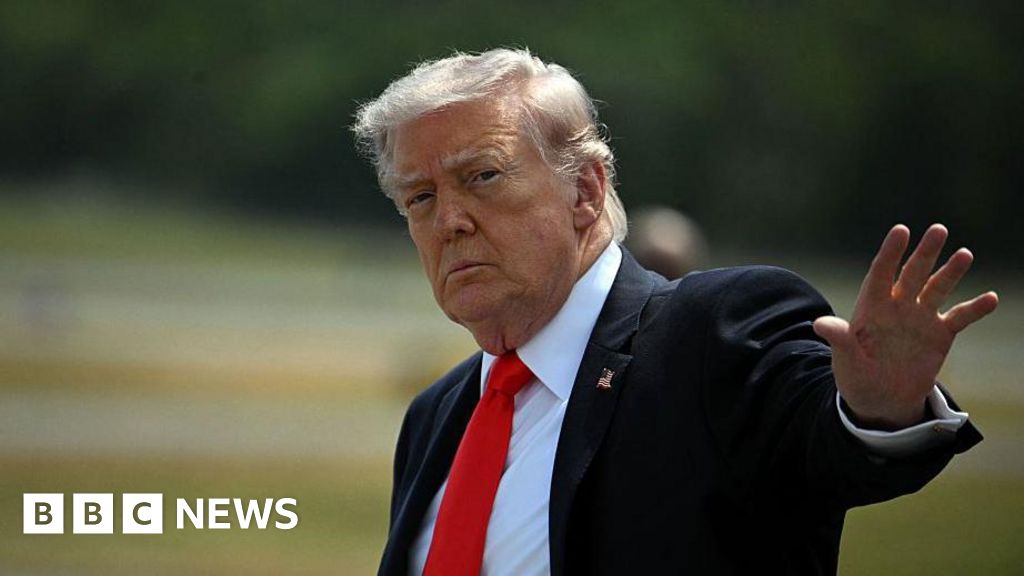
It comes as the US said on Monday it will begin to help “guide” vessels out of the Strait of Hormuz.
Source link


Dwayne Johnson shocks everyone with bold Met Gala outfit

Greg Brockman Defends $30B OpenAI Stake: ‘Blood, Sweat, and Tears’

Met Gala 2026 “Costume Art” red carpet pictures from New York City

-

 Tech1 week ago
A Brain Implant for Depression Is About to Be Tested in Humans
-
 Business1 week ago
Pakistan’s oil market is fuelling the crisis | The Express Tribune
-

 Tech1 week ago
Almost 90% of women leave tech industry within 10 years | Computer Weekly
-
 Business1 week ago
‘I had £20,000 stolen and had to fight a 13-month fraud reporting rule to get it back’
-

 Sports7 days ago
Pro wrestling star Steph De Lander reveals how colleague’s advice helped lead her to title triumph at ACW
-

 Entertainment1 week ago
Norway joins Type 26 Frigate Programme to boost NATO naval power
-

 Entertainment1 week ago
Melania Trump says ABC should ‘take a stand’ on late-night host Kimmel
-
 Tech7 days ago
This Ambitious Laptop Doesn’t Leave Much Room for Your Hands