

Business
Heating engineers urged to sign up to heat pump ‘giveaway’ for their own homes

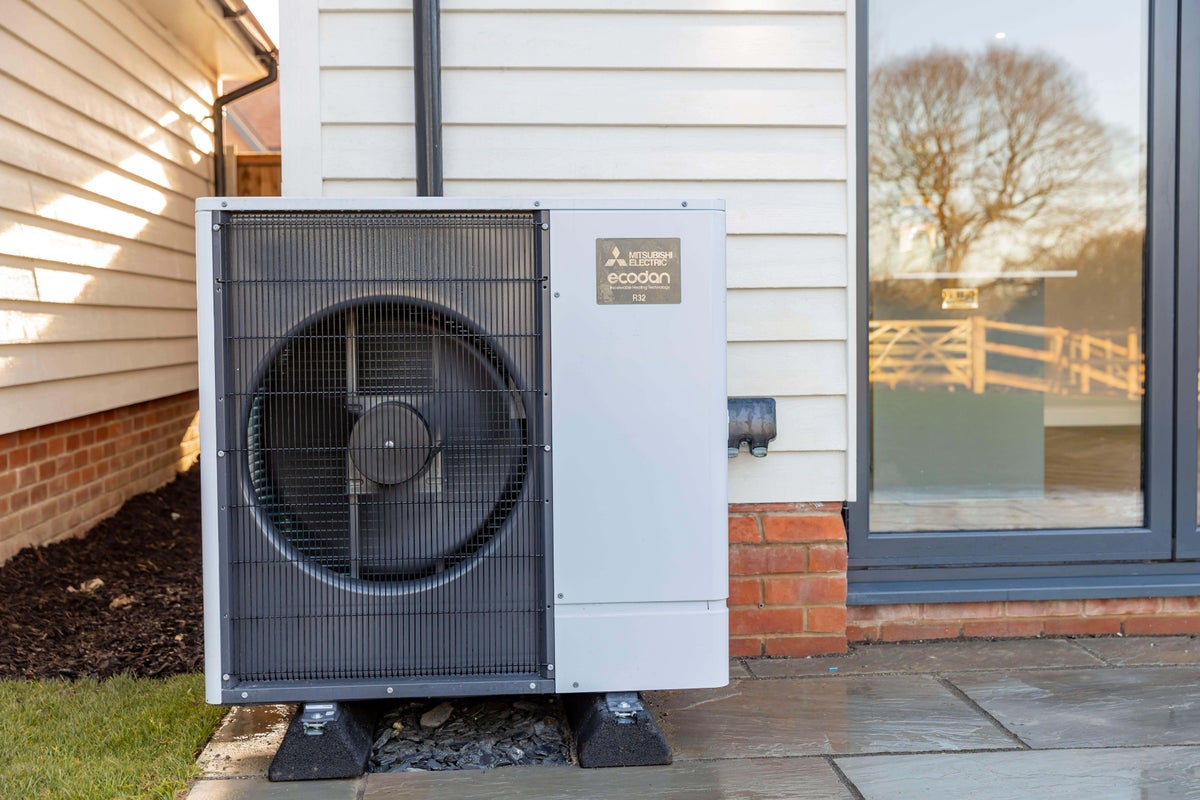
Heating engineers across Britain are being urged to take up the offer of a government-funded heat pump to install in their own homes, as part of efforts to roll out the clean technology.
Research and innovation firm Nesta is running a “start at home” initiative to provide heating engineers with a funded heat pump and training on how to install it, so they can learn the ropes before fitting the technology for customers.
The initiative comes after a pilot scheme by Nesta found supporting heating engineers to install their first heat pump in their home boosted their technical knowledge, understanding of living with the technology, and confidence in promoting them to customers.
Experts warn large-scale deployment of clean electric-powered heat pumps is key to replacing the widespread use of gas boilers in homes to reduce carbon emissions as part of targets to cut greenhouse gases to “net zero” by 2050.
That means installing round 450,000 heat pumps in existing homes a year by 2030, requiring 38,000 more installers trained and confident to install heat pumps before then, Nesta said.
The organisation said heat pumps were more efficient than gas boilers, potentially lowering energy bills, and tend to require less maintenance and last longer, keeping homes warm for years.
But Nesta pointed to research by the Department for Energy Security and Net Zero (DESNZ) suggesting only 27% of newly trained installers have gone on to complete an installation within a year, partly due to a lack of a confidence in the technology and the process of putting it in.
So the start at home scheme is being rolled out with partners across England, Wales and Scotland, providing heat engineers with heat pumps for their own homes and expert support, and putting them on the path to the accreditation needed to install the technology for customers under government schemes.
Madeleine Gabriel, Nesta’s director of sustainable future, said: “As more and more households look to switch their home heating, it will be all hands to the pump – and we want to help ensure that Britain’s heating workforce is ready to respond.
“Although lots of heating engineers are curious about heat pumps, many rarely get the chance to see one, let alone install one.
“The ‘start at home’ scheme changes that by beginning where it makes most sense – at home.
“Our message to all heating engineers is simple: secure your future by getting hands-on with the tech with installation yourself.”
Eric MacRae, a heating engineer who took part in the pilot which ran across Scotland, added: “I have confidence now that I’ve got one running in my own property that I have 24/7 experience of.
“Instead of giving people a spiel, I can now speak from personal experience of using it myself.
“It’s giving me an extra edge, and I feel that I can emphasise more of the advantages than I previously would have been able to.”
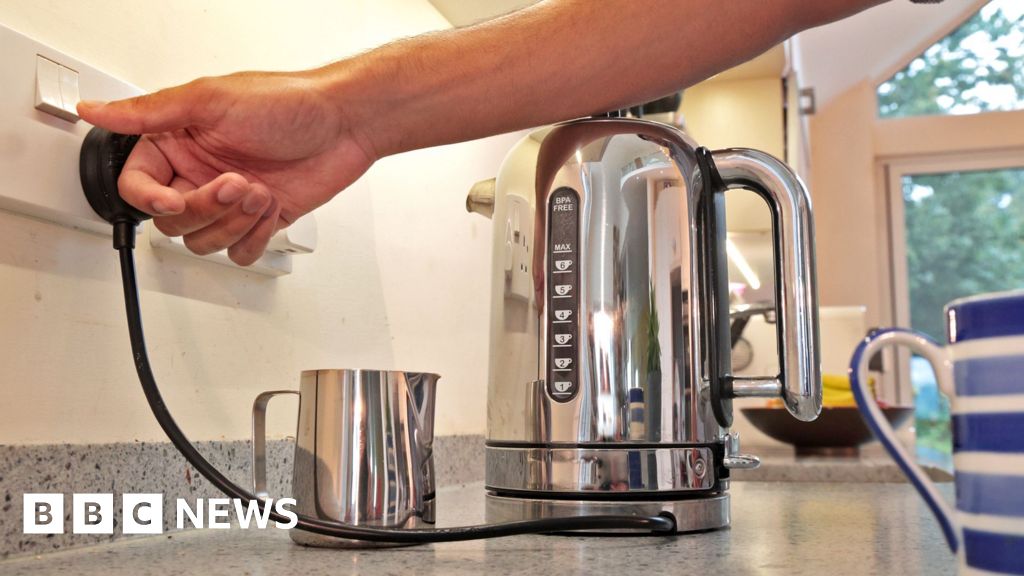
The war in the Middle East has brought renewed attention to Britain’s vulnerability to energy price shocks.
Source link
Business
Gadkari urges shift to 100% ethanol blending, flags energy security and import risks – The Times of India
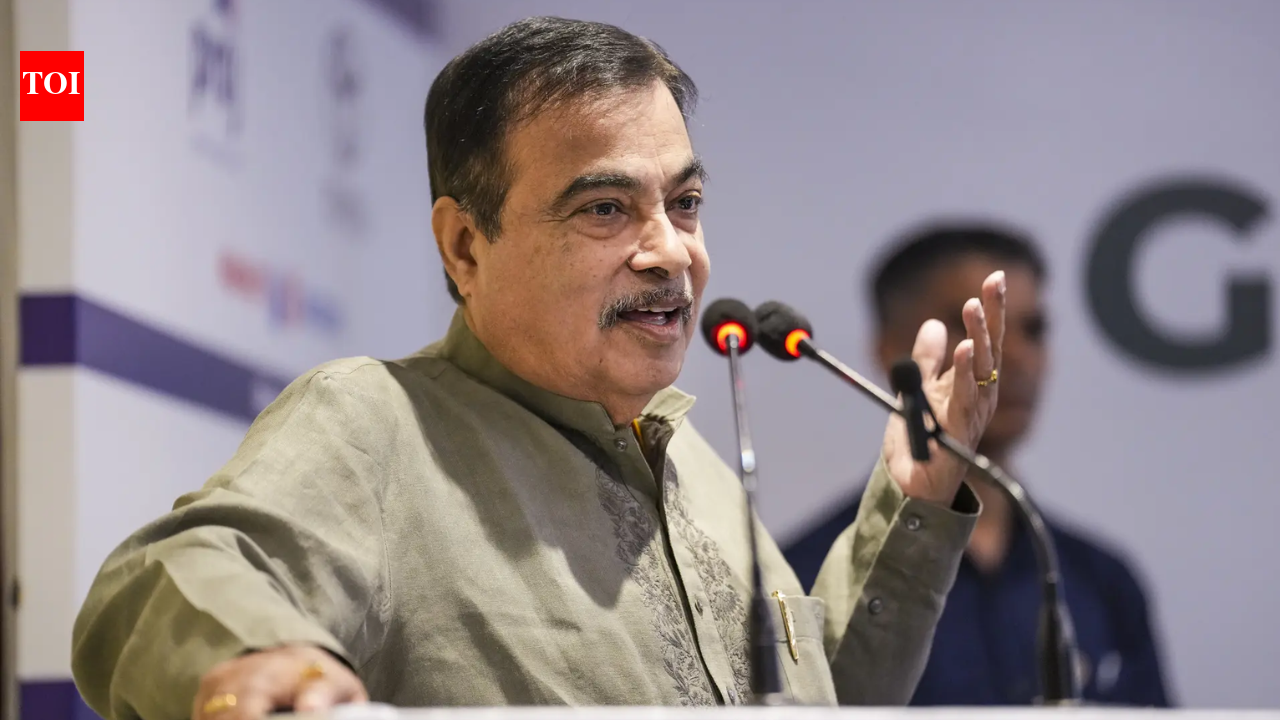
India should aim for 100 per cent ethanol blending in the near future to strengthen energy self-reliance, road transport and highways minister Nitin Gadkari said on Tuesday. He said that vulnerabilities in oil supplies due to the ongoing crisis in West Asia have made it essential for the country to reduce dependence on imports.Speaking at the Indian Federation of Green Energy’s Green Transport Conclave, Gadkari said, “In the near future, India should aspire to achieve 100 per cent ethanol blending… Today, we are facing an energy crisis due to the war in West Asia, so it is necessary for us to become self-reliant in the energy sector,” as quoted by PTI.India currently allows vehicles to run on E20 petrol, which contains 20 per cent ethanol, with minor engine modifications to avoid corrosion and related issues. In 2023, PM Modi launched petrol blended with 20 per cent ethanol. Countries such as Brazil have already achieved 100 per cent ethanol blending.Gadkari noted that India imports 87 per cent of its oil requirements, adding, “We import fossil fuels worth Rs 22 lakh crore, which is also causing pollution… so we need to work on increasing production of alternative fuel and bio-fuel.”On future energy solutions, he stressed the importance of green hydrogen but pointed out challenges in cost and transport. “Transport of hydrogen fuel is a problem. Also, we need to produce 1 kg of hydrogen at $1 dollar, to make India an exporter of energy,” he said, adding that hydrogen production from waste should be explored.The minister also emphasised the role of a circular economy in generating employment opportunities. While calling for reduced reliance on petrol and diesel vehicles, he clarified, “But we can not force people to stop buying petrol and diesel vehicles.”Addressing concerns about E20 fuel, Gadkari said the petroleum sector is lobbying against the move. He also urged automobile manufacturers to prioritise quality over cost to expand into new markets.Last year, Gadkari dismissed criticism against E20 (ethanol-blended petrol), saying a “paid” social media campaign is being run to “target me politically.” He said Society of Indian Automobile Manufacturers and Automotive Research Association of India have shared their findings on ethanol blending in petrol. He added that India’s ethanol programme has benefited farmers, noting that ethanol made from maize has helped them get better prices and led to gains of Rs 45,000 crore.

One petrol retailer says he is experiencing about five drive-offs a week at each forecourt, costing him thousands.
Source link


Soccer’s incredible shrinking shin guards could be a big problem

Matarazzo celebrates Real Sociedad Copa title: ‘Just the beginning’

Germany firms raise investment plans, uncertainty persists: ifo

-

 Fashion5 days ago
France’s LVMH Q1 revenue falls 6%, shows resilience amid Iran war
-

 Sports1 week ago
The case for Man United’s Fernandes as Premier League’s best
-

 Entertainment1 week ago
Palace left in shock as Prince William cancels grand ceremony
-
 Business1 week ago
UK could adopt EU single market rules under new legislation
-

 Entertainment6 days ago
Is Claude down? Here’s why users are seeing errors
-

 Fashion1 week ago
Energy emerges as biggest cost driver in textile margins
-
 Business1 week ago
Delta Air Lines unveils first new Delta One suite in premium cabin arms race
-

 Fashion1 week ago
Asia claims largest share of markets on Kearney FDI Confidence Index