

Sports
High expectations, mixed results: Why North Carolina is entering a pivotal season

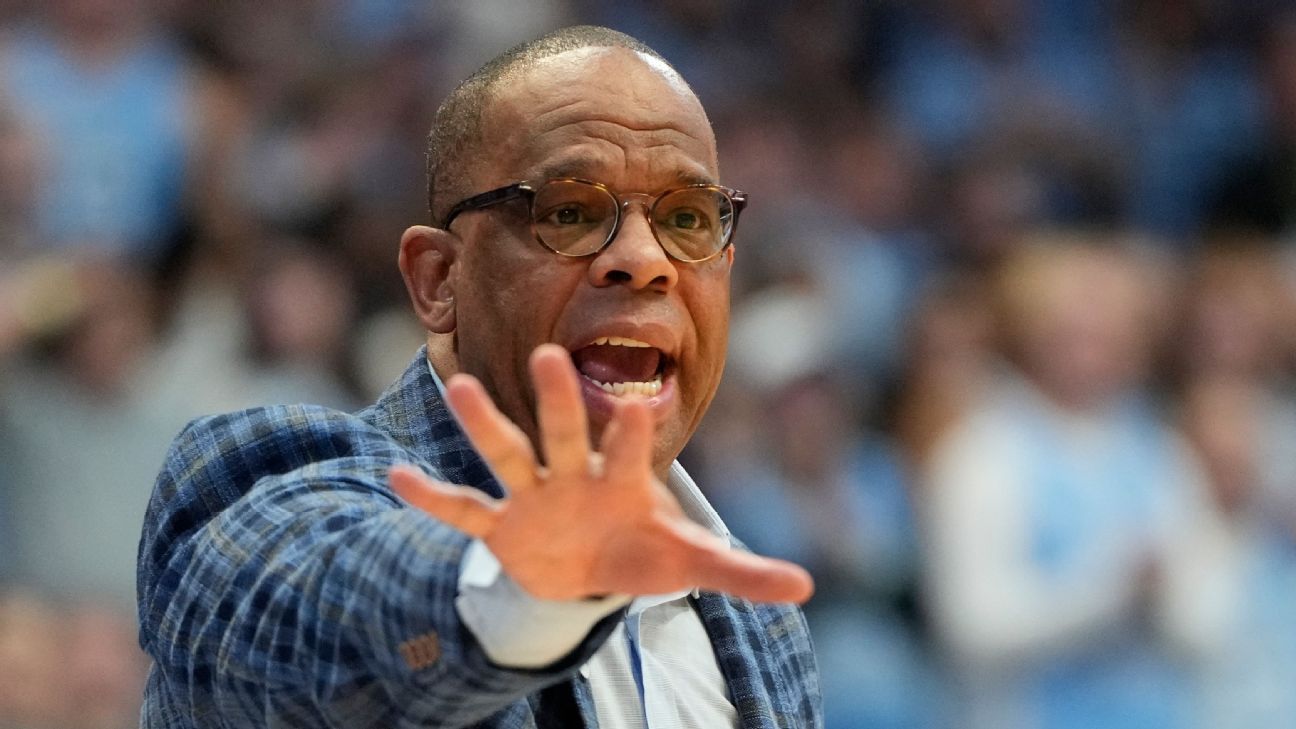
THE NORTH CAROLINA TAR HEELS are used to being under a microscope. This is a program with six national championships and the jerseys of icons such as Michael Jordan and James Worthy in its rafters and that has always brought the fair share of the scrutiny that comes with being a blue blood.
But in most seasons, UNC is fielding complaints about its talent, consistency and success. In 2024-25, the vitriol was different. After receiving a First Four slot as an 11-seed in the NCAA tournament, the Tar Heels were widely viewed as undeserving.
With an 8-6 record in its last 14 games of the regular season and a résumé void of signature wins, North Carolina making the field created so much controversy that West Virginia Gov. Patrick Morrisey held a news conference in the wake of Selection Sunday to accuse the selection committee — led by UNC’s athletic director Bubba Cunningham — of a fraudulent process and a “miscarriage of justice” (the West Virginia Mountaineers missed the tournament as a result of North Carolina’s inclusion).
“Last season was hard, and we worked, we fought, and I know we weren’t the best team, but I give my guys just the most kudos in the world for how much adversity and how much we fought through,” said Seth Trimble, the team’s top returning scorer. “And then just hearing the naysayers. I mean, we heard them all year long. We heard them during the tournament. We heard them right before the tournament. It was nothing new.”
Coach Hubert Davis’ four years in charge of his alma mater have featured yo-yo finishes: a run to the national title game as an 8-seed in his first; missing the tournament altogether in his second. Two years ago, he led the Tar Heels to the Sweet 16 as a No. 1 seed, finishing with 29 wins. Last March, it was a lackluster 22-13 season and a first-round tournament loss.
Cunningham says he is confident in Davis’ ability to lead the program after extending his contract through 2030 earlier this year. But in his fifth year at the helm, another subpar season could mean Davis cannot consistently meet the standard in Chapel Hill, risking hot-seat talk turning into a storyline.
“I mean, can we win a national championship every year? No. Do we have aspirations to win it? Yes,” Cunningham told ESPN. “And are we going to continue to support our program, our coaches and our students with the resources to get to that level? Absolutely. That’s our ambition and we’re not going to back off of it.”
North Carolina did lose four of its top seven scorers from last season to the transfer portal and opened this season with its lowest ranking (No. 25) in the preseason AP poll since 2005, but the Tar Heels aren’t exactly underdogs as the 2025-26 season gets underway. Freshman Caleb Wilson is a confident, five-star recruit who anchors the No. 8 recruiting class in the country, one of the best in recent years for the Tar Heels. Plus, the return of Trimble and the additions of 6-foot-6 European star Luka Bogavac and 7-foot Arizona transfer Henri Veesaar should give the Tar Heels a chance to avoid another nerve-racking Selection Sunday. Still, it’s clear that North Carolina is trying to find itself — and perhaps a new identity — in the shifting landscape of college sports.
And if UNC’s prestigious past no longer guarantees a prestigious future, that puts even more pressure on Davis and his team. The Tar Heels’ fan base won’t accept that as an excuse for falling short.
“Even before I was head coach — as an assistant when I was here and when I played here — the expectation here is for every season for this program to have a chance [to win a national title],” Davis told ESPN. “And when I say the standard is the standard, that’s what I mean. And whether you get to the championship game or you make the NCAA tournament and lose in the first round like we did last year, the standard is the standard.
“Those are the expectations every year, regardless of whether we went to the championship the first year or not.”
A YEAR AFTER Matt Doherty won a national title as a reserve guard on a UNC team led by Jordan, Worthy and Sam Perkins — all future NBA stars — he went to a party with his teammates to celebrate that next season’s Elite Eight run.
Although North Carolina had just lost to Georgia in the 1983 regional final, he still expected a celebration for making it to the cusp of the Final Four. Instead, a Tar Heels fan made sure he knew his team had missed the mark.
“I remember going out one night and some guy said to me, ‘You guys suck,'” Doherty recalled. “I wanted to fight him.”
By the time Doherty was hired as the school’s head coach nearly 20 years later, the expectations were magnified. He’d carried the weight of wearing a North Carolina jersey as a player, but his attempt to uphold the school’s ambitions in the years that followed legendary coach Dean Smith’s retirement was more difficult than Doherty had ever imagined.
“You had high highs and low lows,” Doherty, who was fired in 2003, told ESPN. “And so dealing with that — the self-talk, the isolation — [because] you’re surrounded by a staff, your players, 22,000 fans, the athletic director, the chancellor, but you feel all alone. And so who do you talk to?”
Doherty is the one person in the North Carolina stratosphere who understands Davis’ plight. He is the only head coach the Tar Heels have fired over the past 75 years after he amassed a 53-43 record over three seasons (2000-2003), which included an eight-win season and only one NCAA tournament appearance. Although he knew that a program searching for its first national title since 1993 would place a heavy burden on his shoulders, Doherty quickly learned that the program had no appetite for losing. That reality has only been more challenging for Davis & Co. as they navigate the new compensation structures and transfer portal. Doherty said North Carolina, like other blue bloods, relied on its brand for too long in recruiting battles even as the landscape minimized the impact of that factor.
“I think they were slow to adopt the mindset and I don’t blame [Davis] for it,” he said. “I think it really was an institutional mindset: ‘We are North Carolina and we don’t pay players and this is a special place.’ And no one talks about being part of the Carolina family anymore. No one talks about academics. And so it comes down to two things for recruiting: ‘What are you going to pay me and what’s my path to the NBA look like?'”
After producing nine first-round NBA draft picks between 2016 and 2022, the Tar Heels have graduated only one in the three years since. Top high school recruits who might have picked North Carolina over programs without the same legacy and basketball pedigree — see: the No. 1 prospect in the 2025 class, AJ Dybantsa, who chose BYU — have rejected UNC’s overtures in recent years as the new financial rules have leveled the playing field.
As the negotiation battles for elite transfers and recruits unfolded last spring, the same North Carolina program that has historically been anchored by some of the game’s greatest college big men failed to land an elite power forward or center in the portal. Undersized and limited in the paint for the first time in years, the Tar Heels could not overcome their flaws and the struggles of former All-American RJ Davis.
“Obviously, last year we were small,” Davis said. “Playing at our level, you have to have size, you have to have positional size, and pretty much every game that we played, we were smaller than our opponent. And where it hurt us the most was rebounding.”
As the struggles progressed, everyone around the program could feel the gray cloud around Chapel Hill. The Tar Heels hadn’t adapted to the new rules of college sports the way their neighbor down Tobacco Road had, landing only one recruit (Wilson) ranked inside the top five of the SC Next 100 in the four recruiting cycles since NIL was adopted compared to three for Duke.
“He’s had some great winning seasons, he had an opportunity to win it all and he had some seasons that didn’t go so well,” former North Carolina star Raymond Felton said. “But that’s part of it, man. I support [Davis] 100%. I think he’s done a great job so far and he’s dealing with a lot that’s changed in the game of basketball with the NIL stuff and then the transfer portal and kids just being able to leave whenever they want to if they’re not happy.”
When Cunningham hired Davis — a former UNC star and assistant coach — to follow Roy Williams in 2021, he told him to be prepared to adapt. But he did not know what that would entail. Between a multimillion-dollar investment in football and talk of a new arena that could generate more revenue, UNC athletics — and UNC men’s basketball, by extension — has had to navigate all of this as the rules that govern college sports rapidly change.
As a result, Davis and his staff are tackling the greatest challenge facing every team: How do you build a winning program and then do it all over again a year later when anything short of a Final Four draws side-eyes and boos from fans?
“I think what Carolina has been really good at for 50 years is identifying elite high school talent that develops into great collegiate players and then onto the NBA,” Cunningham said. “And I think we’re still really good at that, but … I also think you need some transfers and some of the older players, and I think you need a mix. So I do think the transfer portal and NIL have added to the complexity for the coaches and the general managers to say, ‘OK, what is the right mix for us to be successful and what’s the right mix for us at this institution?'”
OVER THE SUMMER, a young podcaster spotted Wilson — a projected lottery pick in the 2026 NBA draft — on campus.
And, well, Wilson did the rest.
“I don’t like Duke, I don’t like NC State, I don’t like Wake Forest,” Wilson said in the viral clip. “This year we’re putting belt on everybody. I’m talking real belt, sparkle, bedazzle. You already know what time it is. Stay up. Tar Heels winning the damn game.”
UNC’s freshman Caleb Wilson has some words for Duke, NC State and Wake Forest! 😂 pic.twitter.com/0IgVRtB4i3
— Donté J Harvey (@dontejharvey) September 5, 2025
Months before his first game, the 6-foot-8 prospect had thrown the first punch against his school’s biggest rivals. Asked if he regretted his comments, the No. 5 recruit in the SC Next 100 for 2025 doubled down.
“I didn’t care,” he said of the reaction. “Honestly, I’m not a ‘say it and hide my tail’ kind of guy. If I say it out of my mouth, then that’s what I mean. Let me back it up when I get on the court.”
Every great North Carolina team has had a star with the swagger Wilson oozes. Davis says he believes in this season’s team as much as any that he has coached in Chapel Hill, in part because of Wilson, who understands the pressure that comes with trying to return the Tar Heels to the pinnacle of the sport — and seems to love it.
By all accounts, Wilson has spent the offseason showcasing a dominance in workouts and practices that has excited his teammates about what’s ahead.
“We have incredible talent and [Wilson], since he got here, he has surprised me a lot with his playmaking ability and just how smart of a player he is,” said Veesaar, the former Arizona standout. “I didn’t think it was possible coming out of high school. I knew he was a freak athlete and a really good player, but just the way he can actually read the game and pass is what has really stood out to me. I think he’s going to help us elevate our game.”
Of course, North Carolina is bigger than only one player. But Wilson is in Chapel Hill to help UNC start a new chapter and prove that Carolina is still Carolina — and he’s not alone. Veesaar was one of the top targets in the portal. Trimble, the only returning player who averaged double figures a season ago (11.6 PPG), is due for a breakout season. And Wilson is one of three top-60 recruits in Davis’ top-10 class. That ranking doesn’t include Bogavac, who has played professionally in Europe since he was a teenager.
It’s undeniable UNC has more players with potential than the proven commodities of past years. Davis says this season’s group is “coachable.” And this team won’t suffer the same physical disadvantages that hurt the program in past years.
Former NBA agent Jim Tanner was also hired as general manager to help the program identify and attract more elite players moving forward.
The ultimate test of these Tar Heels will be whether they can advance past the first round of the NCAA tournament after failing to do so two of the past three years. And with the program’s future spot in college basketball’s pecking order potentially on the line, blocking out the noise could prove more difficult than it has ever been — especially if the turbulence of last March carries over into this season.
“You’ve got to embrace that people aren’t rooting for you,” Trimble said. “People want to see you fail. People hate you. People hate the jerseys that you put on and you’ve just got to accept it, and you’ve got to go on the court with that extra motivation, with that extra confidence knowing that they want to see you lose.”
Davis, however, is notoriously difficult to rattle. He has disconnected from the internet and all of its vitriol. If there are any doubters out there, he doesn’t pay attention to them, he said.
“I’m not on social media,” Davis said. “[I’m] focusing on what is real and what is real is that it’s my job to, as the head coach, lead this program to the best of my ability. And that’s something that nothing will take my focus off of.
“[The] other thing is there are highs and lows in anything you do in your life. I’ve never seen or experienced anything where it was all sunny days. I’ve just never experienced that, so if that’s not possible, then on those rainy and stormy or cloudy days, those are the days to learn from and grow from. And if you look at it from that perspective, there are a lot more sunny days than cloudy days.”
NEWYou can now listen to Fox News articles!
The 2026 INDYCAR season has already delivered stellar moments, even before “The Greatest Spectacle in Racing.”
That highly anticipated race happens on Sunday, May 24, with the 110th Running of the Indianapolis 500.
Coverage for the Indy 500 begins at 10 a.m. ET.
You can watch the Indy 500 pre-race and race broadcasts on FOX and stream the broadcasts on FOX One, FOX Sports.com and the FOX Sports App.
Ahead of all the action, we’ve rounded up the best drivers to grace the course.
Here are the 10 best Indianapolis 500 drivers of all time.
10 Best Indy 500 Drivers Of All Time
10. Dario Franchitti
Although he had one of the shorter Indy 500 careers on this list, Franchitti managed to compile some impressive results. He earned three victories at the track between 2007-2012. Moreover, he added three other top-10 finishes to his name despite participating in just 10 races. His best stretch was when he claimed six top-seven finishes in seven attempts from 2005 and 2012.
9. Arie Luyendyk
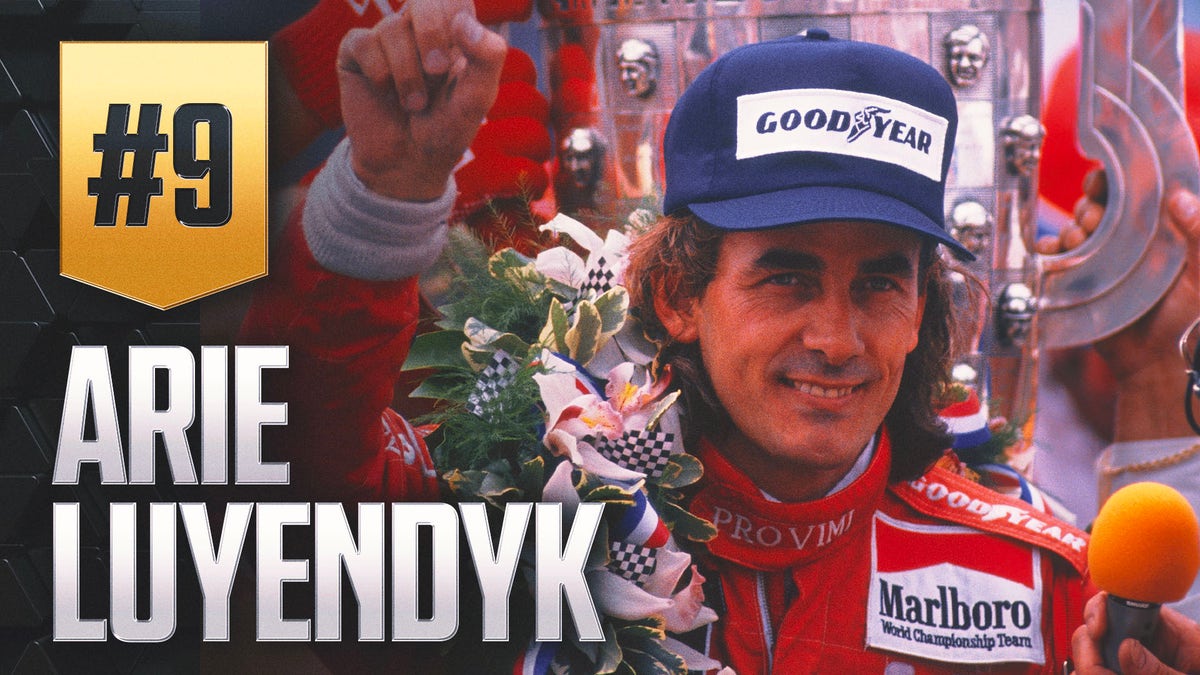
Luyendyk won the Indy 500 twice, but it was a mixed bag overall. He raced in the event every year from 1985 to 2002 and withdrew in 2003, but he finished outside the top 10 in 10 different races. Still, few can match the success he found, with seven top-10 finishes at Indianapolis Motor Speedway.
8. Louis Meyer
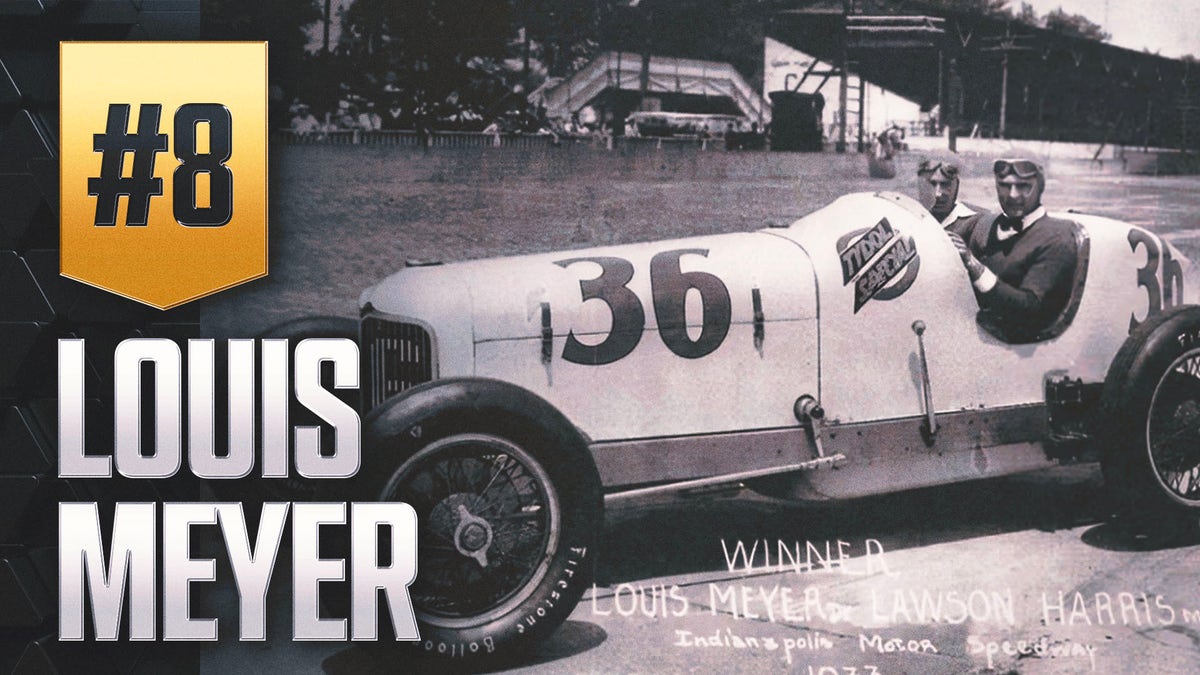
The first three-time winner in the race’s history, Meyer is one of the top drivers who isn’t talked about nearly enough. He had a truly remarkable race in 1936, becoming just the second racer in history — and last — to win the Indy 500 from a starting position of 28th or lower. Meyer grabbed first and second, respectively, in his first two tries in Indianapolis.
7. Bobby Unser
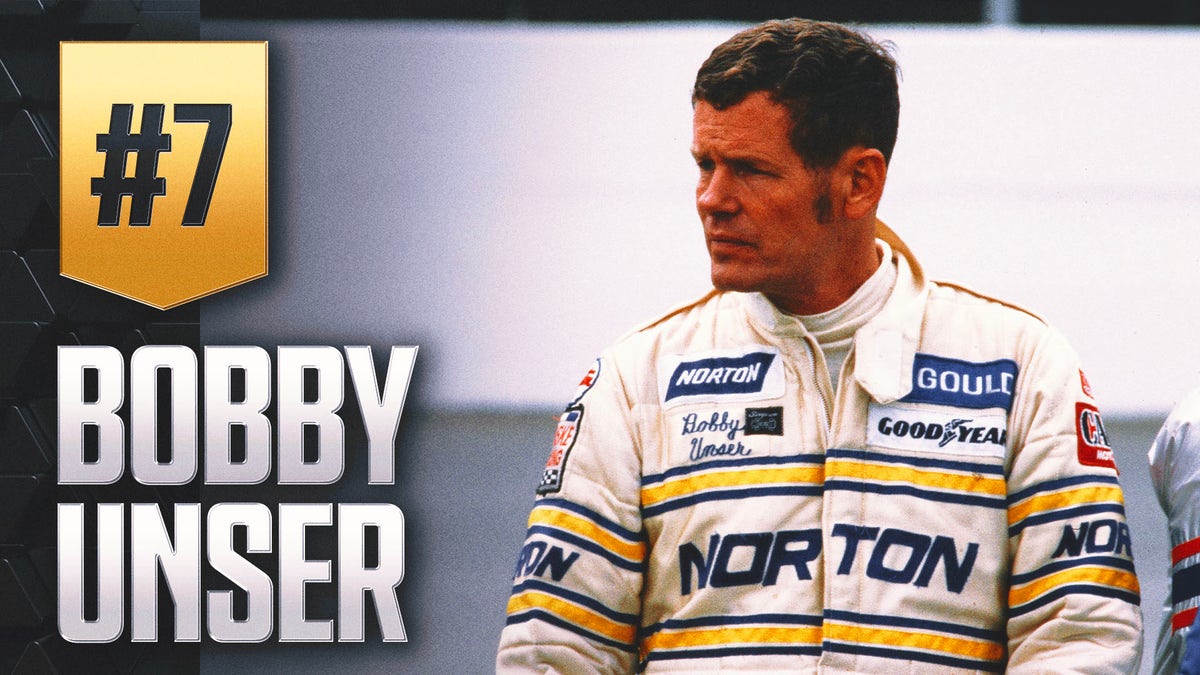
It’s not how you start, it’s how you finish. Never has that been more true than with Unser, who had just one top-10 finish in his first four tries at Indy. However, Unser would eventually win the Indy 500 three times (1968, 1975 and 1981). In his last four starts, he had three top-six finishes, including winning the event on his last time at the track at age 47.
6. Johnny Rutherford
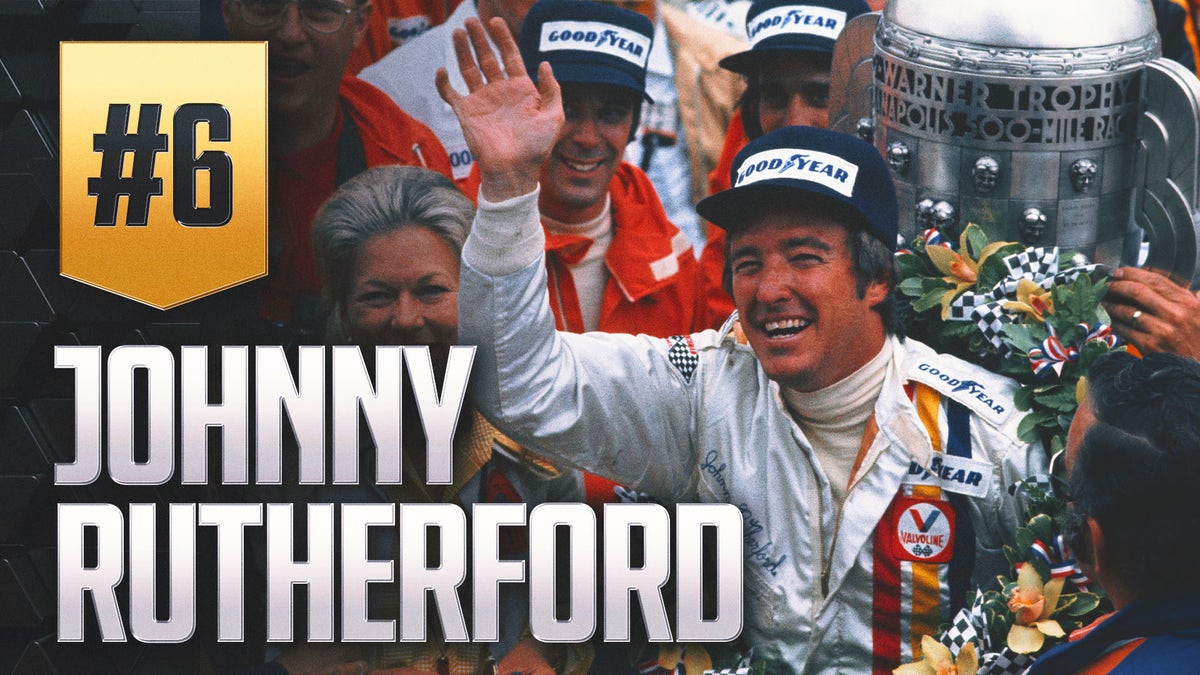
Another three-time Indy 500 winner, Rutherford claimed his victories between 1974 and 1980. Rutherford had a bit of a slow start to this race, finishing 18th or lower in each of his first nine times at the track. He then turned in four straight top-10 finishes, including winning in 1974 and 1976 and grabbing second in 1975.
5. Wilbur Shaw
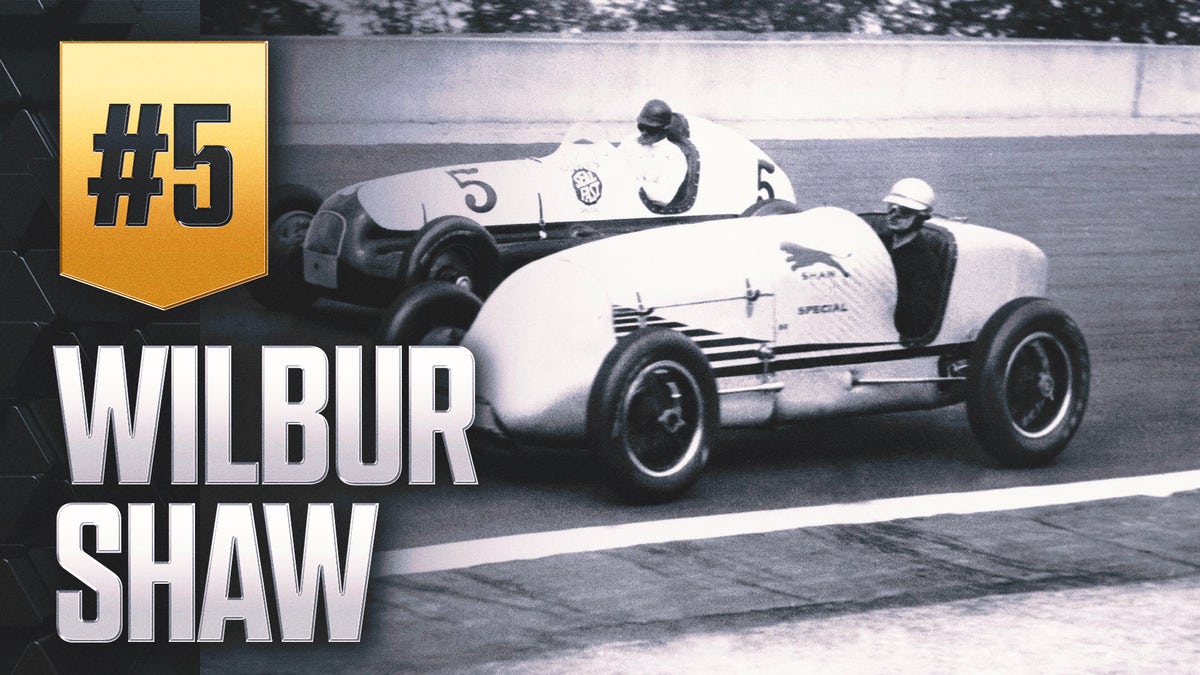
As good as Rutherford’s three-year stretch was, Shaw one-ups him with his bonkers four-year run. From 1937 to 1940, Shaw placed first, second, first and first. A run like that automatically vaults you into the top five in the history of the Indy 500. Before that, it had been an up-and-down race for Shaw, but you cannot overlook just how dominant he was overall, with three victories and seven top-five finishes.
4. Helio Castroneves
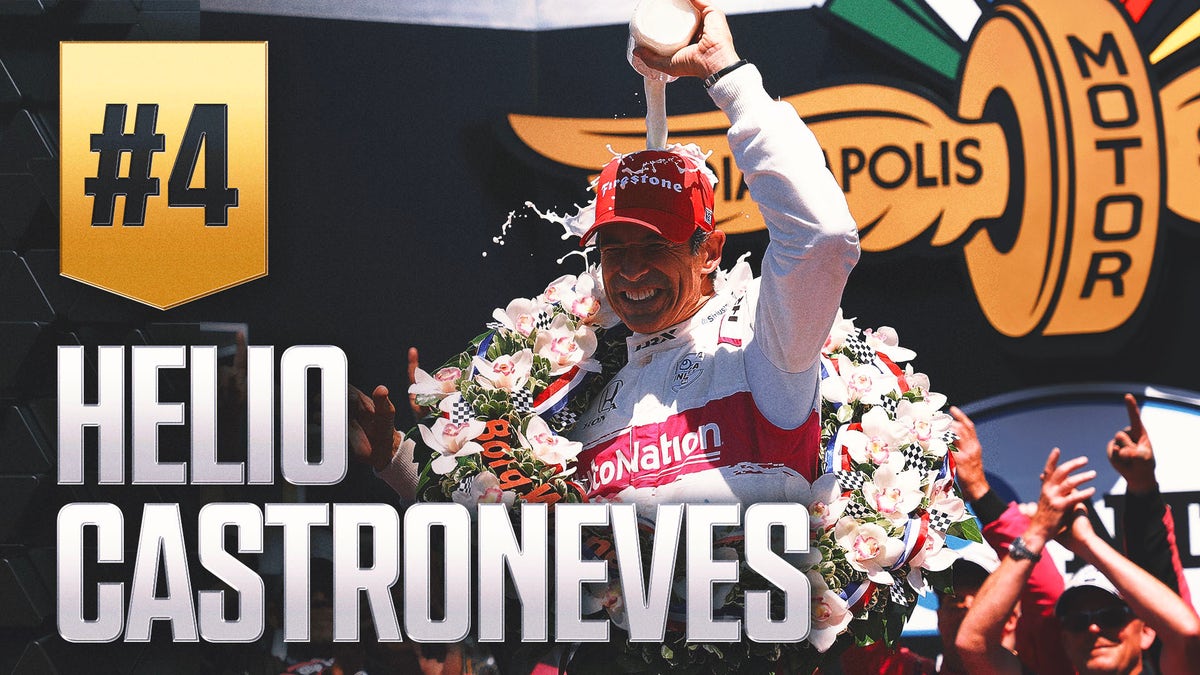
Castroneves is the first of four drivers on this list tied for the most wins (four) at the Indy 500. He earned his most recent victory in 2021, while his previous three wins came between 2001 and 2009. He’s also one of just six drivers to claim back-to-back Indy 500 victories, doing so in 2001 and 2002. Perhaps the most remarkable part of his driving career at IMS is the fact that he owns the record for the longest span between his first and last win — 20 years.
3. Al Unser Sr.
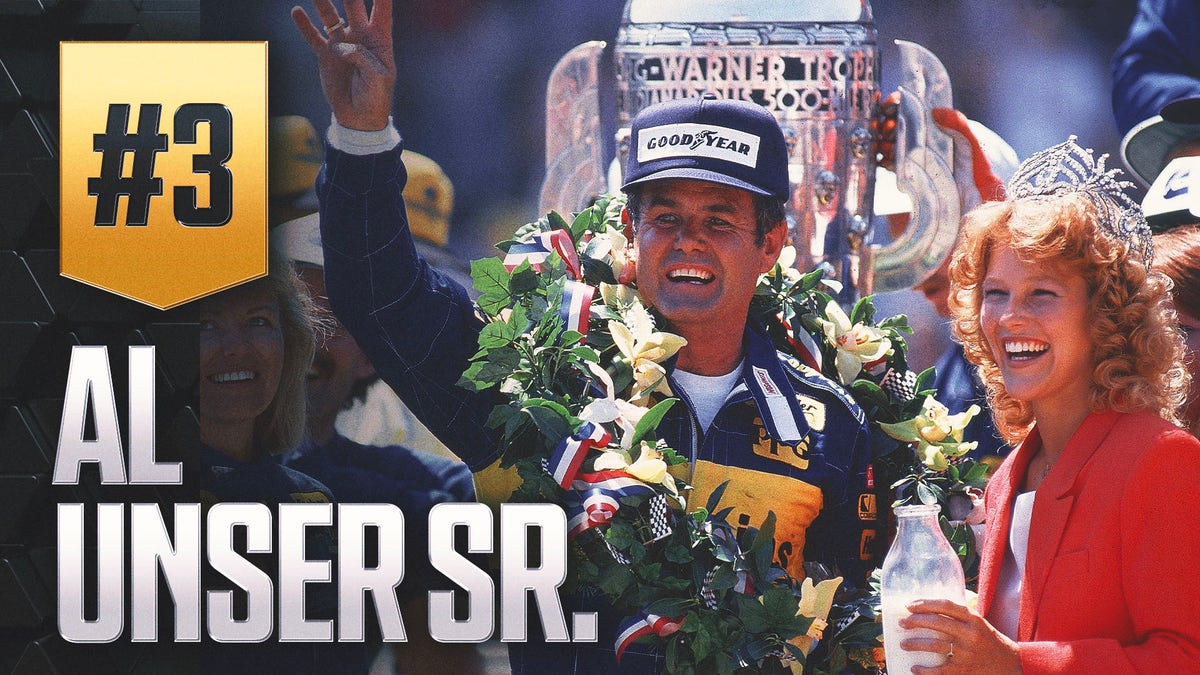
Unser isn’t just tied for the most Indy 500 wins, claiming his four in 1970, 1971, 1978 and 1987. He’s also the oldest winner ever at 47 years, 360 days old, slightly edging out his brother, Bobby. In his second-to-last race at IMS in 1992, Unser finished in third, while his son, Al Unser Jr., was the winner.
2. A.J. Foyt

Foyt is undoubtedly deserving of one of the top spots on this list as the first four-time winner in the race’s history, finishing in first place in 1961, 1964, 1967 and 1977. Most impressive about his career in Indy, though, is that Foyt has the most starts there of any driver (35), including racing in every single one from 1958 to 1992.
1. Rick Mears
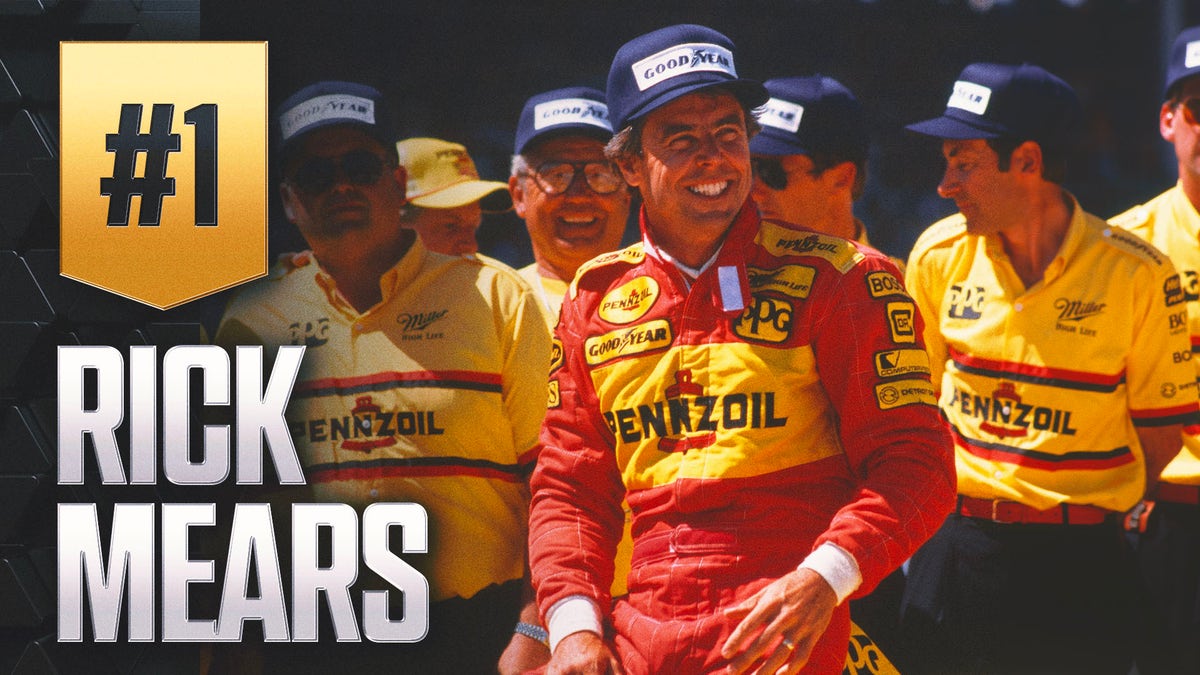
The other driver tied for the most wins at IMS, Mears dominated in Indy. He started 11 times on the front row, with six of those times coming consecutively from 1986 to 1991 — both of which are records at the track. He has also claimed a record six pole positions at the event and is one of just 12 racers to earn back-to-back pole positions.
Check out all of our Daily Rankers.
US airports ramp up Ebola screenings amid Africa outbreak
Health officials at U.S. airports are implementing enhanced Ebola screenings for travelers arriving from Congo, Uganda and South Sudan. The Centers for Disease Control (CDC) is working with airlines to identify possible exposures following over 130 deaths and nearly 600 suspected cases in Africa. Secretary of State Marco Rubio has criticized the response efforts of the CDC and World Health Organization (WHO).
NEWYou can now listen to Fox News articles!
Congo is dealing with an outbreak of Ebola, and executive director of the White House Task Force for the World Cup Andrew Giuliani said the Congolese national soccer team must isolate if they want to enter the United States for the global tournament.
The U.S. has told FIFA, the Congolese government and national soccer team, that they must isolate for 21 days in order to enter the country for the World Cup. The team is currently training in Belgium and is scheduled to play two warmup games there.
“We’ve been very clear to Congo that they should maintain the integrity of their bubble for 21 days before they can then come to Houston on June 11,” Giuliani told ESPN. “We’ve made it very clear to the Congo government as well that they need to maintain that bubble or they risk not being able to travel to the United States. We cannot be any clearer.”
CLICK HERE FOR MORE SPORTS COVERAGE ON FOXNEWS.COM
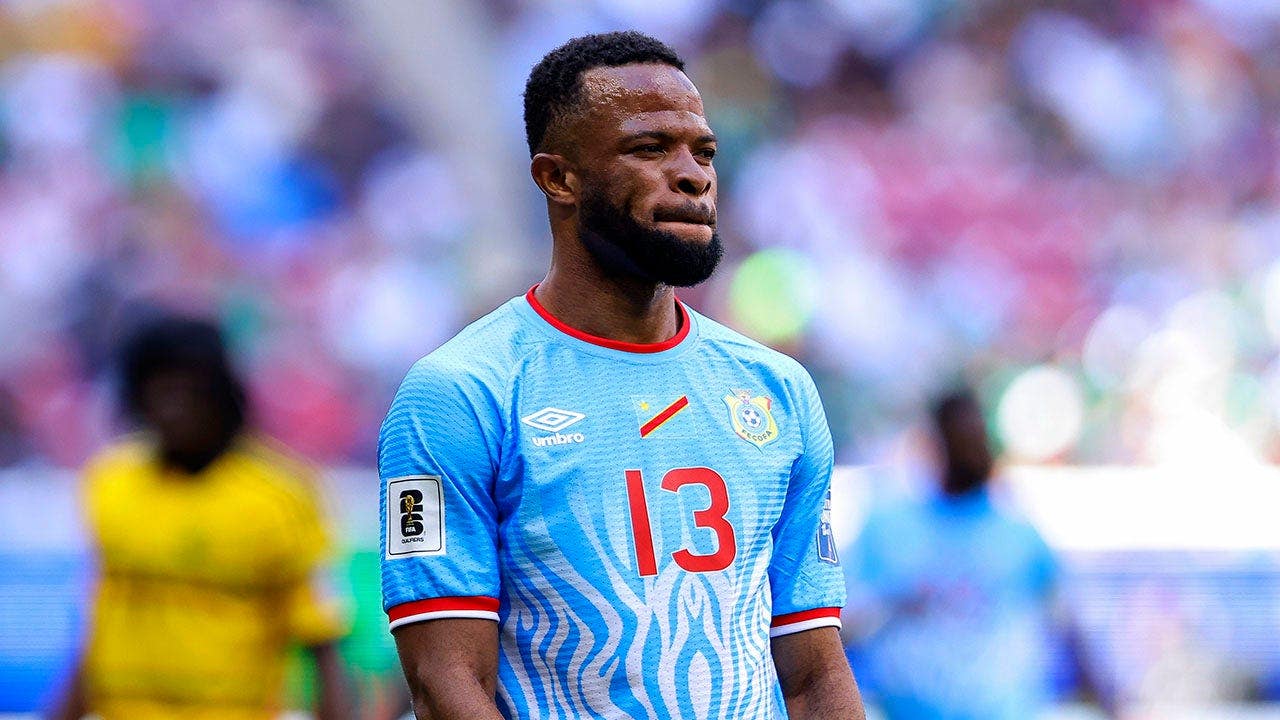
Meschack Elia of Congo reacts during the FIFA World Cup 2026 Play-Off final match between Congo DR and Jamaica at Estadio Guadalajara in Zapopan, Mexico, on March 31, 2026. (Agustin Cuevas/Getty Images)
“We want to make sure that there is nothing that’s going to come in or near our borders here on this,” he said.
The Centers for Disease Control and Prevention has been monitoring two American doctors who were in quarantine in Europe after being exposed to Ebola, Giuliani said. He said they have discussed sending staff to Belgium to check on the Congo team.
In Congo last week, they had a confirmed outbreak of Bundibugyo, a rare type of Ebola. It is thought to have killed more than 130 people, with nearly 600 suspected cases.
ZERO BS. JUST DAKICH. TAKE THE DON’T @ ME PODCAST ON THE ROAD. DOWNLOAD NOW!
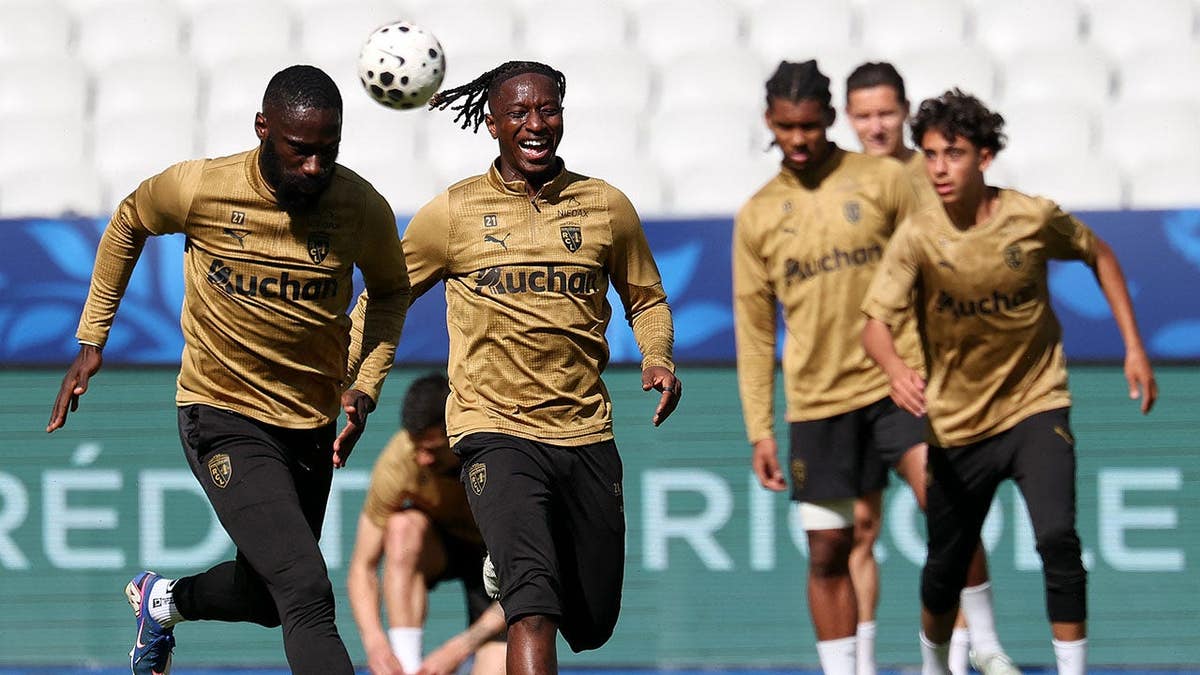
Lens’ DR Congo defender Arthur Masuaku and Malian midfielder Amadou Haidara attend a training session at Stade de France stadium in Saint-Denis on May 21, 2026, ahead of the French Cup final against Nice on May 22, 2026. (Franck Fife/AFP)
“If there are other people that are going to be coming in, they need to have a separate bubble from that team. If they end up coming, and any of those people end up symptomatic, they are risking the entire team being able to come and compete in this World Cup,” Giuliani said.
The CDC announced this week that all foreign nationals who had been in Congo, Uganda and South Sudan within the past three weeks would be banned from entry into the United States for 30 days.
CLICK HERE TO DOWNLOAD THE FOX NEWS APP
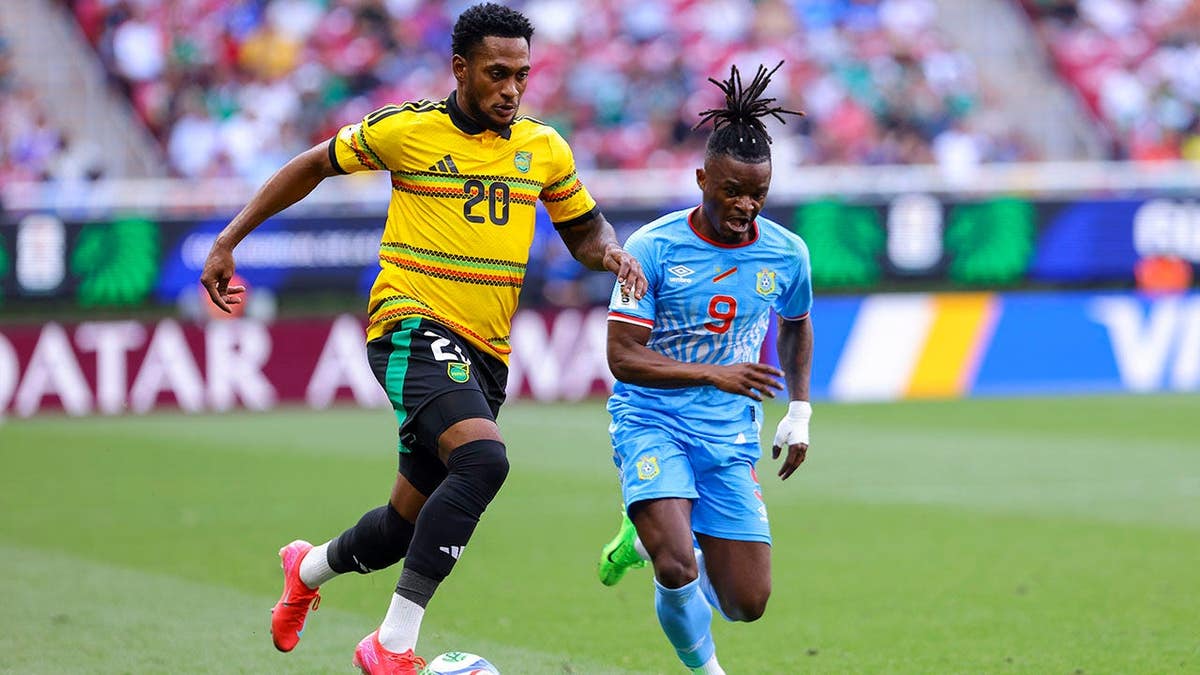
Renaldo Cephas of Jamaica and Brian Cipenga of Congo compete for the ball during the FIFA World Cup 2026 play-off final at Estadio Guadalajara in Zapopan, Mexico, on March 31, 2026. (Agustin Cuevas/Getty Images)
The Congo canceled a planned farewell by the team to fans and a three-day World Cup preparation training camp on Wednesday.
Congo is in Group K and is scheduled to play Portugal in their opening game in Houston on June 17. Their next two games are against Colombia in Guadalajara, Mexico, on June 23, and Uzbekistan in Atlanta on June 27.
Follow Fox News Digital’s sports coverage on X, and subscribe to the Fox News Sports Huddle newsletter.
NEWYou can now listen to Fox News articles!
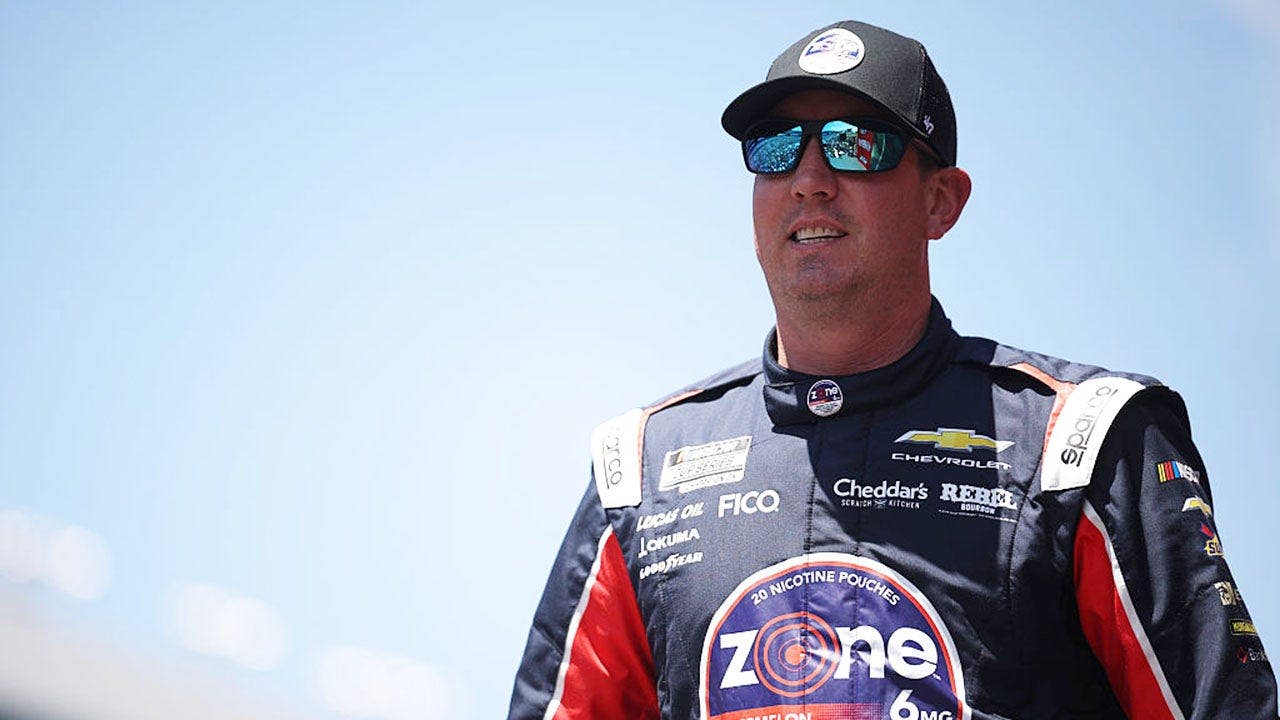
Two-time NASCAR Cup Series champion Kyle Busch died Thursday from complications related to “severe pneumonia [that] progressed into sepsis,” according to a family statement obtained by FOX Sports on Saturday.
“The medical evaluation provided to the Busch Family concluded that severe pneumonia progressed into sepsis, resulting in rapid and overwhelming associated complications,” the statement, according to FOX Sports’ Bob Pockrass, read.
This is a breaking news story. Check back for updates.
Follow Fox News Digital’s sports coverage on X, and subscribe to the Fox News Sports Huddle newsletter.


Who is Elon Musk’s ex Ashley St Clair? Inside her reported eviction battle

Tricia Helfer shocks fans with OnlyFans decision at 52 years old

Stewart McLean’s death a ‘shocker’ as police launches homicide probe

-

 Entertainment1 week ago
Where Pete Davidson, Elsie Hewitt stand after breakup: Details revealed
-

 Entertainment1 week ago
Emilia Clarke recalls near-death incident while filming ‘Game of Thrones’
-

 Politics1 week ago
Rising diesel costs from Iran war strain US school budgets
-

 Politics1 week ago
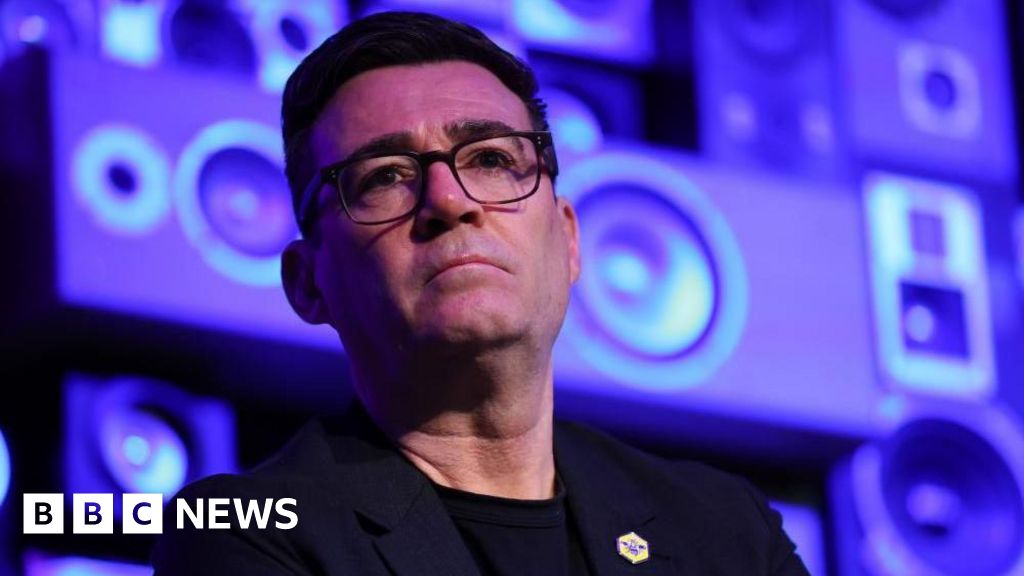
UK’s Starmer faces survival battle as potential rivals circle
-
 Entertainment1 week ago
Drake drops highly anticipated "Iceman" album, plus two surprise albums
-
 Tech1 week ago
Greg Brockman Officially Takes Control of OpenAI’s Products in Latest Shakeup
-

 Tech7 days ago
Why Is Your Grill So Dumb? The Best Grills Set Temp Like an Oven
-
 Business1 week ago
UK borrowing costs rise and pound falls as leadership drama continues