

Business
Holiday rush: US retailers eye Black Friday lift; shoppers hunt deals despite weak sentiment – The Times of India

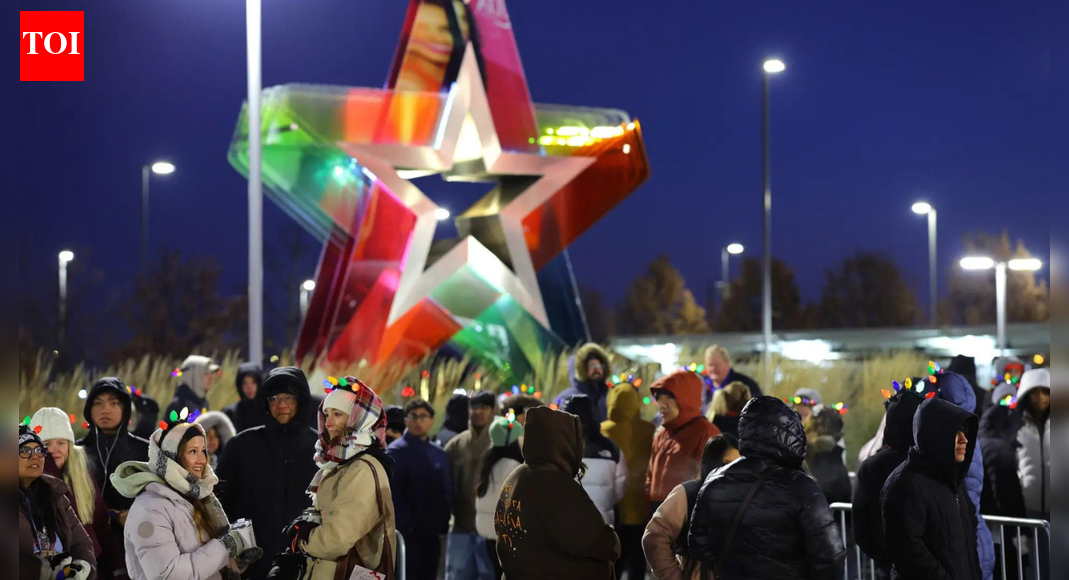
Black Friday no longer pulls Americans from Thanksgiving dinners for midnight mall queues, but it still draws more in-store traffic than any other day of the year — and remains the unofficial start of the US holiday shopping season.This year’s kickoff came as US consumer confidence slipped following the federal government shutdown, weak hiring and stubborn inflation, according to The Conference Board, AP reported. Retailers say shoppers have grown more selective and deal-focused, even as they continue to spend on big seasonal moments, creating what executives describe as a “halo effect”.“Consumers have been saying the economy is terrible while continuing to spend for years now, so the outlook is probably better than they are telling us,” Bill Adams, chief economist at Comerica Bank, said ahead of Black Friday.At Macy’s Herald Square in New York City, early-morning crowds searched for steep discounts on shoes, clothing, linens and cosmetics after doors opened at 6 a.m. Footwear — marked down by 40–50% — was among the busiest sections. But unlike in past years, the atmosphere was calm.Veronica Nam, 68, picked up Nike sneakers for her husband and spent $256 on Lacoste bedding she estimated was half-price. She said she would wait until after Christmas to buy gifts for other relatives amid fluctuating tariffs under President Donald Trump and several years of elevated prices. “Food is very expensive,” she said.Nearby, 19-year-old Nicholas Menasche was shopping with his mother before heading to Best Buy for video games. The banking intern plans to spend around $1,200 this holiday season — roughly the same as last year. “I’m here to buy stuff. Shoes and clothes,” he said. “It’s a great tradition. The stores are open really early.”Retailers spent spring and summer navigating tariff unpredictability, shifting shipments ahead of import taxes and absorbing some costs to avoid raising prices. Circana data showed 40% of general merchandise in September saw price hikes of at least 5% versus early 2025. Toys, housewares, baby products and sports gear were especially affected; 83% of toys saw at least a 5% price rise. Nearly 80% of US toy sales involve items made in China — a sector hit with steep Trump-era tariffs.Still, malls and analysts reported strong momentum heading into Black Friday. At Minnesota’s Mall of America, foot traffic has exceeded 2019 pre-pandemic levels in recent weeks, said Jill Renslow, the mall’s chief business development and marketing officer. “We’re seeing a very positive start to the holiday season,” she said. “The last few Saturdays in November have been very strong.”Online spending is also growing briskly. Between Nov. 1 and Nov. 23, consumers spent $79.7 billion, Adobe Analytics said — up 7.5% from a year earlier and ahead of its 5.3% forecast.Mastercard SpendingPulse projects holiday sales from Nov. 1 to Dec. 24 will rise 3.6%, compared with last year’s 4.1%.“Clearly, there’s uncertainty,” Mastercard Chief Economist Michelle Meyer said. “Clearly, consumers feel on edge. But at the moment, it doesn’t seem like it’s changing how they are showing up for this season.”
Heineken has announced a substantial investment exceeding £44 million into hundreds of its pubs across the UK, a move expected to create approximately 850 jobs.
The Dutch brewing giant’s Star Pubs operation, which manages 2,350 sites nationwide, is undertaking this significant financial commitment despite a challenging period for the pub sector.
The industry has faced considerable pressure over the past year, grappling with escalating labour costs and increases in national insurance contributions.
Concurrently, consumer spending has been constrained by concerns over inflation and rising unemployment, further impacting pub revenues. However, pubs did receive additional business rates support from the government last month, aimed at alleviating some of these financial burdens.
Lawson Mountstevens, managing director of Star Pubs, indicated that the investment strategy is partly designed to bolster revenues and help the group navigate the recent “sustained increases in running costs”.
This year, £44.5 million will be allocated to upgrades for 647 pubs. A notable 108 of these venues are earmarked for particularly significant cash injections, with each transformation costing at least £145,000.
Heineken clarified that while the majority of its pubs are group-owned, they are independently operated by local licensees. A key focus for this investment, particularly in the lead-up to the 2026 football World Cup, will be on sports-focused venues.
The pub firm and brewer has a history of significant investment in British pubs, having pumped £328 million into the sector since 2018. Work has already commenced at 52 locations, including eight projects dedicated to reopening boarded-up pubs that have endured lengthy closures.
Mr Mountstevens also urged the government to reduce the tax burden on pubs, arguing it would ease cost pressures and foster further job creation within the industry.
He stated: “We can only do so much; the root-and-branch reform of business rates that the industry has been calling for over many years is urgently required, as well as a lowering of the burden of taxation on pubs, including VAT and beer duty.”
He concluded with a direct appeal: “We are calling on the Government to support us in bringing out the best in the Great British pub.”
GameStop’s boss Ryan Cohen says he sees potential to make eBay a much bigger rival to Amazon.
Source link
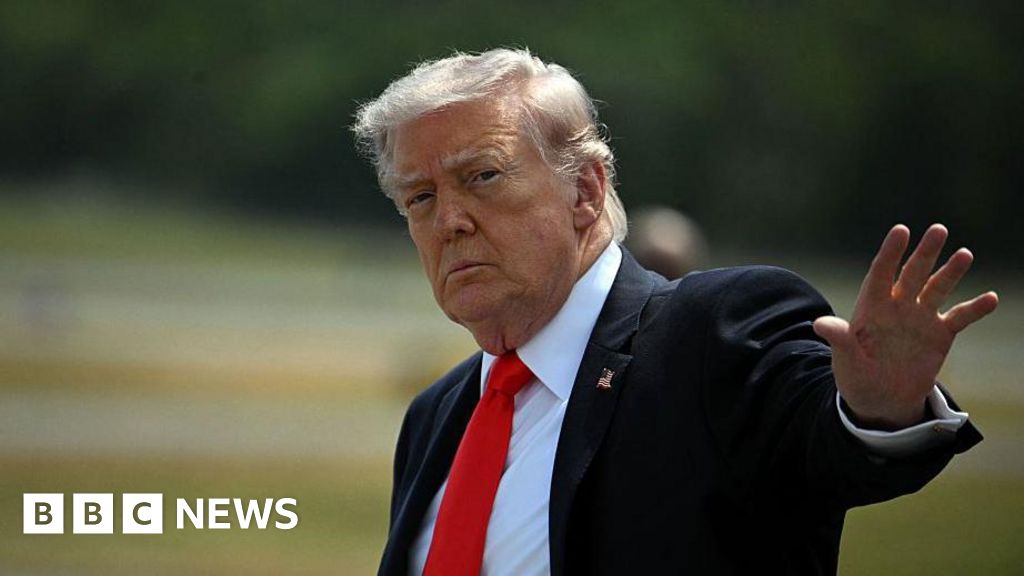
It comes as the US said on Monday it will begin to help “guide” vessels out of the Strait of Hormuz.
Source link


Dwayne Johnson shocks everyone with bold Met Gala outfit

Greg Brockman Defends $30B OpenAI Stake: ‘Blood, Sweat, and Tears’

Met Gala 2026 “Costume Art” red carpet pictures from New York City

-

 Tech1 week ago
A Brain Implant for Depression Is About to Be Tested in Humans
-

 Tech1 week ago
Almost 90% of women leave tech industry within 10 years | Computer Weekly
-
 Business1 week ago
Pakistan’s oil market is fuelling the crisis | The Express Tribune
-
 Business1 week ago
‘I had £20,000 stolen and had to fight a 13-month fraud reporting rule to get it back’
-

 Sports7 days ago
Pro wrestling star Steph De Lander reveals how colleague’s advice helped lead her to title triumph at ACW
-

 Entertainment1 week ago
Norway joins Type 26 Frigate Programme to boost NATO naval power
-

 Entertainment1 week ago
Melania Trump says ABC should ‘take a stand’ on late-night host Kimmel
-

 Tech7 days ago
This Ambitious Laptop Doesn’t Leave Much Room for Your Hands