

Tech
I Tested 30+ Lip Balms and These Are the Top 5 I Swear By

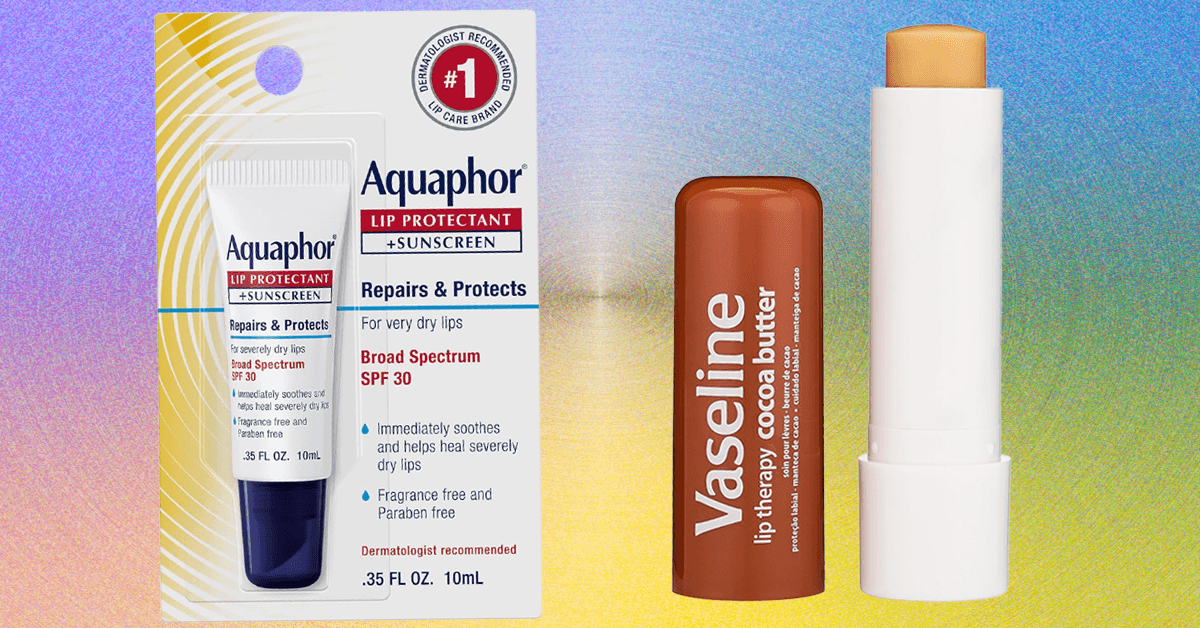
Compare Top 5 Lip Balms
Honorable Mentions
Photograph: Boutayna Chokrane
Eos 24H Moisture Super Balm for $6: I’ve been a fan of Eos’s egg-shaped balms since middle school. The 24H Moisture Super Balm feels like the grown-up version. There are some solid ingredients like shea butter, avocado oil, and castor seed oil. It’s also free of parabens, phthalates, silicones, and synthetic dyes. It’s glossy, cushiony, and comes in delicious scents like Coconut Milk, Mango Melonade, and Watermelon Frosé. The one catch is that it’s not fragrance-free, so those with sensitive lips may not love it. The texture is also sticky, meaning your hair will find its way onto your mouth on a breezy day. And despite the 24-hour moisture claim, expect to reapply every hour or two.
Burt’s Bees Beeswax Lip Balm for $4: If you’re ingredient-conscious, Burt’s Bees has probably been in your tote at some point. The original formula blends beeswax, coconut oil, sunflower seed oil, and peppermint oil. There’s no petroleum or parabens, and you can find it just about everywhere. That said, the beeswax forms a solid barrier but is not the most hydrating, especially during the dead of winter. The balm coats but doesn’t penetrate, which means it won’t do much for lips that are already cracked. The peppermint oil can also be a little too spicy for sensitive lips. Still, if you’re in a pinch and standing in front of the CVS self-checkout, it’s a smarter purchase than Blistex (more on that later).
Glossier Balm Dotcom for $16: The Glossier Balm Dotcom walked so the Laneige Lip Sleeping Mask could run. It’s a multipurpose salve that blends lanolin, castor oil, and beeswax for ultimate moisture retention. Plus, it comes in a handful of sheer tints that play well with no-makeup makeup days. But the thick, waxy texture can feel a bit clumpy, especially if you’re layering over flaky lips.

Photograph: Boutayna Chokrane
Goop Beauty Nourishing Lip Repair Mask for $30: This buttery lip mask from Goop is loaded with ceramides to help restore your lip barrier, along with fig seed oil and acai fruit that smells just as tropical as it sounds. While it’s free from silicones, parabens, and synthetic fragrances, those botanical oils and fruit extracts can still trigger a reaction. Patch test first. Also, at $30 for just 0.3 fluid ounces, it’s not the most cost-effective balm on my list.
Omorovicza Budapest Perfecting Lip Balm for $46: Omorovicza’s Perfecting Lip Balm’s texture leans gritty, almost like a lip polish or a micro-exfoliator. There are some goodies in here, like hyaluronic acid and omega fatty acids. But, there are also some unnecessary (potentially irritating) extras—eucalyptus oil, perfume, and benzyl alcohol.
Avoid These Lip Balms
Nivea Dewy Lip Care with Hyaluronic Acid: Nivea’s Dewy Lip Care with Hyaluronic Acid is packed with emollients, humectants, and antioxidants—like shea butter, glycerin, and vitamin E (to name a few)—that sound promising. Unfortunately, there are also a couple of unnecessary additives, particularly geranoil fragrance and “flavor,” which could include any mix of synthetic or natural compounds. Nivea’s tinted balms aren’t much better; they leave a greasy film and rely on synthetic pigments for shimmer and color. There are many better balms available that provide lasting hydration without the excessive shine.
Blistex Lip Medex: It gives you that instant tingle thanks to menthol and camphor, plus a cocktail of synthetic flavors and fragrances, but that sting is a red flag. A general note: “Medicated” lip balms often do more harm than good.
Carmex Classic Lip Balm: For similar reasons to Blistex, skip Carmex. It contains camphor and benzocaine, which are ingredients that can irritate the skin and make cracked lips worse over time.
Frequently Asked Questions
What Causes Chapped Lips?
There are a lot of triggers, and here are some of the most common causes of chapped lips:
- Cold weather and dry air: Both cold and dry air zap moisture from your skin and stiffen keratin, which is the protein that keeps your lips moisturized.
- Lip licking: The more you lick, the drier they get. Licking your lips breaks down your lip’s natural barrier, leading to irritation and even hyperpigmentation.
- Allergic reactions: Some lip balms contain ingredients that trigger allergic reactions, making dryness and peeling worse. Usual suspects include castor oil, fragrance, dyes, and preservatives.
- Sun exposure: Your lips are thinner and have less pigment than the rest of your skin, which means less protection from UV rays. Unprotected exposure can lead to painful dryness or precancerous spots called actinic cheilitis.
- Tobacco smoke: If you smoke, your lips are at a higher risk for a condition called glandular cheilitis, which causes swelling, rough texture, and cracks. It can also raise your risk for infections and lip cancer.
- Medications: Certain meds come with dry mouth as a side effect, including but not limited to retinoids, antihistamines, antidepressants, and benzodiazepines.
- Underlying conditions: Autoimmune conditions like lupus, eczema, or lichen planus can all show up on your lips first. If your symptoms don’t budge after trying the usual suspects, talk to your dermatologist.
What Ingredients Should You Look for (and Avoid) In Lip Balms?
Here’s what to look for on the label:
- Emollients: These are moisturizing ingredients that help repair and smooth flaky, chapped lips. Some common ones include:
1. Castor oil: Thick, nourishing, and packed with ricinoleic acid that helps smooth rough texture. It is ever so slightly comedogenic, meaning it can clog pores.
2. Cocoa butter or shea butter: These rich butters toe the line between emollient and occlusive. They hydrate and help rebuild the lip’s natural barrier without clogging pores.
3. Coconut oil: Naturally anti-inflammatory, but if you’re acne-prone, it can be too much for the skin around your lips.
4. Jojoba oil: Mimics the skin’s natural sebum. Super lightweight, nongreasy, and unlikely to clog pores. - Occlusives: These ingredients form a protective barrier to seal in moisture and block out environmental aggressors. Look for petroleum jelly (aka petrolatum), a tried-and-true moisture sealant, or beeswax for a natural alternative.
- Humectants: These ingredients attract water to keep lips plump and hydrated; they work best when paired with emollients and occlusives to trap moisture. The standout is hyaluronic acid, which hydrates without leaving a greasy residue, but you’ll also benefit from glycerin, aloe vera, or honey.
- Antioxidants: Ingredients like vitamin E, vitamin C, niacinamide, and polyphenols help defend against free radicals and aid in repairing damaged skin cells over time.
- SPF protection: Lips are especially vulnerable to sun damage, so opt for mineral sunscreens utilizing zinc oxide or titanium dioxide. They’re effective, gentle enough for sensitive skin, and don’t leave a white cast.
Here’s what to avoid:
- Synthetic fragrances and flavors: Yummy scents, including but not limited to peppermint, cinnamon, and citrus, can irritate your lips, especially if you have sensitive skin.
- Menthol, camphor, and other cooling agents: These make dryness worse over time.
When to See a Dermatologist
According to the American Academy of Dermatology, if your lips are still chapped after two to three weeks of consistent balm use, you should consult your dermatologist. A professional can help you figure out if there’s something more serious going on—like an allergic reaction or fungal infection—and treat it before it exacerbates.
My lip balm obsession started sometime around 2006 with a Fanta Lip Smacker, but for this story, I got more methodical. Over the past eight months, I put 30 balms to the test across a variety of climates and conditions: dry Chicago winters, Florida heat, airplane air, etc. I judged each against a checklist of factors:
- Ingredients: I scanned every balm for moisturizing ingredients and flagged substances that can irritate lips instead of helping them, like synthetic fragrances, menthol, and camphor. I also prioritized clean or vegan picks when possible.
- Texture: I evaluated how each formula went on, how it wore throughout the day, and how buildable it was under lipstick and other lip products. Anything too waxy, too greasy, or that disappeared in five minutes got a hard pass.
- Packaging and application: I tested squeeze tubes, tins, and twist-up sticks. I rated each on portability, hygiene, and overall user-friendliness.
- Range: This guide includes drugstore staples and luxury lip treatments, tinted and high-shine options, and SPF picks.
What Are We Testing Next?
Power up with unlimited access to WIRED. Get best-in-class reporting and exclusive subscriber content that’s too important to ignore. Subscribe Today.









Across the region, facilities tied to water and power—including desalination plants—have been damaged or exposed to risk as Iranian strikes extend beyond traditional targets.
A single strike, however, is unlikely to shut off the gulf’s water supply. The system is designed to absorb isolated disruption, but sustained or multisite attacks would begin to strain supply far more quickly.
“In the Gulf, desalination is built with enough breathing room that losing one plant doesn’t immediately show up at the tap,” says Rabee Rustum, professor of water and environmental engineering at Heriot-Watt University Dubai.
In Kuwait, Iranian drone attacks have damaged two power and desalination facilities and ignited fires at two oil sites. Other sites, including Fujairah in the UAE, have been identified as potentially exposed.
“Striking desalination plants would be a strategic move, but it would also come very close to, and in some cases cross, a red line,” says Andreas Krieg, senior lecturer at the School of Security Studies at King’s College London.
Water infrastructure, Krieg explains, occupies a distinct category. “Water infrastructure is not just another utility. In places that depend on desalination, it underpins civilian survival, public health, hospital function, sanitation, and basic state legitimacy.”
Krieg notes that international humanitarian law gives special protection to civilian objects and to objects indispensable to the survival of the civilian population. “Which is precisely why attacks on water systems carry such grave legal and moral weight,” Krieg adds.
The incidents highlight a structural reality: Desalination is central to water supply in the gulf, and disruption carries immediate implications for daily life.
How the System Absorbs Disruption
At first glance, desalination appears vulnerable. Shut down a plant, and supply is reduced. In practice, the system is designed with layers of redundancy.
Plants operate across multiple locations, allowing output to be redistributed if one facility slows down. Water is also stored at different points across the network, including central reservoirs and building-level tanks, creating a buffer that delays disruption.
According to a statement to WIRED Middle East by Veolia, an environmental services provider whose technologies account for nearly 19 percent of desalination capacity in the region, “the region’s water supply is diversified thanks to a network of numerous facilities distributed along the coastline.”
The company adds that distribution systems are interconnected, allowing plants to “support and substitute for one another when necessary,” helping maintain continuity of service.
In the UAE, storage capacity typically covers around one week, while in other parts of the region it may be limited to two to three days, Veolia says.
In practice, this means the system can absorb disruption for a limited period. Once reserves are depleted, water supply depends on whether plants can continue producing enough water to meet demand.
The System That Produces Water
Unlike most regions, the Gulf does not rely on rivers or rainfall. It depends on a network of desalination plants along its coastline that convert seawater into potable water on a continuous basis.
Seawater is drawn into treatment facilities, filtered and processed either through reverse osmosis—forcing it through membranes to remove salt and impurities—or through thermal methods that evaporate and condense water. The resulting supply is distributed through pipelines, stored in reservoirs, and delivered to homes, hospitals, and industry.
This is not a flexible system. It is designed to operate continuously, producing water at a scale that sustains cities, industrial activity, and essential services. Gulf states produce roughly 40 percent of the world’s desalinated water, operating more than 400 plants across the region.
Dependence varies by country but is high everywhere. In the UAE, desalination accounts for 41 to 42 percent of total water supply, while in Kuwait, it provides around 90 percent of drinking water, and in Saudi Arabia, approximately 70 percent.
When Disruption Becomes Visible
For residents, disruption would not be felt immediately—water would continue to flow.
Rustum explains that buildings are supported by internal storage and pumping systems, meaning early changes in supply may not be apparent. In many cases, water pressure remains stable, even as the wider system adjusts.

US Border Patrol agents are raising money by selling coins that commemorate last year’s wave of immigration enforcement “operations” across the country, along with other merchandise. The funds are for nonprofit organizations that list Border Patrol buildings as their address in IRS paperwork. At least two of the organizations have dedicated US Customs and Border Protection email addresses.
The front side of one coin for sale reads, “NORTH AMERICAN TOUR 2025,” along with the acronyms for US Border Patrol and the acronym for “fuck around and find out”—a phrase that was initially popularized by the far-right group the Proud Boys and has been used by various Trump officials. In the center, the coin depicts a gas mask, a riot control smoke grenade, and a pepper ball launcher. On the other side, the coin appears to have a portrait of Border Patrol’s now retired commander-at-large, Gregory Bovino, with his arm raised in a salute, along with the text “COMING TO A CITY NEAR YOU!” It lists seven cities, many of which actually saw federal enforcement surges in 2025: Chicago, Los Angeles, Memphis, Phoenix, Portland, Charlotte, and Atlanta.
The coin is for sale by Willcox Morale Welfare and Recreation, a nonprofit that the IRS most recently declared tax-exempt during the Biden administration and whose address on IRS paperwork matches that of the Willcox Border Patrol Station in Arizona. A request for comment sent to Willcox MWR’s dedicated CBP email address went unanswered.
Employees of the Department of Homeland Security, the parent agency for Border Patrol, are allowed to start private, not-for-profit employee associations within DHS, so long as they get formally recognized by the agency and follow certain rules. According to DHS policies, officially recognized groups can fundraise using government property and create merchandise with the agency’s name and logos–but they have to receive advance approval from the agency.
Willcox MWR is just one of several groups across the country that cater to Border Patrol agents and refer to themselves as MWRs, a reference to the US military’s “morale, welfare and recreation” programs. The groups tend to throw holiday events and retirement parties, and sometimes raise money for the families of agents going through hard times, including those not getting paid during the current shutdown.
Many MWRs also sell customized medallions known as “challenge coins” that commemorate specific teams or events. While anyone, including CBP alumni, can design and sell coins, current DHS employees are not supposed to use government resources to sell ones that use the agency’s seals or logos without permission, or ones that the agency considers inappropriate or unprofessional.
CBP did not provide comment about its relationship to Willcox MWR or any other nonprofit mentioned in this story, nor whether the agency had green-lit the “North American Tour” coin design, ahead of publication.
Under Willcox MWR’s Facebook post about the “North American Tour” coin, someone named Juan Diego commented, “Sign up SDC BK5 MWR for 10.”
“Shoot us an email,” someone managing the Willcox MWR account replied, giving out what appeared to be a dedicated cbp.dhs.gov email address for the group.
SDC BK5 MWR, also a registered nonprofit, lists an address on its website that matches that of a government facility in Chula Vista, California. It says on its site that it was started by San Diego Sector Border Patrol agents and sells custom merchandise “designed to raise funds for morale and relief efforts.”
Diego did not respond to a request for comment.
The SDC BK5 MWR website has listings for over 200 different products in addition to the North American Tour coin. One of those listings was a “Chicago Midway Blitz” challenge coin in the shape of a gas mask that doubles as a bottle opener. Embossed around the edges of the coin are the names of several municipalities and neighborhoods caught up in DHS’s immigration enforcement surge of the same name last fall. Like the North American Tour coin, it features the US Border Patrol logo and the acronym for “fuck around and find out.” Opponents of the Trump administration’s immigration enforcement activity in Illinois are unamused.

Tired of taking your action camera on an adventure, only to get home and find out you missed the action with a bad angle? One option is to switch to a 360-degree action cam, so you can capture all of the action and then edit down to just the good stuff later. One of our favorite options, the DJI Osmo 360, is currently available for just $390 on Amazon, a $209 discount from its usual price, and it comes with a selfie stick and an extra battery.
The DJI Osmo 360 achieves its impressive all-around video quality by leveraging a pair of 1/1.1-inch sensors, larger than some other offerings, and by supporting 10-bit color. You can really see that in the camera’s output, with colors that are vivid and bold, to the point that you may need to dial them back a bit in post if you want something more natural. With support for up to 50 frames per second at 8K when recording in 360 degrees, or 120 fps at 4K when shooting with only one sensor, you’ll have plenty of material to work with. In our testing, it ran for just shy of two hours at 30 fps, which is also around the time the internal storage had filled up anyway.
If you plan on catching any serious discussions with your Osmo 360, you’ll be pleased to know it connects directly to DJI’s line of wireless lavalier microphones, including the excellent and frequently discounted DJI Mic 2 and Mic Mini. If you want to mount it to something other than the included 1.2-meter selfie stick, it has both DJI’s magnetic attachment system and a more traditional ¼”-20 tripod mount. The DJI Mimo app lets you control the camera and adjust any settings, and there’s even a simple editor for on-the-fly production. For desktop users, DJI Studio has even more in-depth settings and editing options, in case you don’t want to pay for Premiere.
The DJI Osmo 360 is one of our favorite action cameras, and is particularly appealing at the discounted price point, but make sure to check out our full review for more info, or head over to our full roundup to see what else is available.


Golfers react to Tiger Woods’ absence at Augusta National during Masters week: ‘It’s unfortunate’

Lil Nas X provided kind options by Judge assault case
[CinePlex360] Please moderate: “Disgraced ex-Sp

-

 Sports1 week ago
USMNT handed reality check by Doku, Belgium ahead of World Cup
-
Uncategorized4 days ago
[CinePlex360] Please moderate: “Trump signals p
-

 Sports1 week ago
2026 NCAA men’s hockey tournament: Schedule, results
-

 Tech3 days ago
Our Favorite iPad Is $50 Off
-
Uncategorized1 week ago
[CinePlex360] Please moderate: “Further tariff
-

 Entertainment3 days ago
Joe Jonas shares candid glimpse into parenthood with Sophie Turner
-

 Politics7 days ago
Trump considers asking Arab allies to help to pay for Iran war
-

 Entertainment1 week ago
Demystifying the PTI